Think about all of the skills that you want to learn. Maybe you want to learn how to build your own house. At the moment, you haveminimal experiencebuilding. You can read a blueprint and use basic hand tools but wouldn’t even know where to begin building a house.
So how do you get fromAtoZ? First, you figure out how to get fromAtoBorAtoC. Psychologists often apply the Zone of Proximal Development theory to this approach to guide educators and leaders as they teach new skills.
 zone of proximal development
What is the Zone of Proximal Development?How Does the Zone of Proximal Development Work?ScaffoldingHow to Apply The Zone of Proximal Development To Your Goals
What is the Zone of Proximal Development?
How Does the Zone of Proximal Development Work?
Scaffolding
How to Apply The Zone of Proximal Development To Your Goals
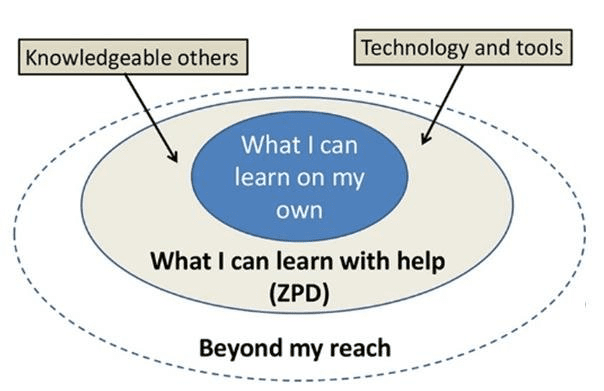
The foundational idea behind ZPD is that true, impactful learning often happens in this ‘zone.’ While tasks that are too easy might not offer much cognitive growth, tasks that are far too challenging can lead to frustration and a sense of defeat. However, tasks within the ZPD can be approached with guided assistance, allowing learners to stretch their capacities and gradually internalize new skills.
Guided learning, often termed “scaffolding,” is pivotal in the ZPD framework. This process involves the mentor providing tailored support based on the learner’s abilities. As the learner becomes more competent, this guidance can be reduced incrementally, allowing the learner to become more independent. This dynamic interaction emphasizes that learning is not a solitary endeavor but is deeply collaborative, with the mentor and learner working in tandem to navigate challenges and achieve mastery.
Vygotsky’s concept of ZPD underscores the importance of context and social interaction in learning. By understanding and harnessing the power of the ZPD, educators, and mentors can create optimal learning environments that promote growth, skill acquisition, and confidence in learners.
Knowledge and skills exist on a spectrum. On one end, there are skills you’ve mastered, like simple arithmetic. On the other end, there are tasks currently beyond you, like complex calculus.
Between these extremes lies a transitional zone, the Zone of Proximal Development (ZPD). In this zone, tasks are challenging but attainable with the right guidance. This guidance often comes from a “More Knowledgeable Other” (MKO). An MKO isn’t universally more knowledgeable across all subjects or topics. Instead, they have specific expertise or a deeper understanding in the area being learned. They provide direction, feedback, and support as learners venture into new territories of understanding.
Real-life applications of ZPD in educational settings include:
By recognizing and utilizing the ZPD, educators can ensure that students consistently work in an area where they’re challenged but not overwhelmed. It’s a delicate balance, but one that, when struck correctly, can lead to optimal learning outcomes. The principles of the ZPD remind educators that with the right support and guidance, students can achieve much more than what might seem possible when left to their own devices.
Example of the Zone of Proximal Development
Framing a house may be one of these skills. You need the ability to use hand tools and read a blueprint, but it’s just one component of building a house. A master carpenter can lead you through framing a few times before you can do this skill on your own or delegate this task to a team.
MKOs aren’t meant to hold the student’s hand or necessarily do the skill for the student. Effective MKOs simply offer guidance, tips, and suggestions. The proper guidance may also depend on the student’s acquired skills and how they learn best.
How Does Zone of Proximal Development Work in Learning and Education?
Does an MKO necessarily need to be an expert, teacher, or even an adult? Not necessarily. Vygotsky defined an MKO as someone who better understood a skill, task, or concept than the person learning. Sometimes, that someone is a teacher or a parent. Other times, a student in the classroom helps another student. Teachers may effectively plan group activities or assign classmates using this theory.
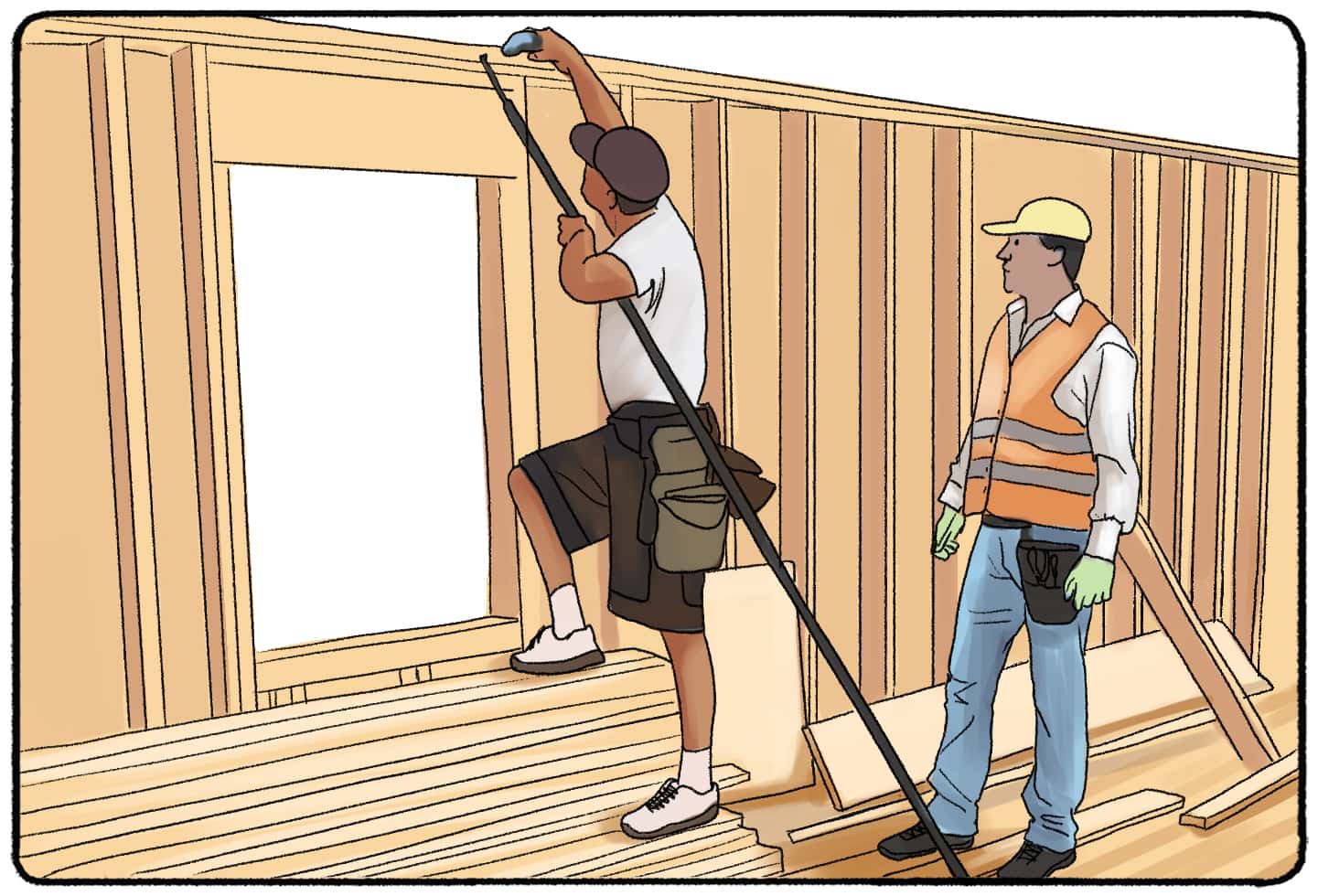
Vygotsky strongly advocated forsocial interaction, which he viewed as a cooperative dialogue. Through this cooperative dialogue, the student can perform and internalize the task. This is when the real learning happens. Once the task is internalized, the students can guide themselves through it and complete it without guidance from an MKO.
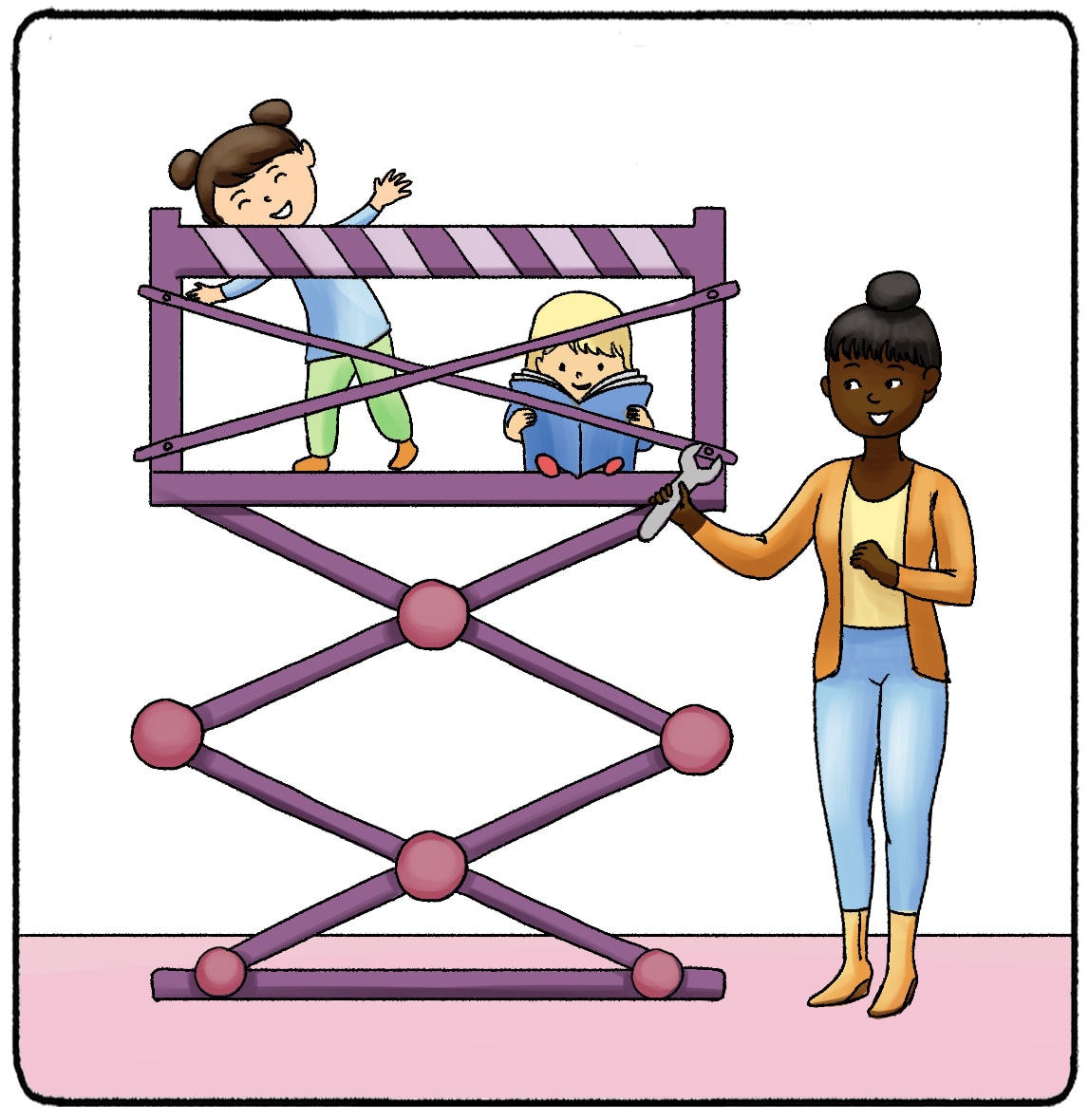
Scaffoldingcan be understood as a structured approach where skills are acquired sequentially. It suggests that certain foundational skills must be mastered before progressing to more complex ones. As learners ascend this metaphorical scaffold, they become more independent, necessitating less instructional intervention.
To illustrate scaffolding in practice:
Understanding and applying Vygotsky’s Zone of Proximal Development in our personal learning endeavors can streamline our efforts and maximize our learning experiences. Recognizing where we need guidance and from whom can unlock vast potentials and enable us to grow and adapt in an ever-changing world continually.
Related posts:Lev Vygotsky (Psychologist Biography)Lev Vygotsky’s Sociocultural Theory of Cognitive Development (Definition + Examples)Proximal Stimulus (Definition + Examples)Developmental Psychology9+ Development Theories (Definitions + Examples)
Related posts:
Reference this article:Practical Psychology. (2020, March).Zone of Proximal Development (Definition + Examples).Retrieved from https://practicalpie.com/zone-of-proximal-development/.Practical Psychology. (2020, March). Zone of Proximal Development (Definition + Examples). Retrieved from https://practicalpie.com/zone-of-proximal-development/.Copy
Reference this article:
Practical Psychology. (2020, March).Zone of Proximal Development (Definition + Examples).Retrieved from https://practicalpie.com/zone-of-proximal-development/.Practical Psychology. (2020, March). Zone of Proximal Development (Definition + Examples). Retrieved from https://practicalpie.com/zone-of-proximal-development/.Copy
Copy
