It’s easy to separate our brain into two sections: short-term memory storage and long-term memory storage. But research has shown that this model istoosimplistic.
We will review all of the answers to these questions in this video aboutworking memory. Working memory explains more than just the connections between short-term and long-term memory storage. It gives us an insight to how we create, perceive, and tell stories about the world around us.
What Is Working Memory?How Working Memory Applies to IntelligenceCentral Executive Memory and How Working Memory is OrganizedDecay TheoryEffects of StressEffects of AlcoholTasks to Assess and Measure Working MemoryRelated posts:
What Is Working Memory?
How Working Memory Applies to Intelligence
Central Executive Memory and How Working Memory is Organized
Decay Theory
Effects of Stress
Effects of Alcohol
Tasks to Assess and Measure Working Memory
Related posts:
Working Memory is the function of short term memory that processes language and perception data in the brain. This memory allows us to manipulate objects, items, and numbers to perform complex tasks. Intelligence and working memory are very closely related.
Peter Doolittledescribes working memory as “that part of our consciousness that we are aware of at any given time of day.” He gave a TED Talk in 2013 all about how working memory helps us make sense of the world.
He describes the four parts of working memory:
Working memory is one of the three main executive functions that help people organize tasks, regulate emotions, and pay attention in the moment. If you are a fan of meditation or mindfulness, working memory is crucial to these activities or “state of mind.”
In the TED Talk, Doolittle asked audience members to memorize a set of five words. He then gives the audience a multiplication problem and other tasks to complete. If the audience could remember the five words after those simple tasks, they could congratulate themselves with a high working memory capacity. (We will share some more examples on how to assess your working memory later in this video.)
If you’ve got a good working memory, you should be quite pleased with yourself. According to Peter Doolittle, people with good working memory tend to be good storytellers and score higher on standardized tests.
A good working memory allows someone to remember information while recalling other pieces of information or performing other functions. And while more research still has to be done, many experts say that working memory is a good predictor of general intelligence.
How does our working memory process information? Researchers are still trying to answer this question, but they have created a diagram that shows the organization and flow of information through our working memory.
 working memory
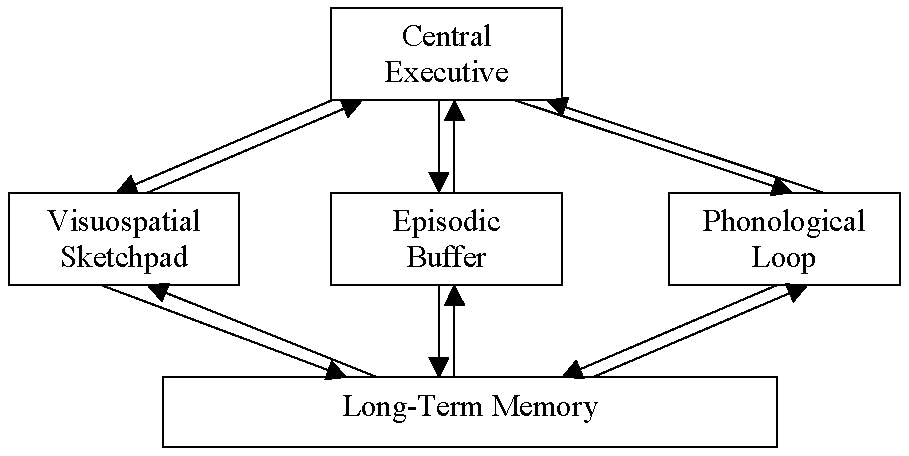
Once we decide to draw attention to sensory input, it goes into our Central Executive Memory. This is the “manager” of the operations that working memory completes. The Central Executive Memory system delegates tasks.
What input is most important? What parts of the working memory system will handle the information? And what ends up continuing the process into long-term memory?
Psychologists know the basics of what Central Executive Memory does, but the process in which it is done isn’t so clear. Much more is known about the areas of the brain where the CEM delegates the processing of information.
These areas include the Phonological Loop, Episodic Buffer, and VisuoSpatial Sketchpad.
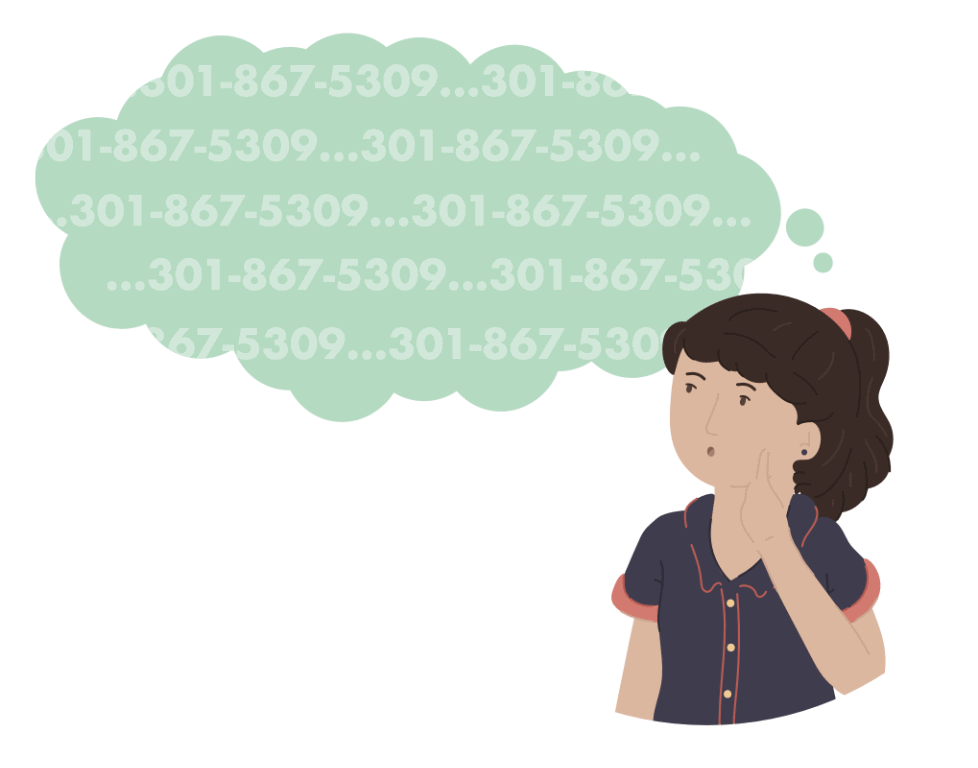
The Phonological Loop handles all of the auditory information. Within this loop are the areas of the brain that process what we hearandrehearse what we are going to say. When people are asked to memorize a phone number or a set of words, the Phonological Loop is put in charge.
It’s called a loop because if the loop is too long, you can’t start the process over. For example, try to remember the numbers “5-6-2-7-3”. Say them in your head over and over again. Now close your eyes and say those 5 numbers again. You probably did it, right?
Now, try to member these numbers “5-6-2-7-3-2-8-1-5-8-9-2-4”. You can’t remember it, can you? That’s because it’s too long to fit inside the phonological ‘loop’. By the time you get to the first 8, you have already forgotten the first number.

Think of a map from your house to your best friends house. You probably are seeing a top-down map with a line across each of the roads to get there. This place is called the VisuoSpatial Sketchpad.
Colors, Shapes, and even Haptic feedback are all information that is stored in our ‘mind’s doodlebook’.
The Episodic Buffer is the area that adds the soundtrack to the visuals. Like a movie, it puts together visual and auditory information and adds a sense of timing and organization. When our minds start to wander and daydreams start to form, the episodic buffer is hard at work “dubbing” the lines to the scene.
The Episodic Buffer also adds smell and taste information. Baddeley says this 4th and last component of the model helps buffer information between working memory and long term memory.
What’s the reason for adding it? In highly intelligent amnesiacs, patients show no ability to encodenewinformation in long term memory. However, they do have good short-term recall of stories and events, which require mores space than just the phonological loop. Here’s Baddeley’s own opinion:
The episodic buffer appears…capable of storing bound features and making them available to conscious awareness but not itself responsible for the process of binding
And yes, when you daydream, your working memory is working. In fact, studies show thatdaydreaming can be a signthat you have a larger working memory capacity.
Remember, working memory does have a capacity. It can only take in so much information. There is a lot that your senses take in that doesn’t go into your working memory.
Information only reaches your working memory if it is given attention. If you make an effort to actively maintain the information, through repetition, evaluation, or other means, it will make its way into your working memory and maybe into your long-term memory.
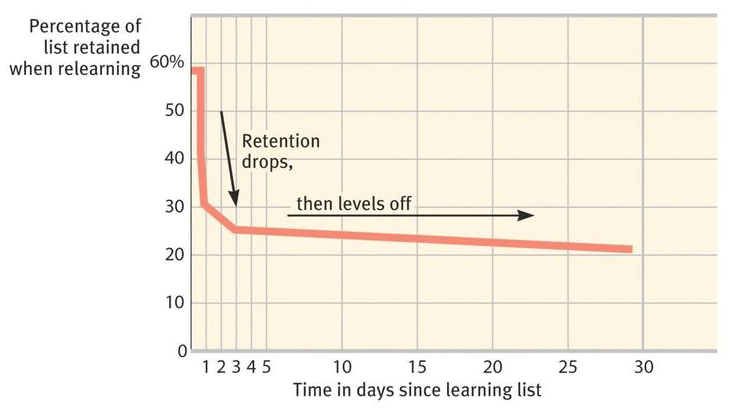
Without attention, the information begins to decay. This is the idea behind the Decay Theory. The decay theory says that the sensory input we consume leaves a physical and chemical change, referred to as a trace, in our minds. Over time, if the information is not addressed, that trace starts to decay until it is dropped from memory entirely.
If you keep having to feed your dog every day, then you’re giving attention to the task. However, if your dog dies, and you no longer have to feed your dog, then the attention is lacking, and over time your brain will assume “there’s no need to remember this”. Many people with dogs that have passed do not remember specific times of actually feeding their dogs.
The decay theory attempts to answer questions about how and why certain pieces of information are forgotten. But it’s almost an impossible theory to prove. When researchers give participants information as part of a study, the participants are very likely to pay attention to that information, therefore moving the information along to their working memory before it has a chance to decay or not decay.
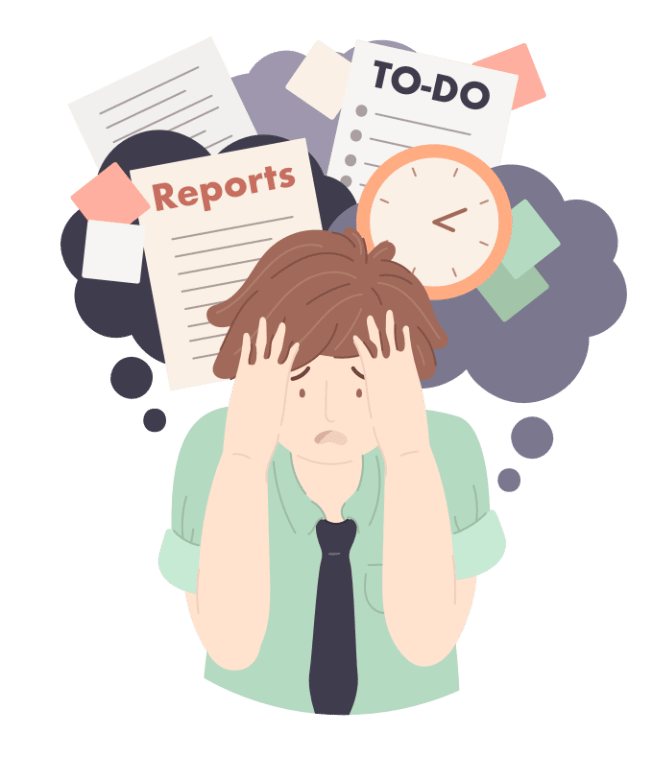
Why does interference occur? Our current situation will always add input to our long-term memories. This is an important lesson to learn when it comes to working memory and how we recall past events. The present moment always shapes our perception of what happened in the past.
I say this now because there are many things that can impact our working memory’s capacity and ability to accurately mix and process sensory input with long-term memories. One of these things is stress. Multiplestudiescontinue to show that stress is associated with a working memory deficit. Stress greatly impacts working memory, and not always in a positive way.
Let’s start with the one positive note on stress and working memory. Stress, in the primal sense, is a signal that a person is in danger. The release of cortisol (the stress hormone) puts us into “survival mode.”
Studies have known that due to high stress levels, working memory worksfaster.Humans need a faster reaction time in moments when they have to choose between fight or flight. So a little bit of stress can help you process information faster.
Unfortunately, the information that you process is not alwayscorrect.
Stress taints the information that we both take in around us and the memories that we pull from our long-term memory storage. Have you ever heard stories of witnesses in a criminal case who can’t seem to give a consistent answer on what they saw?
They may even change their story throughout questioning. This is partially due to the effects of stress. Someone under high levels of stress may not be able to pull up information or specific details from their long-term memory.
The best way to prevent these mistakes is to stay calm under pressure. Stay present and take a long, deep breath. These breaths tell the brain that you are in a safe situation and that there is no need to release anymore stress hormones that work against working memory.
Have you ever woken up from a night of partying and asked yourself, “What happened last night?” We all know that too much alcohol can significantly affect short-term memory. But how does alcohol affect your working memory?

A glass of wine at dinnertime is not considered a threat to your working memory. Butpeople with chronic alcoholism are likely to experience a loss of ability to stay focused and function using the VisuoSpatial Sketchpad.
Interestingly enough,one studyalso concluded that working memory and alcohol consumption negatively affect each other in a circle. A loss of working memory capacity results in a loss of inhibitions, making it more likely for people to grab another drink. The more drinks someone has in a day, the harder it will be for working memory to complete functions. So on and so forth.
There is a lot more work to be done to figure out how alcohol actually interacts with working memory and causes negative effects. But here’s my advice: don’t get wasted if you want to be able to solve tasks or learn something new.
How is your working memory? You can use a variety of different tests to help you determine how your working memory compares to others.
I have actually designed the first every3-in-1 memory testto measure short term, working, and long term memory. You can take it for free on my website in less than 5 minutes.
The first is the Sternberg Memory Task. You can use this assessmentonlineand figure out how fast your working memory works. The assessment flashes a set of letters on the screen for a few seconds. Then, it asks you to identify whether a single letter was part of the set. Your reaction time, and whether or not you were correct, are both recorded.
The N-back task is a significantly harder version of the Sternberg Memory Task. You can use this toolonline. Rather than asking participants to determine whether a particular letter just appeared on the screen, participants are asked to recall whether the letter was the same letter that appeared three trials prior. That’s a lot of letters and orders to keep in your head!
Related posts:Beck’s Depression Inventory (BDI Test)The Psychology of Long Distance RelationshipsOperant Conditioning (Examples + Research)Variable Interval Reinforcement Schedule (Examples)Concrete Operational Stage (3rd Cognitive Development)
Reference this article:Practical Psychology. (2019, July).Working Memory (Definition + Examples).Retrieved from https://practicalpie.com/working-memory/.Practical Psychology. (2019, July). Working Memory (Definition + Examples). Retrieved from https://practicalpie.com/working-memory/.Copy
Reference this article:
Practical Psychology. (2019, July).Working Memory (Definition + Examples).Retrieved from https://practicalpie.com/working-memory/.Practical Psychology. (2019, July). Working Memory (Definition + Examples). Retrieved from https://practicalpie.com/working-memory/.Copy
Copy
