You’re on a quest to become a better leader, and you’ve stumbled upon a term that keeps popping up: transformational leadership. You’re in the right place to find out what it means, why it matters, and how it could change your life and the lives of those you lead.
Transformational Leadership is a leadership style where the leader inspires and motivates team members to exceed expectations, fosters an environment of trust and respect, and ultimately drives positive organizational change.
Don’t just skim the surface; let’s get into the nitty-gritty of transformational leadership. We’ll uncover its roots, its impact, organizational effectiveness, and even its criticisms.
What is Transformational Leadership?The History of Transformational LeadershipThe Four ‘I’s of Transformational LeadershipTransformational Leadership vs Other Leadership StylesExamples of Transformational LeadersThe Psychology Behind Transformational LeadershipHow to Cultivate Transformational Leadership SkillsApplications of Transformational LeadershipCriticisms of Transformational LeadershipThe Future of Transformational LeadershipConclusion
What is Transformational Leadership?
The History of Transformational Leadership
The Four ‘I’s of Transformational Leadership
Transformational Leadership vs Other Leadership Styles
Examples of Transformational Leaders
The Psychology Behind Transformational Leadership
How to Cultivate Transformational Leadership Skills
Applications of Transformational Leadership
Criticisms of Transformational Leadership
The Future of Transformational Leadership
Conclusion
 transformational leader

Transformational Leadership is a term that gets tossed around a lot, especially when people talk about great leaders who’ve made a real difference. But what does it actually mean?
Imagine you’re in a boat and everyone’s rowing. But there’s a catch: You’re not getting anywhere because everyone’s rowing in different directions. A great transformational leader steps in and not only aligns everyone to row in the same direction but also makes them want to row harder and faster.
In simpler terms, a good transformational leaders’ leader isn’t just a boss; they’re more like a mentor or coach.
Transformational Leadershipis when you, the leader, motivate and inspire your team to exceed usual expectations and performance levels. You achieve this through various ways: communicating a compelling vision, fostering creativity, and building strong, respectful relationships with team members.
Importantly, transformational organizational leadership is not about directing or controlling. It’s about nurturing growth—in both individuals and organizations.
You now know what transformational leadership is, but where did it come from? The concept of transformational leadership isn’t as new as you might think; it has roots that date back to the late 20th century.
Burns drew a line betweentransactional leaders, those who operate on an exchange basis like “do this for me, and I’ll give you that,” andtransformational leaders, whoignite the internal motivationsof their team members to exceed expectations.
Burns argued that effective transformational leaders create a more ethical and empowering environment.
The 1980s brought more meat to the bones of transformational leadership theory. Researchers likeBernard M. Bassexpanded upon Burns’ ideas.
Bass introduced the concept ofCharismatic Leadership, which is a component of transformational leadership. He said that transformational leaders often have strong sense of charisma, but charisma alone isn’t enough. You also need to empower your team, listen to them, and encourage their personal growth.
By now, you’re starting to see how this leadership style has evolved over time. Knowing its history gives you a richer understanding of why it’s so impactful today.
And as you’ll find out, transformational leadership is not just a theory but a practice that has been embraced across diverse settings—from businesses to politics and education.

You’re probably thinking, “Okay, transformational leadership sounds great, but what makes it tick?” Experts usually break it down into four key components, often referred to as the Four ‘I’s.
First up isIdealized Influence. This is all about being a role model. You set high standards for ethical behavior and show dedication. When your team sees you walking the walk, they’re more likely to trust you and follow your lead.
Second isInspirational Motivation. Imagine you’re a coach giving a halftime speech. You’re uplifting your team, filling them with energy and enthusiasm for the tasks ahead. You set exciting visions for the future and show how everyone plays a vital part in reaching that vision.
The third ‘I’ stands forIntellectual Stimulation. Here, you’re not just giving orders; you’re encouraging your team to think creatively and solve problems. Imagine a teacher who doesn’t just want the correct answer but challenges students to explain how they got there.
Last but not least, isIndividualized Consideration. This means you’re tuned into each team member’s needs and potential for growth. It’s like a gardener knowing exactly how much water, sunlight, and nutrients each type of plant in the garden needs. You provide coaching, give feedback, and open doors for individual consideration and opportunities that will help them grow.
Together, these four components make the transformational leadership style what it is—a holistic approach to guiding a team to reach and exceed their potential.
By now, you’re getting a pretty good grip on what transformational leadership entails. But how does it stack up against other leadership styles? After all, it’s not the only game in town.
Transformational leadership, in contrast, gives room for creative thinking and individual growth. Instead of telling you what to do, a transformational leader guides you in discovering the best course of action for yourself.
Then there’sLaissez-Faire Leadership, a style of organizational structure where the leader takes a hands-off approach. Picture a laid-back supervisor who lets the team figure things out on their own.
While this approach can foster independence, it often lacks the motivational spark that transformational leadership provides.
Don’t forget aboutTransactional Leadership, which we touched on earlier. This management style is more about give-and-take. It’s like a business deal: “You complete this task, you get a reward.”
While transactional leadership can be effective, it doesn’t aim to transform or inspire on a deeper level.
Transformational leadership has its own unique flavor. It combines the best of different worlds: it’s motivating but not controlling, structured but not rigid, and inspirational without being unrealistic.

1) Nelson Mandela
First, let’s talk about Nelson Mandela. He led South Africa out of apartheid and into a new era of racial equality and democracy.
Mandela didn’t just give orders; he inspired a nation. His leadership wasn’t about transactions; it was about transformative change.
2) Oprah Winfrey
Next up is Oprah Winfrey. She broke multiple barriers in her career, and her impact extends beyond television to education and philanthropy.
Oprah is a fantastic example ofInspirational Motivation. She has the unique ability to connect with people, inspiring them to take action and make positive changes in their lives.
3) Steve Jobs
Steve Jobs, co-founder of Apple, transformed the way we interact with technology. He pushed for innovative designs and user-friendly interfaces, changing our relationship with computers, smartphones, and tablets.
4) Malala Yousafzai
Malala Yousafzai stood up for girls’ education in Pakistan, despite facing life-threatening dangers. Her courage and advocacy have inspired a global movement.
5) Richard Branson
The founder of the Virgin Group, Richard Branson, is known for his adventurous spirit and willingness to take risks. He has created a culture that fosters innovation and creativity across various industries, from music to air travel.
6) Angela Merkel
Angela Merkel, the Chancellor of Germany for over a decade, was a stabilizing force in European politics. She managed multiple crises, from the financial downturn to the refugee situation, with a balanced and humane approach.
7) Tony Dungy
Tony Dungy, former NFL coach, transformed the Indianapolis Colts into a Super Bowl-winning team. More importantly, he did it while emphasizing the importance of character and moral integrity.
You might be wondering, “What’s the secret sauce that makes transformational leadership so effective?” Well, it’s not just about actions; it’s also about the psychological impact on the team.
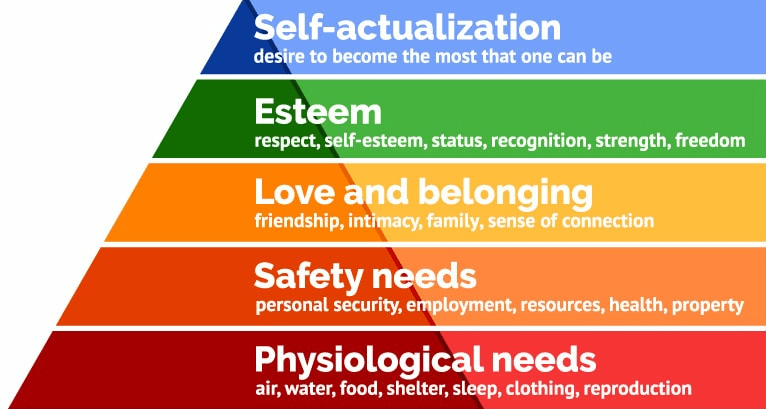
Firstly, this leadership style taps intoMaslow’s Hierarchy of Needs. Remember Maslow? He’s the guy who said we have apyramid of needs, from basic survival up to self-actualization. Transformational leaders aim for the top. They’re not just offering you a paycheck (survival); they’re helping you fulfill your potential (self-actualization).
Second, there’s the concept ofEmotional Intelligence, or EQ. Transformational leaders usually score high in EQ. They’re tuned into their own emotions and can read the room, sensing the team’s mood and adjusting their approach accordingly.
Lastly, let’s talk aboutIntrinsic Motivation. This means you’re doing something because you genuinely want to, not because you’re getting a reward or avoiding a penalty. Transformational leaders excel at firing up this kind of motivation. They inspire you to give your best not for external rewards and punishments, but because you’re committed to the vision and the team.
So, the psychology of transformational leadership is a mix of meeting higher-level needs, emotional intelligence, and intrinsic motivation. It’s a compelling blend that not only gets results but also fosters a positive, engaged, and loyal team.
First on the list isSelf-Awareness. Before you can lead others, you need toknow yourself. Take some time to reflect on your strengths and weaknesses. There aretoolslike the SWOT analysis (Strengths, Weaknesses, Opportunities, and Threats) that can help. Knowing where you stand enables you to be a more effective leader.
Second, work onCommunication Skills. Effective communication is more than just talking; it’s about listening, too. If you can clearly articulate your vision and also pay attention to what others are saying, you’re on the right track.
Last but not least, cultivateEmpathy. This means putting yourself in someone else’s shoes and understanding their perspective. Empathy allows you to connect on a deeper level, making it easier to inspire and motivate your team. It turns out, being a good leader is also about being a good human.
So there you have it—three achievable steps to hone your transformational leadership skills. And guess what? As you develop these skills, you’ll not only become a better leader but also a better teammate, friend, and overall person.

You’ve read about how transformational leadership works and how to cultivate the skills it requires. But where does this leadership style really shine? Let’s unpack its applications in various fields, showing you that it’s not a one-size-fits-all kind of deal.
Workplace
In theBusiness World, transformational leadership helps companies adapt and innovate. Whether it’s a tech startup or a century-old manufacturing firm, this leadership style can invigorate a company’s culture. Leaders inspire employees to be proactive, solve problems creatively, and feel a stronger commitment to their roles.
Healthcare
Now, imagine aHealthcare Setting. Medical professionals often face high stress and life-or-death situations. A transformational leader in this space focuses on team well-being, encourages continued education, and fosters an environment where everyone feels valued. This can lead to improved patient care and job satisfaction.
Education
Let’s not forgetEducation. Teachers and administrators can significantly benefit from applying transformational leadership principles. By inspiring both educators and students to strive for higher standards and increased performance, learning environments become more enriching and productive.
Other
And it doesn’t stop there; transformational leadership can be applied inNon-Profits,Community Organizations, and even inHome Settings. It’s that versatile. You see, this transformational leadership characteristics and style is more than just a management tactic; it’s a strategy for enhancing collective effort and well-being, regardless of the context.
So there you have it—a broad look at where transformational leadership can be effectively applied. No matter the field, the core principles hold true: inspire, engage, and bring out the best in everyone.
Alright, we’ve talked a lot about the good stuff, but nothing is perfect, right? Transformational leadership also has its fair share of challenges and criticisms. It’s crucial to be aware of these to get a well-rounded understanding.
First off, there’s theHero Syndrome. Sometimes, transformational leaders are put on such a high pedestal that they becomeviewed as irreplaceable. This can lead to problems like lack of accountability or an over-reliance on a single individual for the group’s success. It’s vital to remember that even great leaders have limitations.
Then there’s the issue ofManipulation. Because transformational leaders are so good at inspiring people, they could potentially use their influence for personal gain rather than the collective good. This could lead to ethical dilemmas, where the line between motivation and manipulation gets blurry.
Finally, let’s talk aboutSustainability. Can a leader keep up the high levels of enthusiasm and vision indefinitely? Burnout is a real concern. Additionally, once a leader has successfully transformed an organization or team, what comes next? Continuous transformation isn’t always feasible or desirable.
So yes, while transformational leadership has numerous benefits, it also comes with its set of challenges. But don’t fret; understanding these potential pitfalls prepares you to navigate them effectively.
Second, there’s an increasing focus onDiversity and Inclusion. Future transformational leaders will need to be well-versed inmanaging diverse teams. It’s no longer just about being a great leader; it’s about understanding different cultural perspectives and working towards inclusive growth. These leaders can act as bridges, uniting varied talents to achieve common goals.
Lastly, we have theGig Economy. More people are opting forfreelance or part-time roles. Traditional leadership models may struggle in such a setup, but transformational leaders could excel. They’re skilled at quickly building rapport and aligning even short-term team members with a larger vision.
The world is evolving, and so are the challenges and opportunities that leaders face. The transformational leadership style, with its adaptability and focus on genuine connection, seems well-suited to navigate these changes. Whether you’re an aspiring leader or already in a leadership role, understanding this future landscape empowers you to stay ahead of the curve.
From the very origins of transformational leadership, tracing back to James MacGregor Burns, all the way to its practical applications and future relevance, you’ve journeyed through a comprehensive understanding of this leadership style. You’ve even seen it in action across different settings like classrooms, workplaces, and hospitals.
While transformational leadership isn’t the only game in town, its focus on genuine relationships, inspiration, and growth makes it incredibly relevant for today’s challenges. It’s a style that adapts well to change, making it a strong fit for our ever-evolving world.
Now, you’re not just familiar with transformational leadership; you have the tools to implement it. Whether you’re an aspiring leader or already steering the ship, the principles you’ve learned can help you become more effective, empathetic, and yes, more transformational leader.
Related posts:45+ Transformational Leaders (Examples + Quiz)Skinner’s Box Experiment (Behaviorism Study)121+ Strengths Examples for Job InterviewsKurt Lewin Biography - Contributions To PsychologyFallacy of Composition (27 Examples + Definition)
Related posts:
Reference this article:Practical Psychology. (2023, November).What is Transformational Leadership? (Examples + How-To).Retrieved from https://practicalpie.com/what-is-transformational-leadership/.Practical Psychology. (2023, November). What is Transformational Leadership? (Examples + How-To). Retrieved from https://practicalpie.com/what-is-transformational-leadership/.Copy
Reference this article:
Practical Psychology. (2023, November).What is Transformational Leadership? (Examples + How-To).Retrieved from https://practicalpie.com/what-is-transformational-leadership/.Practical Psychology. (2023, November). What is Transformational Leadership? (Examples + How-To). Retrieved from https://practicalpie.com/what-is-transformational-leadership/.Copy
Copy
