Find an Online Psychology Program for You
Featured Online Psychology & Counseling Programs
Sometimes the best forms of therapy are those that make us feel good.

But they’re not the only players in the field.
Recreational therapy is another highly effective form of therapy for treating mental, emotional, cognitive, and physical issues and improving an individual’s quality of life. Like physical therapy, occupational therapy, and mental health counseling, recreational therapy is classified amongpsychology careersthat use evidence-based treatments to meet the unique physical, emotional, social, and cognitive needs of patients.
Recreational Therapy: What Is It and What Is It Used For?
Today, the American Therapeutic Recreation Association (ATRA) defines recreational therapy as “treatment services deigned to restore, remediate, and rehabilitate a person’s level of functioning and independence in life activities…”
Benefits of Recreational Therapy
There’s a nice body of research that shows positive cognitive, physical, and mental/emotional health outcomes through recreational therapy, including improvement in:
Recreational therapy has also been shown to improve an individual’s psychosocial skills and emotional health and improve upon their self-confidence, sense of well-being, communication, trust, relaxation, and positive body image.
Patients engaged in recreational therapy programs have also shown positive changes related to social anxiety, social isolation, boredom, anxiety, depression, and poor morale.
Recreational therapy programs aimed at individuals in correctional institutions and substance abuse/behavior health facilities have shown improvement in community functioning, decision-making skills, and in the ability to deal with substance-related stressors.
What Does a Recreational Therapist Do?
Using both their creativity and clinical skills, recreational therapists design programs that address the physical, emotional, social, and cognitive needs of patients with injuries, illnesses, and disabilities to improve their quality of life and overall sense of well-being.

Drawing from their education and training, recreational therapists assess each patient’s needs/goals and design and implement safe and effective, evidence-based therapeutic interventions. Like other members of the interdisciplinary care team, they document and chart patient progress and evaluate the effectiveness of the interventions.
It’s important to note that recreational therapy never takes the place of occupational, physical, and mental health therapies; instead, it serves as another effective tool for helping individuals improve their overall quality of life. Recreational therapists are now widely recognized as valuable members of an interdisciplinary treatment team.
Recreational therapists work with patients ranging from pediatric to geriatric and with mental health, physical, and development disabilities and addictions.
The large majority of recreational therapists work in long-term care/nursing homes and assisted living facilities, although job opportunities are often available in many other settings, such as:
How Do I Become a Recreational Therapist? – A Closer Look at the Recreation Therapist Degree and Professional Certification Requirements
Learning how to become a recreational therapist starts with earning a bachelor’s degree in a field related to recreational therapy. What major is recreational therapy? Most often, you’ll find that these degrees are designed as a BS in Therapeutic Recreation (or a similar title like recreation and leisure studies with a focus on creational therapy).
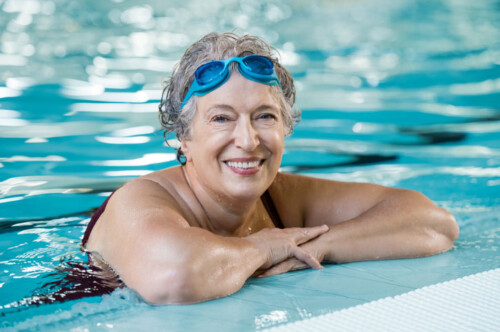
How many years does it take to become a recreational therapist? You can become a recreational therapist in just four years if you complete a bachelor’s program and integrated internship as a full-time student.
A recreation therapist degree at the bachelor’s level provides students with the knowledge and skills needed to assess patients and develop appropriate recreational/leisure-based activities. There are more than 80 colleges and universities in the U.S. that offer bachelor’s programs in therapeutic recreation.
Explore recreational therapy programs.
Can you become a recreational therapist without a degree? No, you’ll need the knowledge and skills found through a bachelor’s degree to earn national certification and qualify for recreational therapist jobs.
A comprehensive degree program in recreational therapy includes a foundation in human anatomy, human development and behavior, characteristics of illnesses and disabilities, and medical terminology, along with the foundation, philosophy, theories, and practice of recreational therapy and the delivery of therapeutic recreation services. Most of these programs also include an internship, which serves as a valuable, hands-on introduction to the profession.
A bachelor’s degree in recreational therapy also serves as a solid foundation to master’s degree programs in recreational therapy, occupational therapy, applied behavior analysis, psychology (learn more about thepsychology degree path), special education, and more.
Professional Certification Requirements
Most recreational therapists hold theCertified Therapeutic Recreation Specialist (CTRS)designation offered through the National Council for Therapeutic Recreation Certification (NCTRC). Although not necessary to practice, the CTRS has become a common professional endeavor for many recreational therapists and a requirement among many employers.
To qualify for the CTRS, students must complete a bachelor’s degree and a formal internship of at least 560 hours (14 weeks) and pass the NCTRC Certification Exam, a three-hour exam consisting of 150 questions. Applicants can take the exam via Live Remote Proctoring or at a PSI Testing Center near them.
Holding both the CTRS credential and a CTRS Specialization Area Designation is an excellent way for practicing recreational therapists to increase their marketability and their earning potential.
Area of specialization offered include:
The CTRS designation (and any specialization area designations attached to it) must be renewed every five years.
Licensure Requirements
To date, just five states license recreational therapists, and all require CTRS certification for licensure:
Recreational Therapist Salary and Employment Outlook
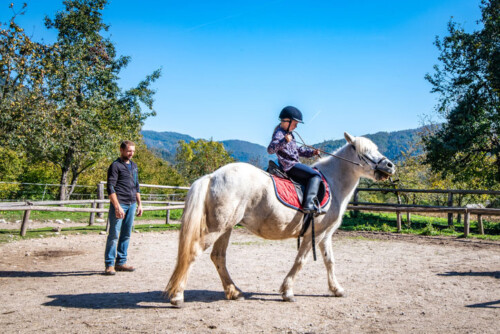
How much does a recreation therapist make? According to the Bureau of Labor Statistics (BLS), recreational therapists earn a median salary of$51,330as of May 2022. Early career professionals in this field often earn about $41,600 while those with considerable experience, national certification, and specialized experience in a specific area of recreational therapy can earn upwards of $84,410.
Some of the highest paid recreational therapists work in physicians’ offices where they earn a median salary of $84,770. Professionals who work for the federal government earn the second highest median salary at $80,450. As of May 2022, psychiatric, substance abuse, medical, and surgical hospitals employ the most recreational therapists.
Recreational therapist average salaries in other settings included:
The BLS also reports that growth in the recreational therapist profession is expected to remain consistent in the coming years, growing4%between 2021 and 2031. During this time, the field should see about 1,500 annual job openings due to a blend of new job growth, retirements, and natural job turnover.
A growing senior population with age-related injuries and illnesses will keep senior community centers, nursing homes, and assisted living facilities full and the demand for recreational therapists strong.
2022 US Bureau of Labor Statistics job market trends and salary figures forrecreational therapistsare based on national data, not school-specific information. Salary statistics representing entry-level/early career = 25th percentile of earners; senior-level/highly experienced = 90thpercentile of earners. Conditions in your area may vary. Data accessed June 2023.
