Have you ever seen something so cute you want to… bite it? Or heard someone say they want to eat their infant’s toes? This juxtaposition of thinking something is adorable and wanting to act aggressively toward it is surprisingly common! Cute aggression is a fascinating phenomenon in psychology, and it helps to explain why we may do a lot of bizarre things in reaction to overwhelming emotions.
Let’s dive into what “cute aggression” means and why we can’t always rely on our minds to react “appropriately” to how we feel.
What Is Cute Aggression?Margaret Keane’s Big-Eyed Waifs: The Allure of Cute AggressionMark Ryden’s Pop Surrealism: The Complexities of Cute and CreepyLOL and OMG Toys: Cute Overload in ConsumerismIs Cute Aggression Bad?Studies on Cute AggressionDimorphous Expression
What Is Cute Aggression?
Margaret Keane’s Big-Eyed Waifs: The Allure of Cute Aggression
Mark Ryden’s Pop Surrealism: The Complexities of Cute and Creepy
LOL and OMG Toys: Cute Overload in Consumerism
Is Cute Aggression Bad?
Studies on Cute Aggression
Dimorphous Expression
Cute aggression is a natural urge to squeeze, bite, or act aggressively toward something cute. While there are a few studies on cute aggression, psychologists have theories about how cute aggression works. Don’t worry; cute aggression is not a sign of mental illness or any condition. It’s normal!
Studies on cute aggressionhave suggested that cute aggression is simply a way to deal with our overwhelming emotions. A brief thought of aggression can calm us down after encountering something (or someone) adorable. So if you’re asking, “is cute aggression normal?” you can rest well that it’s a natural tendency.
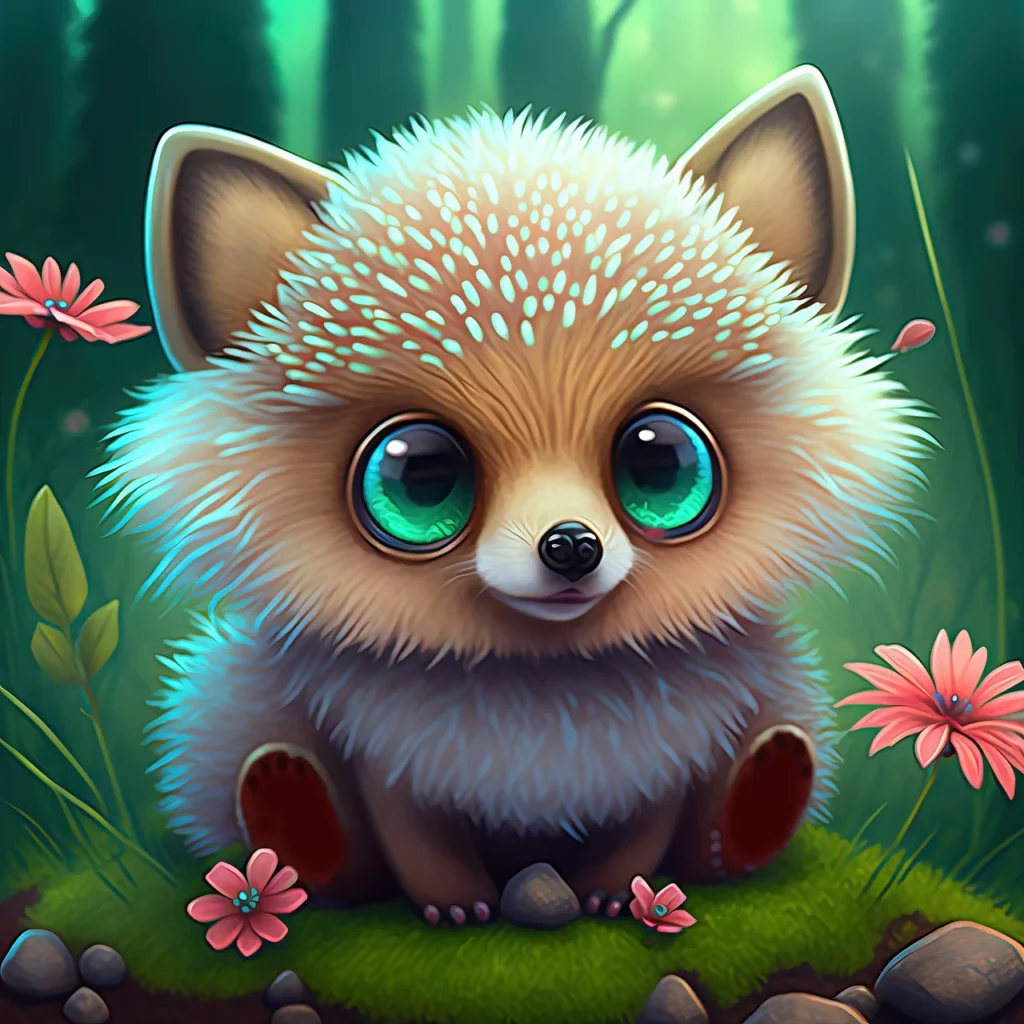
 cute hedgehog
Why Do We Get So Overwhelmed By Cuteness?
This desire has kept the human race alive for generations upon generations. We want to protect the most vulnerable. By protecting and nurturing babies, we continue the human race. It’s evolution!
Here are a few examples of cute aggression:
It’s important to note that while cute aggression may be a common phenomenon, it’s always important to treat animals and other living beings with care and respect and never to harm or mistreat them, even if they are incredibly cute.
This desire, however, can be so overwhelming that we don’t know how to handle our emotions when they hit us. As a response, we may experience cute aggression.
The peculiar yet captivating work of American artist Margaret Keane provides a vivid example of how cute aggression might manifest in response to visual art. Keane’s signature big-eyed waifs, with their disproportionately large and expressive eyes, epitomize the “Kindchenschema” that Konrad Lorenz described. It’s not hard to imagine someone looking at one of these paintings and feeling an overwhelming urge to reach out and touch or squeeze the depicted character, even if they’re just brushstrokes on canvas. This cute aggression extends from living creatures to inanimate representations, showcasing our innate responses to perceived cuteness.
In the realm of toys and consumer goods, products like LOL Surprise! dolls and OMG fashion dolls are designed to tap directly into the cute aesthetic that triggers emotional responses. These toys, with their oversized eyes and heads, fashionable accessories, and playful designs, often come in surprise packaging that adds an element of anticipation to the cuteness, potentially amplifying the cute aggression response when the item is finally revealed.
Similarly, the phenomenon can be observed in the popularity of squishy toys, which are often shaped like cute animals or food items with cute faces. The very act of squeezing these toys, which can be surprisingly satisfying, is a harmless physical manifestation of cute aggression.
Managing the Overload: From Art to Interaction
Whether it’s through the interaction with toys or the appreciation of art, what these examples highlight is a universal aspect of human psychology. We are wired to respond to cuteness, and that response can sometimes take on a physical form that seems at odds with the emotion itself. However, it’s crucial to recognize the boundary between feeling an urge and acting upon it, especially concerning living beings.
Understanding cute aggression through examples like Margaret Keane’s and Mark Ryden’s art or the consumer frenzy surrounding LOL and OMG toys reinforces the notion that this psychological response is deeply embedded in our culture. It transcends age and geography and even extends into our consumer habits. By recognizing cute aggression in these various forms, we become more aware of our emotional landscape and the sometimes unexpected ways we express our feelings.
Although we typically associate cute aggression with adults who simultaneously feel the need to nurture and nibble on their children, younger children may also experience cute aggression. But there is a difference between cute aggression and being unable to control your actions.
Take a look at thisReddit post. A mother has a conversation with a teacher about her son. The teacher claims that the son’s tendency to put his hands on other children’s necks is straight-up aggressive behavior. The mother claims it is cute aggression. So what is it?
How to Stop Cute Aggression
Here’s what the researchers found:
This led the researchers to suggest that cute aggression was how the mind learned to cope with overwhelming feelings.
“We found support for the idea that individuals’ selfreports of dimorphous expressions correlate across situations and across the precise emotion expressed (e.g., happiness and excitement). Furthermore, responses to cute stimuli appear to be of the same kind as other dimorphous expressions of positive emotions, such as crying when reuniting with a loved one.”
One explanation for dimorphous expressions is that they allow individuals to regulate their emotions. For example, a person may smile while feeling sad as a way to hide their true emotions from others or to boost their mood. Alternatively, crying while feeling happy may be a way to release intense positive emotions that cannot be expressed through a smile or laughter alone.
However, dimorphous expressions can also be a sign of deeper emotional conflicts or psychological disorders. For example, individuals with depression or anxiety may experience difficulty expressing positive emotions or may feel guilty for feeling happy. In these cases, dimorphous expressions may be a symptom of underlying emotional issues that require professional treatment.
Overall, dimorphous expressions are a complex and multifaceted phenomenon that can have a variety of meanings and causes. While they may confuse others, it’s important to approach them with empathy and understanding, as they may be a way for individuals to cope with complex emotional experiences.
Dimorphous Expression Examples
You have probably heard phrases like “It’s so cute, I just want to bite its toes” more times than you remember. Similarly, other types of dimorphous expressions are normal…until you start to think about how we often behave contrary to our emotions.
All of the following are examples of dimorphous expression:
Some of these expressions have become more “normalized” than others. It’s encouraged, for example, to scream and yell at a rock concert. It’s not exactly encouraged to smile or giggle upon hearing bad news. But all of these expressions are normal. If you see someone smiling or even laughing at a funeral, they may be displaying dimorphous expressions. This is okay, as they are probably just uncomfortable and working through their emotions.
Embrace Cute Aggression!
Related posts:Instrumental Aggression3 Theories of Aggression (Psychology Explained)The Psychology of Long Distance RelationshipsOperant Conditioning (Examples + Research)Beck’s Depression Inventory (BDI Test)
Related posts:
Reference this article:Practical Psychology. (2022, October).What is Cute Aggression?.Retrieved from https://practicalpie.com/what-is-cute-aggression/.Practical Psychology. (2022, October). What is Cute Aggression?. Retrieved from https://practicalpie.com/what-is-cute-aggression/.Copy
Reference this article:
Practical Psychology. (2022, October).What is Cute Aggression?.Retrieved from https://practicalpie.com/what-is-cute-aggression/.Practical Psychology. (2022, October). What is Cute Aggression?. Retrieved from https://practicalpie.com/what-is-cute-aggression/.Copy
Copy
