We are all looking to make positive changes in our lives. The supposed “solutions” to these changes appear everywhere: in advertisements, at the gym, or online. People offer holistic treatments, hypnosis, or other practices that work with the body and the mind to accomplish certain goals. If you are a person who is always seeking to better yourself, you may have run into the idea of NLP.
Introduction to NLP: A Brief HistoryWhat is NLP?What Does an NLP Practitioner Do?What Does It Take to Become an NLP Practitioner?How Can I Become an NLP Practitioner?
Introduction to NLP: A Brief History
What is NLP?
What Does an NLP Practitioner Do?
What Does It Take to Become an NLP Practitioner?
How Can I Become an NLP Practitioner?

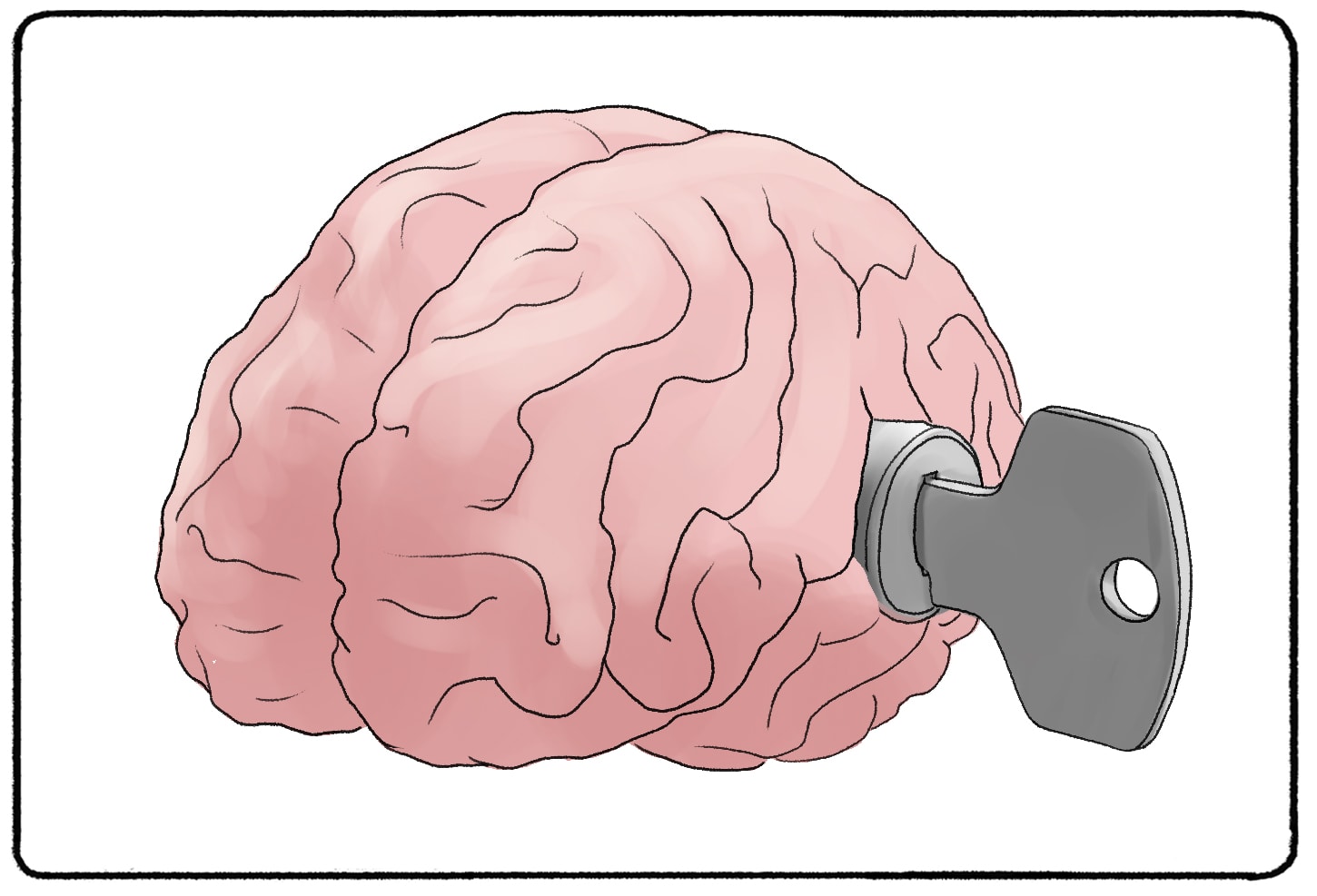
If you are new to NLP, let me explain what it means. NLP stands for “neuro-linguistic programming.” In some circles, NLP stands for “natural language processing.” Don’t get these two terms confused. While natural language processing does involve linguistics, it’s more for computer scientists who want to strengthen the abilities of artificial intelligence.
Neuro-linguistic programming focuses solely on communication within and around the self. When we think about “communication,” we probably think about the words exchanged between two people. But did you know that is only just a fraction of the communication that we engage in every day? Not only do we communicate with others nonverbally, but we also take information from the communication that we have with ourselves.
Think of all the times you sat around, waiting for someone to call you back. You resort to thinking about all of the mean things the person could be saying about you or telling yourself everything you did wrong in your last conversation with them. All of that communication that you are having with yourself is going to affect your mood, your confidence, and how you communicate with the person when they do give you a call.
NLP uses a set of tools and practices that help you recognize the communication that you might not have noticed in the past. Once you dive deeper into NLP, you can adjust your communication and habits to optimize every interaction you have with yourself and others. By understanding the foundational ideas of NLP and putting NLP’s tools into practice, you can improve your mood, reach your goals faster, and build deeper relationships with other people.
NLP practitioners go through training to use, apply, and strategize with the tools of NLP in their everyday lives. Many practitioners take this training to overcome phobias. Others want to learn to use NLP to be a better salesman, entrepreneur, or friend.
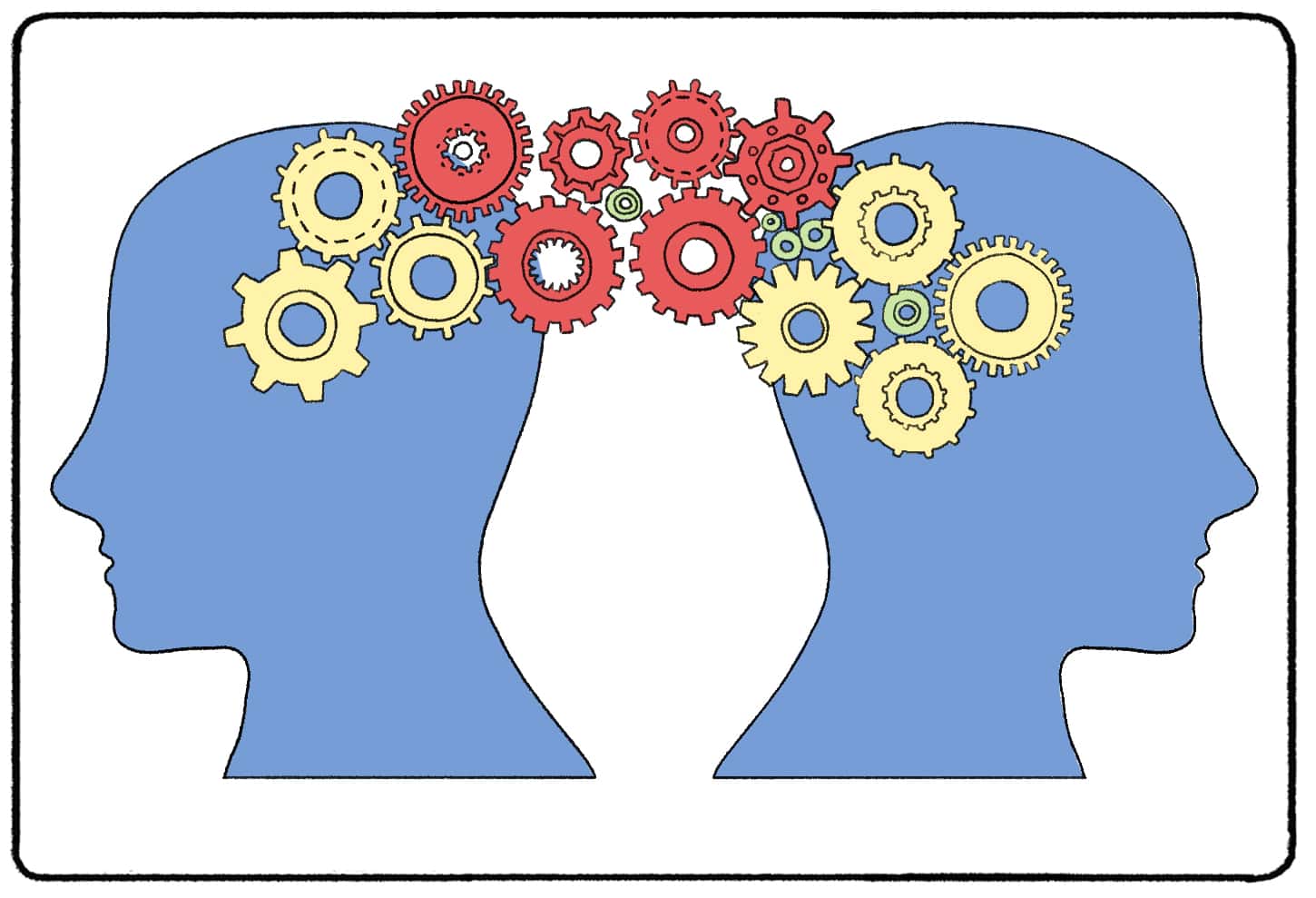
NLP sounds great, right? If you want to learn more about neuro-linguistic programming, you can become an NLP practitioner. This training process allows you to dive deeper into the ideas of NLP, maybe even learning from the psychologists who first discovered and developed these ideas in the 1970s.
NLP can be used to address many issues at work or in your social life, and NLP practitioners take those first steps to really target these problems using NLP.
Although you can use your certification to show that you are qualified to use NLP, becoming a practitioner is simply the first step in your journey.
Becoming an NLP Practitioner often serves as a foundational entry into neuro-linguistic programming. Here’s what you generally need to know:
While NLP offers a transformative toolkit for personal and professional development, it’s essential to approach your learning journey with diligence. Ensure you’re well-informed about course structures, durations, and requirements specific to the training provider you opt for.
Other Levels of NLP Training
Does your NLP Practitioner certificate mean that you are all-powerful in NLP? Not exactly. The 120 hours of NLP training may be just the beginning of your journey.
Once you become an NLP Practitioner, you can move on to the next level: NLP Master. This training allows you to tap into the unconscious mind and rework (or completely change) the beliefs within yourself and others. You will be able to see individuals more clearly, and may also get a much better understanding of specific tools like mediation or negotiation.
Moving up the ladder, you may want to teach others how to become NLP Practitioners and NLP Masters. At this point, you will want to train to become an NLP Trainer. NLP Trainers can build their businesses not only as a consultant but also as a trainer for other people interested in getting their NLP certification.
Many people pair these certifications with other qualifications. Life coaches, meditation teachers, reiki masters, and others find that their training as an NLP Practitioner opens the doors to more control over how they think, believe, and communicate, as well as the clients they can reach and the services they can provide.
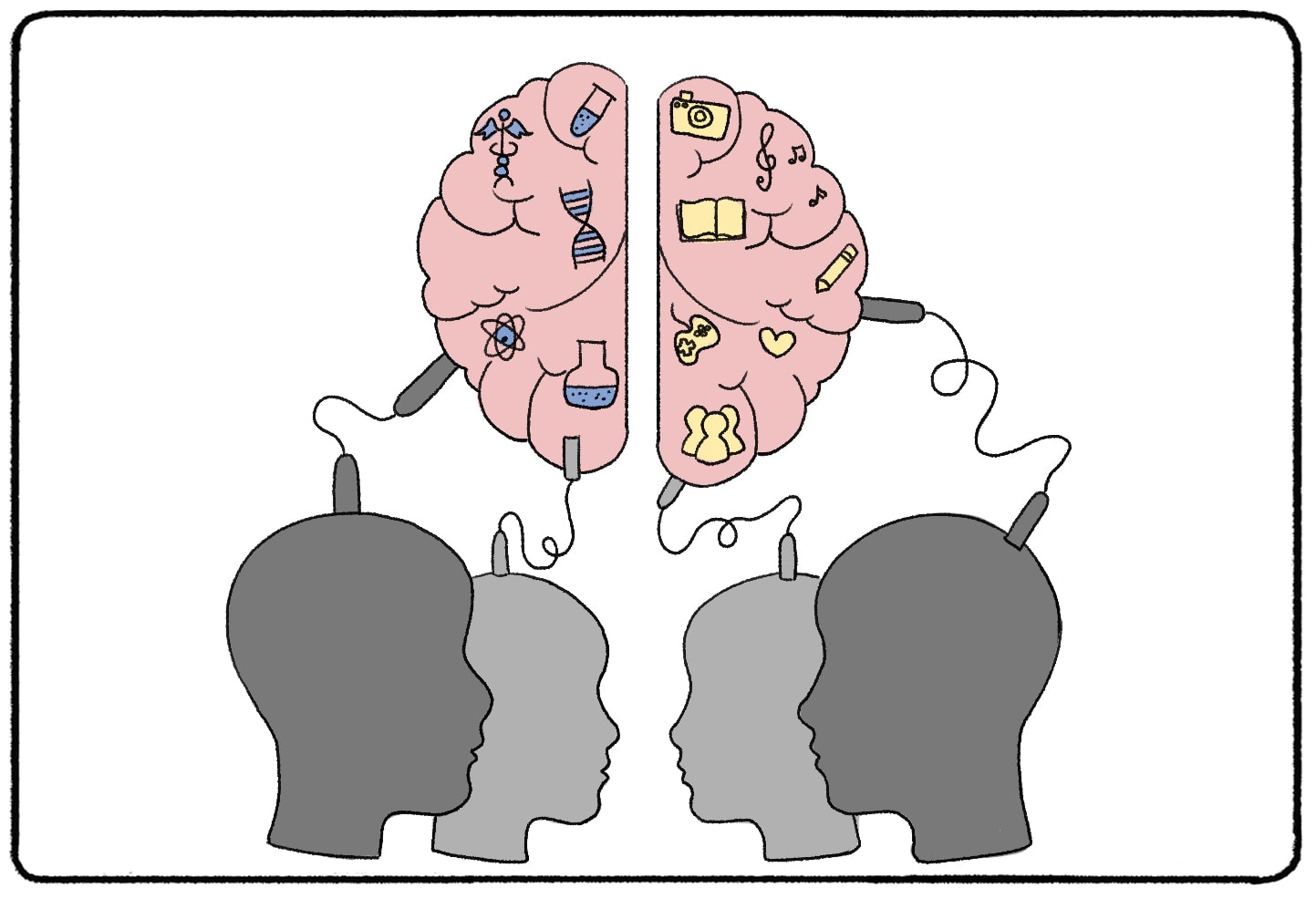
Those are many good reasons to start your NLP journey and become an NLP Practitioner! And the best part about this journey is that you can begin it today. Again, you do not need a base level of NLP or other skills to learn these tools.
Before you dive into a course, take some time to research it. Will you have to attend Zoom meetings or talk to people in person? Who are the trainers and coaches running the course? Can you reach out to other people who have taken the course, and how would they describe their path to becoming an NLP practitioner?
Related posts:Neuro-Linguistic Programming (NLP Definition + Examples)The Psychology of Long Distance RelationshipsOperant Conditioning (Examples + Research)Beck’s Depression Inventory (BDI Test)Variable Interval Reinforcement Schedule (Examples)
Related posts:
Reference this article:Practical Psychology. (2021, April).What is an NLP Practitioner?.Retrieved from https://practicalpie.com/what-is-an-nlp-practitioner/.Practical Psychology. (2021, April). What is an NLP Practitioner?. Retrieved from https://practicalpie.com/what-is-an-nlp-practitioner/.Copy
Reference this article:
Practical Psychology. (2021, April).What is an NLP Practitioner?.Retrieved from https://practicalpie.com/what-is-an-nlp-practitioner/.Practical Psychology. (2021, April). What is an NLP Practitioner?. Retrieved from https://practicalpie.com/what-is-an-nlp-practitioner/.Copy
Copy
