Every day, we perform simple tasks without even blinking an eye. We can tell someone to preheat the oven. We can give directions based on a map. If someone needs us to, we read aloud. But every time we need to complete one of these tasks, our brain is hard at work.
The ability to read, comprehend, and produce language is required for all of the tasks I just mentioned. Have you ever wondered how the brain does all of this, within seconds? In answering this question, neuroscientists discovered Wernicke’s area.

What Is Wernicke’s Area?Damage to Wernicke’s Area: Wernicke’s AphasiaWernicke’s Area Vs. Broca’s AreaHow Wernicke’s Area Is Viewed NowThere Is Still Research to Be Done
What Is Wernicke’s Area?
Damage to Wernicke’s Area: Wernicke’s Aphasia
Wernicke’s Area Vs. Broca’s Area
How Wernicke’s Area Is Viewed Now
There Is Still Research to Be Done
Carl Wernicke and Paul Broca were two European neuroscientists who studied where language development occurred in the brain. The areas of the brain that they “discovered” were highly regarded as the center for language development. This area is now known as Wernicke’s area.
Neuroscientists these days still have some questions about Wernicke’s area and Broca’s area, but it is still important to know about their theories. Wernicke’s area has also contributed to the diagnosis and treatment of multiple neurological disorders that still exist in patients today.
Who Discovered Wernicke’s Area?
Location of Wernicke’s Area
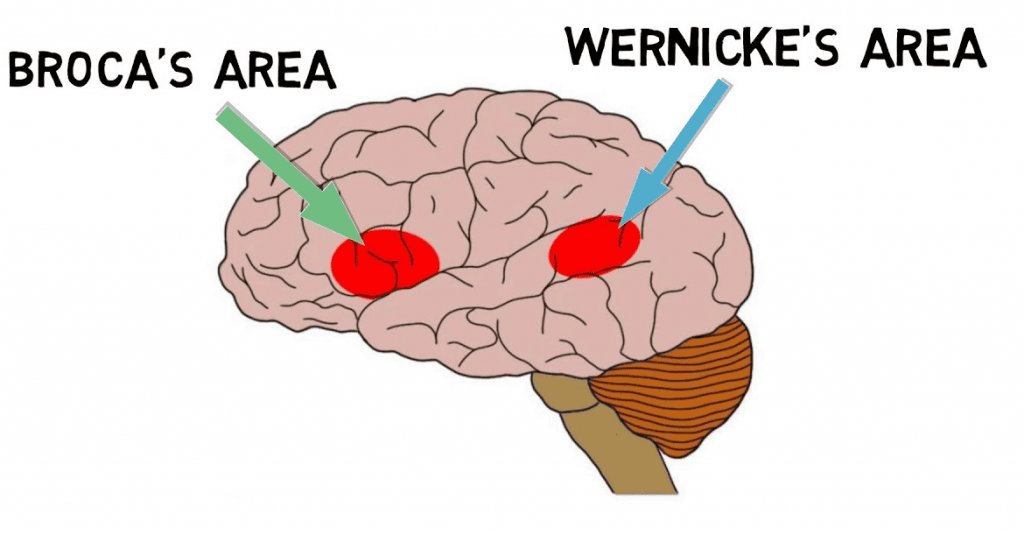
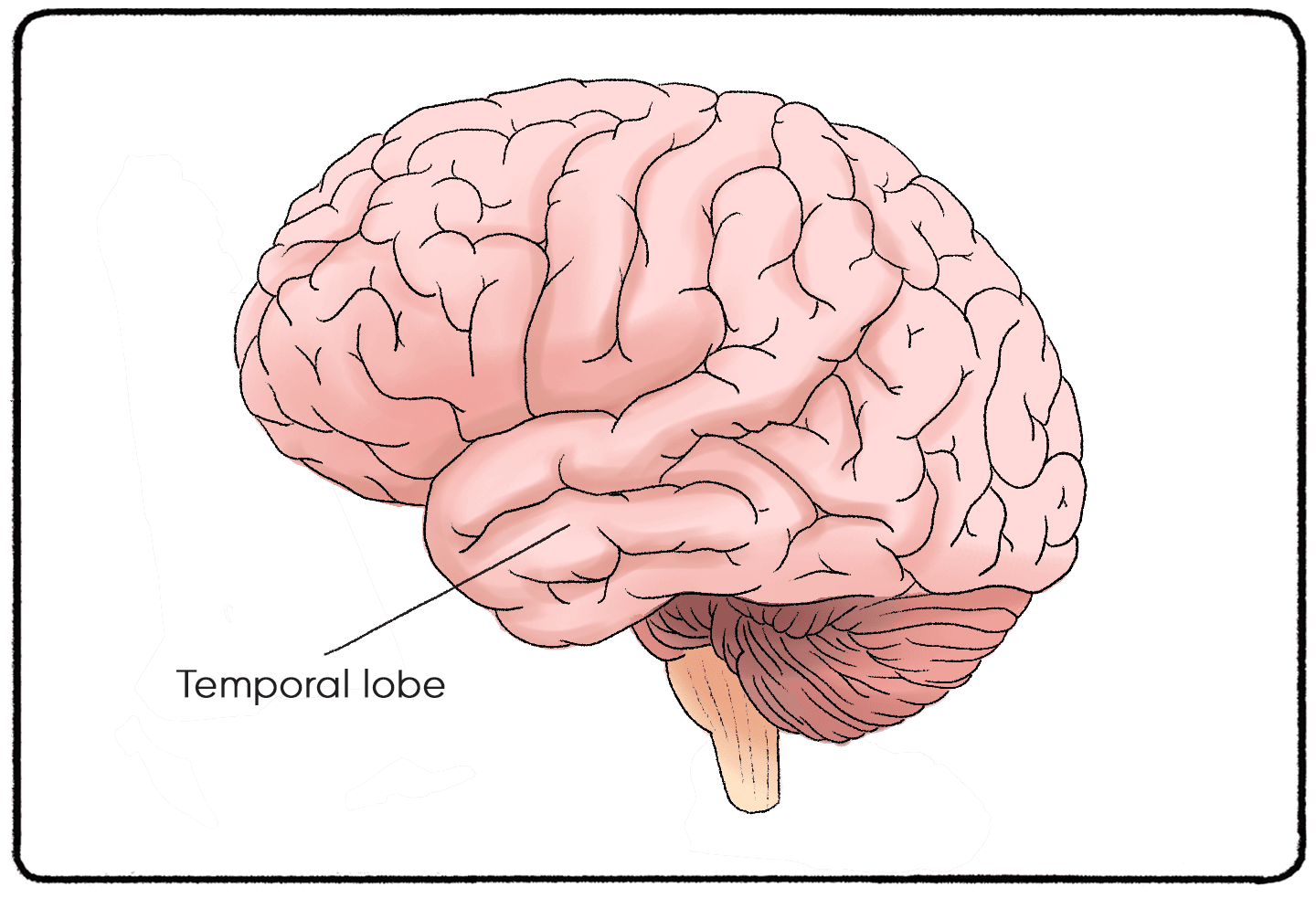
This part of the brain is located in the back of the temporal lobe on the left hemisphere of the brain. It appears between the primary visual cortex and the auditory cortex. Like many elements of Wernicke’s area, there is some debate over its precise location. The location may vary from person to person.
Function
Wernicke’s area is also known as the receptive language cortex. This name speaks to Wernicke’s theory on what this part of the brain does. It’s responsible for comprehending the speech that we hear. In addition to comprehension, this area of the brain also helps to plan out what a person is going to say. It’s important to know that once the speech is planned, the message still has to go to other parts of the brain before it is vocalized.
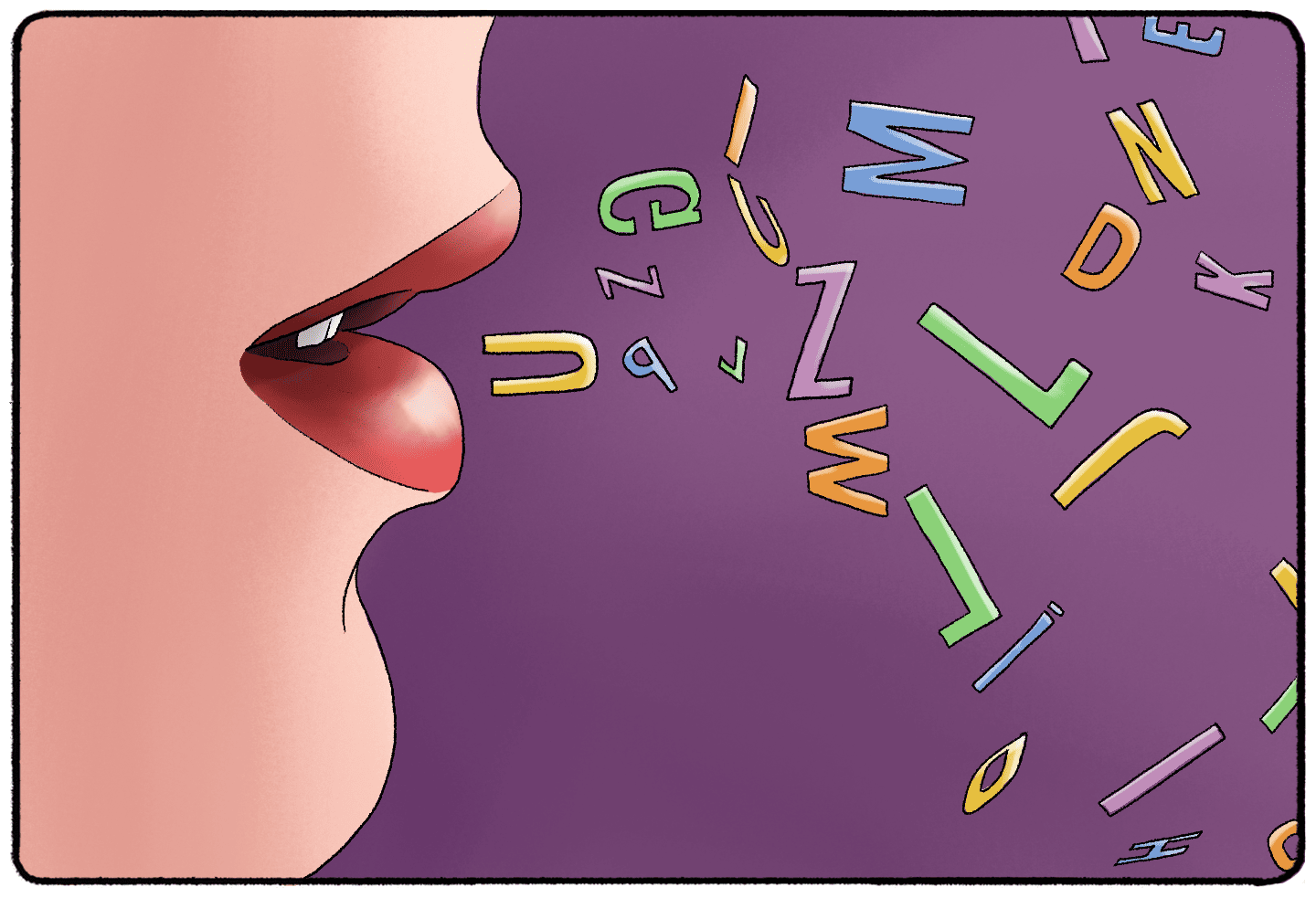
Someone with Wernicke’s aphasia has the ability to vocalize and produce sounds that resemble speech, but they don’t make sense. The sentence may have a familiar rhythm or tone, but nonsense syllables. A person with Wernicke’s aphasia may not be aware that their speech sounds so strange.
Wernicke’s Aphasia doesn’t affect our ability to vocalize. This is due to Wernicke’s early theory - the part of the brain known as Wernicke’s area strictly comprehends language. The area that tells the mouth to vocalize is known as Broca’s Area.
Broca’s area is located on the other side of the auditory and motor cortex.
Wernicke-Geschwind Model
Let’s break down this model and how it allows us to understand and produce speech:
If the process goes smoothly (which it normally does,) we can read something on paper and respond to it correctly.
Wernicke Encephalopathy
In addition to Wernicke’s Aphasia, a person may be diagnosed with Wernicke Encephalopathy (WE) orWernicke-Korsakoff Syndrome. Both conditions are neurological disorders that stem from a lack of vitamin B1. If WE occurs in a person who abuses alcohol, it may turn into Wernicke-Korsakoff Syndrome (WKS.)
The symptoms of WE and WKS could suggest that Wernicke’s area has a role in both language comprehension and production.
Symptoms of WE include:
These symptoms may become more prevalent or damaging as WE progresses into WKS. Symptoms of WKS include:
It is possible to treat patients with these disorders through thiamine therapy, if they are caught early enough. Without treatment, WKS may progress into alcohol-related dementia.
Experts believe that WKS is often missed. Many cases are discovered only after the patient has passed away. There is certainly a lot more research to be done in regards to Wernicke’s area and neurological disorders that may affect its functions.
Related posts:Broca’s Area (Function + Location)Auditory Cortex FunctionWhat Does the Thalamus Do?The Psychology of Long Distance RelationshipsBeck’s Depression Inventory (BDI Test)
Related posts:
Reference this article:Practical Psychology. (2020, April).Wernicke’s Area | Location and Function.Retrieved from https://practicalpie.com/wernickes-area/.Practical Psychology. (2020, April). Wernicke’s Area | Location and Function. Retrieved from https://practicalpie.com/wernickes-area/.Copy
Reference this article:
Practical Psychology. (2020, April).Wernicke’s Area | Location and Function.Retrieved from https://practicalpie.com/wernickes-area/.Practical Psychology. (2020, April). Wernicke’s Area | Location and Function. Retrieved from https://practicalpie.com/wernickes-area/.Copy
Copy
