Find an Online Psychology Program for You
Featured Online Psychology & Counseling Programs
In study after study looking at everything from US Department of Labor job growth and salary statistics, to diversity of employment opportunities and worker satisfaction, careers in psychology consistently show up among the top jobs. And in that group of careers related to psychology and social services, you’ll almost always find Substance Abuse and Behavioral Disorder Counselor; #2) School Psychologist and #3) Marriage and Family Therapist.

Job #1: Substance Abuse and Behavioral Disorder Counselor
The New York Times recently reported that drug-related overdoses had almost doubled in recent years. With that number continuing to escalate, the need for professionals in the field of addiction counseling will also become prevalent. Two factors contribute to the desirability of this career: #1) The Affordable Care Act requires insurance companies to provide coverage for addiction treatments and #2) The legal system has shifted from a punishment model to a solution-oriented one. Instead of receiving incarceration sentences, the courts are sending addicts into treatment programs. The combination of these 2 factors have been a source of facilitation for the career demand.
The median salary is $49,710 and the number of job openings expected during the ten-year period leading up to 2031 is projected to be 43,600, a number that includes openings that result from both new job being created and normal turn-over due to retirement and changes in job title. That works out to a 22% job growth rate, much faster than the national average.*
RELATED SUBSTANCE ABUSE ARTICLES
Meet Drug Abuse Counselor: Andrew J. Assini
Andrew Assini is a psychology professor, licensed drug and alcohol counselor and mental health professional. He works mainly with young adults and adolescents; he is also a recovering addict who has been clean for almost 10 years. In addition to his other duties, Assini speaks candidly to prison inmates about his own history with using drugs. Using humor to spread his message, he recounts his moment “of clarity” when he realized his life had to turn around. He describes being in an orange jumpsuit, curled in a ball, detoxing in a county jail.

Assisni’s experience with drugs, alcohol and the legal system is the norm, not the exception. Many facilities require drug and alcohol counselors to be recovering alcoholics or addicts with at least 2 years sobriety. The theory behind the requirement is simple; no one can get through to an alcoholic or addict unless they have walked the same road and recovered their lives. Assini’s unique qualities as a counselor stem from his belief in and the practice of yoga for healing.
“I like Eastern stuff—you know, hippy dippy, ‘be one with everything’ type of stuff. I’d always loved it; I even used it to justify my behaviors before. I was sitting on the couch one day, high, as usual, doing nothing. My mom came home and was like “why aren’t you doing anything?” I told her ‘Mom, doing nothing is doing something.’
Today Assisni resides in Glassboro, New Jersey, and is the owner of “Samma Vayama Well Being: A Center for Awakened Living”
Job #2: School Psychologist
The #2 job, school psychologist, has a higher median salary, lower unemployment rate and a larger projected rate of career growth than the #1 career. However, the salary difference is directly correlated to the amount of education and degrees required for the job. The school psychologist position is for individuals with a doctorate; the abuse counselor position has no such requirement.
The median salary for a school psychologist is $81,500 as of 2022. The job growth rate for the broader Bureau of Labor Statistics category for all psychology professions, including school psychologists, is 6% over the ten-year period leading up to 2031. *
“The school psychologist provides support and services to students, staff and patrons in all areas of student learning, development, emotional growth and behavior. The School Psychologist performs expert assessment of student needs as well as the determination of the services, methods and instruments necessary to address identified areas of need.”
Removing the universal language of its next section of the employment description; the actual duties of the job include: frequent travel between multiple work sites; psychological assessments and written reports; crisis intervention; conducting parent and teacher consultations; assisting school with making educational decisions (ie. IEP-Individual Educational Placement); leading individual and group counseling sessions; competent use of computer technology; having 8 hours of stamina for student instruction and supervision; knowing and following Board policies, state and federal laws and maintaining relevant student, parent and staff confidentiality.
Learn more aboutschool psychology careers.
Meet a School Psychologist: David Lochner
David Lochner is a school psychologist at the Institute of Technology at Syracuse Central in New York. Interestingly, when he describes the duties of his position and experience over the previous 24 years, what he shares is very close to the Oregon job description.
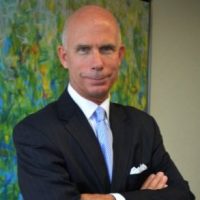
“I’ve been a school psychologist for 24 years. I am responsible for getting a lot of students through school, especially those with Individualized Education Programs (IEPs). I take their assessments; talk to their teachers about programming; try to help them with their problems with other kids or teachers and so on. I also keep track of a lot of paperwork. The most exciting part of my job is to see students be successful—to see kids who have struggled with school and knowing their backgrounds; to watch them walk the stage and graduate. What’s even more exciting is to see kids 10 years later when they’re young adults with families. To see them still doing well and being productive (sometimes they even apologize for giving me a hard time when they were in middle school or high school) well, that’s particularly exciting. The worst part of my job is keeping up with the paperwork that needs to be done.”
Job #3: Marriage and Family Therapist
The median salary for MFTs in 2022 was $56,570, and the projected job growth rate for the ten-year period leading up to 2031 is 14%. Through a combination of new jobs being added and normal turn-over in the field, some 6,400 MFT jobs are expected to become available each year in that ten-year timeframe.
One of the job benefits of the MFT is that when in private practice, the therapist can determine their own work days and hours. Scheduling flexibility is one of the characteristics most important to people when they consider their career prospects, and that’s a benefit that MFTs definitely enjoy, particularly those working in private practice.
RELATED MFT ARTICLES
Meet a Marriage and Family Therapist: Laurel Wiers
Laurel Wiers is an MFT, licensed in the state of Connecticut. She specializes in the issue of infidelity and is the author of the book “Betrayed not Broken” as well as the founder of TherapyDiva.com. We asked Laurel to share with us a little about herself and her practice.

LW: I graduated with a BS In Communication Disorders but never moved on to graduate school; I had a double major which the other was in psychology. After working 2 years in the real world I wanted to go to grad school as I had originally intended but not for communication disorders. Decided to do marriage and family therapy. I started at a school in CT with a big program and many students. I left for a smaller one, more intimate in NC. Best decision I ever made. I interned at Duke Medical Center as a counselor to terminally ill patients. When I graduated I right away entered into a private practice.
CIP: What tips could you offer for those aspiring to a career as an MFT?
LW:My tip would be to trust yourself and your abilities and reach out for your dream job. Don’t settle early on thinking you don’t have what it takes for the bigger job. While an undergraduate really look at all the different types of psychology to be studied and attend to what interests you. Social psych? Neuro psych? etc. It helps with grad school choices and career path. As a graduate student, read as much as you can. Programs can’t teach it ALL so enhance your education with books on topics not covered.
CIP: What would you say is special about your practice?
LW:My practice is special because we integrate clients spirituality and beliefs into out work with them.
Summary
*2022 US Bureau of Labor Statistics salary figures and job growth projections forsubstance abuse counselors,school psychologists, andmarriage and family therapistsis based on national data, not school-specific information. Conditions in your area may vary. Data accessed June 2023.
Related ArticlesEmployment Outlook & Career Guidance for Substance Abuse CounselorEmployment Outlook & Career Guidance for Army Mental Health SpecialistsHolistic Counseling on the RisePreparing for a Private Counseling PracticeWhy Virtual Reality Is Set to Transform Mental Health TreatmentTop Places to Work as a CounselorEmployment Outlook & Career Guidance for Rehabilitation Counselors
Related Articles
Related CareersSubstance Abuse Counselor CareerGeriatric Counseling CareerMental Health Counselor CareersCrisis Intervention Specialist CareersSuicide Counselor Careers
Related Careers