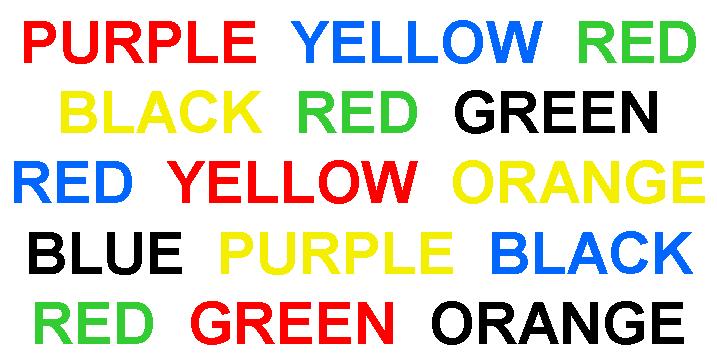
You might have seen this exercise before in a workbook or museum. You see a list of colors, but each word is also a different color. For example, the word “red” might be written in blue font, or the word “yellow” might be written in purple font. The exercise says you must go through the list and say the font color, not the word written before you.
This isn’t easy! Most people experience a delayed reaction while trying to complete this activity. They are also more likely to get answers wrong than if they had to read the words aloud.
This test is called “The Stroop Test.” The paper describing the test, as well as The Stroop Effect, is one of the most famous papers in psychology.

What is the Stroop Effect?Reasons Behind the Stroop EffectUtilizing the Stroop Effect in NeurorehabilitationVariations of the Stroop EffectRelated posts:
What is the Stroop Effect?
Reasons Behind the Stroop Effect
Utilizing the Stroop Effect in Neurorehabilitation
Variations of the Stroop Effect
Related posts:
The Stroop Effect is a phenomenon that describes delayed reaction time that occurs when the brain is faced with two different types of stimuli. Reading the word and recognizing the color “race” through the brain helps us complete the task.
Unfortunately, in the original Stroop test, it is believed that our minds read words faster than they recognize colors. We may flub or accidentally say the word on the page rather than the color of the word because we read the word first.
This phenomenon is named afterJohn Ridley Stroop, although some experts say he is not the man who discovered it. Stroop conducted experiments with participants, including the Stroop Test I mentioned earlier, and shared his findings in 1935. After his experiments showed that participants spent a longer time recognizing color names when they didn’t match up with the words on the screen, psychologists created different versions of the experiment and theorized why this phenomenon exists.
There are a few theories as to why we have a hard time recognizing the colors in the Stroop Test.
One common theory is that our brains process words faster out of habit. This theory is that of thespeed of processing theory.It just takes longer to recognize and name colors.
Another theory has looked at the possibility ofparallel distributed processing.When we learn different information, we create pathways in our brains. Some of these pathways are stronger than others. Psychologists believe that the pathways we’ve created to process the meaning of words may be stronger than the ones we’ve created to identify colors.
Other psychologists say that the delayed response comes from the fact that our brains automatically start to process the meaning of the words before us but don’t do the same with the font color. This is theautomaticitytheory. When we see words in front of us, we automatically read them. We don’t do the same when we see colors in front of us. Wouldn’t it be exhausting to look around the room and process and name all of the colors you see in front of you? You don’t look at the grass and think “green”, however, when you open a book, you say the words in your head.
Do you think someone who did not know how to read (or did not know how to read in English) would be able to name the colors of the fonts faster?
Yet another theory goes back to a phenomenon that we described in an earlier video. Theselective attention theorydescribes how our brain decides what information is important to pay attention to. When we take in stimuli, we “filter” or “turn down the volume” out the stimuli that do not need our attention. But what happens when we filter out the wrong information and have to go back and look at the stimuli again?
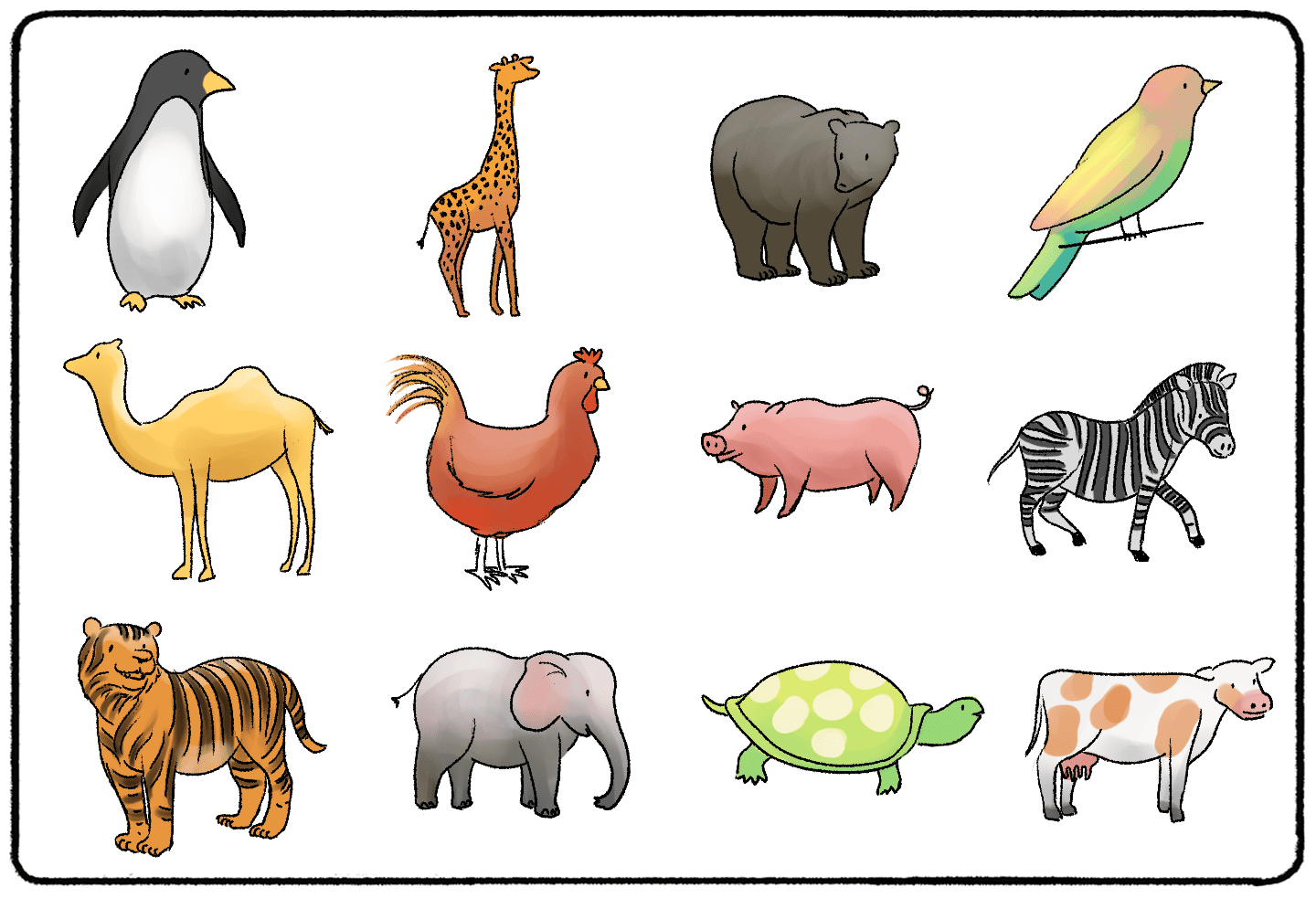
The Stroop Effect, beyond its significance in cognitive psychology and its demonstration of the interplay between attention and automaticity, has therapeutic potential, especially in neurorehabilitation. Here’s how the Stroop Effect can be utilized to assist stroke patients and those with brain injuries:
While the Stroop Effect is an intriguing cognitive phenomenon, its implications far beyond mere academic interest. By harnessing the principles underlying the Stroop Effect, clinicians can devise innovative therapeutic strategies to aid in the recovery and rehabilitation of stroke and brain injury patients. As with all therapeutic tools, the effectiveness of the Stroop Test in rehabilitation should be continually assessed and tailored to individual patient needs.
The Stroop Effect continues to be one of the more fascinating and fun phenomena for psychologists, young and old. Many psychology students have tweaked the original experiment to show how the brain might get confused or work more slowly when faced with similar challenges.
One of my favorite variations of this experiment is to change the list of words to words that aren’t colors. Examples are the word “microphone” in red font or the word “suitcase” in blue font. The directions are the same: list the font colors rather than the word.
This can be even more frustrating than the original Stroop test!
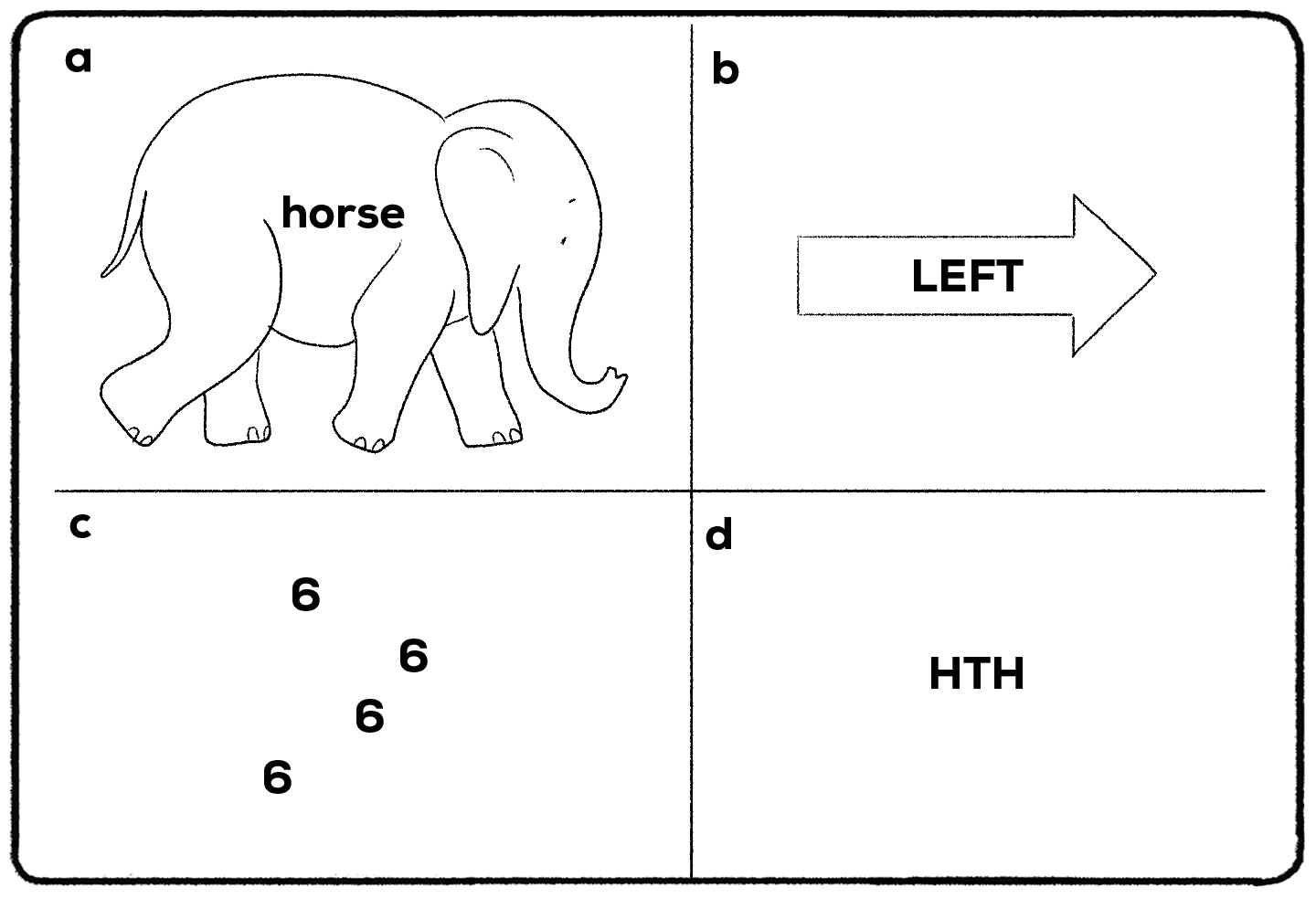
Get creative and make some of your versions of the Stroop test. Use different font colors, images, font sizes, or other types of stimuli to trick the brain and stump participants (if only for a moment.) Who knows, maybe you’ll uncover a different side to the Stroop effect that hasn’t been introduced to psychology before!
Related posts:The Psychology of Long Distance RelationshipsOperant Conditioning (Examples + Research)Beck’s Depression Inventory (BDI Test)Attention (Psychology Theories)Variable Interval Reinforcement Schedule (Examples)
Reference this article:Practical Psychology. (2019, August).The Stroop Effect.Retrieved from https://practicalpie.com/the-stroop-effect/.Practical Psychology. (2019, August). The Stroop Effect. Retrieved from https://practicalpie.com/the-stroop-effect/.Copy
Reference this article:
Practical Psychology. (2019, August).The Stroop Effect.Retrieved from https://practicalpie.com/the-stroop-effect/.Practical Psychology. (2019, August). The Stroop Effect. Retrieved from https://practicalpie.com/the-stroop-effect/.Copy
Copy
