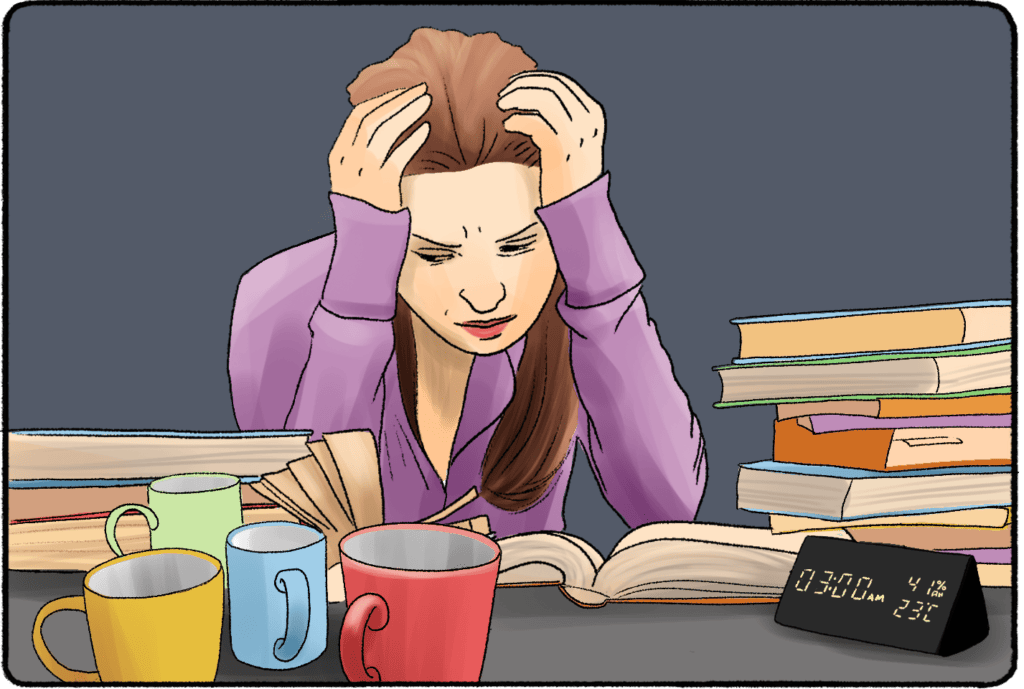
There is one word that college students know better than anyone else. It has nothing to do with fraternities or dorm rooms or beer pong. It’scramming.Staying up until the early morning hours, cramming as much information as possible into your memory so you can recall it for a big exam the next day. This is the exact opposite of the Spacing Effect.
What Is The Spacing Effect?Example of the Spacing EffectWhy Does The Spacing Effect Work?Who Invented the Spacing Effect?Related posts:
What Is The Spacing Effect?
Example of the Spacing Effect
Why Does The Spacing Effect Work?
Who Invented the Spacing Effect?
Related posts:
The Spacing Effect is the idea that when you commit to learning information over a long period of time, you are more likely to retain more of that information. Aspaced presentationis more effective for learning than amass presentation.
 a woman stressed out over cramming
Thisgraphic on Redditdemonstrates the difference between the Spacing Effect and cramming, suggesting that the former leads to better test scores than a single, intense cramming session.
Many college students claim that cramming works for them. They procrastinate because they believe they can. All their study time is reserved for the night (or even mere hours) before a test.
But science says that cramming doesn’t exactly work. When you look at the Spacing Effect, it becomes clear that cramming won’t set you up for success, especially if you want to retain the information past the hours when you’re in the exam room.
As much as college students love to cram information before a test, the Spacing Effect makes a lot of sense. Here are a few reasons why.
The two main reasons that cause the spacing effect seem to be related to how we store memories. Remembering information, after all, is simply storing and retrieving it inlong-term memory.
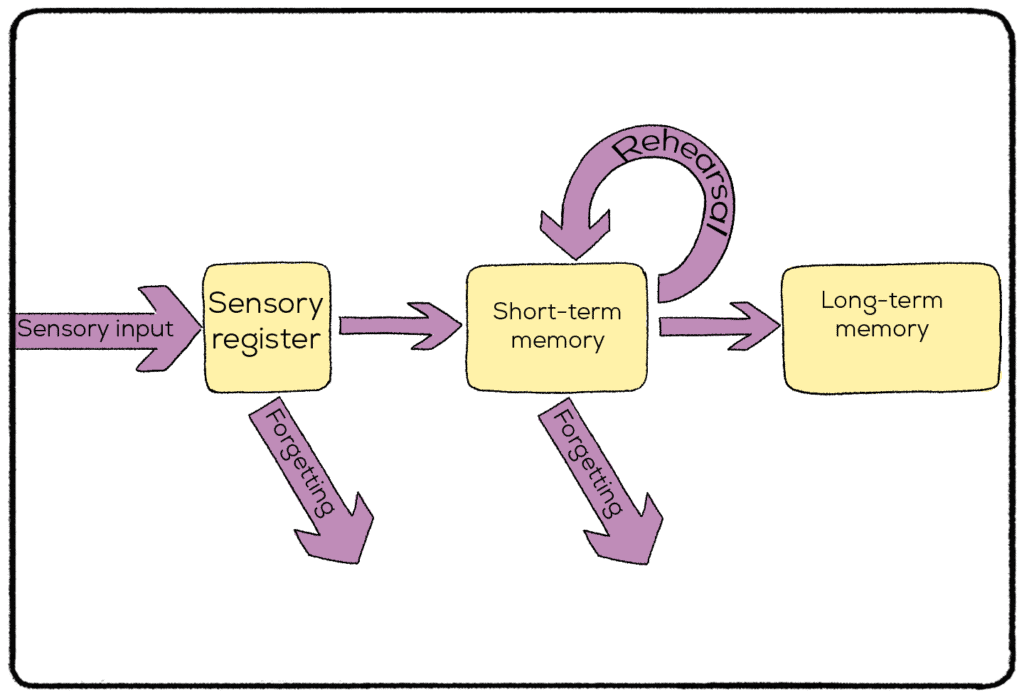
When we cram, the information isalwaysfresh in our minds. It’s easy to recall the information when we quiz ourselves because wejustlearned it. However, moving information from short-term memory to long-term memory requires time.
A spaced presentation means you must return your focus to the information multiple times. You have to recall the information you previously learned, repeat it (and similar, relevant information), and take a second look at it. This repetition and renewed focus play a significant role in the effectiveness of the Spacing Effect.
Studying information multiple times also gives your brain more ways to recall the information. The information you learn in the library may be forgotten in the exam room. But the information you learn in the library, with friends in your dorm, with a tutor in the student center, etc., offers more ways to contextualize the information and more chances for different stimuli to encourage recall.
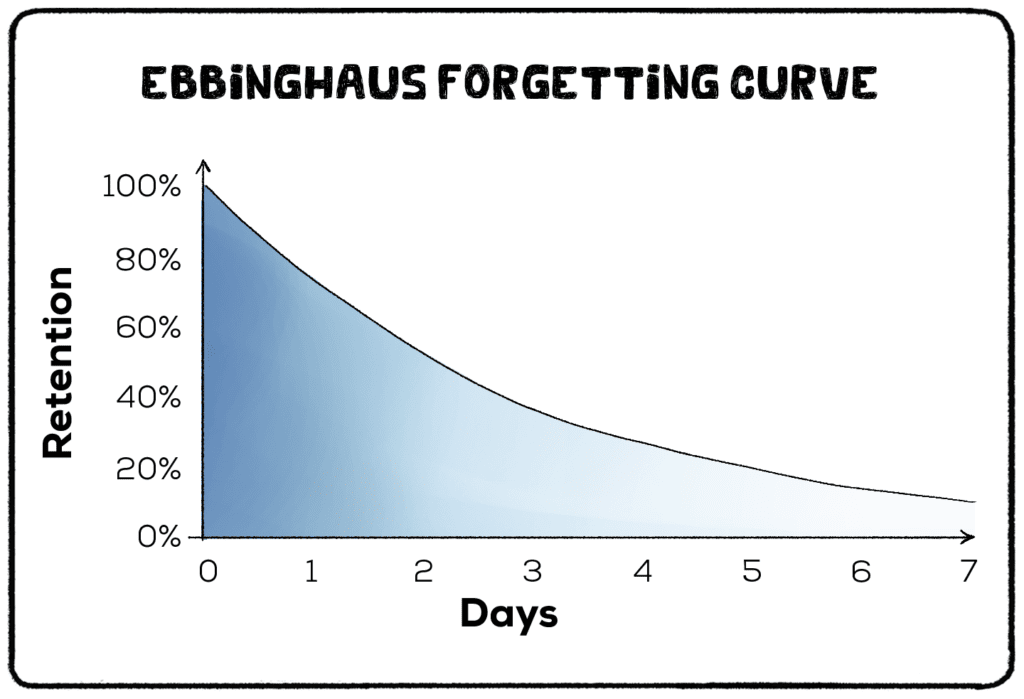
The man behind the Spacing Effect is none other than Hermann Ebbinghaus. This German psychologist is the man behind some of the most fundamental phenomena in learning and memory.
Applying the Spacing Effect to Study Habits
If the Spacing Effect is more effective than cramming, how can one apply it practically to improve study habits?
Study Regularly with Breaks:Instead of dedicating 5 consecutive hours in one day, spread that time over a week. Study for an hour, take a short break and switch subjects or topics. This optimizes your ability to retain information and helps reduce burnout.
Flashcards and Active Recall:Use flashcards to test your knowledge over extended intervals. Apps like Anki or Quizlet use algorithms based on the spacing effect. When you get a flashcard right, it pushes the card back further in the review cycle, ensuring you review it right around when you’re about to forget it.
Varied Learning Environments:Study the same material in different environments — the library, a coffee shop, your room. Different settings can provide unique associations, making the information more accessible to recall.
Integrate Information:Try interlinking information instead of studying topics in isolation. This form of contextual learning, combined with spaced repetition, can enhance understanding and memory retention.
Teach Someone Else:The best way to learn is to teach. After studying, try to teach the content to a friend or yourself out loud. This reinforces the material and helps you identify areas you might be weak.
Avoid Multitasking:Focus on one subject at a time while studying. Multitasking can harm the spacing effect as it interrupts the structured study intervals.
Evidence in Modern Times:Technology has made the application of the Spacing Effect even more accessible. Numerous studies have shown that students using spaced repetition software, like Anki or Memrise, outperform peers in tests. These platforms base their algorithms on spacing out card reviews, emphasizing the facts you don’t remember as well.
While cramming might offer a short-term solution, the Spacing Effect is the superior method for long-term retention and genuine understanding of the subject. By applying these techniques, students can optimize their study patterns, leading to better performance and less stress.
Related posts:The Psychology of Long Distance RelationshipsShort Term MemoryBeck’s Depression Inventory (BDI Test)Operant Conditioning (Examples + Research)Variable Interval Reinforcement Schedule (Examples)
Reference this article:Practical Psychology. (2019, August).The Spacing Effect in Learning and Retention.Retrieved from https://practicalpie.com/spacing-effect/.Practical Psychology. (2019, August). The Spacing Effect in Learning and Retention. Retrieved from https://practicalpie.com/spacing-effect/.Copy
Reference this article:
Practical Psychology. (2019, August).The Spacing Effect in Learning and Retention.Retrieved from https://practicalpie.com/spacing-effect/.Practical Psychology. (2019, August). The Spacing Effect in Learning and Retention. Retrieved from https://practicalpie.com/spacing-effect/.Copy
Copy
