Who is the most famous psychologist of all time?
The answer is subjective, but most would say Sigmund Freud. You’ve probably heard of him before. Or maybe you’ve heard the term “Freudian slip.” It’s the moment when you accidentally say something that you might have been meaning to say all along. This is one of the key concepts in psychoanalysis and psychodynamic theory.
What Is The Psychodynamic Approach?History of Psychodynamic ApproachBasics of Psychoanalytic TheoryPsychodynamic Approach ExperimentsOther Theories Within Psychodynamic ApproachInfluence of Psychodynamic ApproachIs Psychodynamic Theory Used Today?
What Is The Psychodynamic Approach?
History of Psychodynamic Approach
Basics of Psychoanalytic Theory
Psychodynamic Approach Experiments
Other Theories Within Psychodynamic Approach
Influence of Psychodynamic Approach
Is Psychodynamic Theory Used Today?
Psychodynamic theory attempts to explain why we do the things we do and why we are the persons that we are. It has widely influenced the way that we treat mental conditions and look at development. But is it valid, or based on misinterpretations? Let’s explore.
People often use “psychodynamic” and “psychoanalytic” theory interchangeably. While psychodynamic theory certainly includes Freud’s theory on psychoanalytic, there is a lot more to the overall theory. Psychodynamic theory includes Freud’s work and the work of his followers.
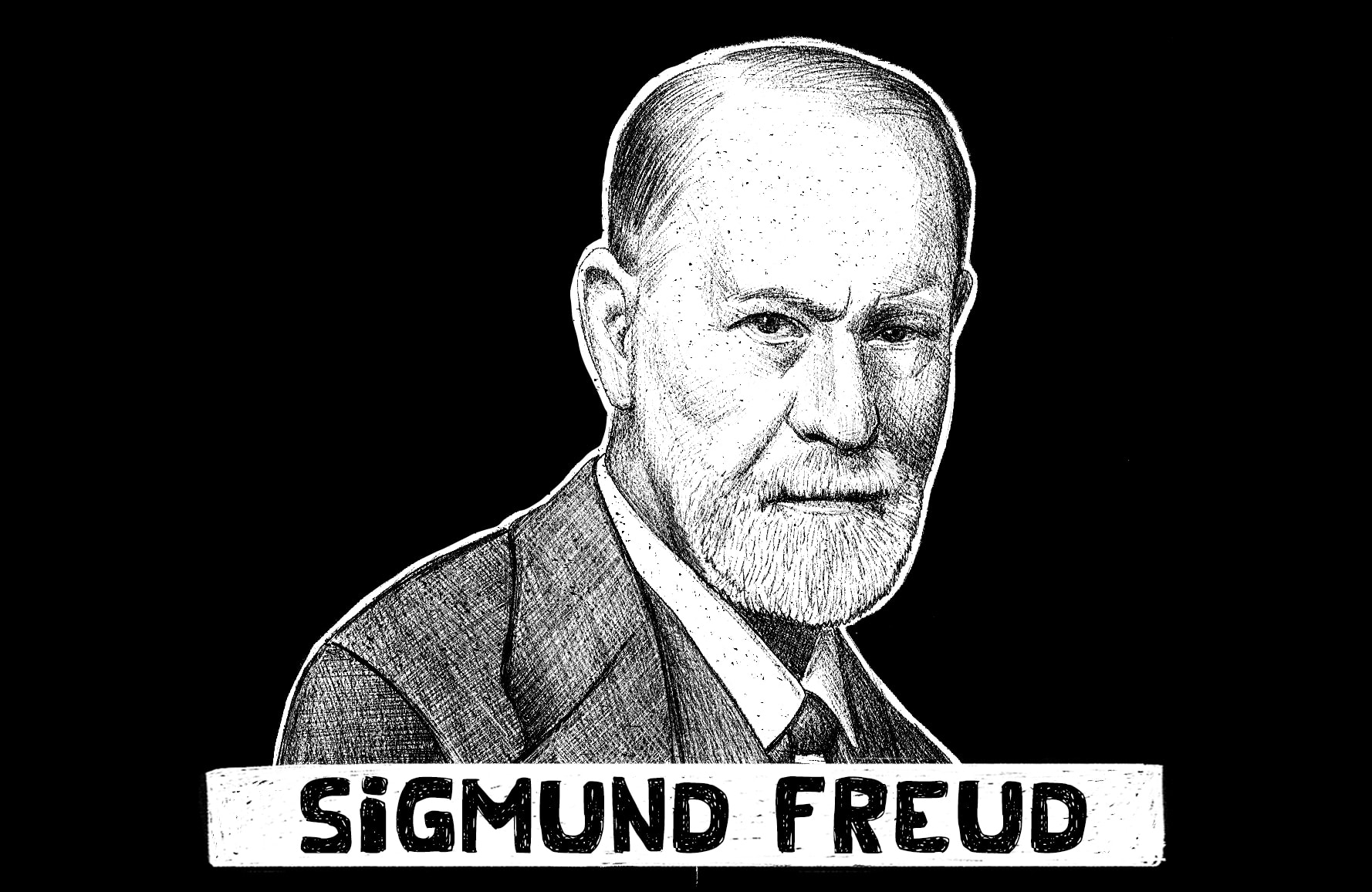
Sigmund Freudwas a therapist that gathered case studies and information from patients in the early 1900s. His work laid out the basic ideas of psychoanalytic theory, including the three elements of our personality, and the role of the unconscious mind.
 Sigmund Freud
Personality: Ego, Id, and SuperEgo
The Unconscious Mind
The superego and the id make up the unconscious mind. It’s the inner workings that we do not recognize. Freud believed that the unconscious mind was responsible for most of the decision-making process.
Within the unconscious lies past events from our childhood that strongly influence the way that we view the world and make decisions. We may not remember these childhood events, but our unconscious has held onto them and is the driving force behind our decisions.
One of the ways that the unconscious “comes to the surface” is through the Freudian slips I mentioned earlier. Let’s say you are in a conversation with a friend about dating preferences. You mean to say “I want to date a boy who likes fitness,” but you accidentally say, “I want to date a girl who…” At that point, you might stop yourself. Why did you say girl? You meant boy!
Freud would argue that your unconscious mind has some feelings about dating that you might not have consciously addressed yet.
Stages of Psychosexual Development
Freud also presented a theory of how we develop “flaws” in our personality, or “fixations.” His stages of psychosexual development lay out different erogenous zones that influence our personality at different ages. If we experience conflict or trauma during that stage, we may develop a fixation that associates with that erogenous zone.
If you’ve watched any of my videos on developmental psychology, you know that there are a few different theories that involve stages of development.Erikson’s Stages of Psychosocial Development, for example, outlines the many “crises” that people face from the time they are born to the moment they die. These crises, and whether or not they can be overcome, shape our personality.
All of the theories within the Psychodynamic Approach stem from the idea that the unconscious mind controls many of our conscious thoughts, decisions, and behaviors. But many psychologists disagreed with elements of psychoanalytics.
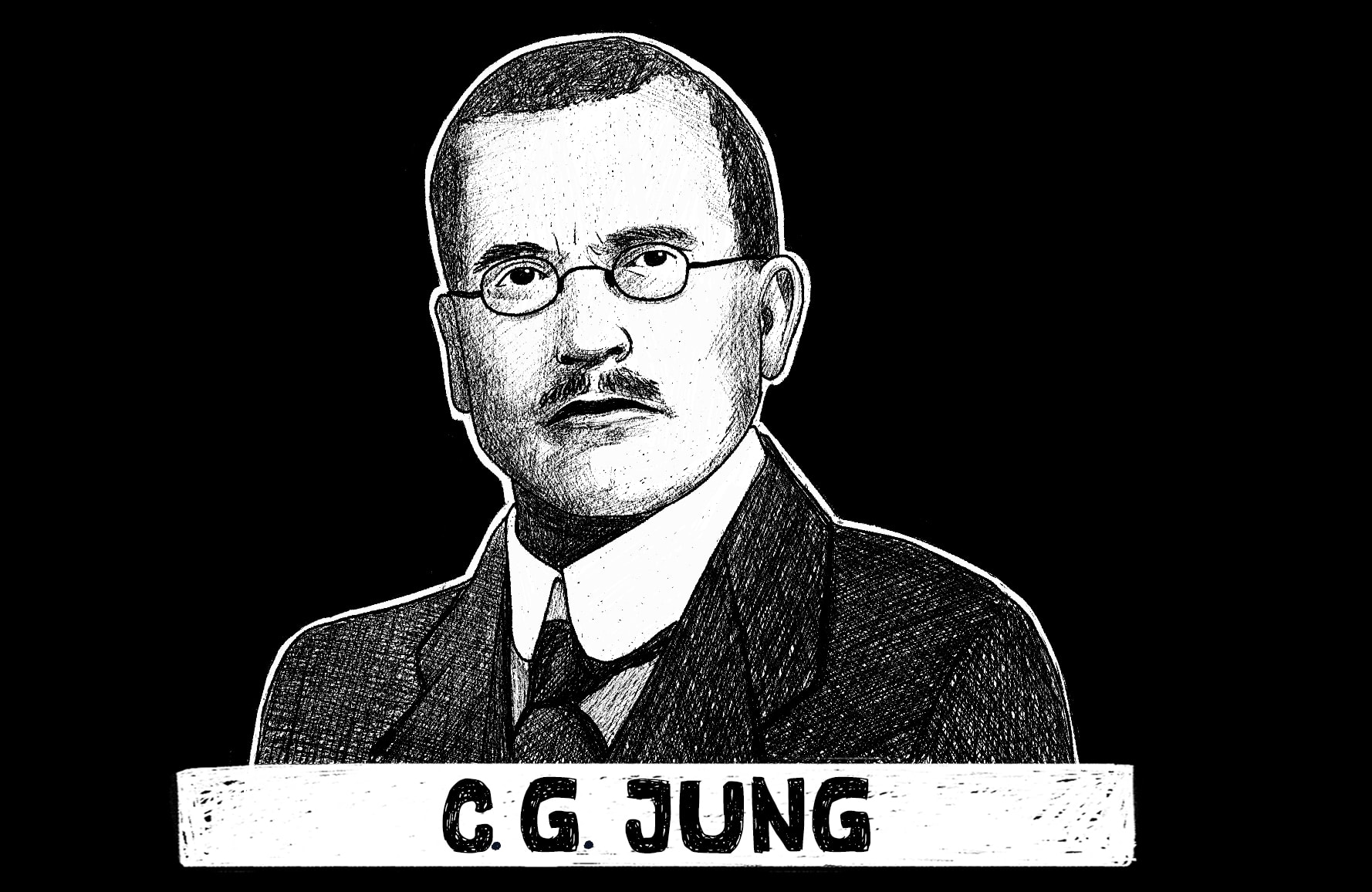
Carl Jung, for example, didn’t agree with Freud’s heavy emphasis on sex. Jung developed the theory of the collective unconscious.
Both object relation theory and attachment theory stemmed from psychoanalytic theory, but they place different emphasis on the importance of the parent-child relationship.
Freud was a controversial character. His theories came to sexist conclusions and some of his theories have been disregarded completely. (His book on dream interpretation is a wild ride!)
Reducing our personalities to three parts, and reducing our sexual development to five stages, is also quite controversial.
Talk Therapy
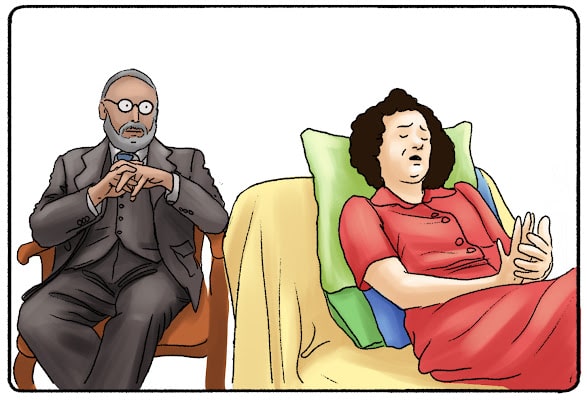
Freud’s “Talking Cure” involved dream interpretations and word association. While you don’t see many therapists practicing this today, you will see the influence of Freud.Talk therapyis used today to help patients overcome phobias, process trauma, or manage symptoms of anxiety and depression. Many approaches, like the famous Imago Therapy, focus on the patient’s relationship to their parents and how it influences the patient’s relationship to their significant other. If you visit a therapist today, it’s likely that they’ll ask you about childhood experiences at some point during your next few sessions.
No theory in the world of psychology is perfect. We are still looking for many answers on how we make decisions and behave. But if you’re interested in diving deeper into the influence of the unconscious, the psychodynamic approach is a good place to start.
Related posts:Psychoanalytic Theory of PersonalityOverview of Personality TheoriesUnconscious Mind (Definition + Purpose)The Psyche in PsychologyConsciousness
Related posts:
Reference this article:Practical Psychology. (2020, April).The Psychodynamic Approach.Retrieved from https://practicalpie.com/the-psychodynamic-approach/.Practical Psychology. (2020, April). The Psychodynamic Approach. Retrieved from https://practicalpie.com/the-psychodynamic-approach/.Copy
Reference this article:
Practical Psychology. (2020, April).The Psychodynamic Approach.Retrieved from https://practicalpie.com/the-psychodynamic-approach/.Practical Psychology. (2020, April). The Psychodynamic Approach. Retrieved from https://practicalpie.com/the-psychodynamic-approach/.Copy
Copy
