

The mind body debate tries to answer the question: are the mind and body separate or one and the same?
This page will define the main types of dualism and monism, and how these ideas contribute to the Mind Body Debate. I’ll also briefly touch onwhythis debate is so important today, both in everyday life and when we look at larger ideas.
Let’s get started.
What Is Dualism?What Is Monism?How Does This Fit Into Psychology?Why Is This Debate Important?Other Debates in PsychologyBooks About the Mind-Body DebateQuotes About the Mind-Body Debate
What Is Dualism?
What Is Monism?
How Does This Fit Into Psychology?
Why Is This Debate Important?
Other Debates in Psychology
Books About the Mind-Body Debate
Quotes About the Mind-Body Debate
Substance Dualism
Descartes’ ideas (or Cartesian dualism) is also known assubstance dualism.Substance dualism completely separates the mental from the physical. Descartes also believed that humans were the only creatures with a physical and mental existence that worked together.
Property Dualism
Descartes existed in the 1600s - we’ve come a long way since then. Other forms of dualism have entered this overall debate. The most notable isproperty dualism.Property dualism somewhat blends the idea of monism and dualism. This theory states that there is just one type of substance: the physical substance. Physical substances, however, have physicalandmental properties.
Dualism is not the only approach to the Mind Body Debate. Many believe that the mind and the body arenotseparate. Mental and physical worlds arenotseparate. They exist together. These ideas are calledMonism.
There are two approaches to monism. One ismaterialism.Materialism is the idea that all things are a part of the physical world. Our thoughts and cognitive processes are simplyfunctionsof the physical brain that exists in our heads. Without a working mind, these mental processes simply wouldn’t exist. This approach is very similar to the ideas ofphysicalism.
But what ifeverythingexisted only in the mental world? That is the idea behind phenomenalism. Phenomenalism (or Subjective Idealism) states that everything, including the body we claim to inhabit, is a result of mental processes.
If you have read many pages on this website, you know that I enjoy talking a lot about how the mind works. When I say “mind,” I mean the mental processes of thinking. The “brain” refers to the physical brain existing inside our heads.
What do behaviorists and social psychologists have to say about the Mind-Body debate? It’s not something that is up for too much debate. Behaviorists and similar experts are primarily concerned with observations, data, and studies. It’s notpossibleto get data and observe the mind separate from the body. The solution is either to ignore the mind entirely or lump it together with the body.
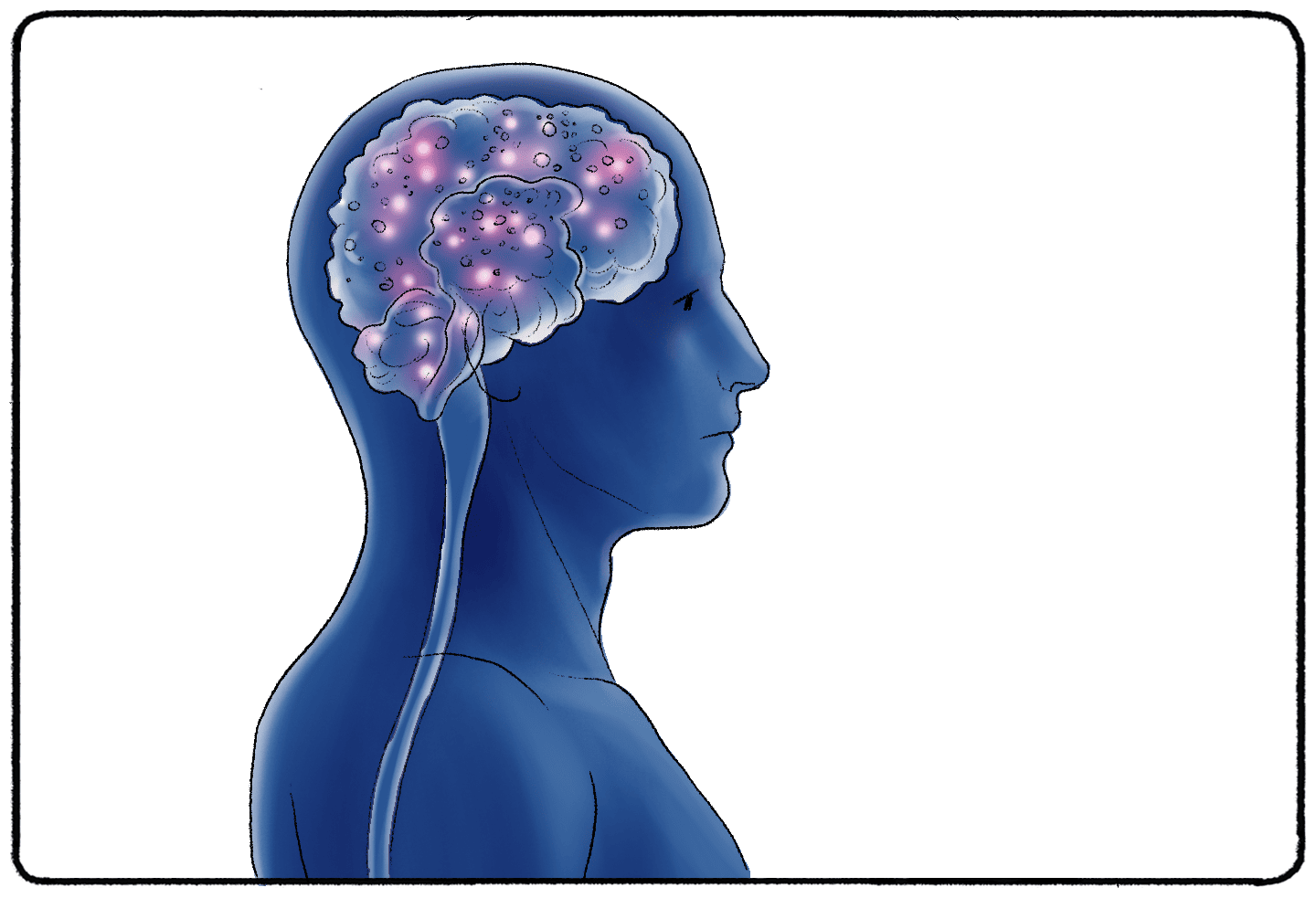
You might find yourself wonderingwhyphilosophers still think about the Mind Body Debate. Why do we care whether our minds and bodies are the same? There are a few reasons. As we do more research about the mind-body connection, we realize that we can treat our mental and physical health in different ways.
Philosophy is fun!
First of all, it is fun to think about. Let’s say your name is Jake. That is the name assigned to the physical body that you inhabit. But are you Jake?
On the one hand, if it’s true that you are Jake, you can’tnotbe Jake, right? That is something that dualists can agree on. Here’s where things get tricky. Itcouldbe possible for Jake to exist without your body existing. (Think of the movieFreaky Friday,or a situation in which you are placed into another body.)
So…it’s possible for “you” to exist without “Jake” existing. Youcannot be Jake.
That crumbles the statement that I made earlier: “If it’s true that you are Jake, you can’tnotbe Jake.” But youcannot be Jake. In conclusion…you’re not Jake?
What?
If you want to see how philosophy can turn your head upside down, this is a great place to start.
Are we immortal?
When educators begin to explain deductive reasoning and other basic terms in psychology, they often start with a simple truth: all humans are mortal.
But are we?
Depending on the argument that you choose to believe about the mind and the body, your answer could vary. In the physicalist or materialist world, the answer is easy. You’re mortal. When your body expires, the mind expires with it.
If you believe the body and mind to be separate, or you believe thateverythingstems from the mind, the answer becomes more tricky…
Healthcare
Not all implications of the Mind Body Debate have to do with big topics. You can take religion and morality out of the picture and still have a reason for the Mind Body debate. One such reason is in the realm of mental health.
The Western world holds a reductive physicalist view. Western healthcare professionals believe that everything can be traced back tofunctionsof our brain. Hormones, neurotransmitters, and other chemicals can explain it all.
“It” includes mental illnesses or conditions, including depression or PTSD. By assessing and adjusting a person’s brain chemistry, the reductive physicalist approach implies it is possible to treat these conditions.
Books likeThe Body Keeps the Scorealso address how trauma can affect the body. Even though our minds hold the memory of certain traumatic events, these memories “show up” in our physical health.
Great debates in philosophy, like the Mind Body debate, aren’t just ideas that can only be discussed and applied in a classroom. Clearly, these debates could explain many things in the world around us.
The Mind Body debate is not the only debate that rages on in the worlds of psychology and philosophy. Psychologists and philosophers have also attempted to answer the following questions.
What shapes our personality? Is it our genes or the environment around us? What made Jeffrey Dahmer the evil killer that he was? What about Ted Bundy? How do some people decide to choose good over evil? These are questions that thenature vs. nurture debatetries to answer.
Interested in learning more about dualism and monism? Check out the following books!
Related posts:Skinner’s Box Experiment (Behaviorism Study)Body Language Basics - How to Read Someone12+ School Uniform Pros and Cons (For and Against Debate)Behavioral PsychologyCarl Jung Biography
Related posts:
Reference this article:Practical Psychology. (2020, March).The Mind Body Debate in Psychology.Retrieved from https://practicalpie.com/the-mind-body-debate/.Practical Psychology. (2020, March). The Mind Body Debate in Psychology. Retrieved from https://practicalpie.com/the-mind-body-debate/.Copy
Reference this article:
Practical Psychology. (2020, March).The Mind Body Debate in Psychology.Retrieved from https://practicalpie.com/the-mind-body-debate/.Practical Psychology. (2020, March). The Mind Body Debate in Psychology. Retrieved from https://practicalpie.com/the-mind-body-debate/.Copy
Copy
