Have you ever been convinced that you remembered something exactly as it happened, only to realize that you’d been wrong? That’s not surprising—we know that our memory is not always reliable. But what if you discovered other people had the same incorrect memory of the event?
What is the Mandela Effect?Where Did The Mandela Effect Come From?Examples of the Mandela EffectPsychological Constructs and the Mandela EffectMore Examples of The Mandela EffectDo Alternate Realities Exist?How False Memories Work
What is the Mandela Effect?
Where Did The Mandela Effect Come From?
Examples of the Mandela Effect
Psychological Constructs and the Mandela Effect
More Examples of The Mandela Effect
Do Alternate Realities Exist?
How False Memories Work
To her astonishment, Broome discovered she was not the only one to misremember this event. Many other conference attendees also remembered seeing news coverage of Mandela’s death. In reality, Mandela was released from prison after serving a sentence for almost three decades and became the president of South Africa. He died in 2013 at the age of 93.
So how can thousands of people remember details of an event completely different from what took place?
The false memory of Mandela’s death during his political imprisonment isn’t the only example of this extraordinary effect. In the past decade, hundreds of cases of the Mandela Effect have been documented in everything from current events to product brands and pop culture.
Alexander Hamilton
Most Americans have learned at some point that Alexander Hamilton was one of the United States' founding fathers. So when 2016, a team of psychologists decided to check whom Americans identify as US presidents, and they were in for a surprise. Eighty-eight percent of the participants selected Hamilton and not one of the actual former presidents like Franklin Pierce or Chester Arthur.
This false memory is probably due to a common contextual association in which Hamilton is often seen concerning early American presidents. As a result, many people have formed a false memory that Hamilton was a president himself.
Star Wars
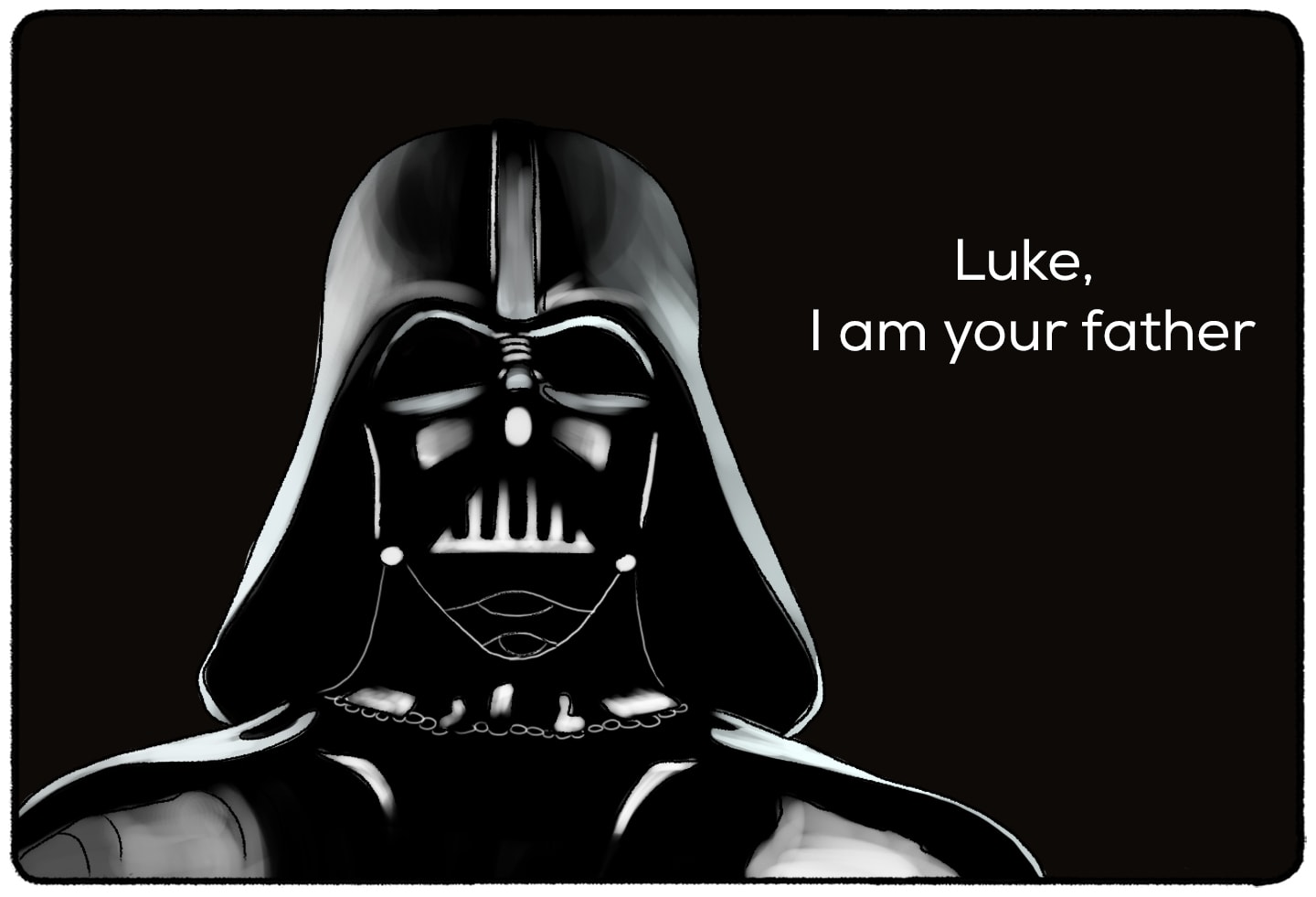
Most of us who have watchedStar Wars: Episode V–The Empire Strikes Backdistinctly remember Darth Vader saying, “Luke, I am your father.” Millions of people have heard what must be one of the most famous movie lines in history. Only Darth Vader never uttered these words. What he said was: “No, I am your father.”
 “Luke I am your father”
Monopoly Man
You might have spent hours playing this classic board game without noticing that its mascot, Rich Uncle Pennybags, doesn’t wear a monocle. Many people’s memory of Mr. Monopoly with a monocle is so vivid that it’s almost impossible to believe it could be false. The Monopoly man never had any corrective lens since he first appeared in the Monopoly box in 1936. How could have so many people been wrong?
One possible explanation is that we have subconsciously combined the character of Mr. Peanut, the Planters snack mascot who sports a monocle and top hat, with that of the Monopoly man. The monocle has been mentally transferred from one character to the other as a missing element that would perfectly fit the wealthy person stereotype of Rich Uncle Pennybags.
The Mandela Effect is not just a fascinating oddity of collective memory. It provides a gateway into understanding the intricate interplay of cognitive and social-psychological mechanisms that shape our beliefs and perceptions. Let’s delve into the key psychological constructs intertwined with this phenomenon:
The Mandela Effect underscores the intricacies of human cognition and the sociocultural forces at play. By examining it through the lens of these psychological constructs, we gain deeper insights into the broader patterns of how societies and communities form, share, and sometimes misconstrue collective beliefs.
When u/Different-Hunt-9777 asked Reddit, “What is the Mandela Effect that you have personally felt yourself?“hundreds of people commented! Some of the examples people gave included:
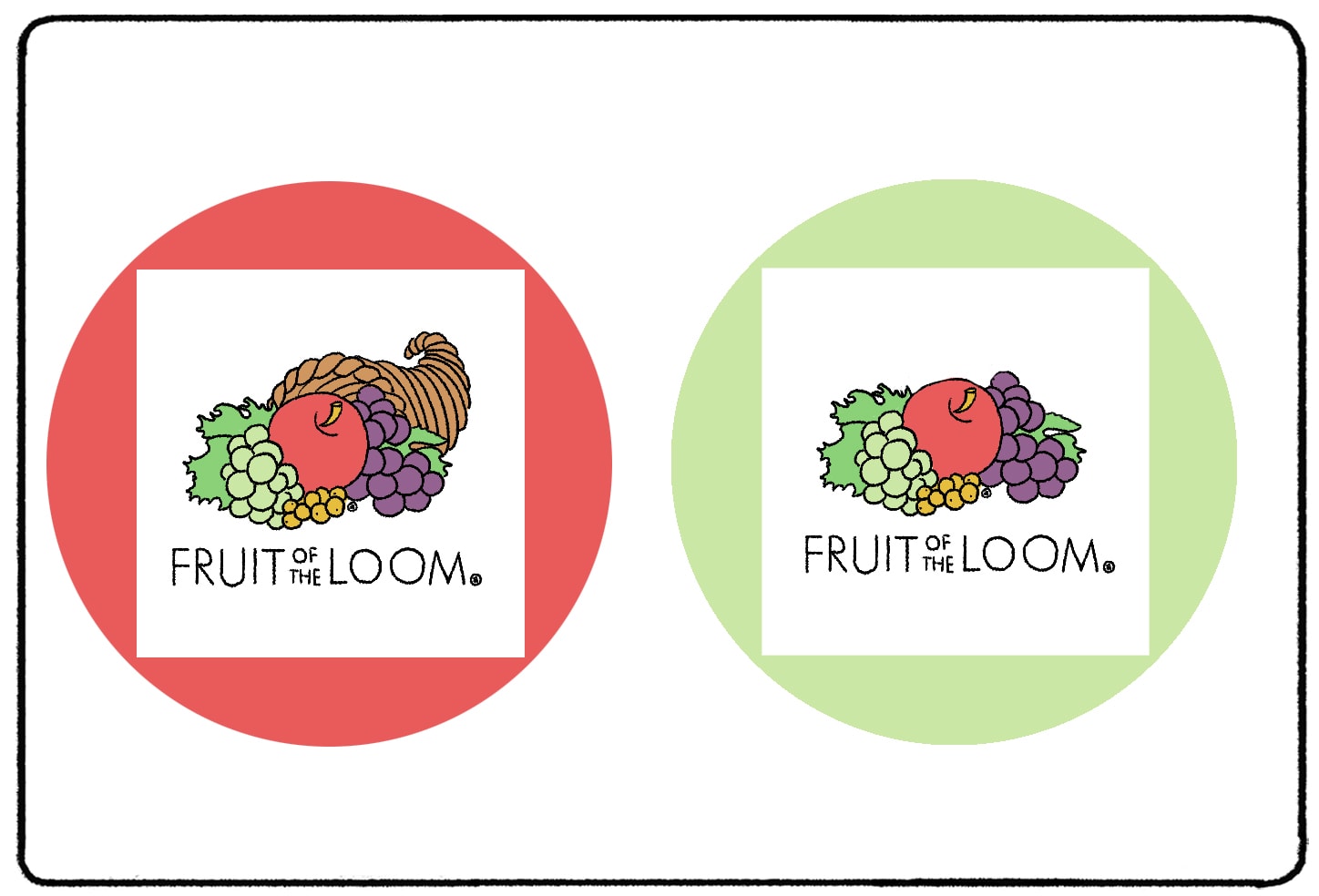
Broome explains the phenomenon through the multiverse theory. She believes that all the different memories of the past are correct since the events are experienced in parallel universes. A false collective memory is created when several realities, each with its version of the event, become intertwined.
Quantum physicists have indeed developed a theory about the potential existence of multiple universes based on mathematical models. However, psychologists and neuroscientists propose quite a different explanation for The Mandela Effect.
False memoryis when a person recalls something that didn’t happen or remembers it differently from how it happened.
Memory is vulnerable information thatchanges over time. Converting short-term memory into a long-term one is calledmemory consolidation. But just because memory becomes long-term doesn’t mean it can never be altered again.
Every time we assess a memory, it needs to be reconsolidated. Memoryreconsolidationhelps reinforce the information and, at the same time, slightly changes what we remember. When recalling a memory, other more recent memories are triggered, causing several memories to get combined into one.
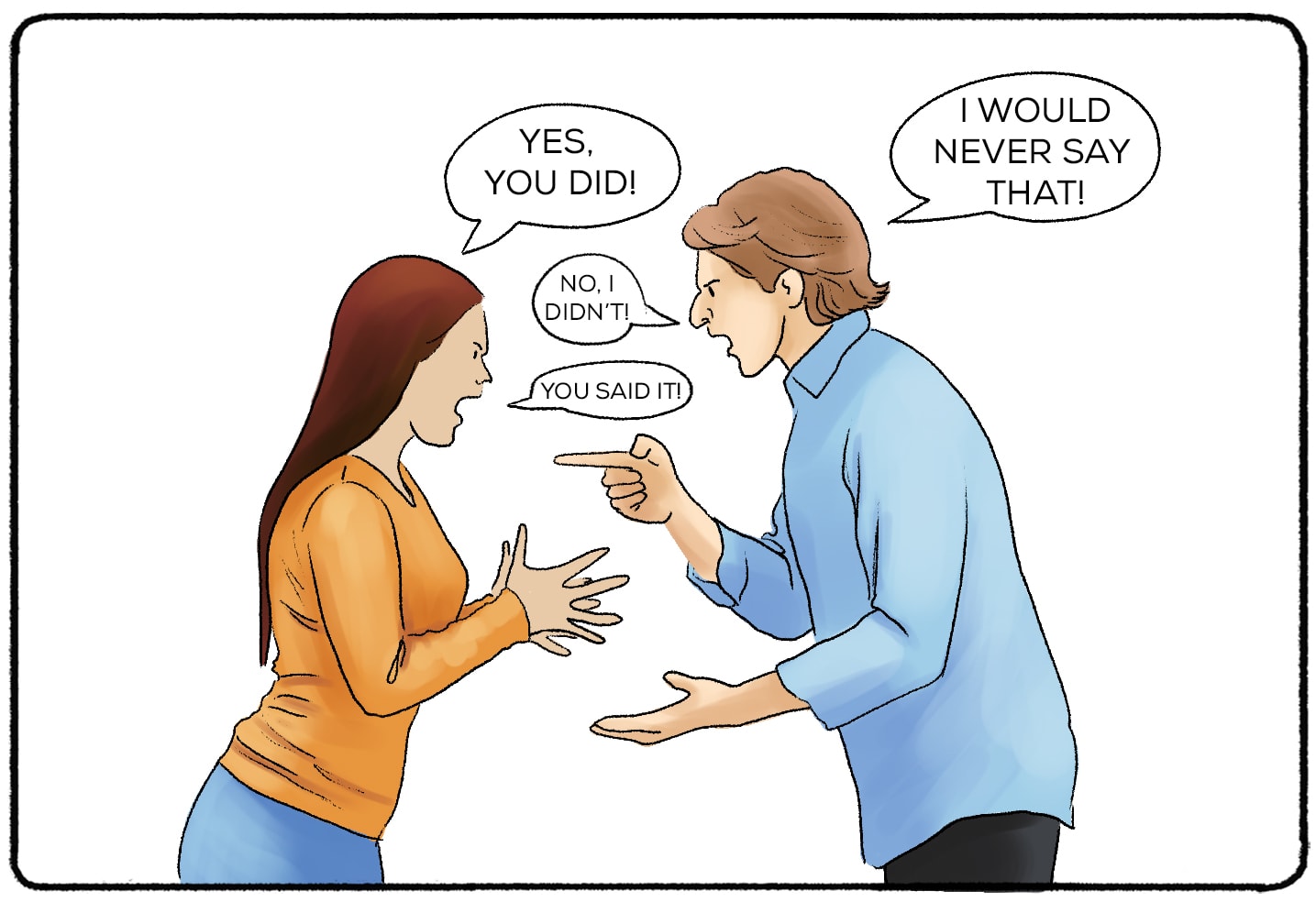
False memories can also be a result of a phenomenon known as confabulation.Confabulation occurs when the brain fills in gaps with fabricated, misinterpreted, or distorted information to make more sense of our memories.
If you’d like to learn more about false memories and their intricacies, I have a full article onFalse Memories and Memory Errors.
Mandela Effect and Suggestibility
There’s no doubt that the fast spreading of information on the internet plays a role in influencing our collective memories.Post-event misinformationis one factor that creates memory distortion and alters how we remember things.
As more and more people provide incorrect details,social misinformationbecomes incorporated into our memories as facts. As a consequence, it strengthens our conviction that we remember things correctly.
Suggestibility, the tendency to believe what others suggest to be true, is pivotal in shaping our memories. It’s one of the foundational mechanisms behind several false memory phenomena, including The Mandela Effect.When people around us, especially those we trust or view as authoritative, recount an event in a particular way, our brains may adopt that version, even if it’s different from our original memory. Recalling a memory isn’t a simple replay; each recollection can alter the memory itself. As we remember something repeatedly, especially in the light of external suggestions, our confidence in that memory can increase, even if its accuracy diminishes. This intertwining of memory and suggestibility underscores the complexity of human cognition and serves as a cautionary tale about the trustworthiness of our recollections.
Related posts:False Memories and Memory ErrorsDeclarative Memory (Definition + Examples)Elizabeth Loftus (Psychologist Biography)Skinner’s Box Experiment (Behaviorism Study)False Dilemma Fallacy (27 Examples + Definition)
Related posts:
Reference this article:Practical Psychology. (2020, March).The Mandela Effect (Definition + Examples).Retrieved from https://practicalpie.com/the-mandela-effect/.Practical Psychology. (2020, March). The Mandela Effect (Definition + Examples). Retrieved from https://practicalpie.com/the-mandela-effect/.Copy
Reference this article:
Practical Psychology. (2020, March).The Mandela Effect (Definition + Examples).Retrieved from https://practicalpie.com/the-mandela-effect/.Practical Psychology. (2020, March). The Mandela Effect (Definition + Examples). Retrieved from https://practicalpie.com/the-mandela-effect/.Copy
Copy
