There are Good Samaritanlawsthat are put in place throughout the country - they essentially protect medical personnel and anyone who attempts to provide aid from being sued. Each state has different terms for these laws. But does the Good Samaritan Effect hold up in psychology?
What Is the Good Samaritan Effect (In Psychology?)Examples of Being a Good SamaritanDarley and Bason 1973Good Samaritan Vs. Bystander Effects
What Is the Good Samaritan Effect (In Psychology?)
Examples of Being a Good Samaritan
Darley and Bason 1973
Good Samaritan Vs. Bystander Effects
The story of the Good Samaritan continues to be told in churches around the world with the aim of influencing others to do good deeds. But in psychology, studies have shown that even those who know the story of the Good Samaritan don’t always follow its teachings.

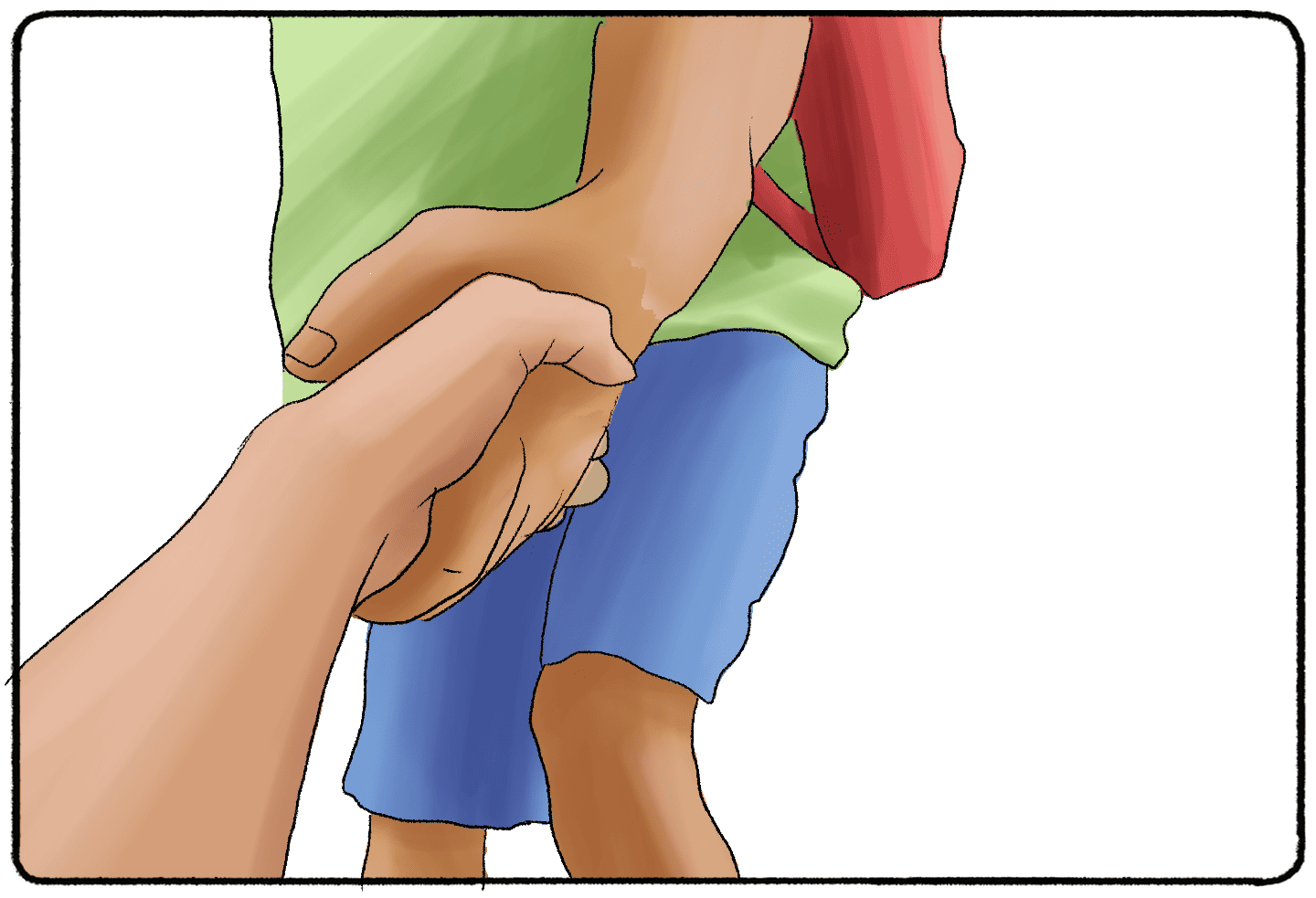
Being a Good Samaritan looks like:
Of course, not all examples of being a Good Samaritan may be regarded as such. Calling the authorities, orstanding witness as the authorities pull someone over, may be considered being a Good Samaritan or not.
The study that attempted to answer these questions is one of the more ironic and head-shaking studies in the history of psychology.
The Good Samaritan Study
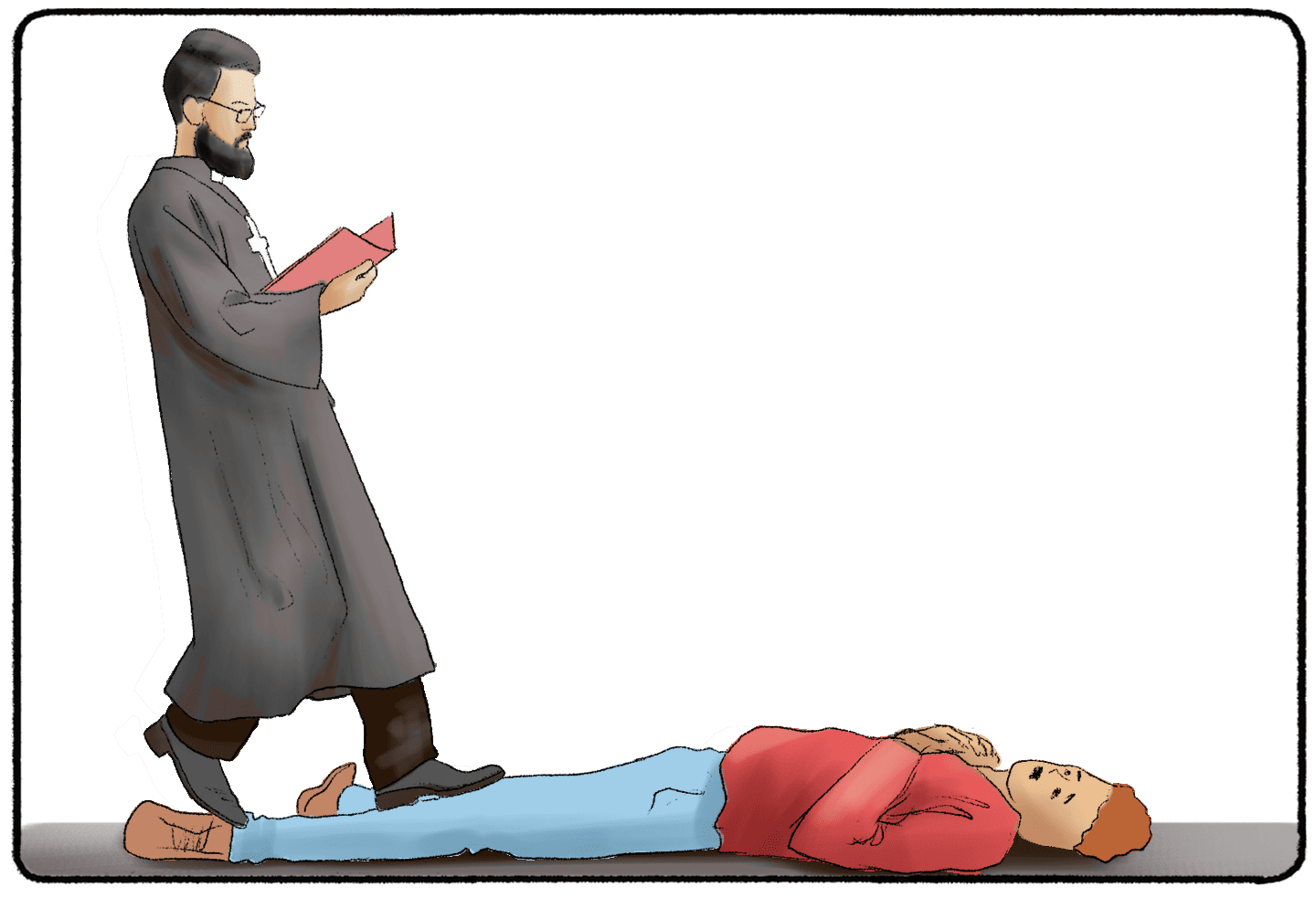
John Darley and Daniel Batson conducted their study at, of all places, Princeton Theological Seminary. All of the participants in the study were working toward being some sort of religious figure. They knew the story of the Good Samaritan like the back of their hand. But Darley and Batson didn’t think that this would make the participants more of a Good Samaritan. One of their hypotheses was that “more religious” people wouldn’t be more likely than “regular” people to be a Good Samaritan. After all, a priest in the Bible story didn’t help the man on the side of the road!
The psychologists also hypothesized that external factors would make a difference in the participants’ willingness to help. If they were in a rush, for example, they would be less willing to help.
How Did The Study Work?
Darley and Batson gave all of the participants a task: they were to prepare a speech to give later in the day. One group of participants were actually tasked with writing about the parable of the Good Samaritan. The other group wrote about working in the seminary. All of the participants were told that they would be presenting in a different building on campus.
When it came time to give the speech, the researchers checked in with the participants. One group was told that they were in no rush and to take their time walking to the other building. The other was told they were in some rush to get there. The last group was told that they were running late and had to get over to the building fast.
On the way to the second building, one of the researchers posed as a man who was struggling on the ground, and clearly needed help. As each of the participants passed the man, he coughed. The researchers set up a scale from 0 to 5, dictating the degree in which people noticed and/or helped the struggling man.
So what did they find?
The Good Samaritan Study Results
The datadid reflectthe first two hypotheses. Even though the participants in the study were “more religious” than most, they weren’t all stopping and helping the man who was struggling. Some even ignored orstepped overhim on their way to the second building. There was not a significant difference between the participants whowrote about the Good Samaritanand those that didn’t.
Whatdidinfluence the participants was the amount of time that they had to spare. 63% of the participants who were not in a rush went over to help the struggling man. Only 10% of the participants who were late went to help him.
Good Samaritan Effect and Decision-Making
What we can conclude is that external factors may play more of a role than we think in decision-making and ethics. All of the participants in the survey knew about good deeds and the importance of being a good person. If they had been given more time to walk on campus, the ones in a rush may have gone over to help the man. The difference was an external factor - time.
Another factor may have played a role in the results of the study:other people.If other people had been on campus as the participants noticed the man, they may have been less likely to stop. Studies on the Good Samaritan Effect andBystander Effectshow us that time is simplyoneexternal factor that prevents people from stepping in and helping another.
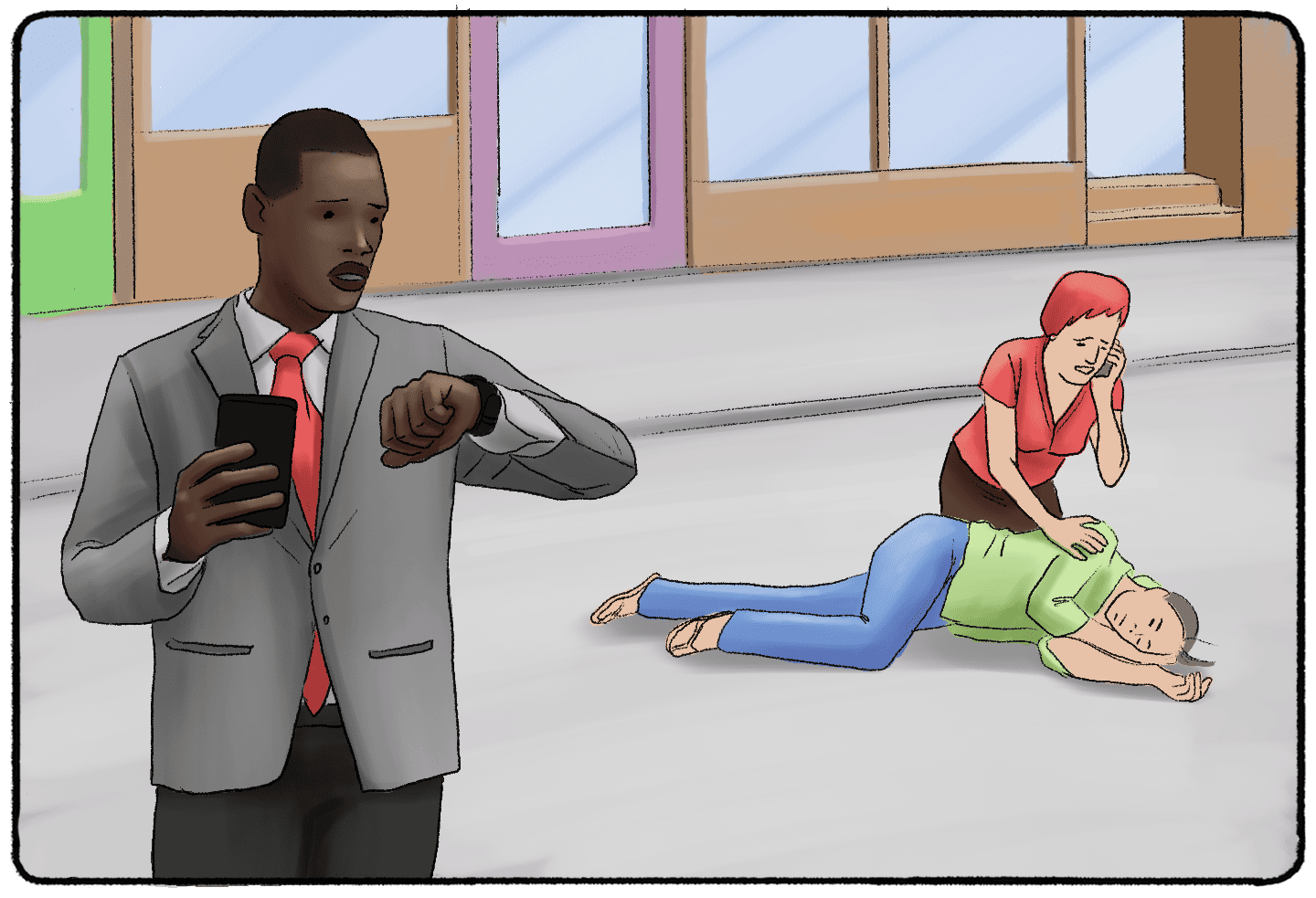
Studies on The Bystander Effect show we are less likely to help someone out if we are in a crowd. We tend to assign the responsibility to another person in the crowd and stand back. I have videos on my page that dive deeper into this topic. The first studies on the Bystander Effect (including the study of theKitty Genovese murder) go back farther than the Good Samaritan Effect.
Studies are still trying to determine the top factors for helping another person out. Psychologists have found that any of these factors could keep someone from helping:
While more studies are being done on helping behavior, it’s likely that no study will be as ironic as the Darley and Batson’s original Good Samaritan study.
Related posts:The Psychology of Long Distance RelationshipsBeck’s Depression Inventory (BDI Test)Operant Conditioning (Examples + Research)Variable Interval Reinforcement Schedule (Examples)Concrete Operational Stage (3rd Cognitive Development)
Related posts:
Reference this article:Practical Psychology. (2020, March).The Good Samaritan Effect (Definition + Examples).Retrieved from https://practicalpie.com/the-good-samaritan-effect-definition-examples/.Practical Psychology. (2020, March). The Good Samaritan Effect (Definition + Examples). Retrieved from https://practicalpie.com/the-good-samaritan-effect-definition-examples/.Copy
Reference this article:
Practical Psychology. (2020, March).The Good Samaritan Effect (Definition + Examples).Retrieved from https://practicalpie.com/the-good-samaritan-effect-definition-examples/.Practical Psychology. (2020, March). The Good Samaritan Effect (Definition + Examples). Retrieved from https://practicalpie.com/the-good-samaritan-effect-definition-examples/.Copy
Copy
