Personality psychology shows us what makes all humans alike and what makes each person an individual. While our traits may differ from the next person’s, they are all fairly ordinary and allow us to live an ordinary life.
Unfortunately, this isn’t the case for everyone. Research shows that 9% of Americans over the age of 18 have some sort of personality disorder. These conditions may cause a person to struggle to find work, maintain important relationships, and live a “normal” life. Get to know the most common personality disorders; they may explain the behavior of someone you know.
What is a Personality Disorder?Personality Disorder ClustersCluster A (Odd)Paranoid Personality DisorderSchizoid Personality DisorderSchizotypal Personality DisorderCluster B (Dramatic)Antisocial Personality DisorderNarcissistic Personality DisorderHistrionic Personality DisorderBorderline Personality DisorderCluster C (Anxious)Avoidant Personality DisorderObsessive-Compulsive Personality DisorderDependent Personality DisorderCan Personality Disorders Be Treated?
What is a Personality Disorder?
Personality Disorder Clusters
Cluster A (Odd)
Paranoid Personality Disorder
Schizoid Personality Disorder
Schizotypal Personality Disorder
Cluster B (Dramatic)
Antisocial Personality Disorder
Narcissistic Personality Disorder
Histrionic Personality Disorder
Borderline Personality Disorder
Cluster C (Anxious)
Avoidant Personality Disorder
Obsessive-Compulsive Personality Disorder
Dependent Personality Disorder
Can Personality Disorders Be Treated?
The DMS-5 defines a personality disorder as “an enduring pattern of inner experience and behavior that deviates markedly from the expectations of the individual’s culture.” As you’ll see, some of these disorders cause people to act erratically or in a “strange” manner.
(Later, I’ll tell you why some people believe movie characters like Willy Wonka had a personality disorder.)
Genetic factors or traumatic events may cause personality disorders. Research has made a strong connection between genetics and the presence of obsessive-compulsive disorder (OCD,) but verbal abuse and abusive relationships can also cause personality disorders to develop. Everyone’s case is different; although personality disorders can cause strange or even hurtful behavior, always try to be empathetic and understanding with people. You never know what someone has endured in their lives.
People can treat the symptoms of personality disorders through different types of therapy.
So what personality disorders are, and what kind of behavior do they cause? Psychologists categorize disorders using three different “clusters.”
You might recognize these symptoms - not only might they appear in people you know, but theydefinitelyappear in some ionic film and television characters.
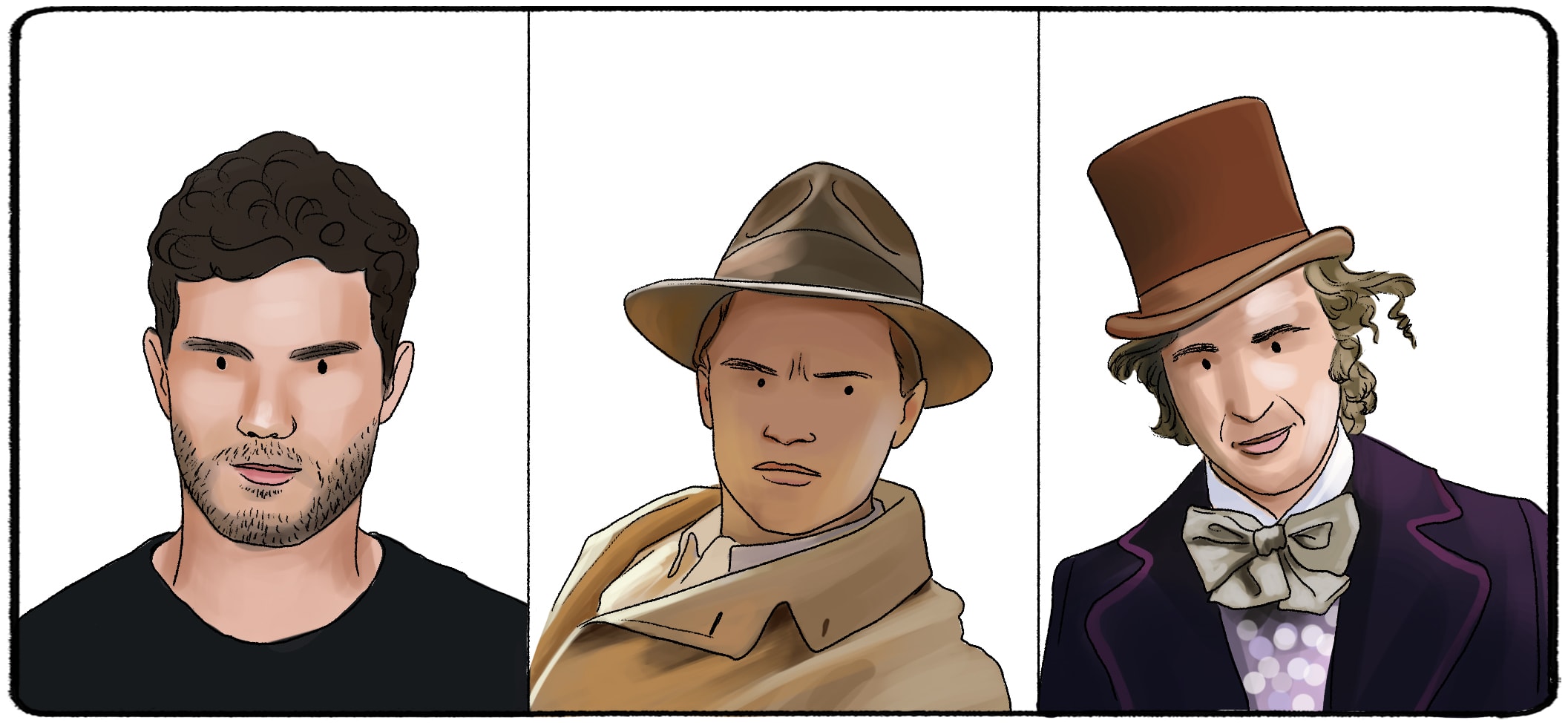
 Christian Grey, Howard Hughes, Willy Wonka
People with paranoid personality disorder (PPD) aren’t just “paranoid.” They experience a paranoia so intense that experts claim it is not based on reality.
PPD causes people to be highly suspicious of everyone around them. People with PPD may sincerely believe that everyone is out to harm them, that their partner is cheating on them, or that things that they say will only be used against them later. They may grow distrustful and be reluctant to share information or engage in social interactions.
Have you ever watchedThe Aviator?Leonardo DiCaprio’s character displays symptoms of this disorder. He has obsessive-compulsive disorder throughout the film, and as it worsens, he starts to become overly paranoid and displays an array of eccentric behaviors.
Traumatic events may also cause someone to develop PPD, although children can develop the disorder early in their life. Warning signs include a strong preference for solitude, erratic thoughts and behaviors, and hypersensitivity.
Unfortunately, due to the nature of this disorder, it can be hard for people to seek help. People with PPD may be paranoid about the usefulness of psychotherapy or the legitimacy of their therapist. However, therapy is the best form of treatment for PPD.
The next two personality disorders sound like schizophrenia but do not get them confused. Schizophrenia is not a personality disorder; it is a separate mental disorder, like bipolar disorder.
People with SPD are in touch with reality and rarely seek help for their disorder because they may feel “okay” not having close relationships with others.
Many critics believe that Christian Grey ofFifty Shades of Greydisplays symptoms of this disorder.
Again, schizotypal personality disorder is entirely separate from schizophrenia and schizoid personality disorder. What makes schizotypal personality disorder unique is the presence of strange beliefs or fantasies. People with this disorder may have very passionate ideas about things like outer space or other worlds, making it hard for people to relate to them.
Some people believe that Willy Wonka (at least, Gene Wilder’s version) has schizotypal personality disorder. He created an entire candy world, and his speech was very strange. Wonka also secluded himself for years in this world of his creation.
Paranoia is often present in people with schizotypal personality disorder, especially if the person’s beliefs are rather disturbing or discomforting. (Wonka was rather paranoid about people stealing his recipes and fortune.)
Psychologists have found links to schizotypal personality disorder and a family history of schizophrenia. Still, if that link is not known, it can be hard for people with this disorder to find help and form close relationships with others.
This disorder sounds like a condition where people isolate themselves or just don’t like to be social. Antisocial personality disorder describes a condition in which people blatantly disregard the rights of others through impulsive, manipulative, or downright criminal behavior.
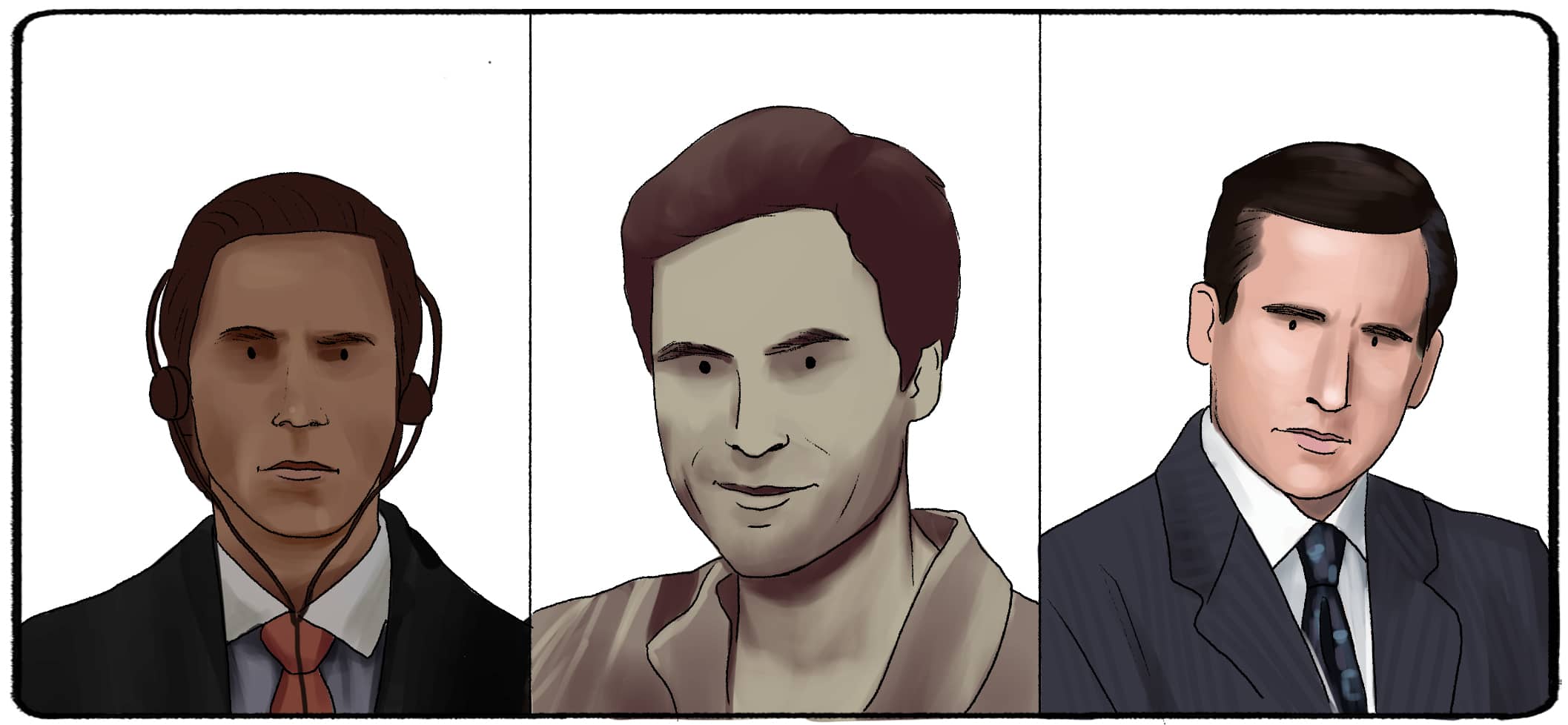
Have you seenAmerican Psycho?Christian Bale’s character is a classic but very extreme case of antisocial personality disorder. (Psychologists have also said he displays symptoms of borderline personality disorder and schizotypal personality disorder.)
Antisocial personality disorder exists on a spectrum; not everyone who is diagnosed will be a serious, violent criminal. However, the most serious cases of antisocial personality disorder includepsychopaths. They are aggressive, lack remorse, and use deceit to get the things they want, even at the expense of others.
Similar to antisocial personality disorder, people with narcissistic personality disorder have no regard for the feelings of others. However, this disregard is paired with an arrogance not based on reality.Narcissistsbelieve they are highly special and unique and should be regarded as more important than others. This belief fuels their tendencies to manipulate others and even break the law to get what they want.
Many narcissists have large fantasies and constantly seek attention. While narcissistic personality disorder inhibits people from having close relationships with others, many infamous celebrities have been suspected of having a narcissistic personality disorder. Ted Bundy is a classic case of narcissistic personality disorder. Tens of thousands of mental health professionals have also stepped forward to say thatDonald Trumpis another classic case of narcissistic personality disorder.
Like narcissists, people with histrionic personality disorder (HPD) may excessively seek out attention. They are the life of the party, and most people may believe that they are just charming or outgoing. However, this behavior stems from a constant need to be accepted and validated.
Michael Scott from The Office is a classic case of histrionic personality disorder.
There are plenty of movie characters that display symptoms of borderline personality disorder, including Clementine fromEternal Sunshine of the Spotless Mindand Tiffany fromSilver Lining’s Playbook.The memoirGirl, Interruptedis about the author’s experiences in a psychiatric hospital after being diagnosed with BPD.
A borderline personality disorder is often confused with, or linked to, bipolar disorder. Bipolar disorder is a mood disorder that involves intense periods of mania or depression. People with borderline personality disorder may also experience mood swings, but their disorder mainly stems from the unstable relationships they have with others in their lives. One moment they really like a person, and the next moment they have very angry feelings for that person.
People with avoidant personality disorder aren’t just “shy.” Their fears of rejection may cause them to completely withdraw from society and experience prolonged feelings of anxiety or fear.
Unlike OCD, people with OCPD are not “under the control” of impulses or behaviors. People with OCPD may not flick the lights on and off a specific number of times or take a specific amount of steps from one room to the next. However, they become preoccupied with “perfection” and may lose sight of what they were doing in the first place.
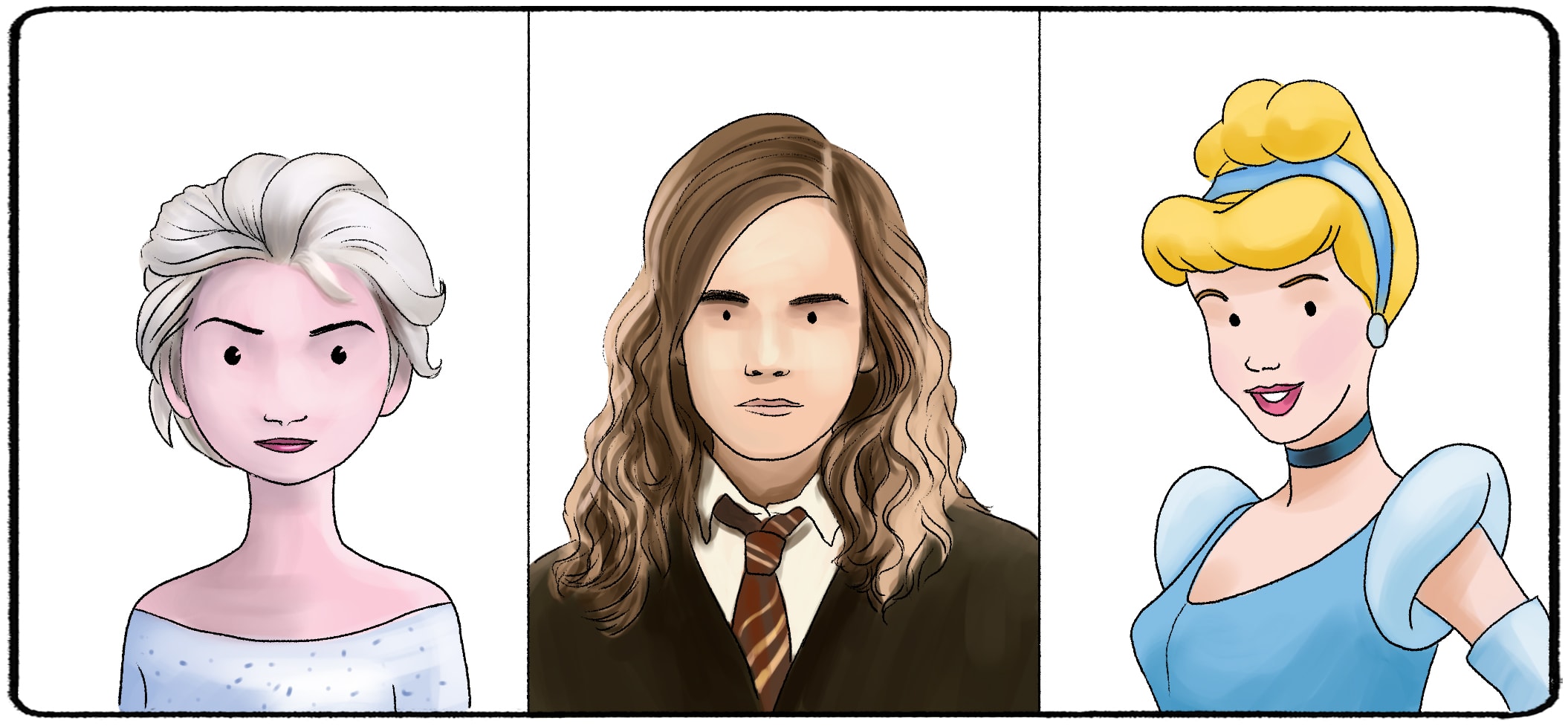
Some analysts believe that Hermione Granger displays symptoms of OCPD.
As a child, it is normal to experience “separation anxiety” and fears of being alone. Adults who don’t outgrow these fears may develop dependent personality disorder. They rely on others so much that they struggle to function independently. Every decision, from where to live to what they should wear, can only be made after excessive validation and input from others. It may be hard for people with this disorder to go to work or even complete daily tasks alone.
Again, this is a silly example, but analysts have linked Cinderella’s behaviors to dependent personality disorder. She consults her mice and Fairy Godmother for every decision until the movie’s end.
Personality disorders are not something to be ashamed of. Many characters (and people) who display symptoms of these disorders go on to be successful and lead normal lives. But untreated, some disorders could cause harmful behavior.
If you recognize these symptoms, you might consider speaking with a therapist. Talk therapy is one of the most effective forms of treatment for all personality disorders (medication helps some but is relatively ineffective for others.) Contact a professional for more information on diagnosing and treating these disorders.
Related posts:Cluster Sampling vs Stratified Sampling15 Consequences For Ignoring A NarcissistVulnerable Narcissist (Definition + Examples + Defense Mechanisms)19+ Experimental Design Examples (Methods + Types)Family Accommodation in OCD (Definition + Solutions)
Related posts:
Reference this article:Practical Psychology. (2023, July).The 10 Personality Disorders (Clusters A, B, C).Retrieved from https://practicalpie.com/personality-disorders/.Practical Psychology. (2023, July). The 10 Personality Disorders (Clusters A, B, C). Retrieved from https://practicalpie.com/personality-disorders/.Copy
Reference this article:
Practical Psychology. (2023, July).The 10 Personality Disorders (Clusters A, B, C).Retrieved from https://practicalpie.com/personality-disorders/.Practical Psychology. (2023, July). The 10 Personality Disorders (Clusters A, B, C). Retrieved from https://practicalpie.com/personality-disorders/.Copy
Copy
