This page is about one of the earliest theories in psychology, developed at the first laboratory for psychology ever!

Wilheim WundtWhat Is Structuralism?CriticismsFunctionalism and PsychoanalysisConsciousness Today
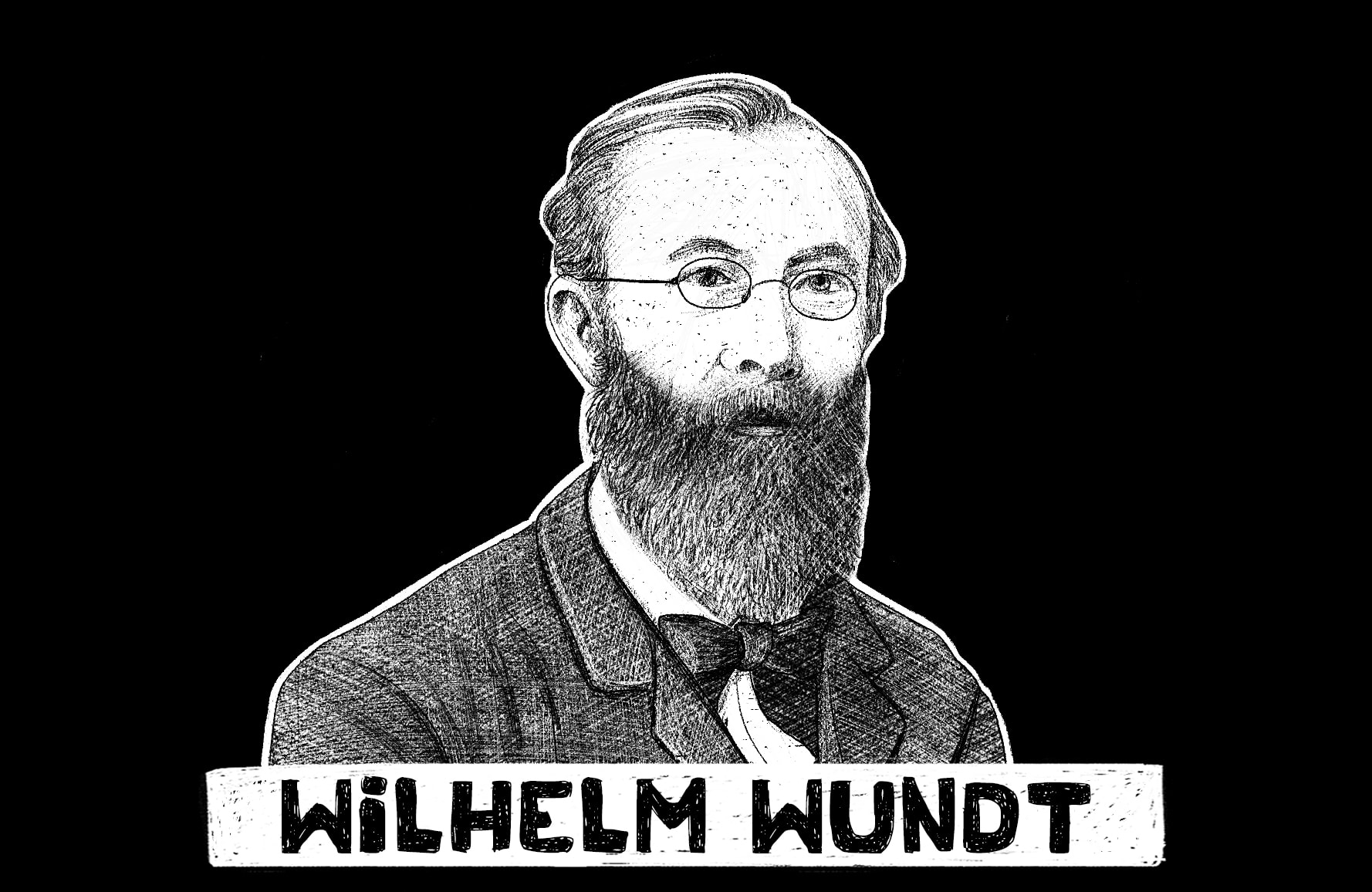
Wilheim Wundt
What Is Structuralism?
Criticisms
Functionalism and Psychoanalysis
Consciousness Today
In 1879, Wilheim Wundt set this laboratory up at the University of Leipzig. He also published what is now regarded as the first psychology textbook. He and a student, Edward Bradford Titchener, set out to study psychology and to better understand consciousness.
They developed structuralism, arguably the first “school” of psychology.
Wundt and Titchener knew that other sciences could break substances or concepts down into different structures. Why couldn’t they do the same with consciousness? From this idea, structuralism was born.
Structuralism was the idea that the mind was made up of the sum of its parts. If Wundt and Titchener could only break down the mind into all its parts, they could understand the mind better.
Elements
But what are the parts that make up the entire mind? Wundt and Titchener laid out these different elements. Among them were:
Introspection
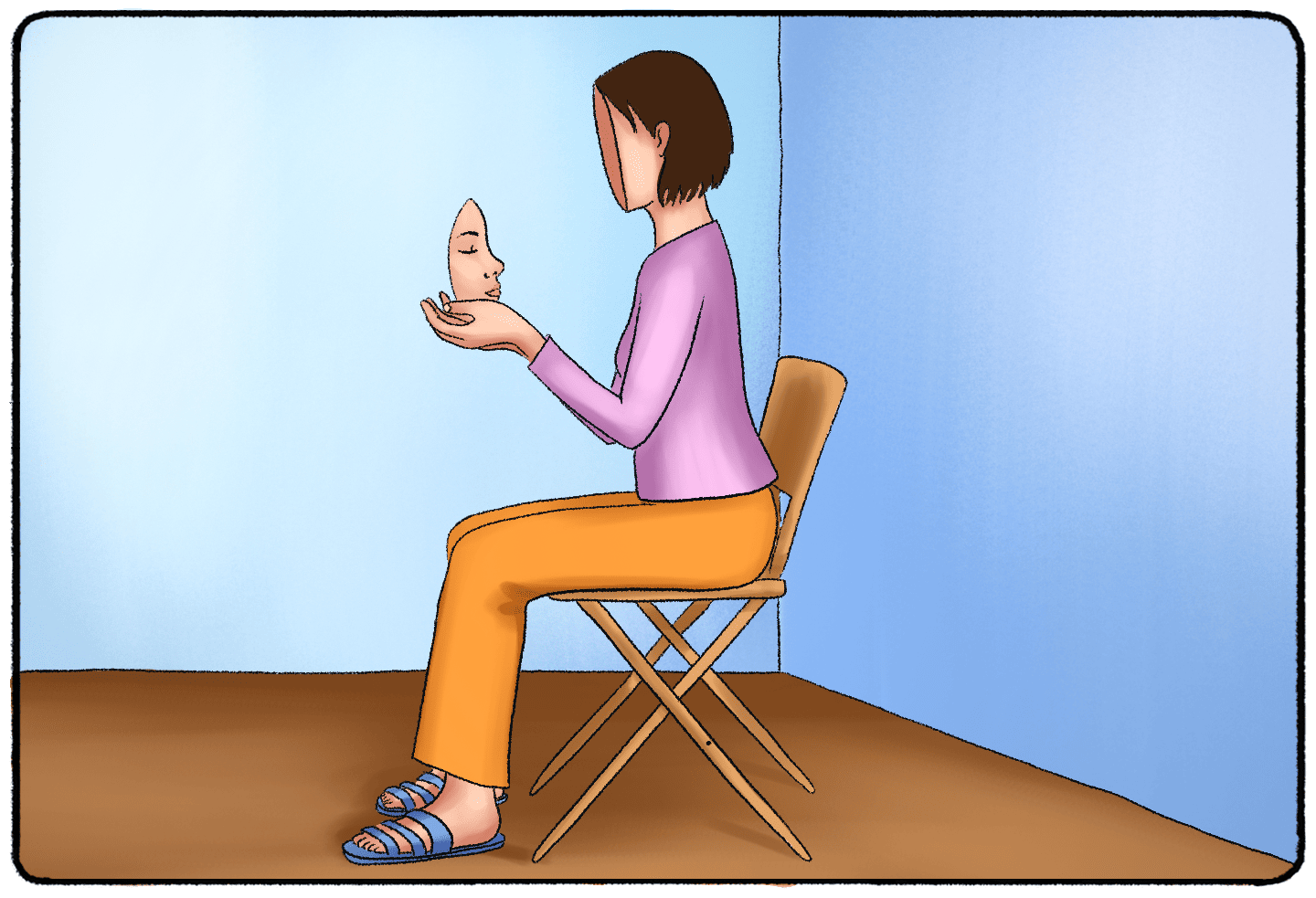
So the structuralists had an idea of what parts made up the mind. But they needed to figure out how they worked together. Through this study, they could determine the processes the conscious mind uses to make decisions or draw certain conclusions.
They set out to understand this process through the concept of introspection. Wundt and Titchener asked participants to go inward. They would ask about certain memories. How intense were those memories? How did it make them feel at the time? How do they feel now? What were you thinking at that moment? What influenced you to act or to feel a certain way?
Structuralism was one of the first big theories in psychology. It became the subject of much scrutiny and criticism, as with most theories. Behaviorists weren’t concerned with the conscious mind - they wanted to understand what was happening even further beneath the surface. Gestalt psychologists dismissed the idea that the mind could be broken into parts.
While structuralism is considered the “first” school of psychology, it was not the only one that appeared during the late 1800s. Two other schools of thought, functionalism and psychoanalysis, also sprang up during that time.
Functionalism
Functionalism looks at the function of behavior. Rather than looking at where each element was placed and the interaction between a system of elements, functionalism looked at the why and how of each behavior. Functionalism inspired two schools of thought that heavily influenced modern psychology: behaviorism and applied psychology. But it wasn’t the perfect approach to psychology. It didn’t explain why or how we experience sensations like touch or smell.
While functionalism was developed as a response to structuralism, they weren’t so different. Both schools of thought focused primarily on conscious thought.
When structuralism and functionalism fought for the top spot in psychology, another psychologist threw his ideas into the ring. His name was Sigmund Freud.
Psychoanalysis
Psychoanalysis wasn’t just concerned with the conscious mind. Freud was more concerned with how the unconscious mind influenced seemingly conscious decisions.
Psychoanalysis is based on the idea that our unconscious mind and childhood memories shape much of how we think, feel, and make decisions.
This school of thought helped shape how we treat mental conditions today. Modern talk therapy includes elements of psychoanalysis. You may be asked to address feelings, memories, or fears you may have repressed for years. Psychoanalysts strongly believe that those repressed feelings result in fixations, phobias, and mental disturbances.
Structuralism was attempting to tackle a pretty big term in psychology. Even today, it seems impossible to “measure” someone’s consciousness. It’s abstract yet so present in our lives. And the unconscious? How do you even begin to understand what you can’t consciously analyze?
Some questions have been answered with technology and time. For example, we now have more information on how we sense the world and how this stimuli travels through the brain. But why do we all perceive things so differently? What role does nature or nurture play in our perceptions and decisions?
These questions will continue to shape how we approach psychology and matters of the mind. And it all started with schools of thought like structuralism, functionalism, and psychoanalysis.
Related posts:Wilhelm Wundt (Psychologist Biography)Interoceptive Exposure (30 Examples + Therapy Guide)40+ Famous Psychologists (Images + Biographies)Social Institutions (Definition + 7 Examples)Hugo Munsterberg Biography - Contributions To Psychology
Related posts:
Reference this article:Practical Psychology. (2020, April).Structuralism in Psychology.Retrieved from https://practicalpie.com/structuralism-in-psychology/.Practical Psychology. (2020, April). Structuralism in Psychology. Retrieved from https://practicalpie.com/structuralism-in-psychology/.Copy
Reference this article:
Practical Psychology. (2020, April).Structuralism in Psychology.Retrieved from https://practicalpie.com/structuralism-in-psychology/.Practical Psychology. (2020, April). Structuralism in Psychology. Retrieved from https://practicalpie.com/structuralism-in-psychology/.Copy
Copy
