The History of DeterminismUnderstanding Free Will29 ExamplesMoral Responsibility of Soft DeterminismCriticisms and CounterargumentsSoft Determinism and PsychologyFrequently Asked Questions (FAQ)Conclusion
The History of Determinism
Understanding Free Will
29 Examples
Moral Responsibility of Soft Determinism
Criticisms and Counterarguments
Soft Determinism and Psychology
Frequently Asked Questions (FAQ)
Conclusion
 a person and two roads

Determinism, as a formal concept, began to take shape in the ancient world. Philosophers likeZeno of Citium, the founder ofStoicism, introduced the idea that everything has a reason, a cause that propels it. Even human beings.
Fast forward to the Enlightenment era in the 17th and 18th centuries, figures likeThomas HobbesandDavid Humecontributed significantly to this idea.
David Hume, a prominent philosopher during the 18th century, offered a more nuanced view. He suggested that while our actions might be the result of previous events, our internal desires play a role.
For Hume, the freedom we experience is not in our actions being uncaused but in our ability to act upon our desires without external constraints.
In other words, he believed in causal determinism, but at the same time that we had choices within it. It’s like being able to decide how to respond to a situation, even if you can’t control the situation itself.
He argued that our will can be free even if our actions are determined because our choices align with our internal motivations and desires. This was a shift from the strict determinism that had been more widely accepted.
Philosophers likeA.J. AyerandDaniel Dennettin the 20th century would later expand on these concepts, integrating insights from psychology and cognitive sciences to show how soft determinism reflects the complexities of the human mind.
Philosophers and thinkers have wrestled with the idea of free will for centuries, trying to understand if we’re truly the authors of our own stories, or if we live in a deterministic universe.
One of the earliest thinkers on this topic wasAristotle, back in Ancient Greece. He believed that our decisions come from ourselves, which means we are responsible for them. We can indeed act freely.
Much later, during the 17th century, a philosopher namedJohn Lockesuggested that to have free will, a person must be able to do otherwise than what they did. If you chose to wear a red shirt today, could you have chosen a blue one instead? If yes, then according to Locke, that’s free will at work.
But the waters get muddied when determinism enters the scene. If every action is the result of something before it, then is choosing the red shirt really a choice?
This is where soft determinism adds a twist. It agrees that yes, your past influences your decision about the shirt, but it also says you’re free to choose within those influences. You’re not just a robot following a program; you’re a person with feelings, thoughts, and desires that help steer your decisions.

1) Choosing a College Major
Ultimately, you decide to major in biochemistry because it feels right to you. This reflects soft determinism because your background influenced your interests, but you freely chose which interest to follow.
2) Voting in an Election
Your family traditionally supports a particular political party, and you’ve been brought up with those values. Come election time, you’re inclined to vote in line with your family’s preferences.
Yet, after researching all candidates, you find that another candidate’s views on environmental policy resonate more with you, so you vote for them. This is soft determinism at work—your past influences you, but your final choice is yours.
3) Career Change
4) Adopting a Pet
Growing up, your family never had pets due to allergies. As an adult living on your own, you’ve come to love animals through friends' pets.
You adopt a hypoallergenic cat, combining your new experiences with your childhood constraints. Your adoption choice showcases soft determinism, blending past influences with current decisions.
5) Saving or Spending
Raised in a frugal household, saving money is second nature to you. When you receive a bonus at work, your instinct is to save it.
6) Daily Exercise Routine
Your family has a history of health issues which makes you aware of the importance of staying healthy. Even though you’re not fond of physical exercise, you start a daily jogging routine. This action is a blend of your genetic predispositions and your autonomous choice to live healthier.
In your hometown, soccer is the most popular sport, and almost everyone you know plays it. It has influenced you to play soccer as a child.
As you grow up, you discover a passion for chess. Even though it’s less common among your friends, you pursue it enthusiastically. This mix of societal influence and personal preference illustrates soft determinism.
8) Relationship Choices
You’ve noticed that you tend to date people who are similar to your parents in demeanor and values, which psychology suggests isn’t uncommon.
Yet, when you meet someone vastly different who challenges you in new ways, you enter into the relationship. This is an example of soft determinism, as your past informs your tendencies, but you still make a distinct choice.
9) Handling Conflict
Your cultural background may discourage direct confrontation, influencing you to avoid conflicts.
10) Selecting a Film Genre
You were never exposed to horror movies as a child because your family didn’t watch them. As an adult, you find yourself curious and start exploring the genre, finding that you actually enjoy the thrill. This choice reflects soft determinism, where your past doesn’t wholly dictate your present interests.
11) Financial Investments
Inherited wealth often comes with the expectation to preserve and enhance it through traditional investments. Despite this, you decide to invest in a startup that aligns with your personal beliefs about technology and society. Your choice to diverge from tradition is a case of soft determinism at play.
12) Philanthropic Efforts
Your community values self-reliance and may view charity skeptically. However, after volunteering and seeing the impact of philanthropy firsthand, you start your own charitable foundation. This shift from community norms to personal conviction is indicative of soft determinism.
13) Language Learning
English is your native language, and there’s no immediate need for you to learn another. Yet, out of personal interest and a desire to connect with other cultures, you take up Spanish. Your effort to learn a new language despite your environment suggests soft determinism.
14) Dietary Choices
Raised in a meat-eating household, vegetarianism was never considered. However, through personal research, you become a vegetarian for health and ethical reasons. This illustrates soft determinism: your background set the stage, but your current beliefs guide your choices.
15) Engaging in Politics
Your family is apolitical, but in college, you become engaged in student government and local activism. This new involvement is a reflection of soft determinism, as you navigate beyond your upbringing into areas that align with your current values.
16) Music Preferences
Classical music filled your home growing up, shaping your early music taste. Over time, exposure to diverse genres allows you to develop an appreciation for jazz. Your expansion in musical taste, while rooted in your past, shows soft determinism through personal exploration.
17) Parenting Style
18) Driving vs. Biking
Coming from a suburban area, driving is the norm for commuting. When you move to a bike-friendly city, you adapt and start cycling to work. This transition from driver to cyclist highlights soft determinism, blending your past environment with your present choices.
Fashion was never a big deal in your family, but after following fashion blogs and influencers, you develop your own sense of style. Your newfound fashion interest despite your non-fashionable upbringing is a clear instance of soft determinism.
20) Environmental Consciousness
Growing up, recycling wasn’t a priority in your household. As you learn more about environmental issues, you become an advocate for sustainability, altering your behavior and encouraging others to do the same. This personal evolution is a testament to soft determinism.
21) Artistic Expression
Art wasn’t a part of your early life, but in high school, an inspiring art teacher introduces you to painting. You discover a talent and passion for it, which you nurture into adulthood. This newfound artistic pursuit, independent of your upbringing, showcases soft determinism.
22) Personal Finance Management
23) Professional Networking
You’re naturally introverted, and networking doesn’t come easy. But understanding its importance in your career, you push yourself to attend events and make connections. This effort to step outside your comfort zone is an example of soft determinism.
24) Adopting Technology
25) Exploring New Cuisines

Your family sticks to a specific cuisine, but travel exposes you to a world of flavors. You begin experimenting with cooking international dishes at home, which shows soft determinism as you incorporate new experiences into your lifestyle.
26) Engaging in Social Issues
You come from a background where social issues are rarely discussed. In college, you become active in social justice campaigns, illustrating soft determinism through your newfound activism.
27) Learning to Play an Instrument
28) Pursuing Higher Education
Your family values immediate work over college, but you aspire to academia and pursue a degree, exemplifying soft determinism through your educational aspirations.
29) Traveling Solo
Travel was always a family affair, yet you find yourself yearning for solo adventures. Embarking on solo trips, you embrace independence, a choice that underscores soft determinism as you forge your own path.
When you think about making choices, you might also think aboutwhat’s right or wrong. Ethics is the part of philosophy that talks about these ideas.
Soft determinism has a big role in ethics because it affects how we think about responsibility. If all our actions were set in stone, could we really be blamed or praised for what we do? Are we morally responsible agents?
Soft determinism says yes, we can be responsible because even though our background influences us, we still have the power to choose based on our reasons and feelings. It’s like being in a game where the rules are set, but you still have to decide your next move.
Think of a courtroom where a judge looks at why a person did something. They consider the person’s history but still focus on the choices they made.
This way of thinking is important for you too. It means you’re not just a puppet on strings. You’re a person who can think, decide, and be part of society. It’s a view that respects the many things that make you who you are, while also recognizing that you’re a person who can make choices that matter.
When you learn aboutsoft determinism, it’s natural to also hear about the pushback it gets. Some people don’t quite agree with it.
They say that soft determinism doesn’t really solve the puzzle of free will and determinism. They argue it sits on the fence, trying to have the best of both worlds without fully committing to either.
One of the big criticisms is called theconsequence argument. This says that if determinism is true, then our actions are just the results of a long chain of events that started before we were born. If that’s the case, how can we say we are free to choose?
Another criticism comes from thelibertarianpoint of view, not the political kind, but the philosophical one that talks about free will.
Despite these criticisms, soft determinists come back with their own counterarguments. They say that understanding the influences on our behavior doesn’t strip away our freedom; it just explains why we might feel or act a certain way. And when we know what’s influencing us, we can often make even more informed choices.
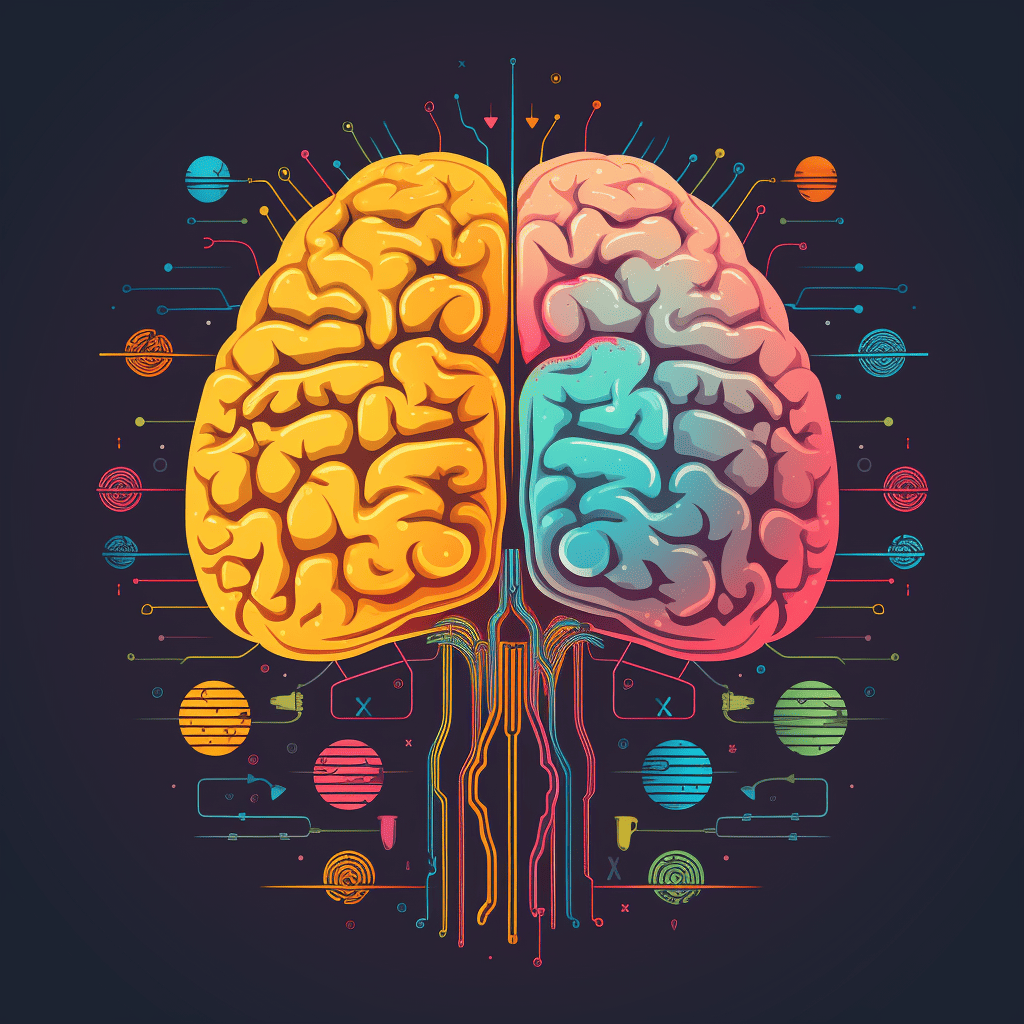
In the world of psychology, soft determinism plays a significant role in understanding why you act the way you do. It’s like looking at a map of a city. You can see all the roads that lead to different places—these are like the influences in your life. But you’re the one driving; you choose which road to take.
Psychologists use this view to explain how your environment, your biology, and your personal experiences all mix together to shape your actions.
For example, maybe you have a quick temper. Biology might make you more likely than other factors to get angry, and maybe you grew up in a home where shouting was normal. But soft determinism says you still have the power to control your anger and react differently. It’s not easy, but it’s possible.
This concept is also key intherapy. Therapists mighthelp yousee why you feel a certain way, but they also work with you to make changes. They believe you can learn new ways of thinking and acting, even if your past has a strong hold on you.
This is soft determinism in action—you’re not just your past or your genes; you’re also your choices and your effort to grow.
In education, especially in how psychology is taught to students, soft determinism is a bridge between strict theories that might make you feel like you have no control, and the idea that you’re completely free to choose your path without any influence from your past.
What exactly is soft determinism?
How does soft determinism differ from hard determinism?
Is soft determinism the same as compatibilism?
Yes, the definition of soft determinism is often used interchangeably with compatibilism. Both terms describe the view that free will and determinism are compatible with each other.
- Does soft determinism believe in free will?
Yes, soft determinism maintains that free will exists in the context of actions that are aligned with an individual’s desires, even if those desires have a causal history.
How does soft determinism impact moral responsibility?
Can choices made under soft determinism be considered genuinely free?
What role does soft determinism play in psychology?
Soft determinism is important in psychology for understanding human behavior. It acknowledges the role of past experiences and biology in shaping actions while also emphasizing the individual’s capacity for change and choice.
- How do therapists use soft determinism in practice?
Therapists may use principles of soft determinism to help individuals understand the origins of their behavior and to empower them to make conscious changes, highlighting their ability to choose how to respond to their circumstances.
- Can anyone believe in soft determinism, or is it a specialist view?
Soft determinism is a philosophical viewpoint that is accessible to anyone. It does not require specialist knowledge to understand or believe in its principles.
- How does learning about soft determinism benefit a person?
Understanding soft determinism can help individuals recognize the factors that influence their behavior, which can lead to more self-awareness and the empowerment to make positive changes in their lives.
Soft determinism weaves a story that might sound familiar to you. It’s the tale of how your past experiences, your environment, and even your biology play a role in your decisions, but don’t write the whole script. You hold the pen, too. You’re not just a leaf floating down a predetermined stream; you’re also the navigator, steering even when the current pulls strong.
Understanding soft determinism is like having a map and a compass for the journey of life. It tells you that while the winds and the tides have their say, you have your hands on the wheel.
This perspective encourages you to reflect on your actions, to learn from your past, and to make choices that resonate with who you are and who you aspire to be.
Related posts:Hard Determinism (29 Examples + Definition)Free Will vs Determinism (Debate in Psychology)Bandwagon Fallacy (29 Examples + Definition)False Dilemma Fallacy (27 Examples + Definition)Loaded Question (29 Examples + Definition)
Related posts:
Reference this article:Practical Psychology. (2023, November).Soft Determinism (29 Examples + Definition).Retrieved from https://practicalpie.com/soft-determinism/.Practical Psychology. (2023, November). Soft Determinism (29 Examples + Definition). Retrieved from https://practicalpie.com/soft-determinism/.Copy
Reference this article:
Practical Psychology. (2023, November).Soft Determinism (29 Examples + Definition).Retrieved from https://practicalpie.com/soft-determinism/.Practical Psychology. (2023, November). Soft Determinism (29 Examples + Definition). Retrieved from https://practicalpie.com/soft-determinism/.Copy
Copy
