Social psychology is simply fascinating. With a lot of questions to answer come a lot of theories behind human behavior and why we make certain decisions, judgments, or comparisons. This video gives an overview of social psychology and the impact it has had on the world. I’ll be going over a brief history of social psychology, top theories, and the experiments that shaped it into what it is today.
What Is Social Psychology?
History of Social Psychology
Notable Experiments in Social Psychology
There’s a Lot to Learn in Social Psychology!
Let’s start with a brief definition of social psychology.Social Psychology is the study of how humans behave and interact with each other, mainly in specific situations. This field takes a look at individual behavior in a social context.
Psychologists in this field believe that all behavior takes place in a social context. By looking at society’s influence on the individual, we can begin to understand the inner workings of the mind and why certain decisions are made.
As you were cooped up in quarantine, you probably asked yourself a lot of questions about human behavior. I know I did. These extreme circumstances can often bring out big questions about human nature and how we work together in a society. And these big questions aren’t new. Social psychologists have been attempting to answer these questions for decades.
The impact of society on the individual has been on the minds of psychologists and philosophers since the Ancient Greeks. Aristotle, for example, emphasized the importance that a state or political community has on an individual’s survival. He also believed that our language and laws separated us from other animals, and some of these “laws” included everyone’s different roles to create a thriving economy.
But Aristotle didn’t conduct experiments the way that psychologists do now. This way of validating theories was not popular in social psychology until the late 1800s. At this point, a few psychologists had written about the influence of society on our behavior, but didn’t have data to back it up.
One of the earliest experiments in social psychology, as we know it today, occurred in 1895. Norman Tripplett was an American psychologist at Indiana University. He conducted an experiment in which children wound up a fishing rod. Some children completed the task alone, while others were in the presence of other children. Tripplett found that the children who were among peers were motivated to complete the task faster.

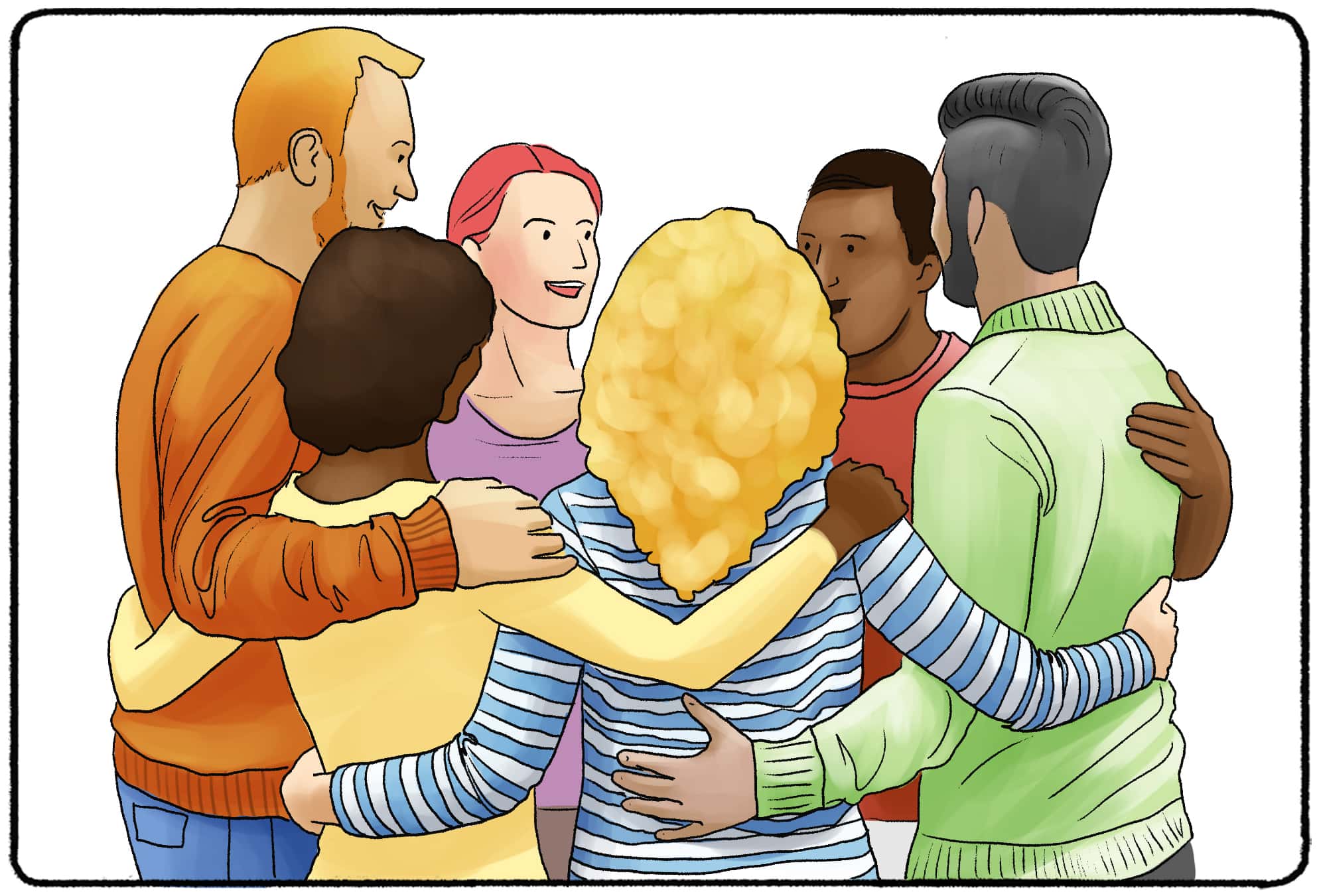
Social Psychology gained popularity in the early 1900s but really took off in the later part of the century. World Wars and the Great Depression in America raised a lot of questions about society and its influence on individuals. Racial prejudice also influenced the work of many social psychologists. During the 60s and 70s, darker and more shocking experiments on human behavior forced psychologists to look at the process in which experiments are conducted and how to ethically approach social psychology.
The study has expanded well beyond America’s borders. Today, research and influence from all over the world has continued to shape social psychology and how it’s approached. There is still much to learn!
Basic Beliefs in Social Psychology
The basic tenets of social psychology do more than address how humans interact with others. They also lay out how to collect data and observe people to build theories within social psychology. Here are some of the main ideas that have shaped social psychology and remain at the core of this field.
These four ideas will show up again and again as you read about social psychology’s most famous theories and experiments.
Attribution Theory
Why did your best friend lie to you? What made that guy cut you off in traffic? Why does a billionaire abandon their riches for a more spartan lifestyle?
Every day, you are faced with hundreds of decisions. You make some of these decisions alone. You make some of them in front of other people. Sometimes, you observe the behaviors of others and make judgments as to why those decisions were made.
Attribution theory looks at the way that we observe others and explain their decisions. We are meaning-making creatures. We want to understand why someone made specific decisions or what factors are contributing to their behavior.
The two main categories withinAttribution Theoryinclude external factors (money, weather, etc.) and internal factors (personal beliefs, insecurities, etc.)
Self-Perception Theory
Attribution looks at the ways that we observe and make judgments about the behavior of others.Self-perception theorylooks at the ways that we observe and make judgments about our behavior. And the way that we perceive ourselves is crucial to the goals we set, our mental health, and how our life plays out.
Social Identity Theory
You may look at yourself and see someone who is funny, accomplished, courageous, etc. But you may also see a student, an actor, a New Yorker, etc. Your identity as a New Yorker, a student, or an actor may influence the way that you make decisions or how you present yourself to others. This is whatSocial Identity Theoryis all about. This theory looks at the process in which people categorize themselves and others. We often see people in “ingroups” and “outgroups.” Depending on your own position, you may see people who are similar to you in one light and people different than you in another.
Cognitive Dissonance Theory
When groups of people interact, there are bound to be differing opinions. But what happens when we learn new information that contradicts what we already know?
Cognitive dissonance theorysays that this conflict can be very hard for people to bear. Our minds have trouble accepting and processing this conflicting information. Often, if we are not aware of this discomfort, we throw away the new information and “stick to our guns” more passionately than before. We see this play out while talking politics at the dinner table or sharing articles on social media.
Evolutionary Psychology
Why do we perceive people in a certain way? Is it due to the culture that we grow up in…or could our perceptions, language, and social interactions be a result of evolution?
This is the question that Evolutionary Psychology attempts to answer. This approach to psychology has been around since the late 1800s. Charles Darwin’s idea of natural selection largely influenced Evolutionary Psychology. While it’s mainly sat on the fringes of the psychology world since, evo-psych is becoming more mainstream.
This goes to show that while some ideas within social psychology seem “timeless,” others will gain and lose their popularity. The five theories I mentioned above are just a small piece of social psychology. Other notable theories and ideas within social psychology include:
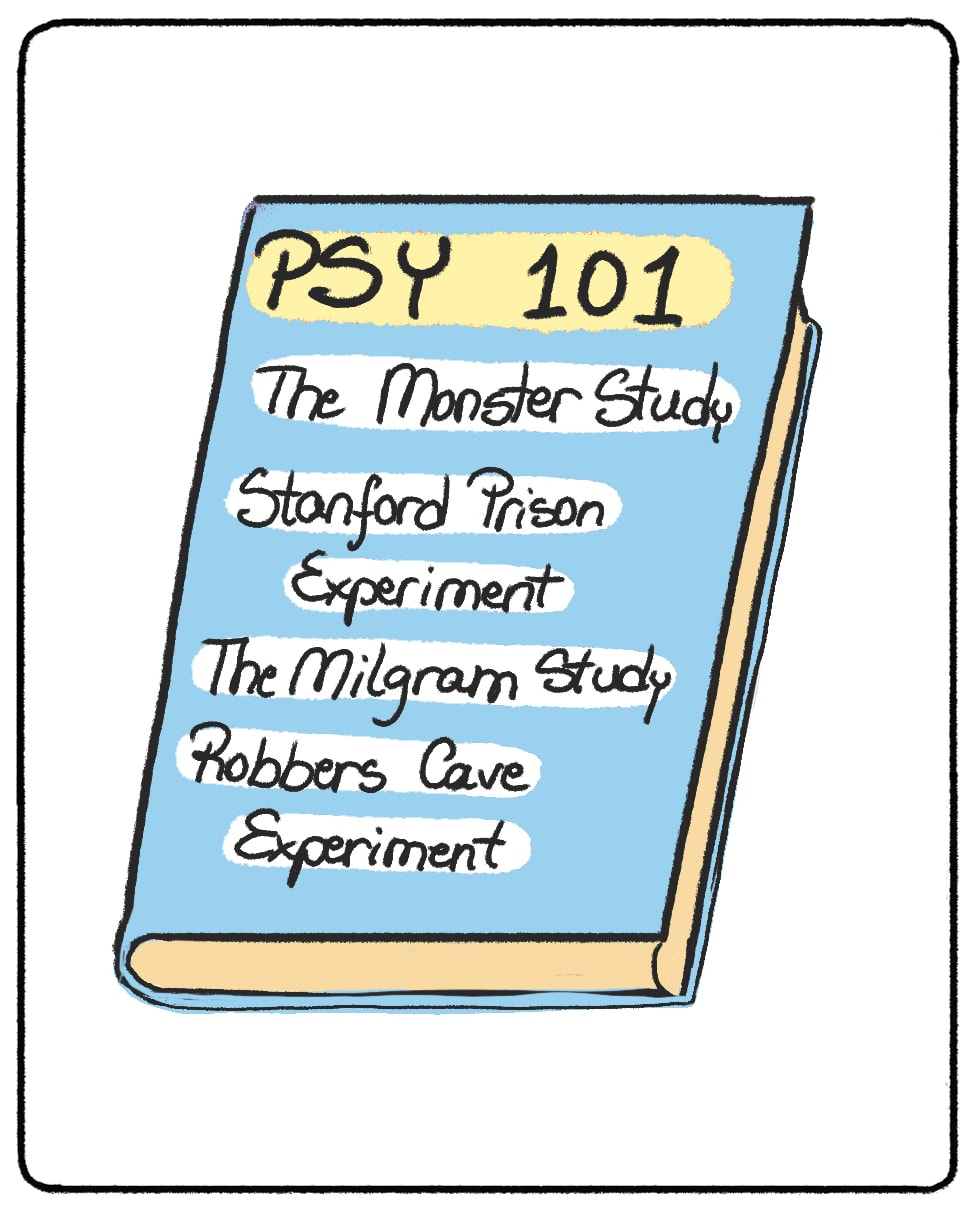
Social psychology doesn’t just look at why humans make good decisions and follow the rules. Many theories and experiments in this field attempt to answer the questions about why humans do bad things. Many of social psychology’s most notable (or notorious) experiments happened in the years after World War Two. How could humans commit such atrocities? How can we prevent the attitudes and behaviors that led to the rise of Nazism?
Some of these experiments are listed below. If you’ve seen some of my videos, you might be familiar with these experiments and the impact they’ve had on the world of psychology.
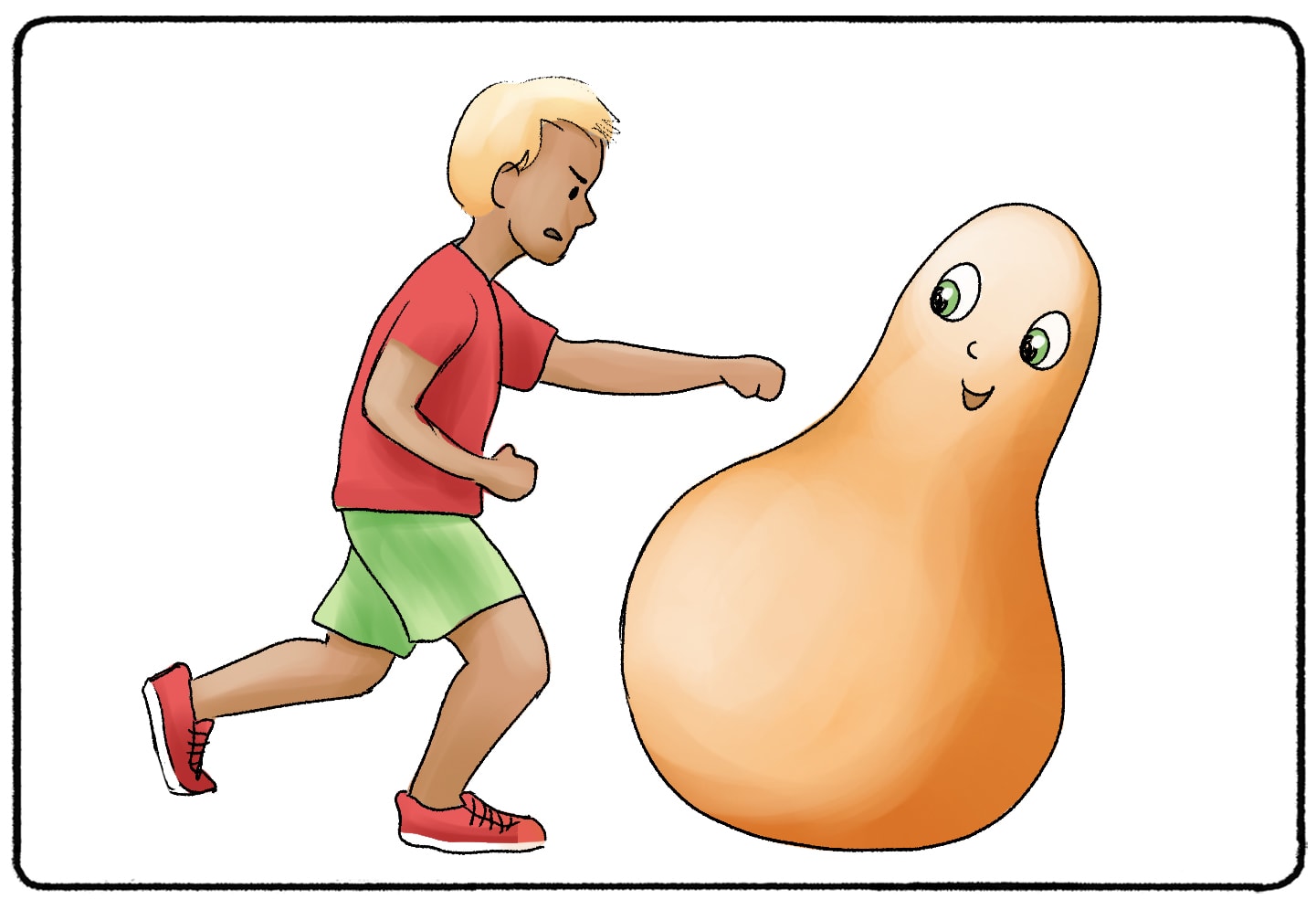
Bobo Doll Experiment
Stanford Prison Experiment
Many experiments within Social Psychology are quite notorious.The Stanford Prison Experimentmay be the most notorious of all. (You can watch a movie about it on Netflix!) The experiment placed college-age boys in a simulation prison, with half the group role-playing as “guards” and half the group role-playing as “inmates.” Very quickly, the guards and inmates took to their roles. Both roles became violent, and the experiment was put to a halt after only six days. The experiment attempted to show how quickly labels and roles can affect a person, even in a simulation.
Milgram Experiment
Why do we make questionable decisions? Sometimes, we are just following orders. In the 1960s, Stanley Milgram conducted an experiment in which people were instructed to deliver electric shocks to “participants.” (They were just actors.) The shocks were as high as 450 volts, labeled “XXX.” But the researchers instructed the participants to give the shocks.
Surprisingly, many participants delivered the shocks. Even if they felt uncomfortable with the task, they followed orders.Milgram’s experiment, like the Stanford Prison Experiment, goes down as another notorious and potentially damaging experiment to the participants issuing the shocks. But it offers an explanation for why people may commit crimes or make unethical decisions.
This is just the tip of the iceberg! There is a lot more to the scientific field that we call social psychology. After all, it’s been discussed since the days of Aristotle!
This field will continue to evolve, especially as the world faces new challenges and creates new technology. Social media, for example, is at the core of many social psychology studies. Thirty years ago, “social media” wasn’t even a term.
So take the time to learn the basics of social psychology and build your knowledge on how society impacts individuals. You may learn something about yourself, your culture, or how the people around you view the world.
Related posts:40+ Famous Psychologists (Images + Biographies)Albert Bandura (Biography + Experiments)Stanley Milgram (Psychologist Biography)Behavioral PsychologyCareers in Psychology
Related posts:
Reference this article:Practical Psychology. (2020, April).Social Psychology.Retrieved from https://practicalpie.com/social-psychology/.Practical Psychology. (2020, April). Social Psychology. Retrieved from https://practicalpie.com/social-psychology/.Copy
Reference this article:
Practical Psychology. (2020, April).Social Psychology.Retrieved from https://practicalpie.com/social-psychology/.Practical Psychology. (2020, April). Social Psychology. Retrieved from https://practicalpie.com/social-psychology/.Copy
Copy
