“Stop comparing yourself to other people.”
Have you ever heard this advice before? It’s pretty good advice, but not easy to follow. As soon as you open Instagram or Facebook, you may immediately compare your current situation to the photos you see. Your friend is relaxing on the beach. Your cousin is sharing the map of his 10-mile run. Meanwhile, you’re at home on Instagram. That’s not a fun feeling.
You know that it’s not always helpful to compare yourselves to others, but the Social Comparison Theory explains why you choose to do so anyway.
What Is Social Comparison Theory?History of Social Comparison TheoryWhy Do We Compare Ourselves to Others?Different Types of Social ComparisonSocial Comparison Theory Examples - Social Media
What Is Social Comparison Theory?
History of Social Comparison Theory
Why Do We Compare Ourselves to Others?
Different Types of Social Comparison
Social Comparison Theory Examples - Social Media
An American psychologist Leon Festinger created the Social Comparison Theory to explain the innate drive to compare themselves to others. Why we compare ourselves, how this process happens, and the results of the comparison may vary depending on your situation.
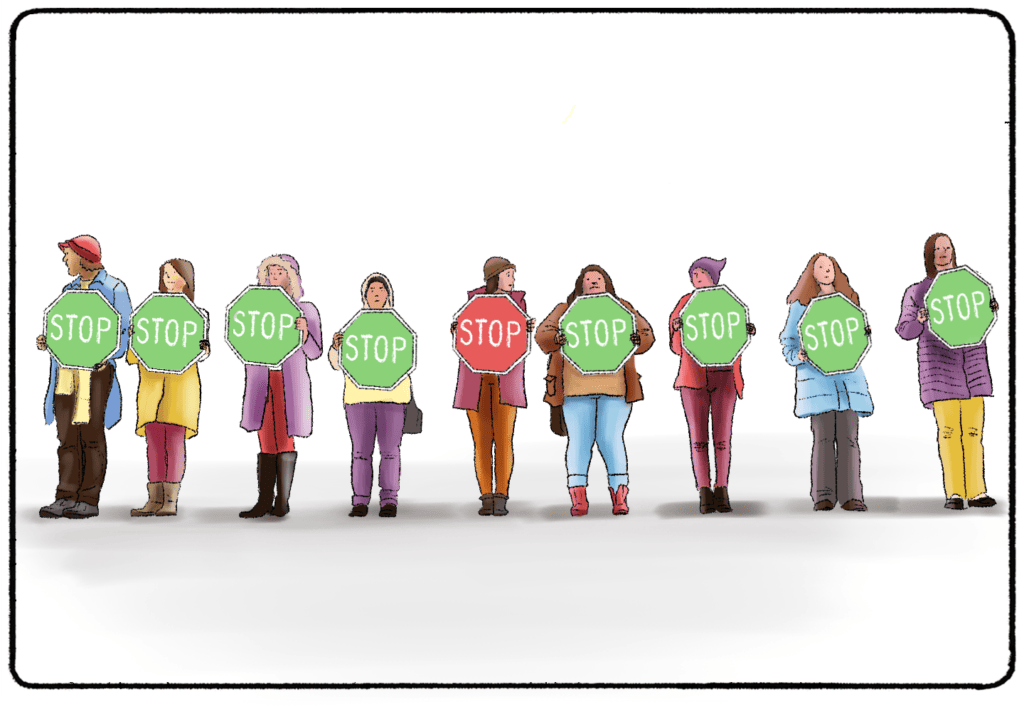
 people comparing themselves to others
If you’ve ever read about the theory of cognitive dissonance, you might have heard Festinger’s name before.Leon Festingercontributed some of the most important theories to social psychology. His work has changed the way we understand attitude formation and social thinking.
He first wrote about Social Comparison Theory in 1954, but he was not the first psychologist to write about the subject. We see elements of Social Comparison Theory in every experiment or theory within the world ofsocial psychology.Let’s look back toSocial Facilitation Theory.Participants in Triplett’s experiment performed better when they were in a group than when they were alone. One could argue that as each participant completed the task at hand, they compared their progress to the progress of others. If they believed they were “slacking,” they might have picked up the pace.
We know that we compare ourselves to other people. But why?
Festinger and the psychologists that came after him say that the reasons aren’t always so bad.
1) To Form Opinions
Is it okay to get drunk? What about telling little white lies? Should you live to work or work to live?
It’s not always easy to form an opinion about these questions without looking to other people. Feeling confident about sharing these opinions may feel impossible without looking to other people. Opinion formation is listed as one of the first functions of social comparison in Festinger’s original paper on the subject.
2) Self-Evaluation
You’re 25, you’ve had a solo business for over a year, and you’re thinking about proposing to your girlfriend but you don’t know if it’s the right time. How do you know that your business is successful? How do you know you’re on the right track? Can you wait a few months to propose, or are you “way behind schedule?”
The main reason why we compare ourselves to others to self-evaluate more properly. If “everyone” is getting engaged, you might feel that your plans to get engaged are right on schedule. If you’re living in a crummy apartment with six other guys and most other people your age are buying houses, you might feel that it’s time to step things up in your career.
3) To Make Changes
Once we see what “everyone else is doing,” we may be motivated to make changes. As you’ll learn in the next section of this video, we may pick and choose the people that we compare ourselves to. This often is done with the goal of changing our attitudes or behaviors. You may spend a day feeling sorry for yourself. After thinking about people less fortunate than you, you may decide to change your attitude and spend your time giving back to others.
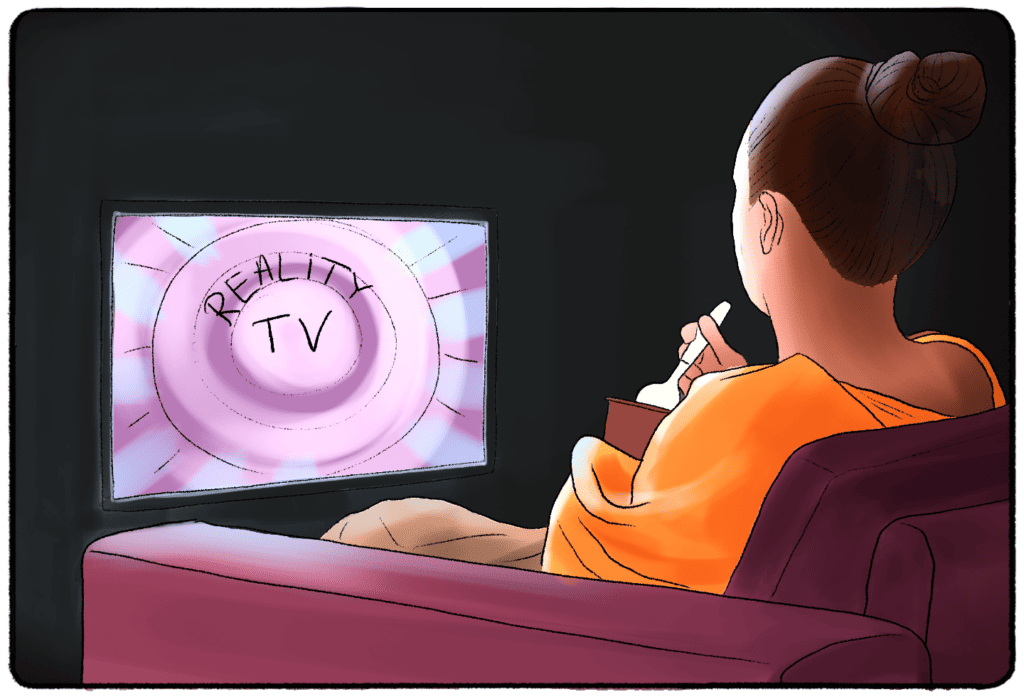
4) To Justify Our Actions
Let’s talk about how we compare ourselves to others. In Festinger’s paper on Social Comparison Theory, he writes that we tend to compare ourselves to people similar to us. We may choose to look to someone who is the same age, gender, or who had a similar upbringing. It doesn’t make sense to form an opinion of ourselves based on the life and accomplishments of a person completely different than us. According to Festinger, we prefer to compare apples to apples.
Since 1954, psychologists have made additions and tweaks to the idea of Social Comparison. One of the most notable additions is the definition of upward and downward social comparisons.
As I mentioned earlier, this process may be different at different moments in our life. In a time of great confidence, we may look to one set of people. In a time when we just want to feel better about ourselves, we may look to a completely different set of people.
Upward Social Comparison
Upward social comparison is the process of looking to people who we believe are in a “better” position than us. This may be a great basketball player, someone with more money, or a person who always has a smile on their face. We don’t do this to feel bad about ourselves. We do this because we believe that we can be better, and we look to these role models for guidance on how to do so. When you read biographies of a millionaire or watch your favorite player practice drills, you are engaging in upward social comparison.
Downward Social Comparison
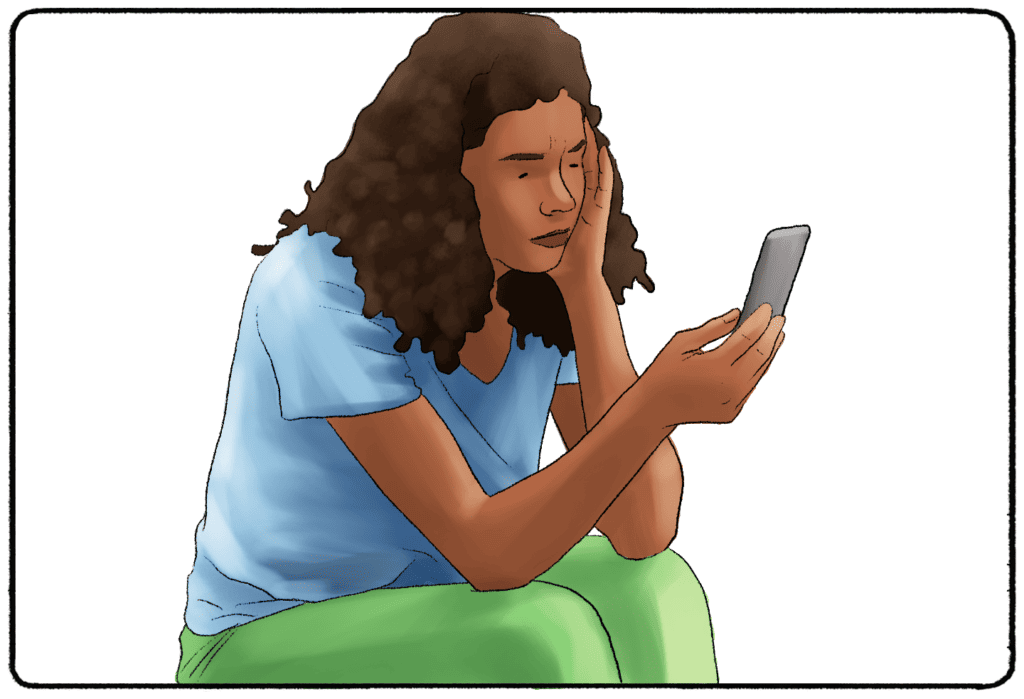
Social media has significantly changed the way that we compare ourselves to others. People put their best foot forward on their platforms, making their lives look more fun or successful than they really are. When you compare yourself to an unrealistic picture of someone’s life, you are more likely to feel that you are “behind” or not doing so well. Remember this when you are scrolling. It’s natural for us to compare ourselves to others - that’s what the Social Comparison Theory is all about. But when we are inundated with unrealistic images and videos, our ability to form opinions or self-evaluate may be compromised.
Related posts:The Psychology of Long Distance RelationshipsBeck’s Depression Inventory (BDI Test)Operant Conditioning (Examples + Research)Variable Interval Reinforcement Schedule (Examples)Concrete Operational Stage (3rd Cognitive Development)
Related posts:
Reference this article:Practical Psychology. (2020, April).Social Comparison Theory - Leon Festinger (Definition + Examples).Retrieved from https://practicalpie.com/social-comparison-theory/.Practical Psychology. (2020, April). Social Comparison Theory - Leon Festinger (Definition + Examples). Retrieved from https://practicalpie.com/social-comparison-theory/.Copy
Reference this article:
Practical Psychology. (2020, April).Social Comparison Theory - Leon Festinger (Definition + Examples).Retrieved from https://practicalpie.com/social-comparison-theory/.Practical Psychology. (2020, April). Social Comparison Theory - Leon Festinger (Definition + Examples). Retrieved from https://practicalpie.com/social-comparison-theory/.Copy
Copy
