How do you identify?
Start the:Sexual Orientation Test
This may not be a question you have been asked in the earlier years of your life, but as conversations about gender and sexuality are becoming more prevalent, it’s a more “normal” question to ask.
People do not want to assume that everyone around them is straight or cisgender. We share our pronouns on Zoom calls and use more general terms when talking about partners, spouses, etc.
This change may be uncomfortable to some, but past that discomfort is a chance to truly explore who you are and who you love. Not sure about your sexual orientation? This quiz is a great place to start. The results may not be how you later identify, but that is okay. How you label your sexual orientation and gender identity is ultimately up toyou.(And if you don’t want to put a label on it, that’s okay, too!)
As you explore these questions and the results, take some time to familiarize yourself with terms used to describe sexual orientation and gender identity. There is more than just “gay” and “straight.”
This also gives people more wiggle room to explore themselves and take on the label that works for their life and their feelings.
What Is Sexual Orientation?Sexual Orientation vs. Gender IdentityDifferent Sexual OrientationsHow to Confirm Your Sexual OrientationHow to Support the LGBTQ+ CommunityTest QuestionsResults
What Is Sexual Orientation?
Sexual Orientation vs. Gender Identity
Different Sexual Orientations
How to Confirm Your Sexual Orientation
How to Support the LGBTQ+ Community
Test Questions
Results
Sexual orientation is an identity that specifies which gender(s) a person finds sexually or romantically attractive. Examples of sexual orientation include heterosexual (“straight,”) homosexual (“gay,”) bisexual, pansexual, and more. Take note that sexual orientation is different than gender identity.
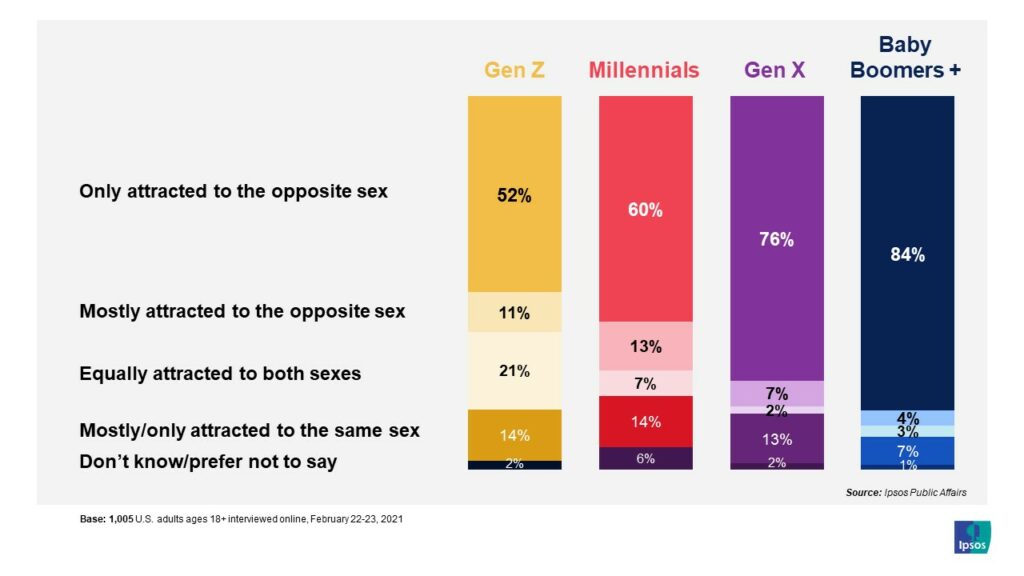 sexual orientation self reported
Sexual orientation is a fundamental aspect of human diversity that has been recognized and studied across cultures and throughout history. People may experience their sexual orientation as a consistent and stable part of their identity, or it may be fluid and change over time.
Some people may experience attraction to individuals of the same gender, opposite gender, multiple genders, or no gender at all. The complexity and variability of sexual orientation highlight the importance of respecting and celebrating the diversity of human experience.
Psychological factors may include early childhood experiences, family dynamics, and individual personality traits. Social factors may include cultural norms, media representation, and social networks. However, the exact nature and interplay of these factors is still not fully understood, and it is likely that sexual orientation is the result of complex and interacting factors.
It is important to note that sexual orientation is not a choice, and attempts to change or suppress one’s sexual orientation can be harmful and traumatic. Instead, individuals should be supported and respected in their sexual orientation, and given access to resources and information to help them explore and understand their identity.
This includes access to inclusive and affirmative healthcare, education, and legal protections that support the wellbeing and dignity of all individuals, regardless of their sexual orientation.
Log In0%complete
Log In
0%complete
 sexuality test
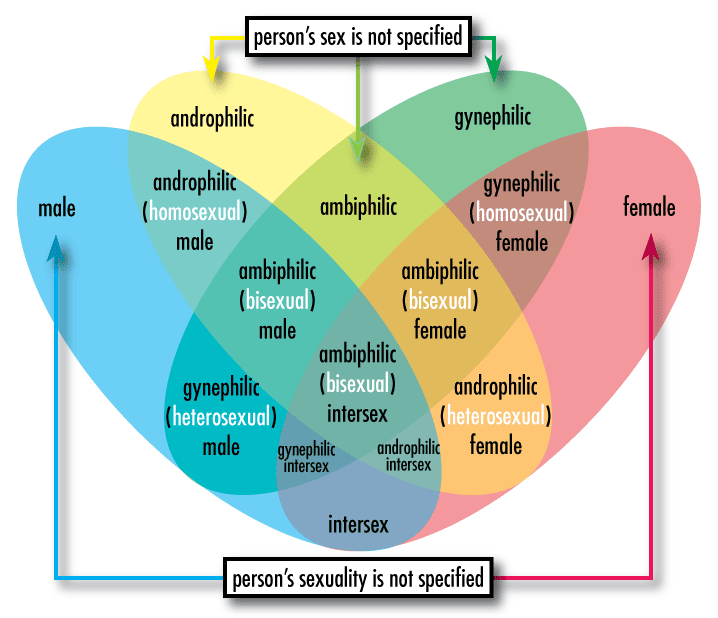
Sexual orientation only covers the LGB in LGBT. It is a separate concept from gender identity. Whereas sexual orientation determines who you areattracted to,gender identity specifies how youidentify yourself.Sex and gender are two different concepts. For the purpose of this quiz, we will be referring to people who identify as the same gender as you. A straight man is attracted to women, including cisgender women and transgender women.
“Cisgender” means that your gender identity “matches” the sex that you were born into. “Transgender” means that your gender identity is different. There is nothing better or worse about being one or the other.
I know this is already a lot of terms to wrap your head around, but that’s just the nature of the evolving language regarding gender identity. Without much access to education regarding gender studies in most schools, it can appear that the terms “bisexual” or “gay” is a lot of “new information.”
In reality, many of these terms have been around for decades and the concept of same-gender relationships has existed for hundreds of years.
Some sexual orientations that you may or may not be familiar with include:
There are other terms for people who have specific sexual preferences, including demisexual (people who form a close, romantic connection before they have sex) and sapiosexual (people who are attracted to a person’s intelligence.)
You should also know that it is okay, and very common for people to hide the fact that they aren’t straight. There are many signs you can look for if you think someone ispretending to be straight, but conversations about the topic should be started with caution.
If you are questioning your sexual orientation, you simply need to explore it more! There is nothing wrong with not knowing how you identify or thinking you may identify differently than how you have identified in life.
People may question their sexualities at a young age, in college, after they have been in a heterosexual marriage, or even much later in life. All of these timelines are okay.
It is important to note that sexual orientation is a deeply personal and complex aspect of identity, and there is no single “correct” way to confirm it.Here are some tips and resources that may be helpful in exploring and understanding your sexual orientation:
Exploring your sexuality doesn’t have to mean that you should break up with your partner or form intimate connections with multiple people. Talk to people in the LGBTQ community, friends, or a counselor. Be open and honest. If you find that experiences of those in the LGBTQ community match your experiences and feelings, you may feel comfortable identifying as LGBTQ.
For those that do identify as lesbian, gay, bisexual, transgender, etc., times are proving to be scary. No rights are guaranteed. Work still needs to be done to ensure that people in the LGBTQ+ community have equal access to family planning, housing rights, and affirming medical care.
Some ways you can support the LGBTQ community include:
Listen to the experiences and perspectives of LGBT individuals and communities. This means being open to hearing their stories, asking questions respectfully, and being willing to learn from them. Avoid making assumptions or speaking over LGBT individuals, and instead create a space for them to share their experiences and feelings.
Use language that is inclusive and respectful of all genders and sexual orientations. This includes using preferred pronouns, avoiding gendered language when it is not necessary, and avoiding slurs or derogatory language that can be harmful to LGBT individuals.
Offer support to LGBT individuals and communities in your personal and professional life. This can include attending LGBT events, volunteering at LGBT organizations, or donating to LGBT charities. It is important to be respectful of the needs and preferences of LGBT individuals and communities, and to seek out opportunities for support that are genuinely helpful and empowering.
Below, you’ll find a video with a sexual orientation self-reported test, feel free to watch!
Straight
You’re straight, and that’s okay! It does not appear based on your answers that you are in the LGBTQ+ community. However, this test cannot tell you who you are or what you want out of life. If you want to explore your sexuality further, no one is stopping you! If you have questions about your gender identity, do not use this as a final answer.
Know that even if you find yourself attracted to some people of the same gender, go on a few dates with people of the same gender, etc. you can still identify as straight. Only you can decide that for yourself! As long as you are honest with your partners and dates, identify how you please.
Gay, Bi, Pan, etc.
Based on your answers, you are likely to be gay, lesbian, bisexual, pansexual, etc. Is this a surprise? That’s okay. This is not the end-all, be-all test for sexual orientation, so it’s okay to continue exploring. But know that however you identify, and however long it takes you to come out of the closet, you are perfect the way you are. No one can tell you that you are one thing or another because that’s how they see you. Sexual orientation, just like gender identity, is very personal. Explore it, own it, and live your truth on your terms!
Consider Exploring More
Maybe you don’t know how to identify yourself, and that’s okay! Sexuality is not concrete. Although you may have had same-gender relationships in the past, you may find that they are not for you, or vice versa. Just know that it is totally okay to change your mind, experiment, and let others know that you are still figuring things out for yourself. Onlyyoucan determine who you are attracted to.
Consider exploring your sexuality more. Talk openly with friends, especially those in the LGBTQ community. Expose yourself to LGBTQ media and literature. Join discussions online. You may find that your experiences align with people in the LGBTQ community and that their labels feel right for you. Or, you may realize that you’re not into people of the same gender! Every conclusion is okay, as long as you are honest with yourself.
Related posts:17 Signs A Guy Is Pretending To Be Straight (Psychological Reasons)Intersectionality in Psychology (9 Examples + Definition)Identity vs Confusion: Psychosocial Stage 513 Signs That A Man Has Sexual ExperienceIdentity Achievement (in Psychology)
Related posts:
Reference this article:Practical Psychology. (2022, May).Sexual Orientation Test (100% Free 3-Min Quiz).Retrieved from https://practicalpie.com/sexual-orientation-test/.Practical Psychology. (2022, May). Sexual Orientation Test (100% Free 3-Min Quiz). Retrieved from https://practicalpie.com/sexual-orientation-test/.Copy
Reference this article:
Practical Psychology. (2022, May).Sexual Orientation Test (100% Free 3-Min Quiz).Retrieved from https://practicalpie.com/sexual-orientation-test/.Practical Psychology. (2022, May). Sexual Orientation Test (100% Free 3-Min Quiz). Retrieved from https://practicalpie.com/sexual-orientation-test/.Copy
Copy
