We can all agree that babies don’t know how to do a lot. But they grow fast. If you’ve ever cared for an infant or a 1-year-old, you see how fast they develop and learn how to crawl, walk, and take in the world around them.
What Is the Sensorimotor Stage?The Six Substages of The Sensorimotor StageWhat Comes After the Sensorimotor Stage?Laying the Groundwork for Lifelong Learning
What Is the Sensorimotor Stage?
The Six Substages of The Sensorimotor Stage
What Comes After the Sensorimotor Stage?
Laying the Groundwork for Lifelong Learning
From birth to age 2, babies are in the sensorimotor stage of cognitive development. This stage is the first of four stages in Jean Piaget’s Theory of Cognitive Development. The sensorimotor stage hassix substageswithin this one stage.
 object permanence in the sensorimotor stage
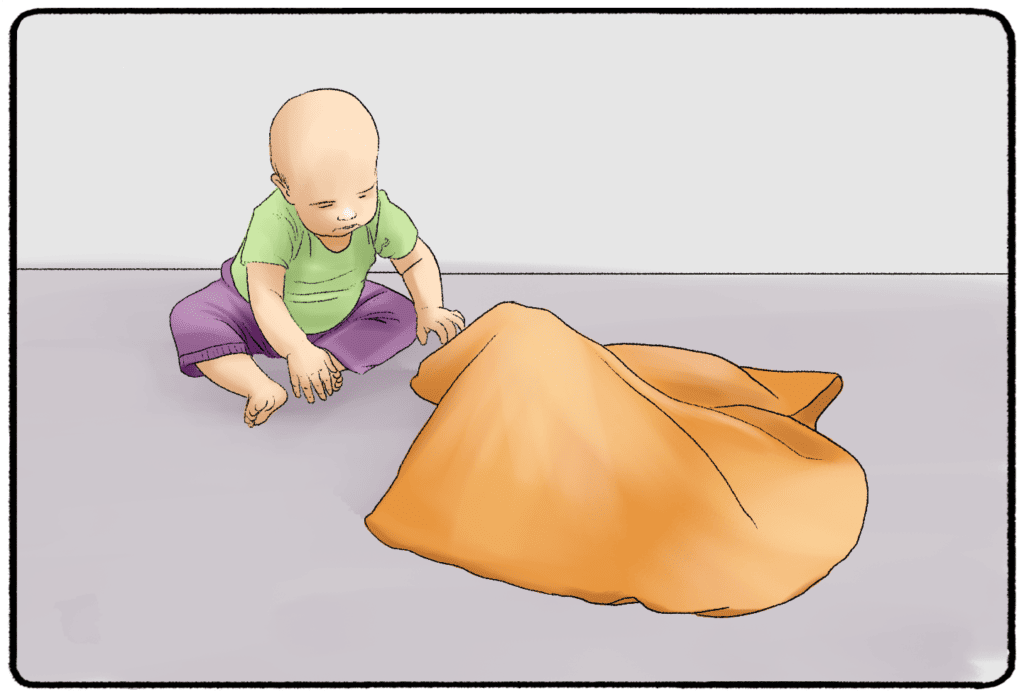
Object Permanence
Before we break down the six substages of the sensorimotor stage, let’s discussobject permanence. If you only take away one thing from this video, it should be the concept of object permanence and the idea that it develops during this initial stage of cognitive development.
This is why babies find peek-a-boo so fun! They may literally think that you have gone missing when you put a blanket over your face or hide underneath a table.
Stage 1: Reflex Acts
Object permanence is one of the more advanced parts of cognitive development in this stage. Now, let’s break down the basics and start with the first substage during the sensorimotor stage.
Stage 2: Primary circular reactions
Between the ages of one month and four months, the child enters a second substage of the sensorimotor stage. The biggest difference between the first and second substages is that movements become voluntary. The child begins to connect reflexes with pleasurable feelings. They start to repeat that movement to feel that pleasure once again. This coordination and awareness gives them more control over their physical body.
However, these movements and reflexes only come from movements that they have experienced. Infants are not predicting what will feel good or experimenting with their bodies. They are simply reacting to a pleasurable sensation and repeating the reflexes that brought on that pleasurable sensation.
Research on babies and their brains shows that the cerebral cortex (including sensory and motor cortex) dramatically develops during this stage of life.
Stage 3: Secondary circular reactions
From the ages of four to eight months, learning starts to move outside the infant’s body. In the primary circular reaction stage, the infant focuses solely on sensations within their body (hand in the mouth, hands together, etc.) Now, the infant is focusing on other objects or things outside their body.
This is when the schema of object permanence starts to develop.
Stage 4: Coordination of secondary circular reactions
At this point, you might start to see the babies repeating the objects of their parents. They might also start intentionally and voluntarily moving with a specific goal. Babies also start to understand words at this stage.
Stage 5: Tertiary circular reactions (aka deliberate learning)
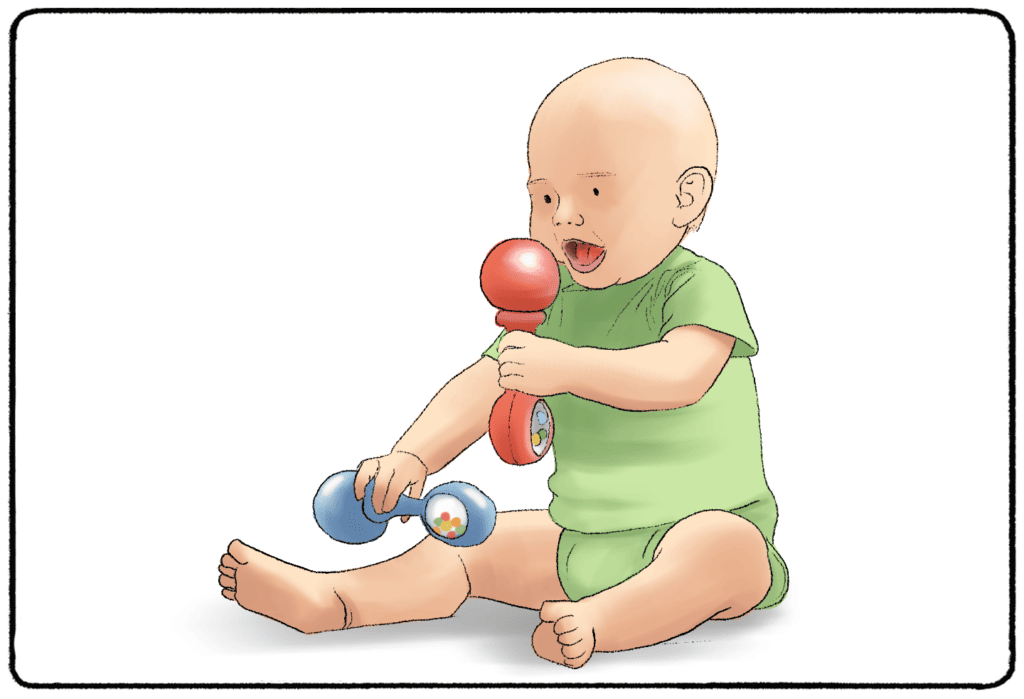
One of the most profound developments during this substage is the emergence of language acquisition. While physical actions and sounds had been their primary mode of communication, the advent of verbal communication represents a monumental shift. Around this time, many babies articulate their first definitive words. More than mere parroting, these initial words result from realizing that spoken sounds – or words – have specific meanings and implications. Given that they’ve grasped that words can lead to particular consequences or reactions, they are likely to repeat words that have garnered positive responses or have served their purpose in the past.
The sprouting of language during this period isn’t just about vocabulary expansion; it’s the dawn of a more intricate form of communication, paving the way for richer interpersonal interactions and a deeper understanding of the world. It sets the stage for the child to express desires, share feelings, and ask questions, deepening their cognitive and emotional connections with those around them.
Stage 6: Mental combinations (aka beginnings of symbolic thought)
Phew! This is justonestage of Piaget’s Theory of Cognitive Development. After this, the child will go through three other stages of cognitive development:
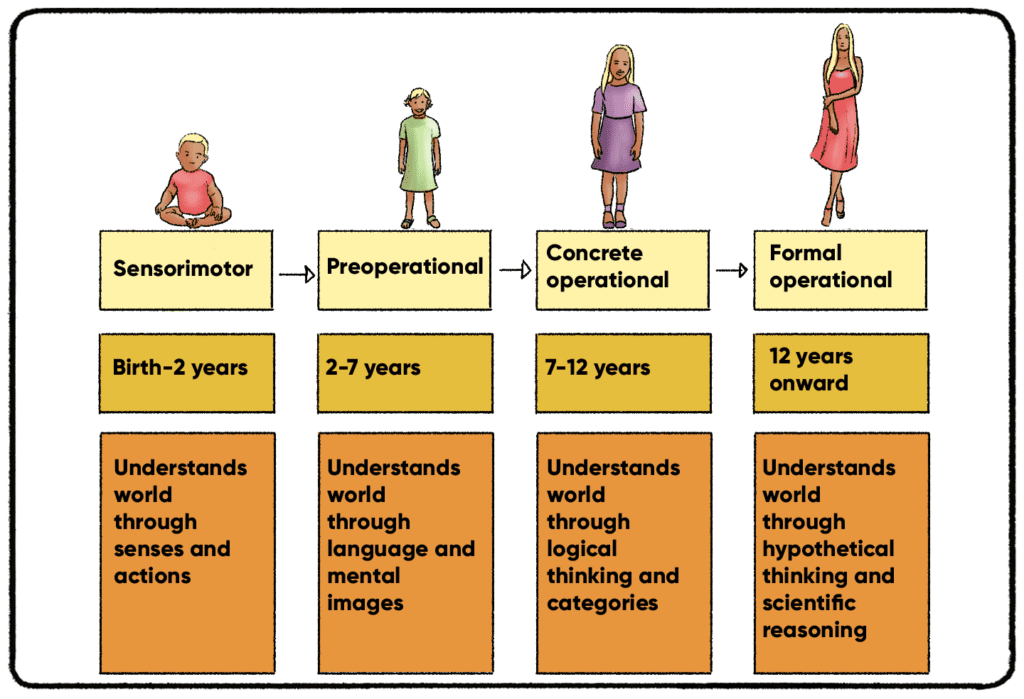
The sensorimotor stage, encompassing the first two years of a child’s life, is a transformative period in cognitive development. Children transition from reflex-driven beings to individuals capable of intentional actions, basic reasoning, and symbolic thought during this time. Their understanding of object permanence sets the stage for more complex cognitive tasks, and their ever-evolving interactions with the world lay the foundation for future learning.
As children advance from the sensorimotor stage to the preoperational stage and subsequently through the concrete operational and formal operational stages, they don’t just gather more knowledge. They build upon the cognitive structures developed during these early years. The ability to engage in symbolic thought, understand cause and effect, and realize that objects and people continue to exist even when not directly observed, is foundational.
For parents and caregivers, understanding the significance of the sensorimotor stage offers a glimpse into the intricate process of cognitive development. It underscores the importance of nurturing, stimulating, and supporting children through their earliest experiences, as these initial interactions with the world form the building blocks for all future cognitive growth.
Related posts:Object Permanence (Definition + Examples)Jean Piaget’s Theory of Cognitive DevelopmentCephalocaudal DevelopmentConcrete Operational Stage (3rd Cognitive Development)Trust vs Mistrust (Psychosocial Stage 1 Examples)
Related posts:
Reference this article:Practical Psychology. (2019, September).Sensorimotor Stage.Retrieved from https://practicalpie.com/sensorimotor-stage/.Practical Psychology. (2019, September). Sensorimotor Stage. Retrieved from https://practicalpie.com/sensorimotor-stage/.Copy
Reference this article:
Practical Psychology. (2019, September).Sensorimotor Stage.Retrieved from https://practicalpie.com/sensorimotor-stage/.Practical Psychology. (2019, September). Sensorimotor Stage. Retrieved from https://practicalpie.com/sensorimotor-stage/.Copy
Copy
