2+2 is…
There are two types of cells: _____ and ______.
The states are Alabama, Alaska, Arizona, Arkansas…
You might be singing songs as you pull up this information in your head. You might be thinking about a flashcard you used in grade school before a quiz. The goal of these exercises and study games became tomemorizethe information.
You probably repeated these exercises, quizzes, and other study techniques repeatedly. During this time, you were engaging in a practice calledrote memorization.
In this discussion, I’ll discuss rote memorization, why it’s highly debated among educators, and how to use it effectively. Rote memorization alone will not make you a genius, but it can help to set a solid foundation for evaluation, creation, and other high-level thinking skills.
What is rote memorization?ExamplesRote memorization vs critical thinking (difference between memory and intelligence)When is rote helpful learning? (short time frame or foundational information)Related posts:
What is rote memorization?
Examples
Rote memorization vs critical thinking (difference between memory and intelligence)
When is rote helpful learning? (short time frame or foundational information)
Related posts:
Rote memorization, or rote learning, is learning through repetition and memorization. The goal of rote memorization is to be able to recall information once it is presented to you instantly.
Four! You probably didn’t have to think about the answer. But this is only after years and years of hearing your parents, teachers, or characters on television tell you that 2+2 is 4. This is a successful case of rote memorization.
Throughout this page, I’ve mentioned a few ways we learn through rote memorization. Everyone also has their own unique tricks. You have also probably used a handful of these at the suggestion of teachers, parents, or study buddies:
Learning strategies often generate significant curiosity. Among these, the merits and demerits of rote memorization are frequently debated. Recently, with standardized tests becoming a predominant measure of a student’s academic success, rote memorization, which focuses on learning through repetition without necessarily understanding the context, has faced criticism.
Memorizing a list of definitions for a test poses a question: Does recollection equate to genuine understanding?
Many educators advocate that relying solely on rote memorization can be detrimental. When the focus shifts to just “teaching to the test,” students may miss out on developing crucialcritical thinking skills. For example, while recalling that 12 x 12 equals 144 is handy, it’s more impactful to understand the concept of multiplication, the logic behind it, and its application in various scenarios.
Similarly, simply naming all 50 states doesn’t provide as profound an insight as exploring each one’s unique culture and geography. Regurgitating facts isn’t sufficient in real-world situations, especially in professional environments. True problem-solving demands critical thinking: the ability to analyze, evaluate, and innovate. This often involves experimenting, learning from mistakes, and applying a more profound understanding to find solutions.
However, dismissing rote memorization as merely an “old” or “outdated” strategy would be a misunderstanding. In truth, it has its own merit and place in the learning process. When utilized appropriately, rote memorization can lay the foundational knowledge required before engaging in more interactive or hands-on learning experiences. Think of it as building the base of a pyramid, wherein experiential or project-based techniques can then enrich and expand upon that established knowledge.
In 1956, educational psychologistBenjamin Bloomcreated a hierarchy that classified higher-level and lower-level thinking. The hierarchy was built as a framework to help educators classify their goals for teaching students.
At the top of the hierarchy is “synthesis,” which psychologists have revised to “creation.” Creation includes all the higher-level skills you might expect: generating new ideas, planning a strategy, etc. Alongside creation is “evaluation.”
At the bottom of the hierarchy is “knowledge” or “remembering.” The skills required to display this level of thinking include recalling facts, recognizing and describing patterns, and memorizing information.
Like most hierarchies, the top cannot exist without the bottom. In Maslow’s Hierarchy of Needs, we cannot obtain self-actualization without physical needs like food and shelter. The same principle applies to Bloom’s hierarchy. We cannot evaluate and transform facts into something new without memorizing and recalling facts.
It’s challenging to think about taking a calculus class without the ability to know basic multiplication tables. Even if you did know how to use a calculator to add, divide, and subtract, higher-level math classes would be frustrating and tedious without the knowledge of 2+2.
 math and rote memorization
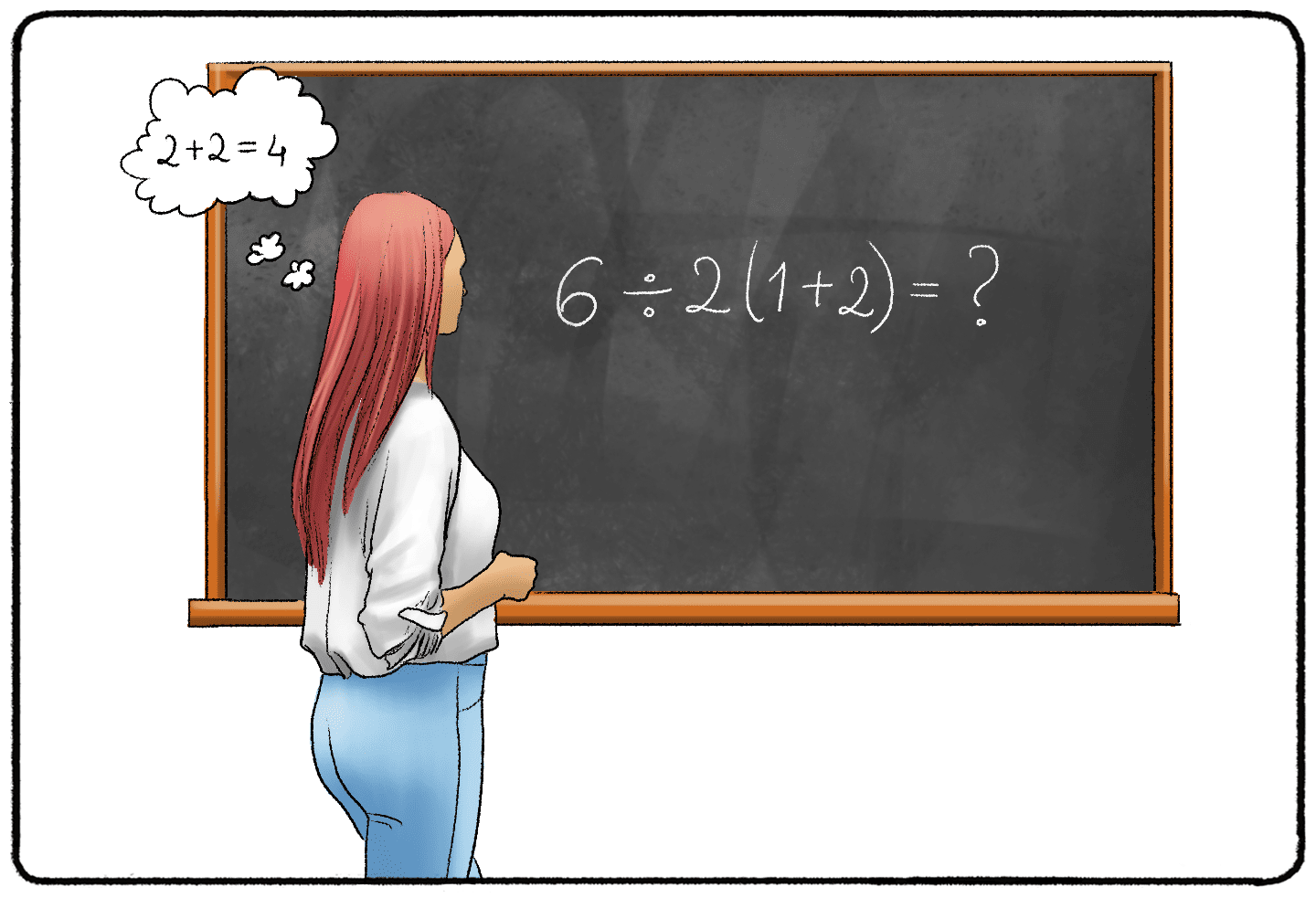
Recalling the tunes you sang to conjugate verbs in a second language is a prime example of rote memorization at work. Such melodies and repetitive chants embed information in our memory, serving as foundational blocks. This foundation is essential, for without it, our broader understanding and application of knowledge would be unstable, much like a pyramid built on shaky ground.
Rote memorization is the fastest way to learn something. Period. If you want to ensure that tomorrow’s test will memorize the capital of Japan, memorize it. Experiencing the culture of Japan or understanding how you can find the capital of Japan are great strategies, but unless you can Google the capital of Japan during your test tomorrow, you probably won’t be able to recall it.
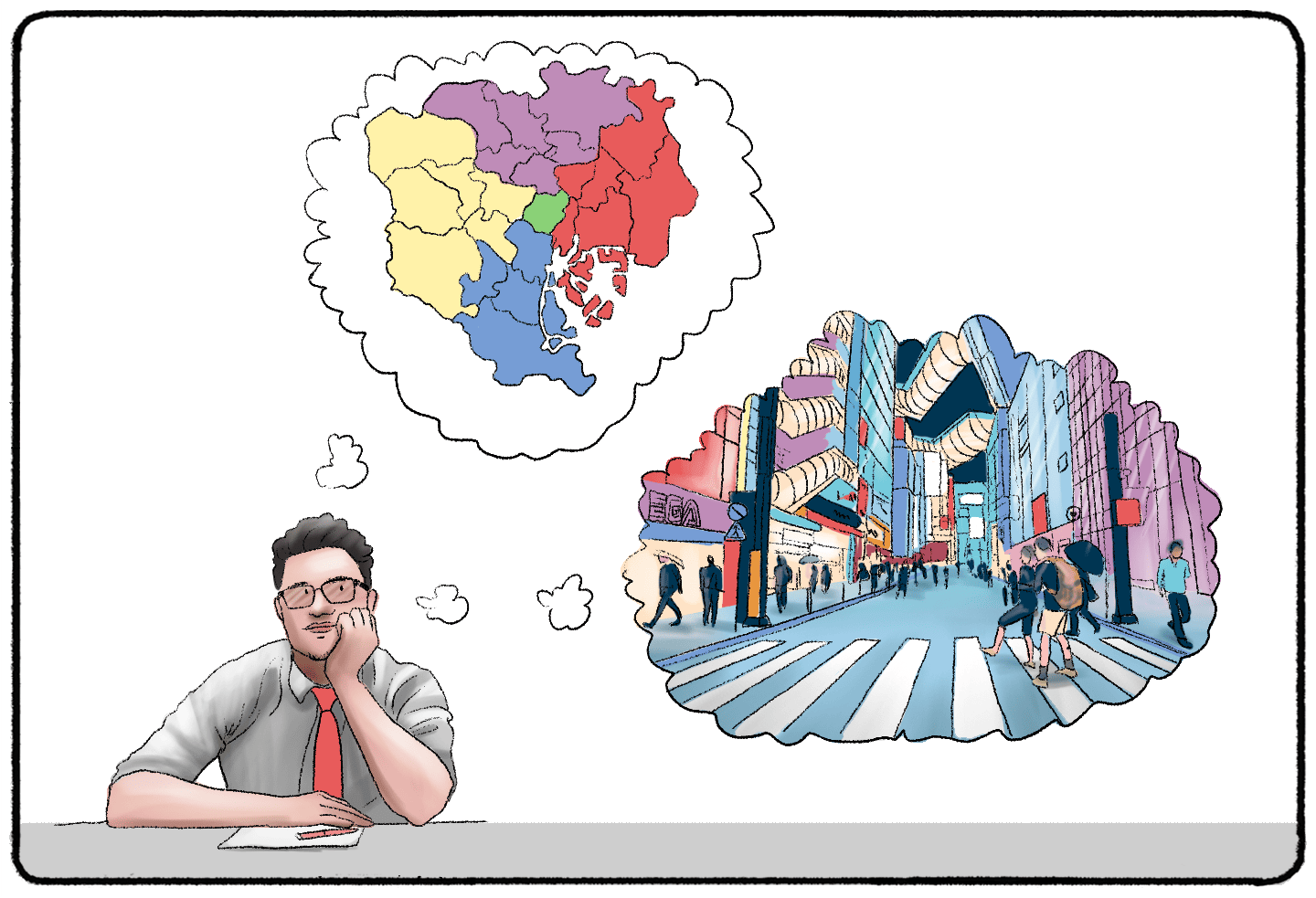
The critical lesson to take away from this video is that it’s essential to strike a balance between simply memorizing information and applying it to higher-level learning strategies. Rote memorization can quickly establish a piece of foundational knowledge, but merely recalling facts doesn’t demonstrate a deep understanding of a subject. To be an expert on Tokyo, you will have to do much more than just knowing that it’s the capital of Japan.
When you sit down to learn a subject, think about your goals. What do you need to know? What skills do you need to possess to get there? And what strategies will help you best retain what you need to learn?
Related posts:The Psychology of Long Distance RelationshipsBeck’s Depression Inventory (BDI Test)Operant Conditioning (Examples + Research)Variable Interval Reinforcement Schedule (Examples)Concrete Operational Stage (3rd Cognitive Development)
Reference this article:Practical Psychology. (2019, October).Rote Memorization and Learning Techniques.Retrieved from https://practicalpie.com/rote-memorization-and-learning/.Practical Psychology. (2019, October). Rote Memorization and Learning Techniques. Retrieved from https://practicalpie.com/rote-memorization-and-learning/.Copy
Reference this article:
Practical Psychology. (2019, October).Rote Memorization and Learning Techniques.Retrieved from https://practicalpie.com/rote-memorization-and-learning/.Practical Psychology. (2019, October). Rote Memorization and Learning Techniques. Retrieved from https://practicalpie.com/rote-memorization-and-learning/.Copy
Copy
