The Cambridge Dictionary provides two definitions for the word “violence:”
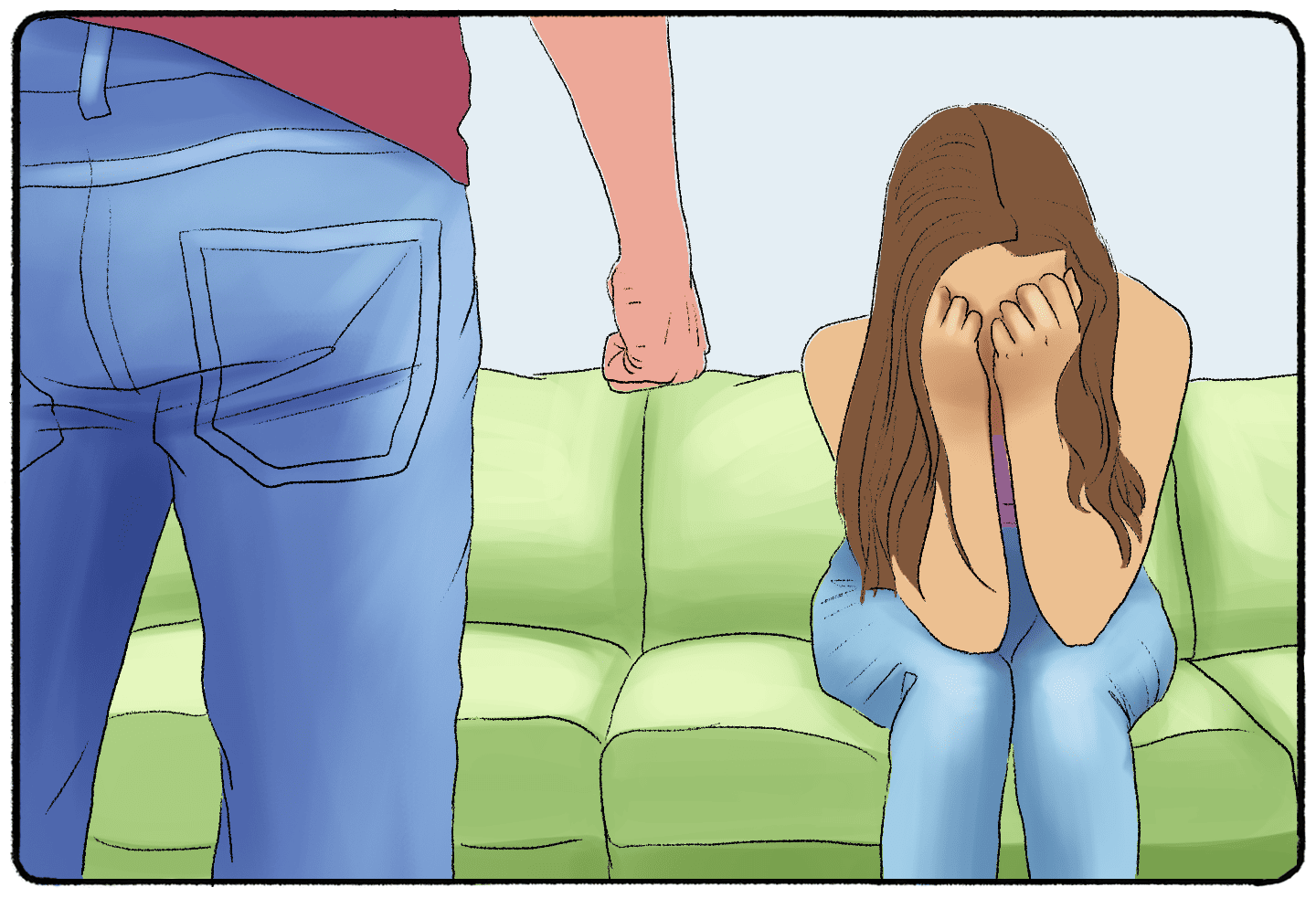
You may think you already know what violence is. Punching a guy on the street is violence, sure. But physical violence against someone that made you upset in a bar is far from the only type of violence that is being committed every day. There are many motivations fueling violence, and many forms in which it takes.
So take some time to learn the different types of violence. You might see something in a new light.

What Are the Three Main Types of Violence?Why It’s Important to Know The Different Types of ViolenceThere is Not Just One Type of Violence
What Are the Three Main Types of Violence?
Why It’s Important to Know The Different Types of Violence
There is Not Just One Type of Violence
The Violence Prevention Alliance (VPA) is a global organization dedicated to addressing the root causes of violence and better serving the victims of violence. They separate violence into three different categories, focusing specifically on one of these categories. Within these categories are further classifications of violence.
These categories include:
Let’s briefly look at these three categories and the sub-categories that can be found within them.
Self-Directed
Self-directed violence is relatively self-explanatory. If you are directing violence toward yourself, you are committing self-directed violence. Examples of this type of violence include harming yourself through cutting, or self-destructive behavior. A lot of the violence that we will discuss in the interpersonal violence section may be directed onto the individual themselves.
Interpersonal
This is often the violence that comes to mind when we think of the word “violence.” It happens between two people or a small group of people.
The VPA has divided this type of violence further: family/partner violence and community violence. Family and partner violence is commonly known as “domestic violence” in the eyes of the law. (Domestic violence may also refer to violence against a roommate, child, former significant other, or a co-parent.) Community violence includes violence against acquaintances or strangers.
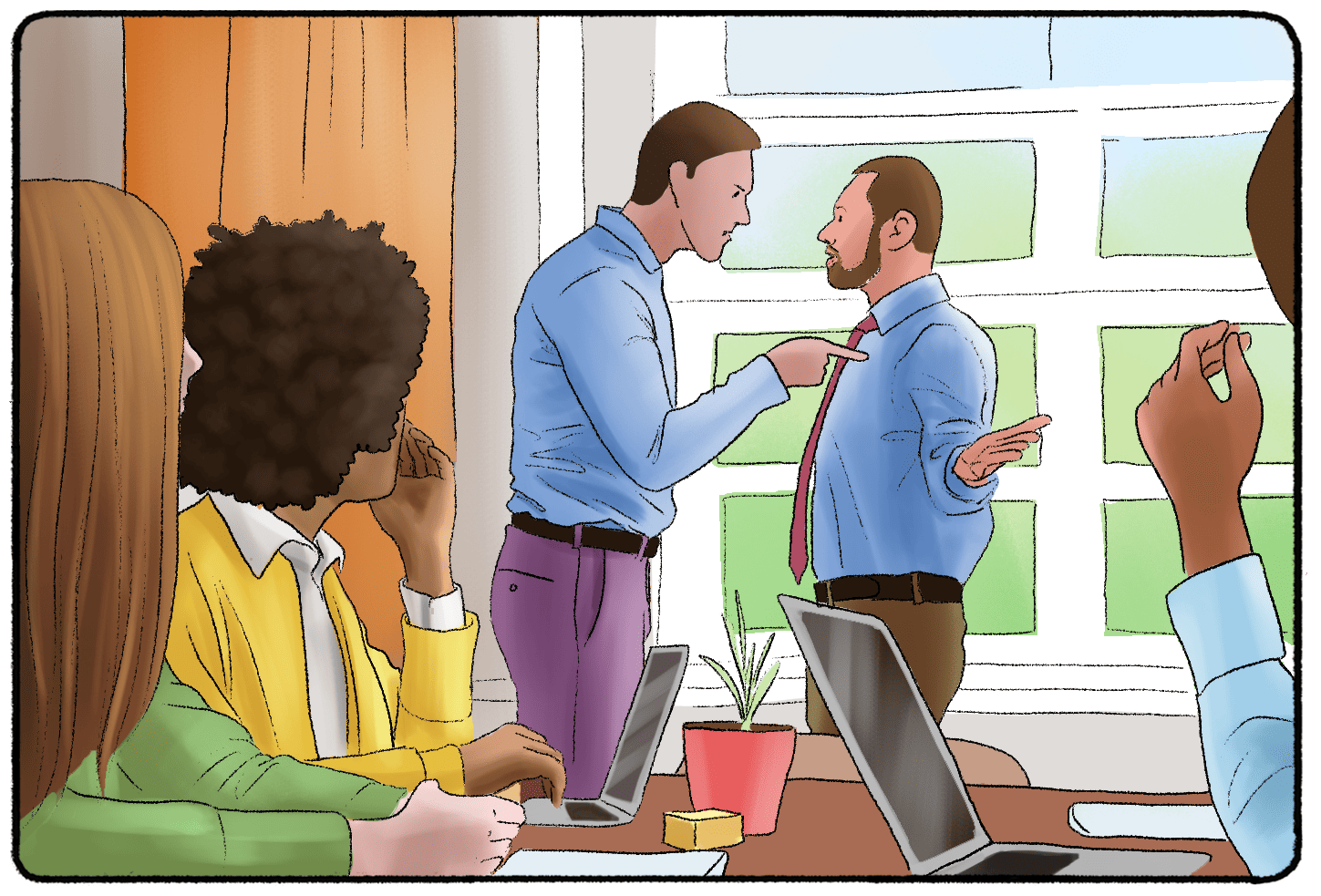
While the first two are pretty self-explanatory, let’s talk further about the last two.
TheEuropean Institute for Gender Equalitydefines psychological violence as any act that causes psychological harm to an individual. Examples of psychological violence include:
If someone threatens you, even without putting a hand on you, they are committing violence. Violence against property is still violence.
Deprivation or neglect is also a form of violence. This type of violence is most likely to occur against a child or someone who cannot independently provide for themselves.
Collective
Once victims become larger groups, the violence is considered collective violence. This doesn’t mean that a lot of people are victims are the same one perpetrator. Collective violence often has a large number of victims and multiple perpetrators that (willingly or unwillingly) work to commit this type of violence.
VPA includes the following types of violence in the umbrella of collective violence:
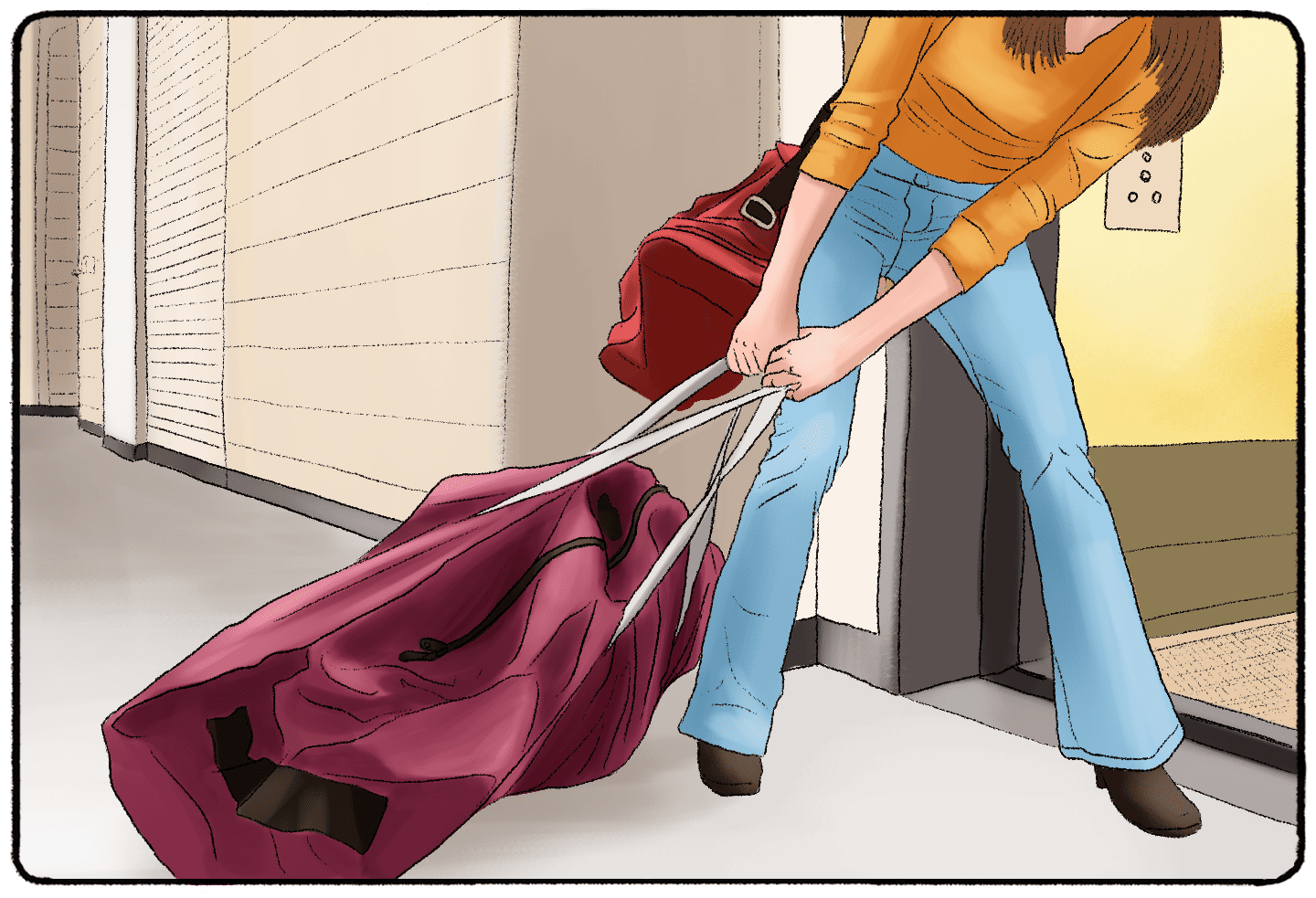
Economic violence specifically preys on people who are at an economical disadvantage. Providing unfairly low wages to undocumented workers, for example, is a form of economic violence. It is not easy to rise up out of economic violence if you have sacrificed your finances in the first place.
Domestic abusers may also use economic violence against their partner or loved one. One of the signs of domestic violence, for example, is denying a significant other to work despite their willingness to get a job.
Did you know that in some states, you can be charged for domestic violence without putting your hands on your partner or family member? Acts like harming another person’s property, using threatening words, or stalking may all fall under your state’s umbrella of domestic violence. It’s important to know these laws in the case you are ever falsely accused or have to defend yourself in court.
It’s hard to watch friends or family become victims of domestic violence. We may ask, “Why don’t they leave?” Often, it’s because the victim does not believe they are a victim. They may not see their partner’s behavior as violence. They may not recognize the signs of domestic violence, or simply make excuses for their partner’s behavior. Understanding the different forms of violence may help you or someone you know see a violent situation for what it really is.
It doesn’t take much to associate the Holocaust with violence. But what about the United States’ treatment of Native Americans? Or the War on Drugs? Or the treatment of the LGBTQ community throughout the AIDS epidemic? Violence does not just occur between two people. It can affect an entire society.
Clearly, violence is more than just getting into a bar fight or stabbing someone. Maybe this video opened your mind to how some actions may actually be considered violence.
Related posts:The Psychology of Long Distance RelationshipsBeck’s Depression Inventory (BDI Test)Operant Conditioning (Examples + Research)Variable Interval Reinforcement Schedule (Examples)Concrete Operational Stage (3rd Cognitive Development)
Related posts:
Reference this article:Practical Psychology. (2020, April).Psychology of Violence (Types + Examples).Retrieved from https://practicalpie.com/types-of-violence/.Practical Psychology. (2020, April). Psychology of Violence (Types + Examples). Retrieved from https://practicalpie.com/types-of-violence/.Copy
Reference this article:
Practical Psychology. (2020, April).Psychology of Violence (Types + Examples).Retrieved from https://practicalpie.com/types-of-violence/.Practical Psychology. (2020, April). Psychology of Violence (Types + Examples). Retrieved from https://practicalpie.com/types-of-violence/.Copy
Copy
