We couldn’t talk about theories of personality or psychology without mentioning Freud.Sigmund Freudis one of the most famous (and controversial) minds of the 20th century. His psychoanalytic perspective of personality offers a unique way of looking at the body and mind’s connection to personality.
What is the Psychoanalytic Theory of Personality?Freud and PersonalityOther Psychoanalytic Theories of PersonalityCriticismsWhy Is Freud’s Theory of Personality Important?Other Theories of Personality
What is the Psychoanalytic Theory of Personality?
Freud and Personality
Other Psychoanalytic Theories of Personality
Criticisms
Why Is Freud’s Theory of Personality Important?
Other Theories of Personality
 id, ego, and superego
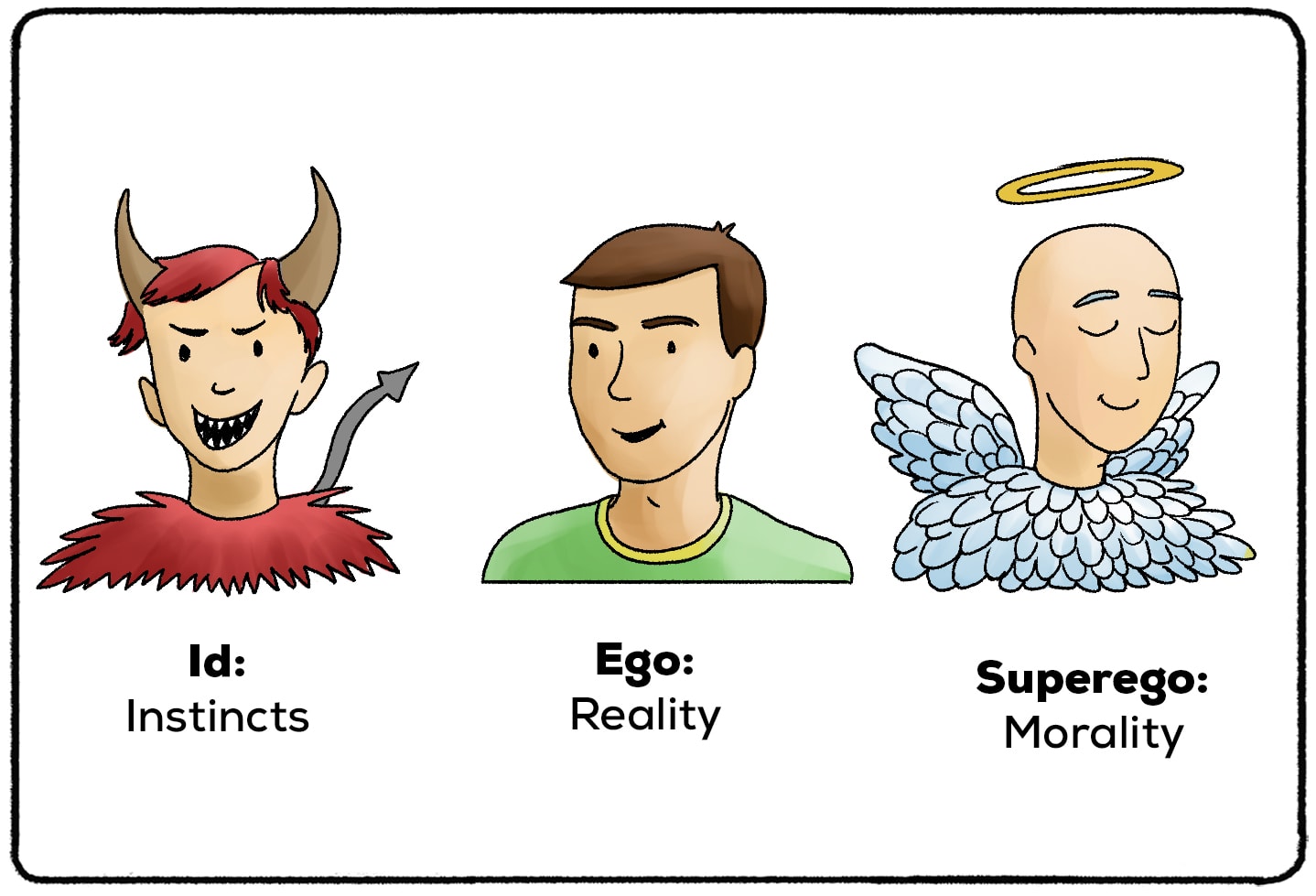
Id
SuperEgo
The SuperEgo lies on the opposite side of the spectrum. This part of the psyche wants to control the Id. If humans acted only based on receiving instant gratification and immediate pleasure, we would all be in a whole lot of trouble. The SuperEgo unconsciously and consciously acts to follow the rules of society and keep the Id from causing serious damage.
Ego
The Ego lies in the middle of these two entities. It is a constant struggle to balance out these two forces and make pleasurable decisions without causing too much damage. It’s like a well-minded adult standing between two children wanting to overthrow each other.
How do Freud’s ideas influence the way that we shape our personality? One of his theories was that as a child grows into an adult, they encounterfive psychosexual stages of development. During each stage of development, the Id is focused on a specific erogenous zone.
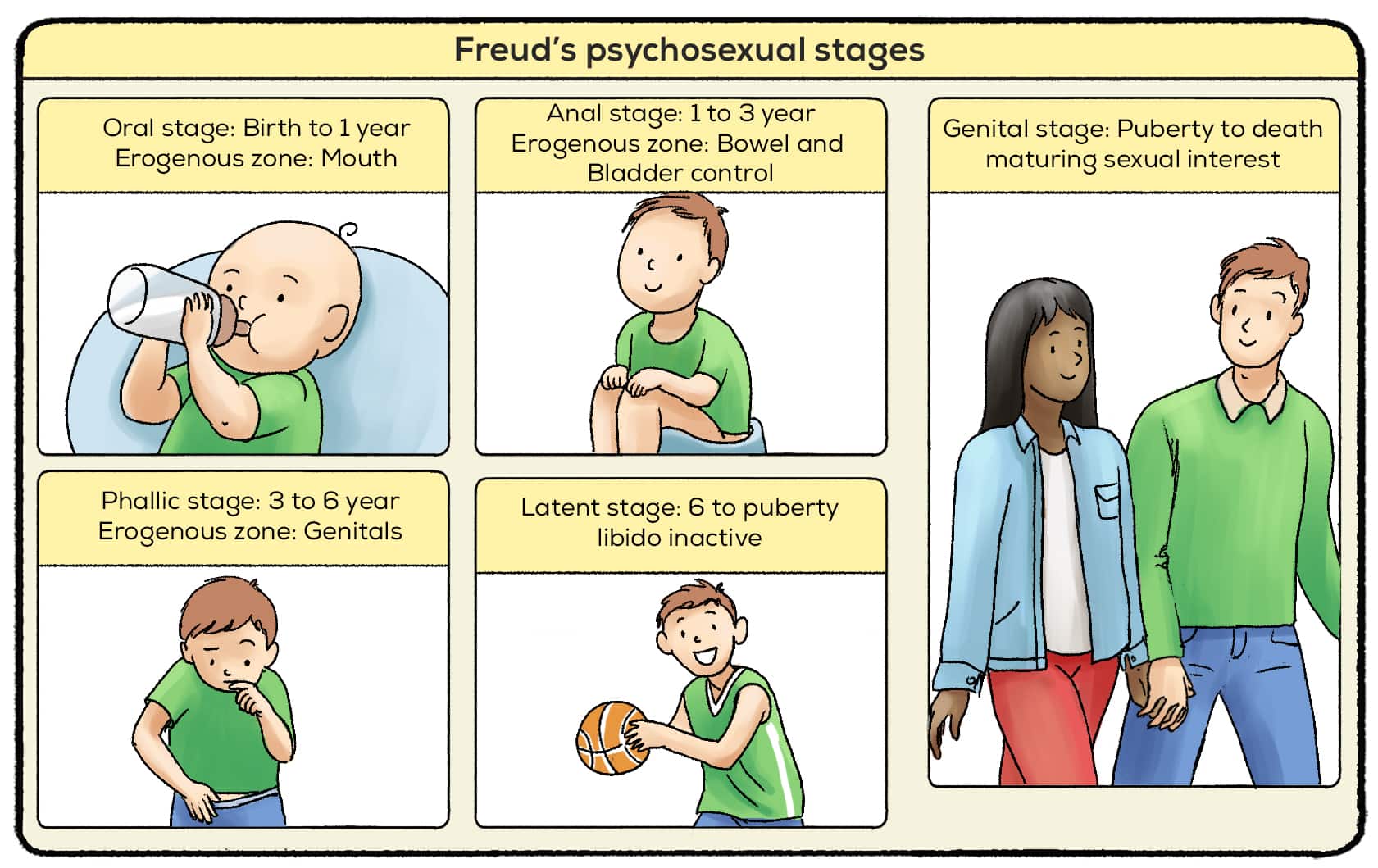
Oral fixations include smoking or problems with eating.
If someone fails to master potty training or still struggles during the anal stage, they may be a sloppy or lazy person.
During the phallic stage, Freud believed that boys and girls start to notice the difference in each other and developThe Oedipus Complexandpenis envy.The Oedipus Complex is the idea that unconsciously, young boys feel possessive of their mother and, as a result, feel aggressive toward their father. Freud also believed that young girls experiencedpenis envyand, due to their lack of penis, developed fixations that followed them until they were adults.
Sigmund Freud is the biggest name in psychoanalysis and the psychodynamic perspective, but he is far from the only person who used this approach. Think of psychoanalysis as an umbrella term. Underneath lies the work of Sigmund Freud, Carl Jung, Melanie Klein, and many others. Each of these names contributed their work to the psychoanalytic theory of personality.
Carl Jung and Personality Theory
Carl Jungworked with a lot of the same theories as Freud. He believed the unconscious mind, including the Id, Ego, and Superego,significantly impactedpersonality. But did you know you can thank Carl Jung for one of the biggest personality tests in the world? That’s right. If you have ever taken theMBTI Personality test, you can thank Carl Jung.
In addition to his work that led to the MBTI test, Carl Jung’s most famous theory also addresses how we form our personality. He believed in thecollective unconscious.Basically, the collective unconscious is the version of the unconscious that has always been shared throughout humankind. Jung believed that our fears of the dark, heights, or other common fears, for example, can be traced back to experiences that were remembered and shared through the collective unconscious.
Does your personality come from the experiences onlyyouhave had as a child, or does it come from the entire history of humankind? These are the questions that the nature-nurture debate continues to ask today!
Melanie Klein and Personality Theory
Melanie Klein was another psychologist who wrote about the impact of the unconscious but did not agree with Freud on everything he wrote. Her most well-known theory,Objects Relations Theory,is a little more comfortable to discuss in a classroom than Freud’s stages of psychosexual development.
Alfred Adler and Personality Theory
Adler did not believe in the collective unconscious or a universal force secretly connecting and impacting personality in the same ways. He believed that the individual faced different journeys, and even his method of psychotherapy would affect each individual differently. However, Adler believed that every child faced similar challenges and motivations from the moment they were born.
Freud often pointed to a child’s traumatic past or their need to fulfill sexual desires to assess personality. Adler believed the child’s goals could also determine personality and where they placed themselves on the journey to achieving them.
All children start out feeling inferior, Adler believed. But it’s up to the parent and childto navigate that journey and find security and confidence. A parent who gives the child the love and support they need will likely raise a confident kid who doesn’t mind being inferior as long as they works toward superiority. Children who feelinferior at everything and have no control are more likely toovercompensate.
Alfred Adler was the first to coin the term “inferiority complex.” Although he used examples rather than science to explain this theory, many psychologists now believe he had the right idea.
Alfred Adler also believed other factors likechildbirth orderplayed into inferiority and personality formation. The youngest child, for example, is always looking at older children and feeling a sense of inferiority. This makes them more likely to overcompensate in life. Only children faced their own set of challenges. Adler theorized that the amount of attentionan only child could get from their parents could impact their personality and make them dependent.
Anna Freud, Erik Erikson, and Personality Theory
Sigmund Freud’s daughter Anna Freud was also a psychoanalyst. She pioneered child psychology and believed that children could be psychoanalyzed. (Her father did not.) Through her work, Anna Freud was one of the earliest psychologists to identify and speak about the different stages that childrenandadults went through.
Anna Freud had a significant impact on Erik Erikson, a psychologist who went on to create the Stages of Psychosocial Development. Unlike the psychosexual stages of development or even Jean Piaget’s Stages of Cognitive Development, the psychosocial stages last until the golden years of a person’s life. A conflict, from trust vs. mistrust to integrity vs. despair, defines each stage.How a person handles that conflict can significantly shape their personality and behavior.
The psychoanalytic perspective remains one of thetop personality theories, alongside behaviorism and humanism. Unlike humanist theory, Freud’s focus remains on the unconscious. He explores the idea that to discover the root of our personality, we must dig deeper than what we experience on “the surface.”
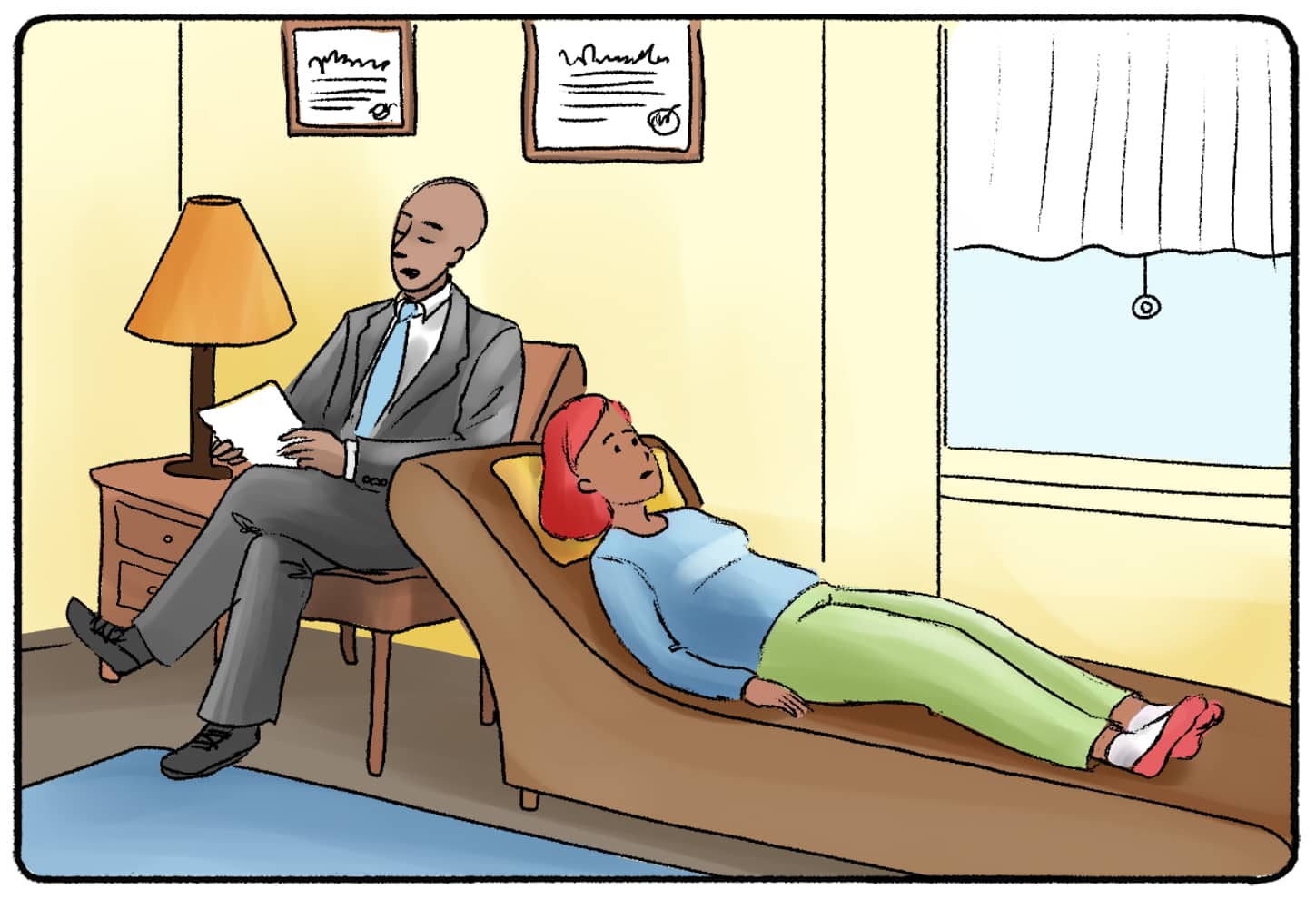
Psychoanalytic therapy grew out of Freud’s theories. This approach involves a therapist questioning their patient about childhood memories or possible events that led to struggles between the Id and the superego. Freud believed that humans repress many of their emotions; his goal during therapy sessions was to bring unconscious feelings into the conscious mind.
Trait Theories
One way that psychologists have tried to organize and understand personality is through personality traits. Traits are often identified on a spectrum, with two opposites on either side. (Carl Jung is not the only person to identify introversion vs. extroversion - Hans Eysenck made it one of three sets of traits that he focused on in his work.) This is one way to look at personality from three sets of traits to 4,000 total.
Behavioral and Social Cognitive Approaches
Humanist Approaches
More recent approaches to personality suggest that our personality and behavior come from the desire to fulfill a higher need. Like Erikson’s conflicts, humanist theories focus on the journey a person takes to fulfill their full potential. A person who is trying to achieve self-actualization is certainly going to behave differently than a person who is striving to have their basic needs met.
Psychodynamic theories give us a lot to think about when it comes to developing our personality. How many events in your life can you point out as “defining” moments that shaped your personality? How many events could have changed your personality without your knowledge?
Related posts:Alfred Adler Biography - Contributions To PsychologyCarl Jung Biography40+ Famous Psychologists (Images + Biographies)Freud’s Psychosexual Stages of Development (Definition and Examples)Unconscious Mind (Definition + Purpose)
Related posts:
Reference this article:Practical Psychology. (2019, January).Psychoanalytic Theory of Personality.Retrieved from https://practicalpie.com/psychoanalytic-theory-of-personality/.Practical Psychology. (2019, January). Psychoanalytic Theory of Personality. Retrieved from https://practicalpie.com/psychoanalytic-theory-of-personality/.Copy
Reference this article:
Practical Psychology. (2019, January).Psychoanalytic Theory of Personality.Retrieved from https://practicalpie.com/psychoanalytic-theory-of-personality/.Practical Psychology. (2019, January). Psychoanalytic Theory of Personality. Retrieved from https://practicalpie.com/psychoanalytic-theory-of-personality/.Copy
Copy
