Lighting plays a significant role, akin to how the clarity of our thoughts can illuminate or obscure our perceptions. Similarly, just as objects in our field of vision can block us from seeing the whole picture, our current emotions and preconceived notions can filter or alter our perception of reality.
This multifaceted interaction between external and internal factors constantly shapes our understanding and interpretation of the world.
And yet, the object remains the same. If we are familiar with this object, we can close our eyes and picture the object as it is, even if the proximal stimuli is telling us a different story.
What Is A Proximal Stimulus?Proximal vs. Distal StimulusConstancy: Our Mind Can “Fill in the Blanks” With Proximal Stimuli
What Is A Proximal Stimulus?
Proximal vs. Distal Stimulus
Constancy: Our Mind Can “Fill in the Blanks” With Proximal Stimuli
To process an object, our sensory receptors have to take information from that object and send it to the brain for processing. The information that our sensory receptors take in is called the proximal stimulus.
 proximal stimulus
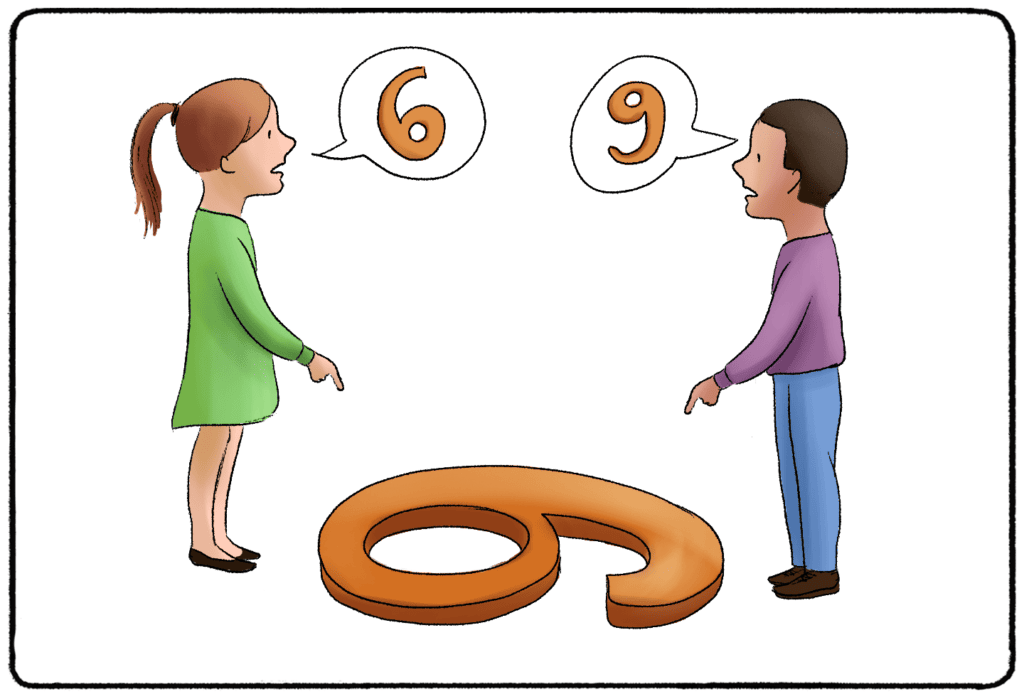
Proximal Stimulus Example
For example, we may look at an open book and see the pages that the book is open to. The actual object, the distal stimulus, consists of many more words than just the ones we see. However, the sensory receptors can only measure andprocess the words on the pageor the proximal stimulus.
You might be saying that even when I see a closed book, I know there are words inside. I’ll get to that later.
We know that the sensory receptors may be unable to take in everything about the object or see it for what it is. An object in its proper form is called the distal stimulus. When we talk about the proximal stimulus, it is often the distal stimulus.
If “proximal” means immediate or near, “distal” means away or detached. These terms are often contrasted against each other (for example, when talking about “proximal risk factors” or “distal risk factors.”)
ThisReddit postdives deeper into the difference between the two and provides references in common textbooks that explore proximal and distal stimuli.
Proximal Stimuli In Different Senses
Each senseuses different receptors to measure and process proximal stimuli. The retina, for example, contains millions of photoreceptors that take in the sight of proximal stimuli.
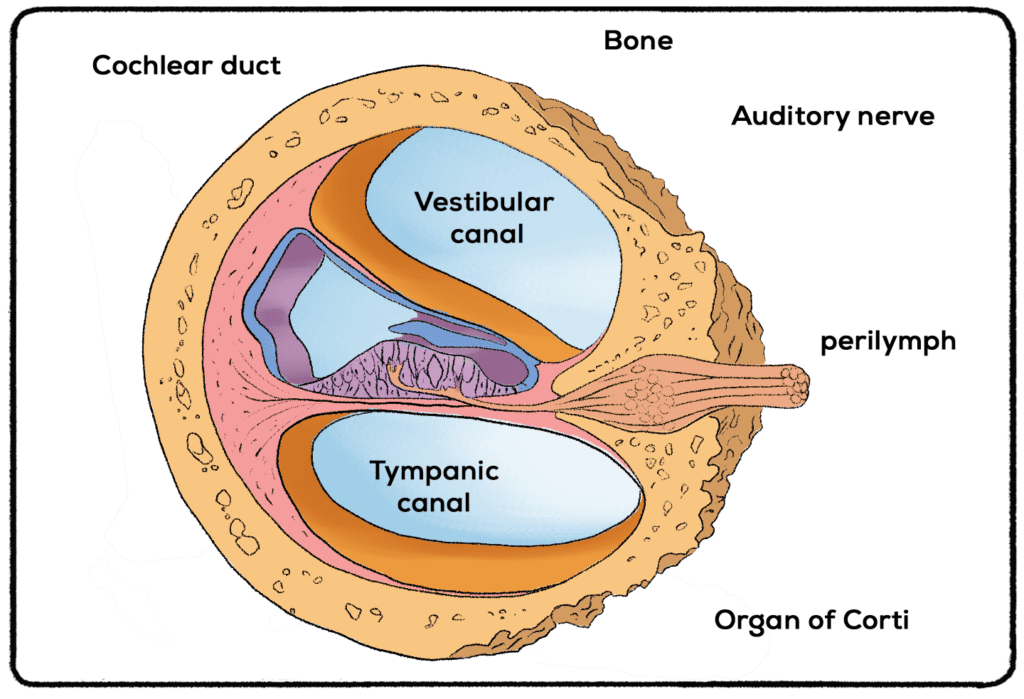
The Organ of Corti is the sensory receptor for the ear. It is located inside of the cochlea and contains “hair cells” that receive information from the proximal stimulus.
The olfactory receptor cells are responsible for “smelling” the proximal stimulus. These cells are located in the back of the nasal cavity.
Different taste receptors in the taste buds process the sweetness, bitterness, etc., of the proximal stimuli.
Last but not least, touch receptors are located throughout the skin.
Accuracy of Proximal vs. Distal Stimulus In Different Senses
Regarding some senses, there is very little to differentiate the proximal vs. distal stimulus. Psychologists believe that touch, for example, is pretty straightforward. If we physically touch an object, we are close enough to understand what it is.
But things get a little tricky when we talk about vision. Think about seeing an object from far away. It doesn’t always appear to be what it truly is. The object’s orientation greatly impacts the difference between the proximal and distal stimuli.
Other characteristics that change the proximal stimulus include touch, balance, light, and object position.
Let’s say you see your cat from a distance. The angle at which its sitting doesn’t reveal the cat’s tail or hind legs. But this doesn’t cause you any concern. You know that those hind legs and tails are still there.
This phenomenon is calledperceptual constancy. Your perception of your cat does not change, even though you cannot see its hind legs or tail. In the past, you have been able to process the idea of what your cat looks like. This additional process is key to “seeing” your cat, even if the proximal stimuli is giving you a different “picture” of your cat.
There aredifferent types of constancy, including shape, lightness, and size constancy.
Invariants
This doesn’t just happen to objects that you are familiar with. Let’s say you see the front of a car approaching you on a desert road. Without much thought, your mind assumes that there is a back to the car and that it’s an enclosed object.
During this process, the mind takes in proximal stimuli. The visual system processes stimuli and recognizes that it’s a car. Your mind then creates a mental representation of the distal stimuli, the car.
And that, my friends, isperception.
The mind can easily play tricks on us, but it can also help us out when things don’t appear to be what they seem. As you learn more about perception and psychology, you’ll understand how fascinating and complicated the mind is.

Related posts:Ionotropic ReceptorsUnconditioned Stimulus (25 Examples + Test Prep)Discrimination StimulusStimulus Response Theory (Thorndike’s Research + Examples)Zone of Proximal Development (Definition + Examples)
Related posts:
Reference this article:Practical Psychology. (2020, April).Proximal Stimulus (Definition + Examples).Retrieved from https://practicalpie.com/proximal-stimulus/.Practical Psychology. (2020, April). Proximal Stimulus (Definition + Examples). Retrieved from https://practicalpie.com/proximal-stimulus/.Copy
Reference this article:
Practical Psychology. (2020, April).Proximal Stimulus (Definition + Examples).Retrieved from https://practicalpie.com/proximal-stimulus/.Practical Psychology. (2020, April). Proximal Stimulus (Definition + Examples). Retrieved from https://practicalpie.com/proximal-stimulus/.Copy
Copy
