Although we may try our best, we are all guilty of prejudgement and stereotyping. Knowing what these practices are, and why we engage in them, is one of the first steps to making more informed and unbiased decisions.
Prejudice vs. StereotypeWhat is Prejudice?What Is Stereotyping?Prejudice vs Stereotype and Discrimination
Prejudice vs. Stereotype
What is Prejudice?
What Is Stereotyping?
Prejudice vs Stereotype and Discrimination
Prejudice is an attitude. Stereotype is a belief. Both prejudice and stereotypes are often not based in reason or personal experience, but they shape the way that we see the world. If left unchecked, prejudices and stereotypes can lead to discrimination and violence.
Let’s further examine these two concepts.

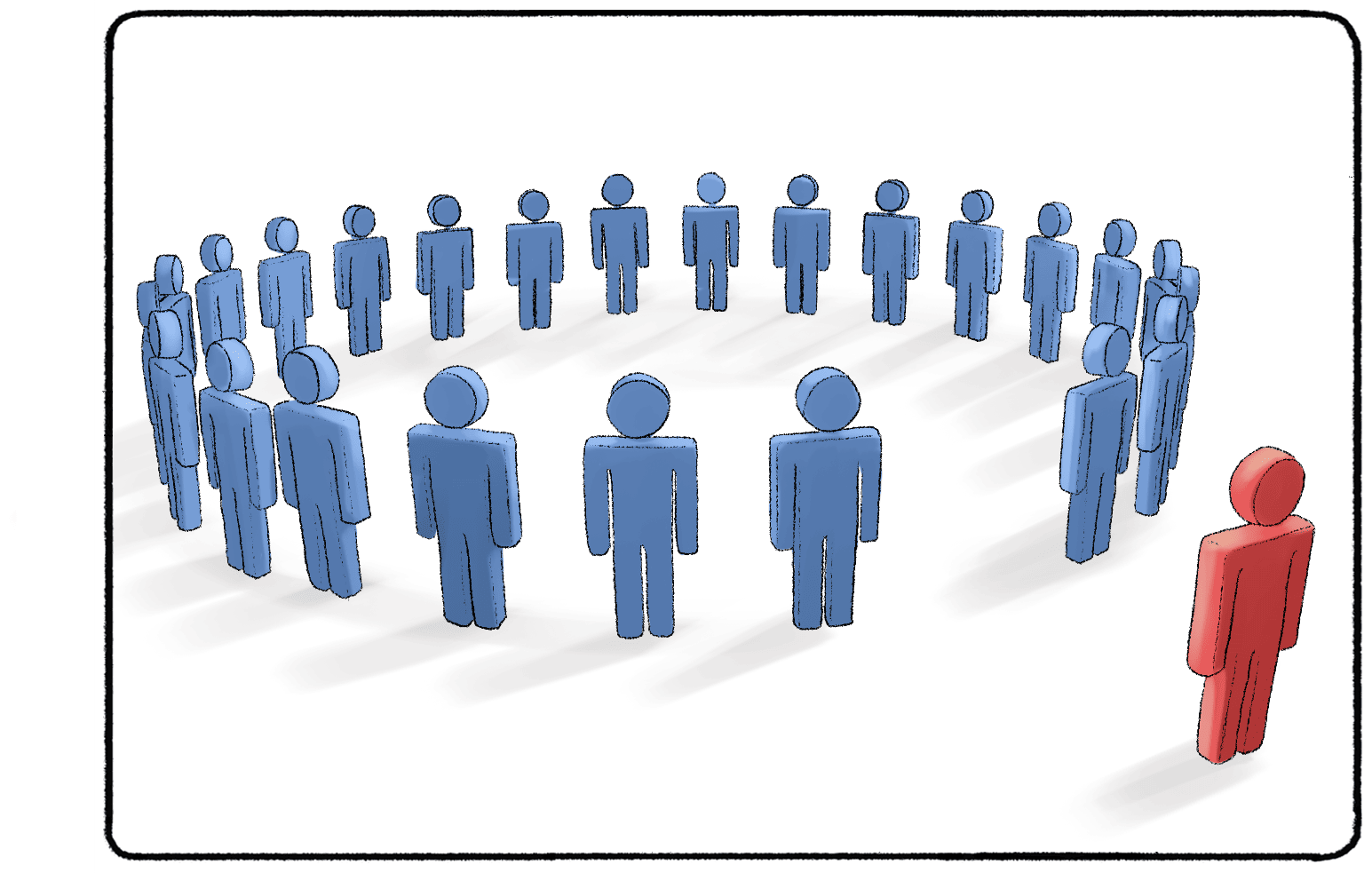
The Merriam-Webster dictionary defines prejudice as a “preconceived judgment or opinion.” It goes on to say that it is “an adverse opinion or leaning formed without just grounds or before sufficient knowledge.”
Basically, prejudice is an attitude that is formed without reason or actual experience. The idea that a woman should not be president is an example of prejudice. There is no reasonable argument that could back up this idea. Yet, we form attitudes that are just as harmful or inaccurate all the time.
Example of Prejudice
In 1989, Donald Trump spent$85,000in newspaper ads calling for the death of five black and Latino teenagers who were accused of raping and beating a white woman in Central Park. Trump spent this money before the boys could be given a fair trial. His ideas about the boys’ guilt, and the appropriate punishment for their actions, is an example of prejudice. The public opinion that formed about the case partially due to Trump’s ads can also be considered prejudice.
In 2002, a man who was not a part of the “Central Park Five” confessed to the criminal acts. DNA evidence confirmed his confession, and the five boys were released from prison and exonerated. In 2019, Trump refused to acknowledge that his judgments and actions were unjust.
Where do our judgments and attitudes come from? Why did Trump form such a strong judgment against the Central Park Five when they hadn’t been given a proper trial? Often, prejudice comes from stereotypes.
Stereotypes are an oversimplified belief about a group of people, typically an “out-group” (group of people that we do not belong to). Stereotypes may come from images that we see in the media or social values. Your parents, teachers, or community leaders may have taught you to believe stereotypes, even if they aren’t true.
A stereotype may be the idea that a man is a better leader than a woman. Or the idea that overweight people are lazy. Or the idea that homeless people are drug addicts. Stereotypes are generalizations. You might know someone who is overweight and lazy. That doesn’t mean that the stereotype that overweight people are lazy is true.
It can be extremely hard to unlearn stereotypes. After all, they are taught to us from the moment we are born. They may be so ingrained in our minds that we don’t consciously think about them. That’s why riddles like the one mentioned earlier can be so uncomfortable or eye-opening.
Implicit Association
These unconscious stereotypes include implicit association. Your subconscious may associate white people with more positive traits or LGBTQ people with more negative traits. And while you may believe that you have an unbiased opinion toward certain groups, tests likeHarvard’s Implicit Association Testmay say otherwise.
Trump is far from the only person that believes these stereotypes. The dangerous thing about him, however, is the fact that with his money and power, he can act on prejudice and stereotypes in ways that affect many people around the world.
Example of Stereotypes in Everyday Life
You might have heard this “riddle” before. A father and son are in a car accident. The father is pronounced dead, and the son is taken to the hospital for an operation. The surgeon sees the son on the table and says, “I can’t operate on him. He’s my son.” Who is the surgeon?
It’s embarrassing to think that you or someone you know maybe didn’t get the answer right away. The answer is that the surgeon is the son’s mother.
Prejudice, stereotyping, and discrimination is obviously not limited to the surgical or medical world. These practices are at the center of many big and often uncomfortable topics that are shared around the dinner table. In order to have a more productive conversation about these issues, it’s best to stay informed.
We all hold onto stereotypes that were ingrained in us since birth. We may let these stereotypes influence our attitudes toward an individual because they belong to a group we are taught to dislike. This is the unfortunate reality of our word, and no one is immune to it.
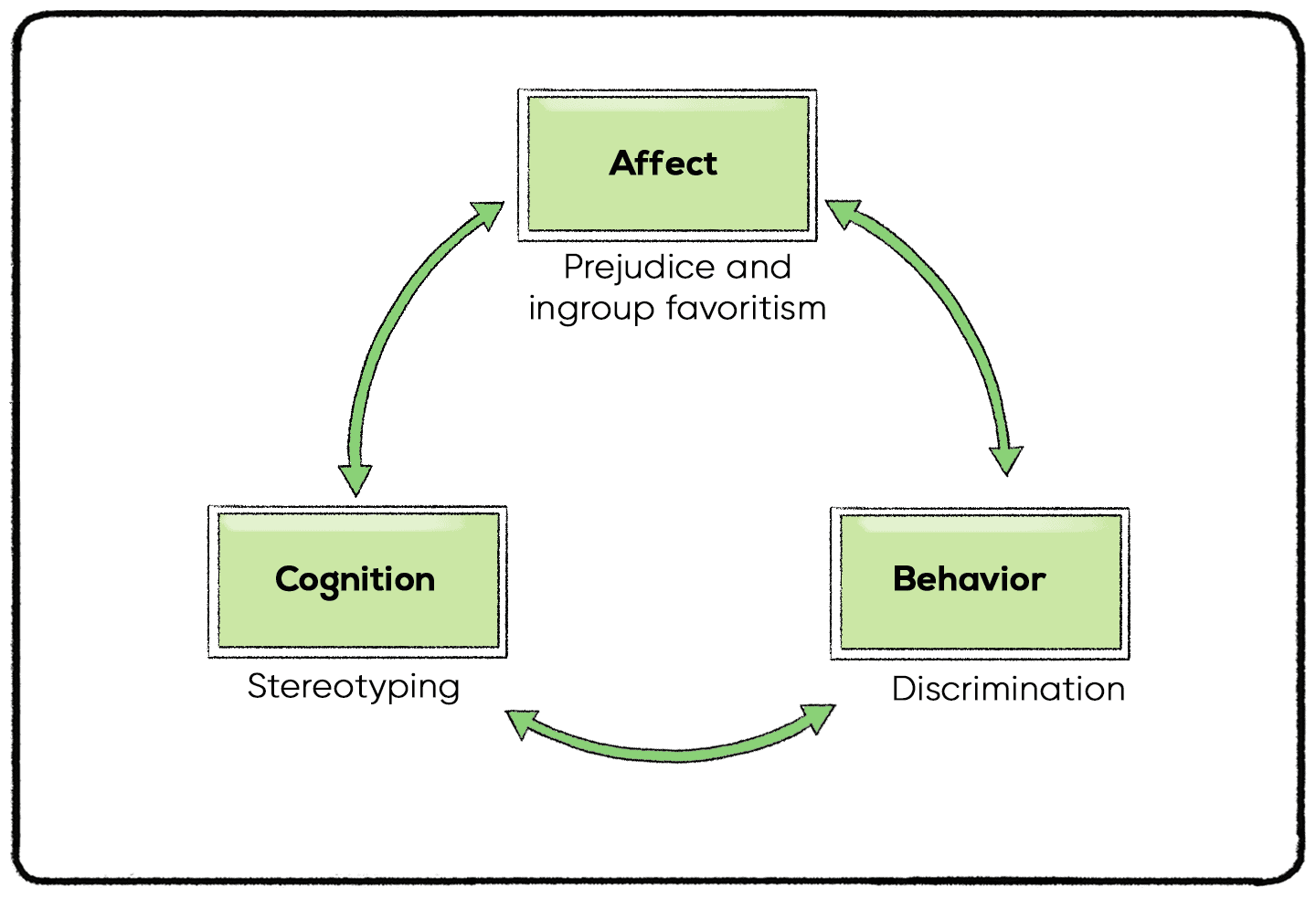
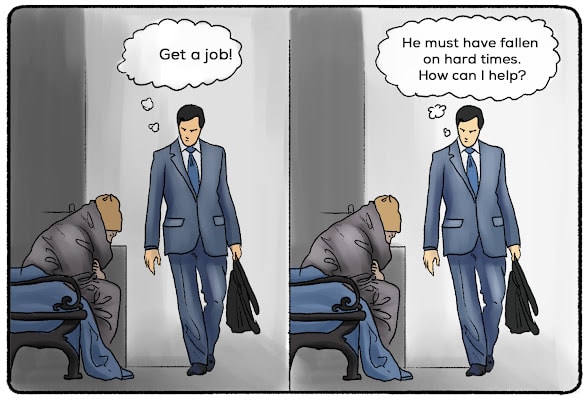
Learning more aboutsocial psychologyand how we form judgements using biases may also help you take a step back and examine how you developed the beliefs that you have today. Fortunately, I know just the website that can help you learn more about these topics!
As you start to see the differences in individuals and groups of people, harmful stereotypes may begin to unravel.
Related posts:5+ High School Stereotypes (Definition + Examples)The Psychology of Long Distance RelationshipsBeck’s Depression Inventory (BDI Test)Operant Conditioning (Examples + Research)Variable Interval Reinforcement Schedule (Examples)
Related posts:
Reference this article:Practical Psychology. (2020, April).Prejudice vs Stereotype (Definitions + Examples).Retrieved from https://practicalpie.com/prejudice-vs-stereotype/.Practical Psychology. (2020, April). Prejudice vs Stereotype (Definitions + Examples). Retrieved from https://practicalpie.com/prejudice-vs-stereotype/.Copy
Reference this article:
Practical Psychology. (2020, April).Prejudice vs Stereotype (Definitions + Examples).Retrieved from https://practicalpie.com/prejudice-vs-stereotype/.Practical Psychology. (2020, April). Prejudice vs Stereotype (Definitions + Examples). Retrieved from https://practicalpie.com/prejudice-vs-stereotype/.Copy
Copy
