Are photographic memories real? People commonly believe photographic memory to be an ability to look at whatever is in front of them, close their eyes, and immediately recall every detail. (Many X-Files fans claim that Fox Mulder has a photographic memory.)
But this astounding ability seems so out of reach - because as far as the science goes, itisout of reach. So let’s talk about photographic memory.
Is Photographic Memory a Real Thing?Eidetic Memory vs. Photographic MemoryHow Often Does Eidetic Memory Occur?People With a “Photographic Memory”
Is Photographic Memory a Real Thing?
Eidetic Memory vs. Photographic Memory
How Often Does Eidetic Memory Occur?
People With a “Photographic Memory”
This is the big question, isn’t it?The short answer is no, photographic memory is not real. While there are tales of people who have photographic memory, or perfect long-term memory, they haven’t been scientifically tested in a way that proves their abilities.
Eidetic memory and photographic memory are often considered to be interchangeable terms, but they describe two different abilities.
What most people associate with photographic memory is often eidetic memory.
Eidetic memory is the ability to see an image for only a few seconds after it’s removal and be able to recall the image and its details vividly.
This image “stays” in a person’s memory without the help of mnemonic devices or other tools to help recall details or the arrangement of items in the image. This ability only lasts for a few seconds, before the brain decides to send the image to short-term memory storage or disregard it.
Sounds cool, right? It almost sounds too cool to be true.

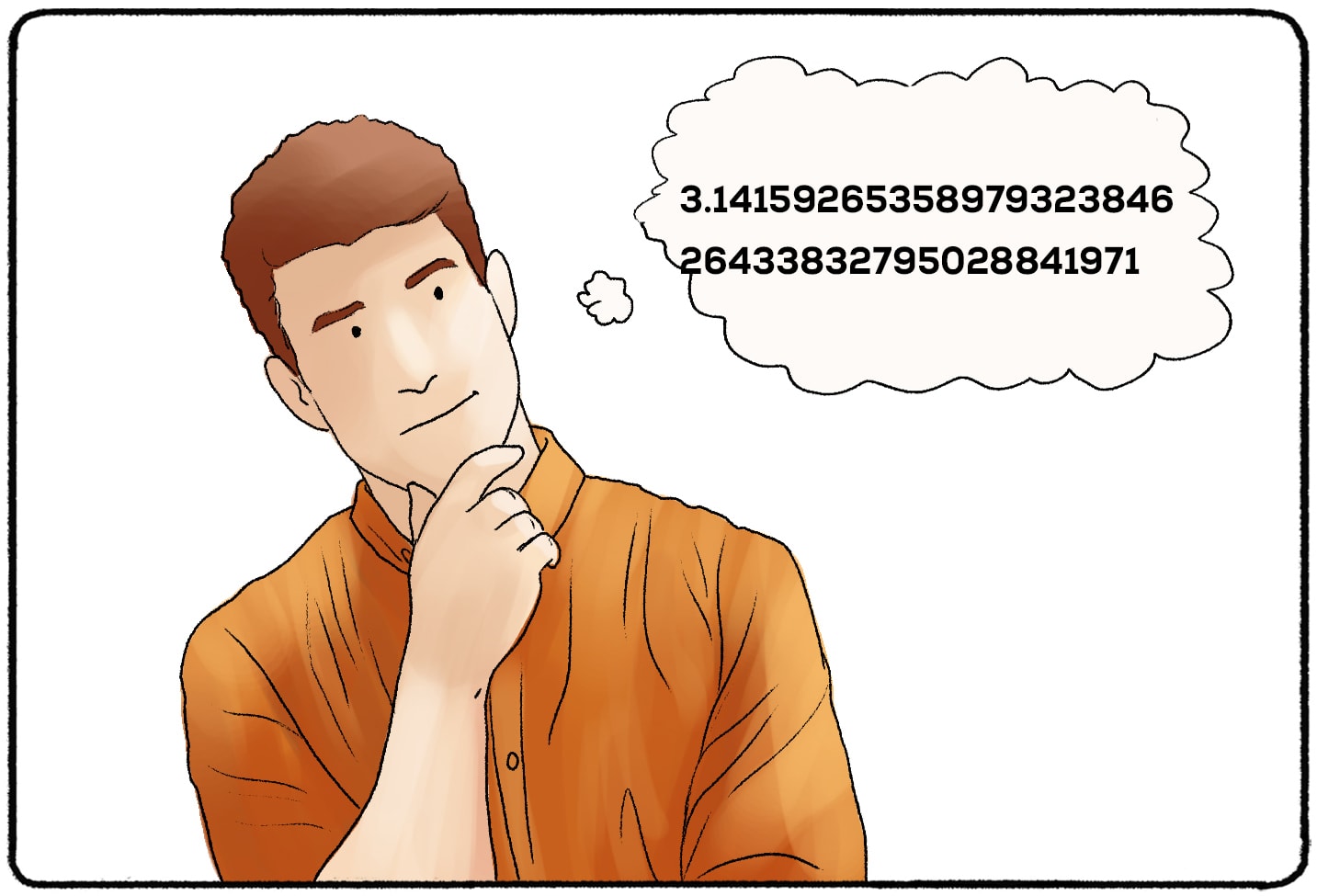
Here’s a fun fact for you. Every year since 1993, there is an event called theWorld Memory Championships. None of the winners have ever claimed to have photographic or eidetic memory.
There are people who haveenteredthe World Memory Championships claiming to have eidetic or photographic memory…but none of those contestants have ever taken home the prize.
When it comes to eidetic memory, there is one group of people that can reasonably claim to have it. That group ischildren.
Up to 15% of children have an eidetic memory, and this number shrinks when talking about adults. Most adults who have been labeled as having an eidetic memory also use mnemonics and other devices alongside their enhanced natural abilities to remember imagery.
Most stories of people with photographic memory come with some sketchy details. Take the story of Charles Stromeyer III, and his student Elizabeth. Stromeyer was a Harvard scientist, and in 1970, he made claims that Elizabeth had a photographic memory.
What backed up this claim? Stromeyer had Elizabeth look at an image of 10,000 dots.
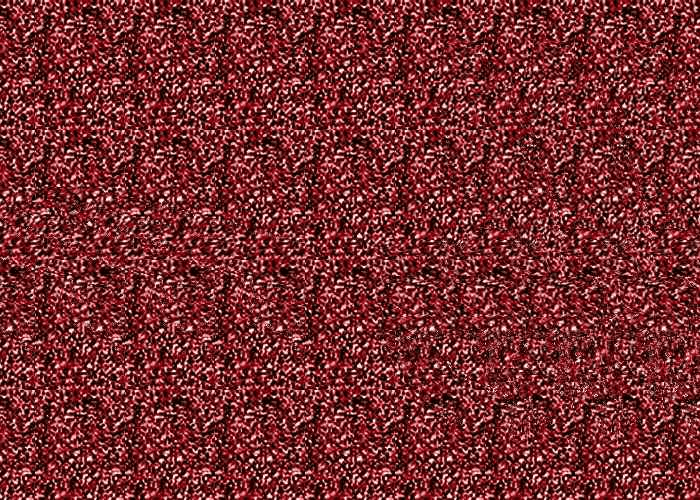
The next day (to ensure the dots were stored in her long-term memory), he showed her another 10,000 dots. When you place both of these images together, they form a 3 dimensional image. When Stromeyer showed Elizabeth the second image of 10,000 dots, she could see the three dimensional image, supposing that she had remembered the first 10,000 dots.
Here’s an example of a stereogram:
His one test made headlines, but then something strange happened.
Stromeyer married Elizabeth.
They never participated in any further tests of Elizabeth’s memory. And although scientists have looked far and wide for a similar case that matched Elizabeth’s - it’s never been found.
While no marriages have tainted the reputation of Solomon Shereshevsky, his legitimacy as “The Man Who Could Not Forget” has been doubted and tested over the years. Shereshevsky, more commonly known as S., became famous for his ability to recite and remember long strings of numbers at a time.
But the picture painted of S. wasn’t entirely accurate. While he was a phenomenal mnemonist, he did not have photographic memory. In fact, whenreportersfollowed up on the story of S., they found that his relatives would describe him as “forgetful.”
S. also showed strong signs of ‘fivefold synaethesia’, in which his senses were connected to every other. He might see a number 5, and then feel sandpaper, taste chocolate, and hear Mozart. His experience of the world most likely helped his memory, because the next time he tasted chocolate, all the other sensations connected would come back.
Here’s an example of something he said:
“Take the number 1. This is a proud, well-built man; 2 is a high-spirited woman; 3 a gloomy person; 6 a man with a swollen foot; 7 a man with a moustache; 8 a very stout woman—a sack within a sack. As for the number 87, what I see is a fat woman and a man twirling his moustache.”
Can You Develop a Photographic Memory or Eidetic Memory?
There is no way to work toward a full photographic memory, but practicing memory skills like mnemonics can help you improve your short- andlong-term memory. With focus, practice, and a healthy diet for your brain, you might end uptesting your memoryin the World Memory Championships!

How to Improve Your Memory With Mnemonics
Mnemonicsare devices that help you remember information, especially information that is in a specific order. Singing the ABCs, remembering PEMDAS, and similar tricks you learned at school are all mnemonics.
You can use these devices to help you improve your memory. Maybe you’ll become so skilled that you can compete up with the champs! Just don’t claim that your memory is photographic - we all know that that’s not possible.
Related posts:Memory Tricks and Mnemonics (Examples)False Memories and Memory ErrorsMemory (Types + Models + Overview)Episodic Memory (Definition + Examples + Pics)Short Term Memory
Related posts:
Reference this article:Practical Psychology. (2019, July).Photographic Memories (Eidetic Memory).Retrieved from https://practicalpie.com/photographic-memories-eidetic-memory/.Practical Psychology. (2019, July). Photographic Memories (Eidetic Memory). Retrieved from https://practicalpie.com/photographic-memories-eidetic-memory/.Copy
Reference this article:
Practical Psychology. (2019, July).Photographic Memories (Eidetic Memory).Retrieved from https://practicalpie.com/photographic-memories-eidetic-memory/.Practical Psychology. (2019, July). Photographic Memories (Eidetic Memory). Retrieved from https://practicalpie.com/photographic-memories-eidetic-memory/.Copy
Copy
