What Is Object Permanence?When Is Object Permanence Developed?Which Animals Develop Object Permanence?Supporting the Development of Object Permanence in Children
What Is Object Permanence?
When Is Object Permanence Developed?
Which Animals Develop Object Permanence?
Supporting the Development of Object Permanence in Children
Object permanence is the idea that places, objects, and people still continue to exist after we cannot perceive them. It’s just one piece of Jean Piaget’s Theory of Cognitive Development. When this is developed, babies understand that when things leave the room or are hidden, they still continue to exist.
Example: Peek-a-Boo
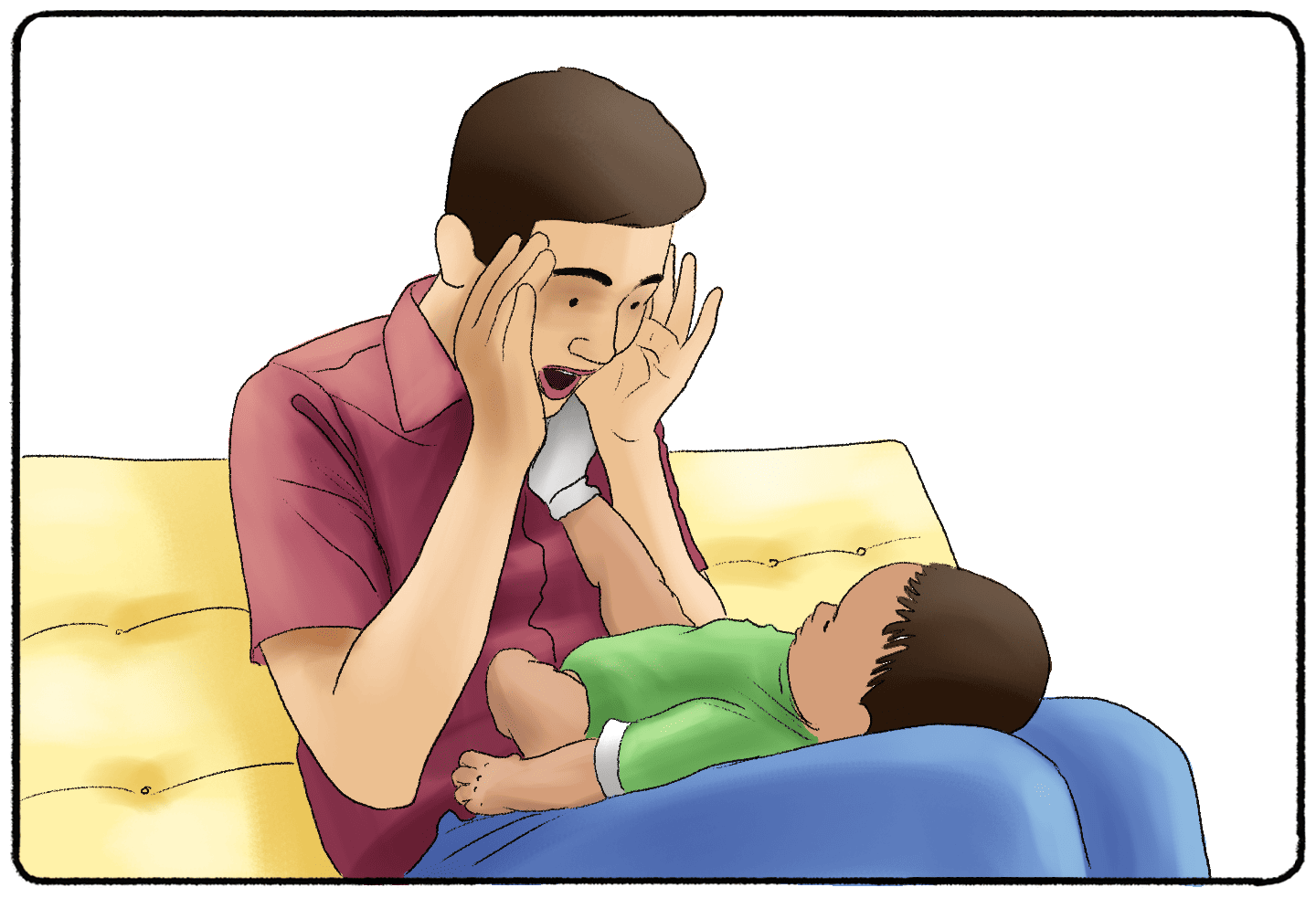
One classic example of object permanence is playing “peek-a-boo.” When you are an adult, and you see another adult covering their face with a blanket, you know that the adult still exists. This certainly makes peek-a-boo less exciting, but it helps reassure you that the person is not gone forever.
 a man playing peek-a-boo with a baby
Piaget’s Blanket And Ball Study
Eventually, babies figure out that the adult under the blanket still exists. But when does that happen?
That was the question Jean Piaget sought to answer in the 1960s as he developed hisTheory of Cognitive Development. Object permanence is a major development, especially when you consider that it develops atsomepoint while a child is still an infant. Knowing that things outside of our sight still exist is key to understanding the world around us.
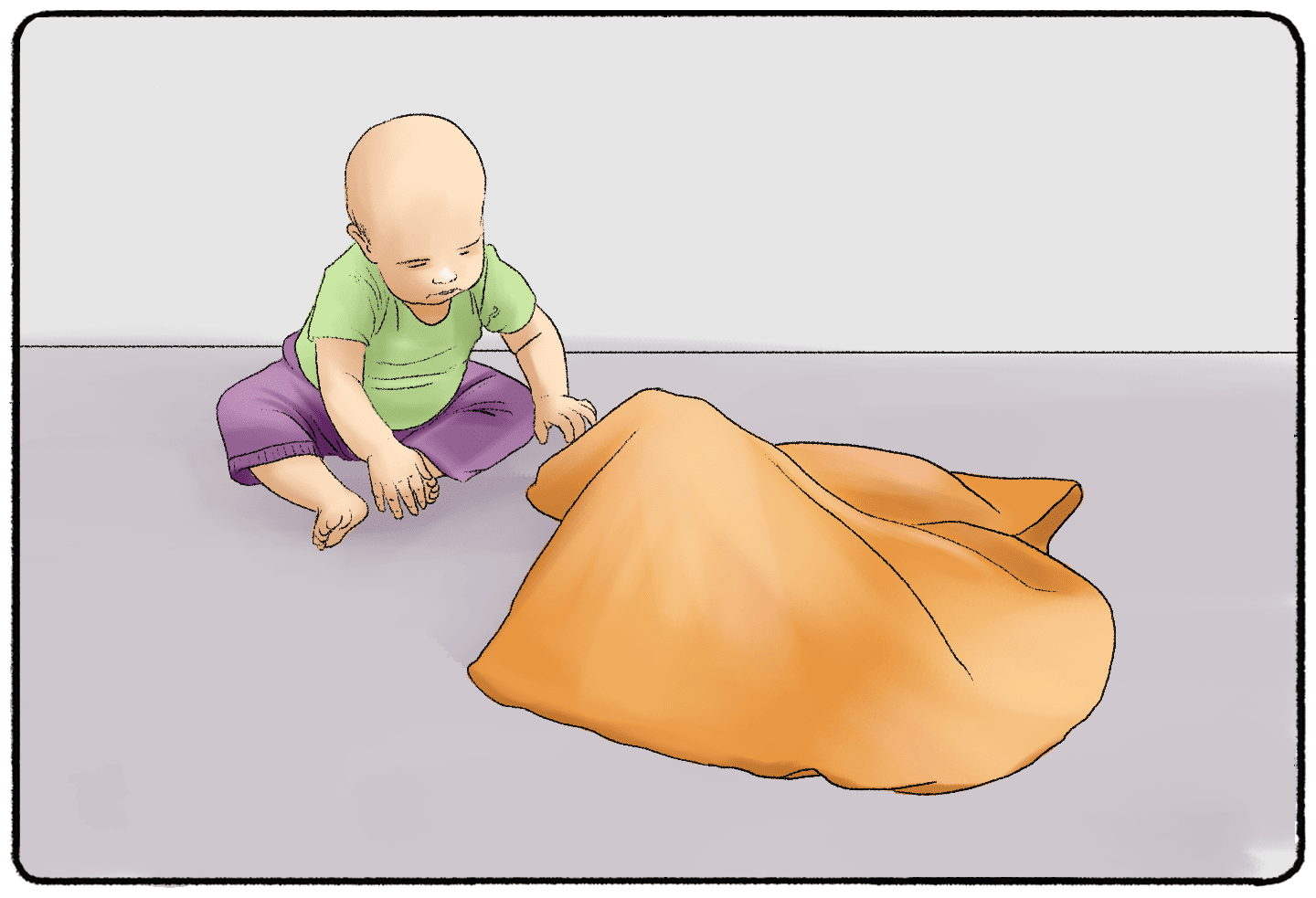
So Piaget set up a study, now known as “The Blanket and Ball study.” The study was simple. He put a ball in front of infants of varying ages and placed a blanket over them while they were watching. Then he observed the children. If the children looked for the ball, under the blanket or otherwise, they were said to have developed object permanence. These children had a “mental representation” of the ball, so it still existed to them. If the childrenhadn’tmade an attempt to look for the ball, they might not have developed object permanence yet. The ball simply didn’t exist anymore.
This substage emphasizes the repetition of actions that produce enjoyable results. Within this phase, the discovery of object permanence begins, setting the stage for more complex cognitive developments as they age.
Of course, eight months is not set in stone. Additional studies have critiqued Piaget’s study for the motivations a child might have to look for a ball or to disregard it. The child could simply not be interested in looking for the ball. And when it comes to cognitive development, these ages vary for each individual child. While one child may not develop object permanence until eight months old, another may develop it as early as four months! Other studies since Piaget’s Blanket and Ball study have confirmed this range of ages.
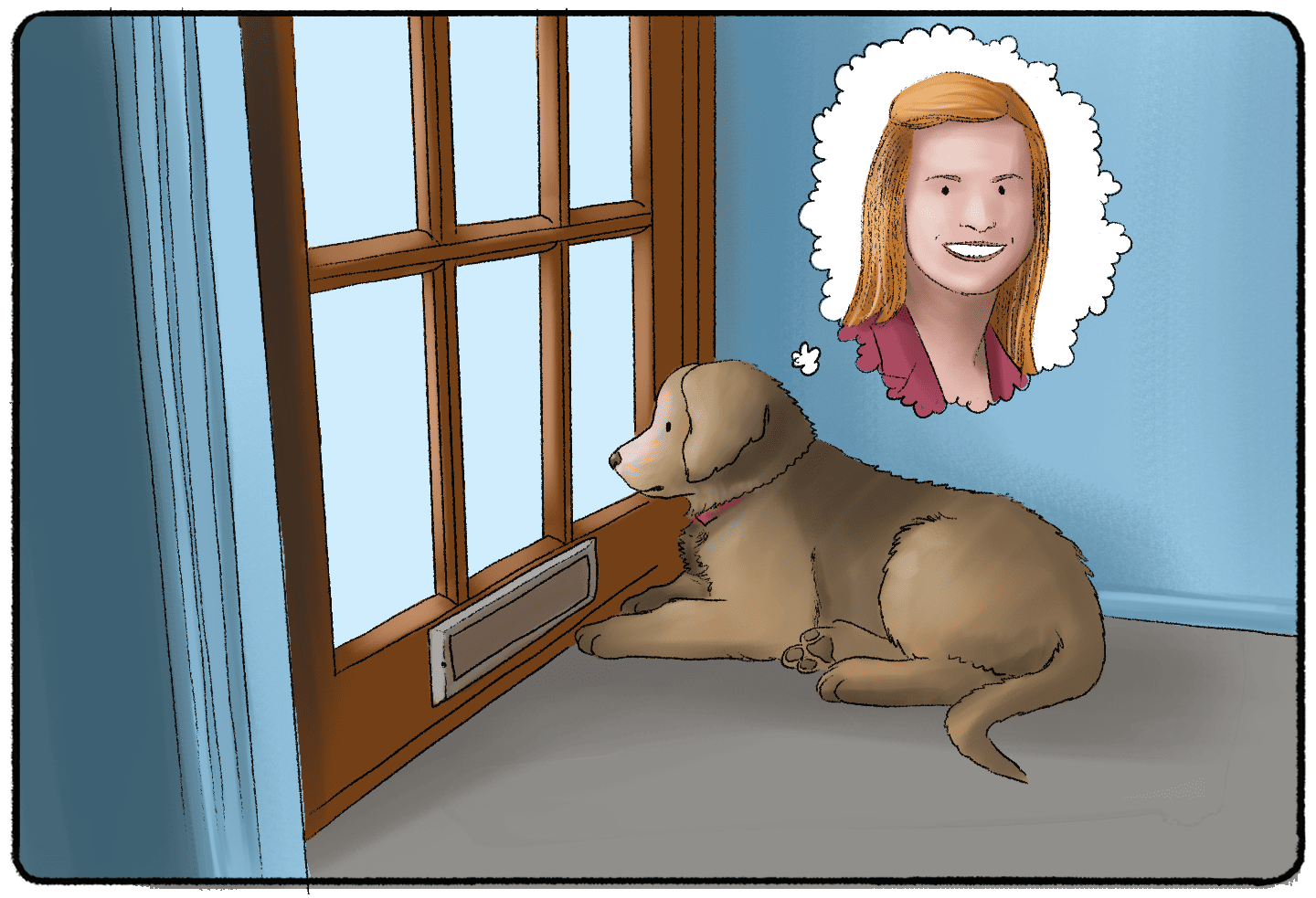
While babies develop an understanding of object permanence as part of their cognitive maturation, the phenomenon is not exclusive to humans. Many animals also demonstrate the ability to grasp the concept of object permanence, and this ability varies across species and developmental stages.
Understanding object permanence across different species emphasizes the evolutionary importance of this cognitive trait. Recognizing that prey or danger still exists when it’s out of sight can be crucial for survival for many animals. Moreover, for species that cache food, recognizing hidden stores is vital for sustenance.
While leaving your house might make your dog feel lonely, rest assured they are quite aware you still exist and are eagerly awaiting your return. Similarly, various animals, from the skies to the oceans, carry this understanding in ways crucial for their daily survival and interactions.
This is a Major Milestone in Development
Object permanence helps infants to predict what is going to happen next. It sets the foundation for the idea that the world exists outside its own existence and represents the early beginnings of abstract thought. This understanding is fundamental for the upcoming cognitive stages, where reasoning, problem-solving, and more advanced thought processes develop. Truly, this is an exciting milestone in a child’s journey of understanding the world around them.
Realizing that objects continue to exist even when out of sight is a significant cognitive leap for infants. As caregivers or parents, you play a crucial role in fostering this understanding. By engaging in specific activities and being observant, you can both support and identify your child’s object permanence development.
Before diving into activities, it’s essential to recognize when your child is beginning to grasp the concept
Even if your child doesn’t fully understand the words, narrate what you’re doing. Say, “I’m putting the teddy bear under the blanket. Where did it go? Can you find it?” This helps them connect language with actions, reinforcing the concept.
If your child has a favorite doll or stuffed animal, use it to mirror activities. For example, pretend the doll is playing peek-a-boo with another toy. Imitative play can help consolidate understanding.
The development of object permanence is one of the many cognitive milestones in an infant’s life. By being observant and engaging in these targeted activities, parents and caregivers can support this essential phase of understanding, setting the stage for more complex cognitive developments in the future.
Related posts:The Psychology of Long Distance RelationshipsOperant Conditioning (Examples + Research)Beck’s Depression Inventory (BDI Test)Variable Interval Reinforcement Schedule (Examples)Piaget’s Theory of Moral Development (4 Stages + Examples)
Related posts:
Reference this article:Practical Psychology. (2019, September).Object Permanence (Definition + Examples).Retrieved from https://practicalpie.com/object-permanence/.Practical Psychology. (2019, September). Object Permanence (Definition + Examples). Retrieved from https://practicalpie.com/object-permanence/.Copy
Reference this article:
Practical Psychology. (2019, September).Object Permanence (Definition + Examples).Retrieved from https://practicalpie.com/object-permanence/.Practical Psychology. (2019, September). Object Permanence (Definition + Examples). Retrieved from https://practicalpie.com/object-permanence/.Copy
Copy
