If you’re here, you’re probably wonder what NLP, or NeuroLinguistic Programming is. Fear not, because we are going to give you everything you need to know about it, including a psychological definition and example!
We are creatures of habit. We often do things in a particular way without even thinking about it. Some of these repeated actions are important, like putting on the seat belt when we get into a car. Others, such as nail biting or smoking, are unpleasant and unhealthy. But even though we know they are bad for us, changing them is not easy. A psychological approach called neuro-linguistic programming is an effective way to create new perspectives and behavior patterns that can help us eliminate those unwanted habits.
What Is Neuro-Linguistic Programming?Core Principles of Neuro-Linguistic ProgrammingHow Does Neuro-Linguistic Programming Work?Does Neuro-Linguistic Programming Work for Depression?Neuro Linguistic Programming Approach and TechniquesDoes Neuro-Lingusistic Programming Work?
What Is Neuro-Linguistic Programming?
Core Principles of Neuro-Linguistic Programming
How Does Neuro-Linguistic Programming Work?
Does Neuro-Linguistic Programming Work for Depression?
Neuro Linguistic Programming Approach and Techniques
Does Neuro-Lingusistic Programming Work?
Neuro-linguistic programming (NLP) is a way of changing our thoughts and behaviors to help achieve desired outcomes. Because our neurological processes, behavior, and language are interconnected, we can “reprogram” our brains to control our thoughts and actions. NLP is also a useful tool for improving communication and developing better relationships.
 NLP
NLP
Who Developed Neuro-Linguistic Programming?
Neuro-linguistic programming is based on four core principles:
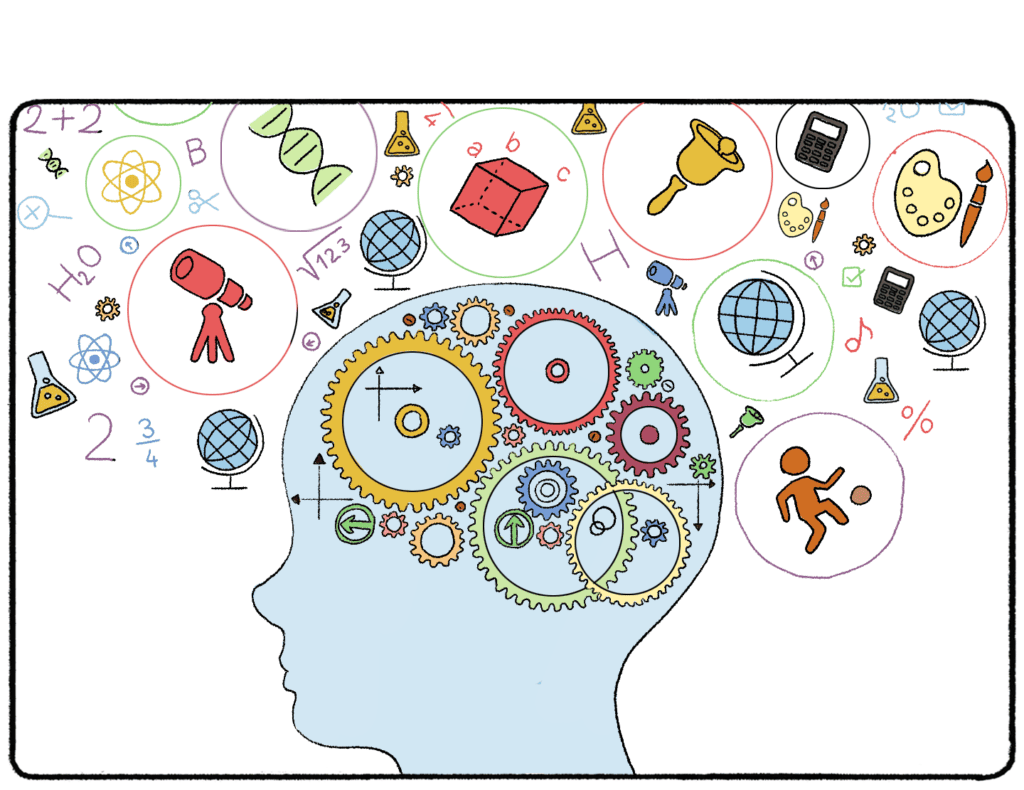
In neuro-linguistic programming, our minds are perceived as internal operating systems consisting of thoughts, feelings, and beliefs. NLP determines the ways in which our states of mind affect the way we act and communicate with others and, even more importantly, ourselves. These systems can be accessed and changed or “programmed” through language.
Internal maps
Neuro-linguistic programming is based on the idea of internal maps. Internal maps are our personal representations of reality. We learn to navigate these maps through sensory experiences that determine our feelings and behaviors. They can be either auditory, visual, olfactory, gustatory, or kinesthetic. With the help of NLP, it is possible to modify any subconsciously created limitations of our individual maps.
NLP presupposes that we are biased towards one of oursensory systems, whether it is images, feelings, sounds, taste, or smell. Therefore, we tend to use our preferred representational system (PRS) to process our experiences. But if we manage to operate with all the representational systems and make use of the most suitable one in different circumstances, we will succeed in increasing our behavioral flexibility.
Modeling excellence
Logical levels of change
The model of logical levels of change is an indispensable tool in NLP. It is used to create plans for modifying undesirable thoughts or behaviors.
Environment, the setting and people that surround us, is the lowest NLP logical level and the easiest one to modify. Simply changing something in the environment or network can eliminate triggers and modify addictive or obsessive behaviors.
Behaviors often contribute to negative actions and thoughts. It is crucial to be able to identify the unwanted behaviors that should be changed.
Capabilities and skills refer to our ability to make the desired changes, as well as identifying the tools needed to make those changes. Techniques such as meditation, hypnosis, positive thinking, and relaxation can be used in overcoming fears, for instance.
Beliefs and values give us internal permission to change. Addictions, obsessions, and other undesirable behaviors can become an important value that negatively affects all the other personal values.
Identity is an evaluation of our ability to implement changes. It can be either positive or negative.
Purpose and spirituality pertain to the involvement in religion or ethics, where the change is seen as part of something larger than ourselves.
NLP is commonly used in therapy for treating a wide range of issues from anxiety and phobias to post-traumatic stress disorders and depression. An NLP therapist will try to understand the patient’s thinking, behavior patterns, emotional states, and aspirations. By analyzing the individual’s internal maps, the therapist can help find and strengthen the most beneficial skills and develop new strategies to replace old, unproductive ones.
NLP therapists use a number of different techniques, including:
Anchoring
Similarly to Pavlov’s conditioning, anchoring consists of turning sensory experiences into triggers for a desired emotional state or frame of mind. Theanchorcan be a gesture like squeezing the thumb and the index finger together or word that is associated with positive emotion. The goal is to be able to immediately access the desired emotional or mental state through the chosen anchor. After some practice, negative emotions can be replaced using these learned triggers.
Swish pattern
Visual-kinesthetic dissociation
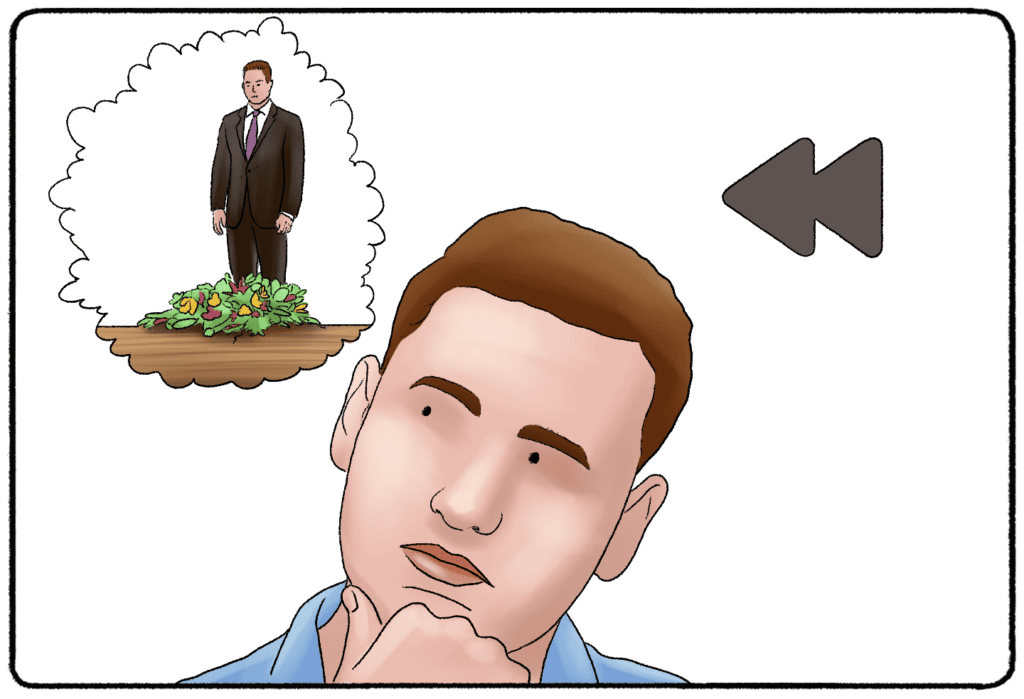
Visual-kinesthetic dissociation (VKD), also known as the rewind technique, is useful in eliminating obstructive thoughts and feelings associated with a past event like traumatic memories and phobias. When an event is reimagined and relived from the safe distance of an out-of-body experience, thinking about it will no longer set off unwanted emotions.
In addition, scientific research on NLP has produced mixed results. Several studies have provided firm proof that it is an effective mode of treatment for mental health issues. At the same time, there is little clinical evidence for the effectiveness of NLP in treating some health-related conditions, such as anxiety disorders, weight management, and addictions.
Related posts:What is an NLP Practitioner?The Psychology of Long Distance RelationshipsBeck’s Depression Inventory (BDI Test)Operant Conditioning (Examples + Research)Variable Interval Reinforcement Schedule (Examples)
Related posts:
Reference this article:Practical Psychology. (2020, May).Neuro-Linguistic Programming (NLP Definition + Examples).Retrieved from https://practicalpie.com/neuro-linguistic-programming/.Practical Psychology. (2020, May). Neuro-Linguistic Programming (NLP Definition + Examples). Retrieved from https://practicalpie.com/neuro-linguistic-programming/.Copy
Reference this article:
Practical Psychology. (2020, May).Neuro-Linguistic Programming (NLP Definition + Examples).Retrieved from https://practicalpie.com/neuro-linguistic-programming/.Practical Psychology. (2020, May). Neuro-Linguistic Programming (NLP Definition + Examples). Retrieved from https://practicalpie.com/neuro-linguistic-programming/.Copy
Copy
