In the 1930s, behavioral psychologist BF Skinner studied the ways that motivation, punishment, and reinforcement worked together to influence decision-making and behavior. To this day, Skinner is known as one of the most influential modern psychologists. His theory of Operant Conditioning is an important concept to understand in the history of behaviorism and psychology.
What is Negative Punishment?Examples of Negative PunishmentDoes Negative Punishment Work?Can You Use Negative Punishment On Yourself?
What is Negative Punishment?
Examples of Negative Punishment
Does Negative Punishment Work?
Can You Use Negative Punishment On Yourself?
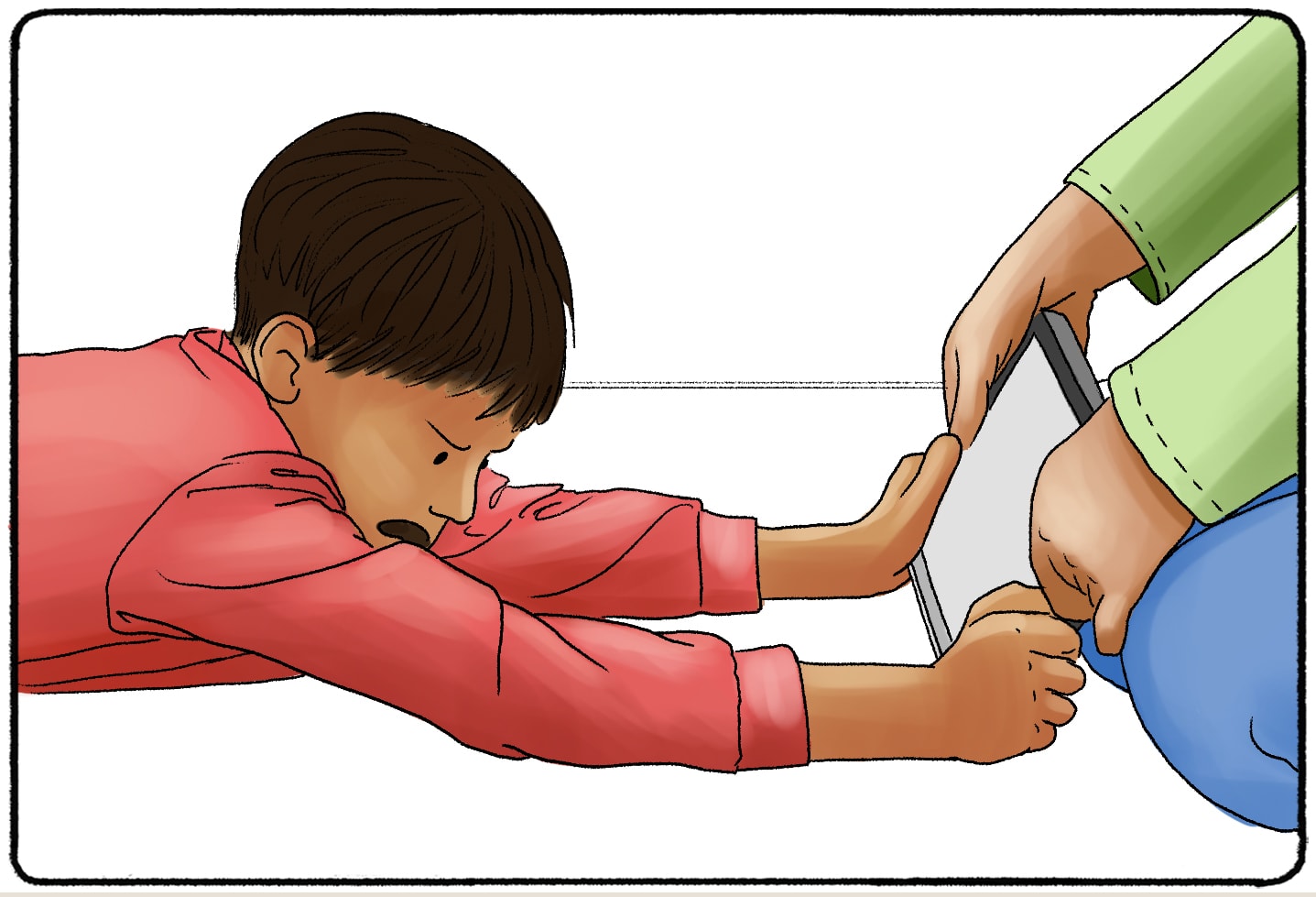
Negative Punishment is the act of removing a stimulus to remove a certain behavior. For example, if your child is making a mess of their toys, you can take a toy away to incentivize them to pick them up next time.

Let’s contrast this with “positive punishment.” Yup, that’s another term in behavioral psychology. Positive punishment occurs when a stimulus is added after a behavior is performed. Giving someone a slap on the wrist, making them write on a chalkboard, or telling them to do 20 push-ups are all examples of positive punishment.
Nothing is added during negative punishment - things are only taken away.
Operant Conditioning
This sounds like an obvious concept, but it wasn’t always that way. In the early 1900s, behavioral psychologists were observing how people learned new things. Did they learn through observation? Mimicking? Or are certain behaviors simply part of our nature?
Russian psychologist Ivan Pavlov changed the world of psychology with his famous dog experiments. Pavlov would ring a bell every time the dogs were presented with drool-inducing food. After a while, the dogs would drool at the sound of the bell. These experiments introduced the idea of classical conditioning to the world.
About three decades later, BF Skinner came along. This American psychologist attempted to find ways that people could encourage voluntary behaviors or curb voluntary behaviors that were undesirable. His experiments introduced the world to operant conditioning.
Operant conditioning is a way of learning behaviors through a series of punishments and reinforcements. While negative punishments are not the only form of punishment, they are crucial to shaping the theory of operant conditioning and understanding the ways that people voluntarily choose to exhibit or curb certain behaviors.
Did it work? That answer is probably more complicated than just “yes” or “no.” I’m sure you can think of a situation where punishment was effective the first time. You did something “bad,” you were punished, and you never did it again.
But I’m sure that other situations didn’t turn out that way. Maybe the punishment only encouraged you to do the behavior again. The next time you did the “bad” behavior, maybe you lied to avoid punishment or were very sneaky.
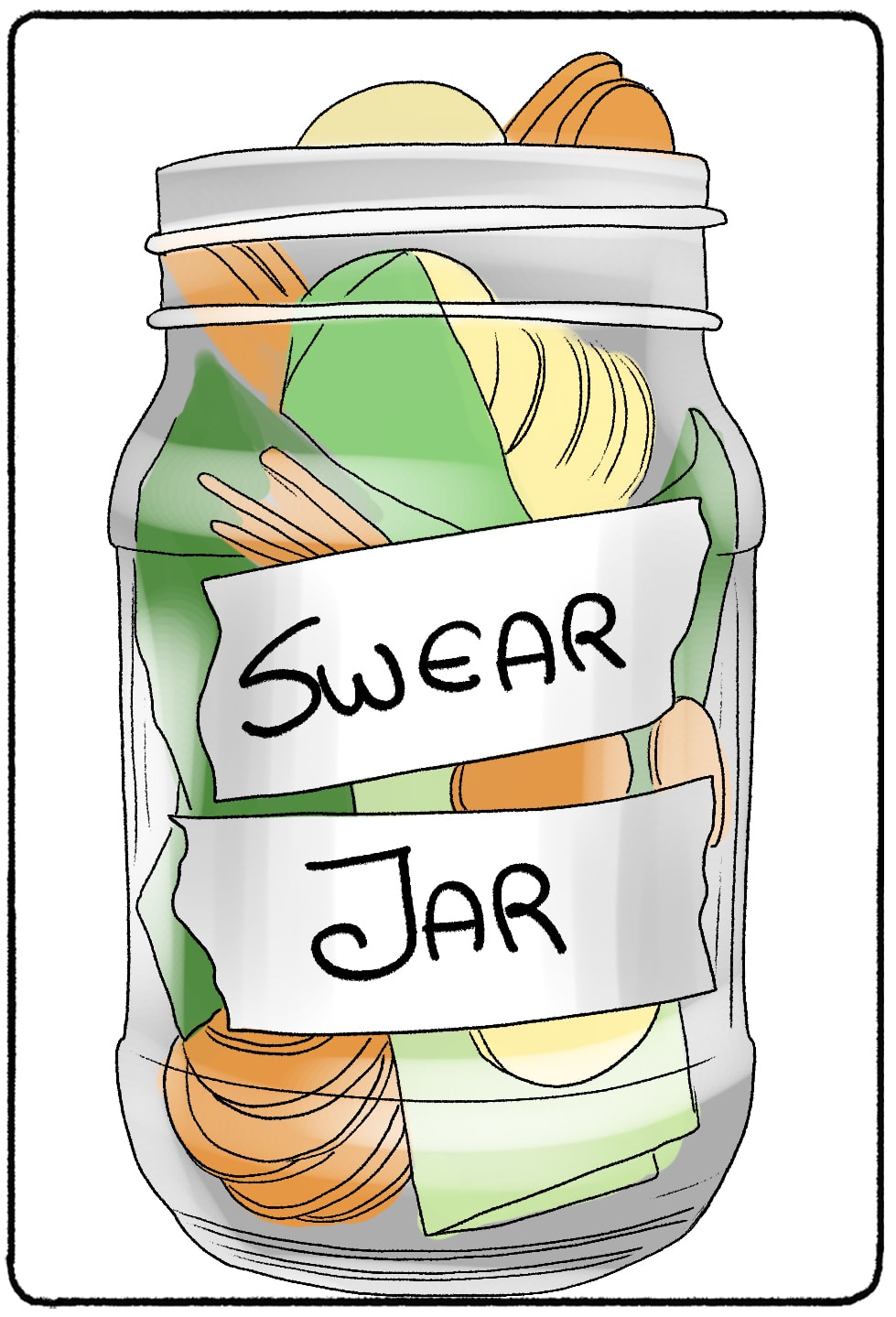
As you can see, there is no one person who is solely capable of giving or receiving negative punishment. Negative punishment varies, but each example includes an undesirable behavior (like swearing,) and a stimulus being removed afterward (like quarters or dollars.)
You can use negative punishment alongside other forms of reinforcement, as described in thisReddit postabout training a puppy. The user is trying to stop his puppy from performing certain behaviors like jumping on the couch or digging holes in the backyard. He asks for advice on negative punishment. One user responded with great advice and a clarification of the difference between positive and negative punishment.
“Negative punishment is still considered okay under the ‘R+ only’ or ‘force free’ umbrella. Positive punishment is adding something to stop a behavior, aka adding a physical punishment. This is what most people are against. Negative punishment means removing something as a punishment. Example, puppy bites me, I leave the room. I removed myself as a “punishment” to the puppy. Some people call this reverse timeout. Positive reinforcement and negative punishment go hand in hand. Puppy bites me. I say no and leave. Negative punishment. Puppy bites toy. I say yes and reward. Positive reinforcement. Through the combo puppy learns what I like and what I don’t like aka what gets him what he wants and what makes what he wants go away.”
BF Skinner, as well as other behavioral psychologists, knew that motivation and behavior are closely linked. This can make negative punishment, as well as positive punishment and different types of reinforcement, tricky.
Yet, negative punishment can be very effective if it is performed appropriately. This means choosing what is removed carefully and removing the stimulus on the proper schedule.
Although the stimuli mentioned above can be a “big deal,” they will likely not cause any long-term effects besides the association between bad behavior and negative punishment. Taking a solo away from a teenager might sting, and although that sends the message to not act up again, they will still be able to go about life with confidence and not hold too much of a grudge against the teacher who gave the punishment.
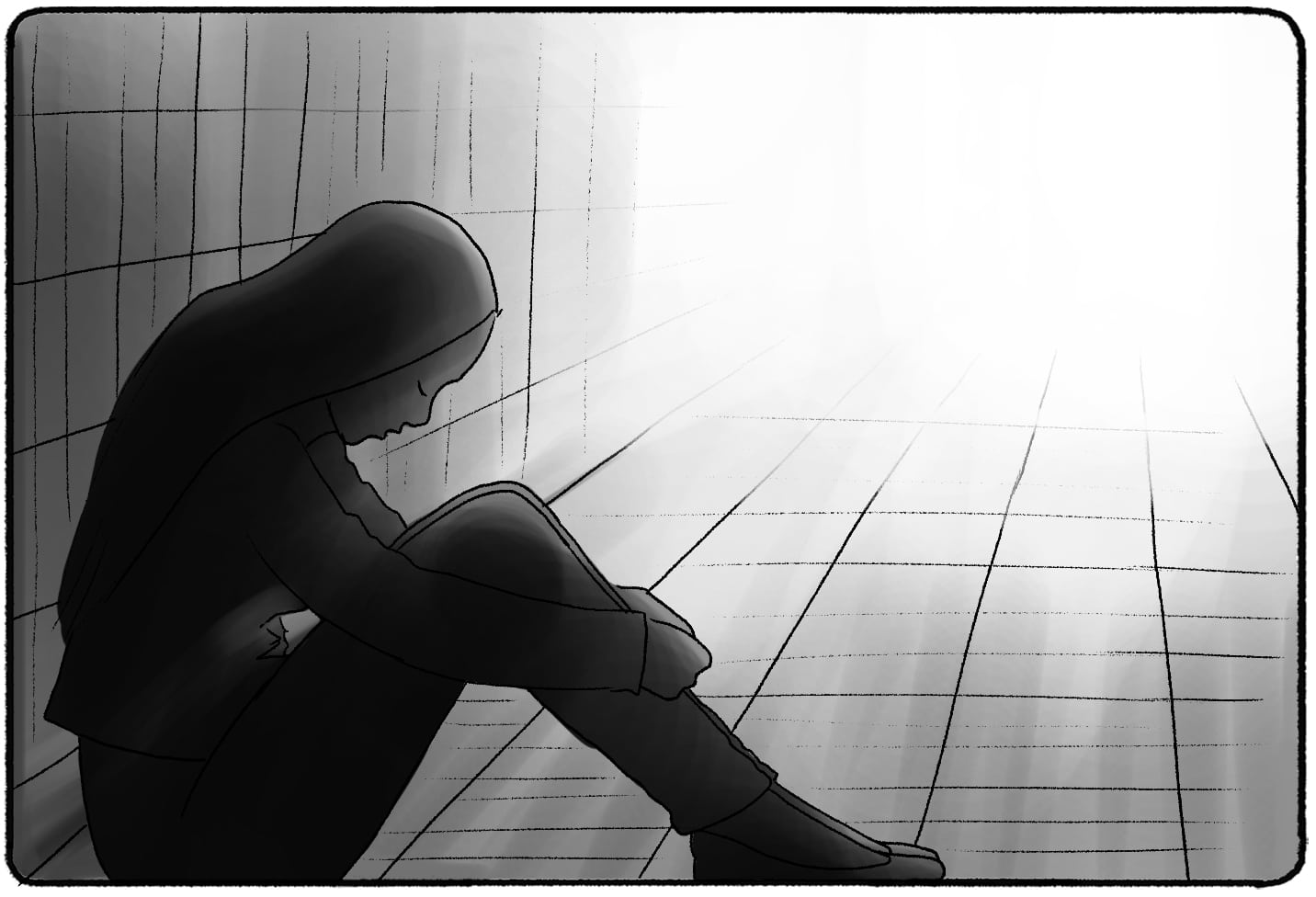
While “scheduling” is something explored more deeply when discussing positive and negative reinforcement, it is worth noting that both removing the stimulus immediately and consistently after the behavior is performed will make the negative punishment more effective. Taking away your child’s car keys three weeks after they snuck out of the house would be confusing (unless you just found out about the behavior three weeks later.) Only taking away the car keys sometimes after a child is caught sneaking out will send mixed messages. The intention behind negative punishment is for the person to associate the undesired behavior with a negative consequence through the removal of a stimulus. A child is less likely to perform a negative behavior if they can guarantee that they will receive a punishment immediately after.
BF Skinner himself recommended that in addition to the negative punishment, the person should receive instruction or communication on alternative behaviors. A parent who takes away a child’s allowance for bugging their sister on a road trip may be effective in their efforts, but they may not be. Using negative punishment alone, the parent fails to teach the child how to handle themselves on road trips in the future. Maybe the child was bugging their sister because they were feeling restless. Communicating ways to deal with restlessness, like asking for a coloring book or meditation, can give the child other behaviors to perform and may further curb the undesired behavior. This form of communication may not work if you are trying to train a dog, so consult with psychologists or experts if you have further questions about behavior, stimuli, and the proper way to approach discipline.
Sure! If you want to discourage yourself from performing certain behaviors, consider taking away access to items that you like. Maybe you want to stop spending money.
In this example, you may ask your roommate to lock your video games in their room as a negative punishment for spending too much on your credit card. No matter how much you beg or talk your way out of it, the roommate has to keep your stuff until you pay off your card. This might sound silly, but it could be the one thing that keeps you from spending!
Related posts:Beck’s Depression Inventory (BDI Test)Operant Conditioning (Examples + Research)The Psychology of Long Distance RelationshipsVariable Interval Reinforcement Schedule (Examples)Concrete Operational Stage (3rd Cognitive Development)
Related posts:
Reference this article:Practical Psychology. (2021, April).Negative Punishment (Definition + Examples).Retrieved from https://practicalpie.com/negative-punishment/.Practical Psychology. (2021, April). Negative Punishment (Definition + Examples). Retrieved from https://practicalpie.com/negative-punishment/.Copy
Reference this article:
Practical Psychology. (2021, April).Negative Punishment (Definition + Examples).Retrieved from https://practicalpie.com/negative-punishment/.Practical Psychology. (2021, April). Negative Punishment (Definition + Examples). Retrieved from https://practicalpie.com/negative-punishment/.Copy
Copy
