What are you doing right now? Sure, you’re reading this page. But are you also eating? Texting a friend? Driving? Painting your nails? Put down everything that isn’t the device you are watching this video on because, guess what?
Multitasking is a myth.

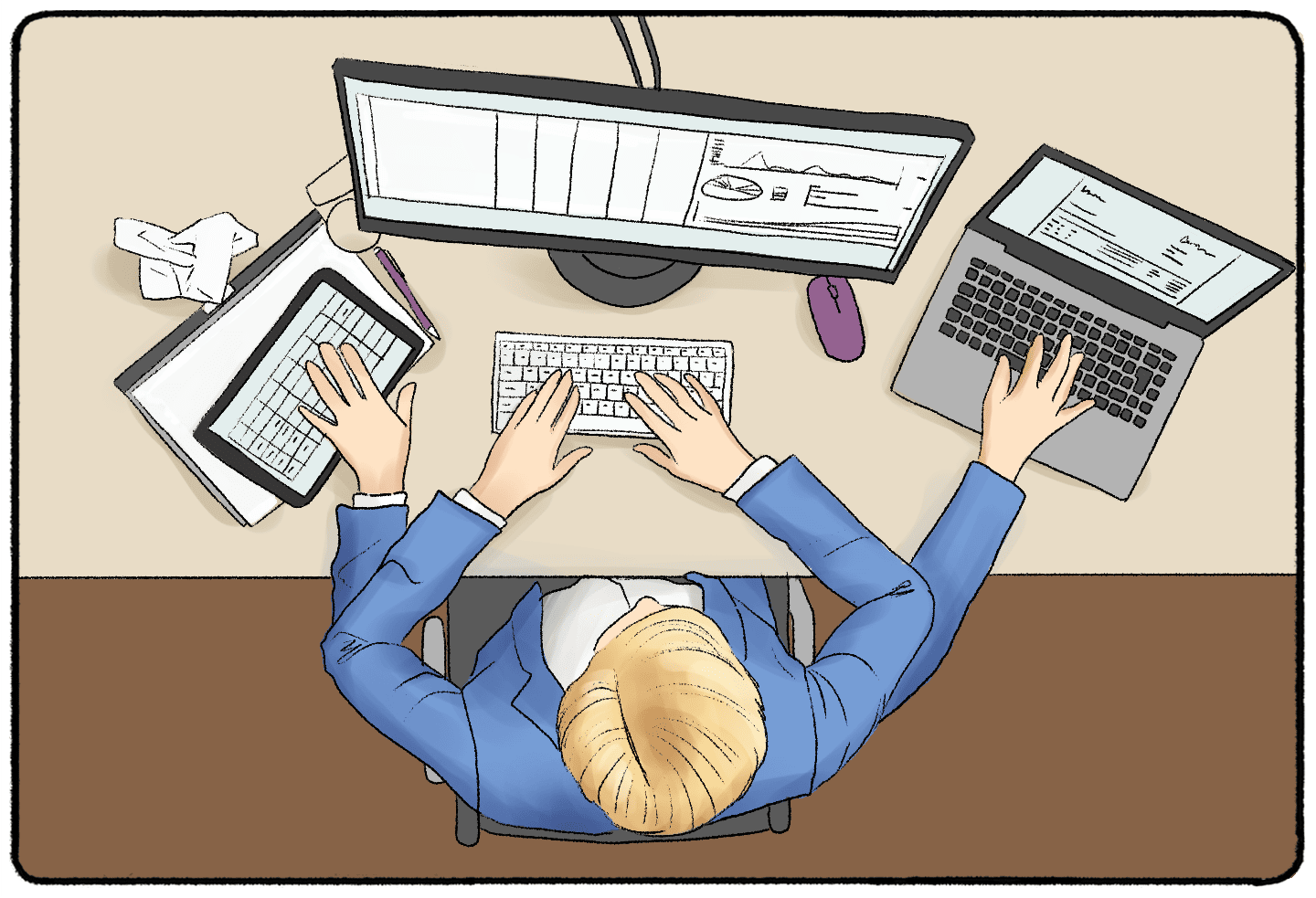
Is Multitasking Good or Bad?
While you might have been encouraged to multitask as a student, it can impede your ability to get each task doneandlearn new information in the process. When you set aside time to focus on only one task, you are more likely to complete each task faster.
Multitasking and Switching Costs
Why? Your brain has to “switch” its focus onto each task every time you go back and forth. This process takes time, and that time is something that psychologists call “switching costs.” You have to “pay” for the time it takes to switch from, say, driving to texting and then back to driving.
Our “payment” may also be the information itself. Thismeme from Redditsays it all: when we multitask, we are more likely to forget or ignore information.
Studies show that the more differences between the two tasks, the higher the “switching costs.” The more complexities in the two tasks, the higher the “switching costs.” If you only focused on one task at a time, you wouldn’t have to switch, and you could easily get into the “flow” of your task. So exit out of those tabs and put down the phone!
Examples of Multitasking Studies
Here’s what theAmerican Psychological Associationhas to say about multitasking:
That’s right. The studies that have looked at multitasking have not produced results that support the idea that you can complete two tasks at once (or two tasks in rapid succession) in a more timely manner.
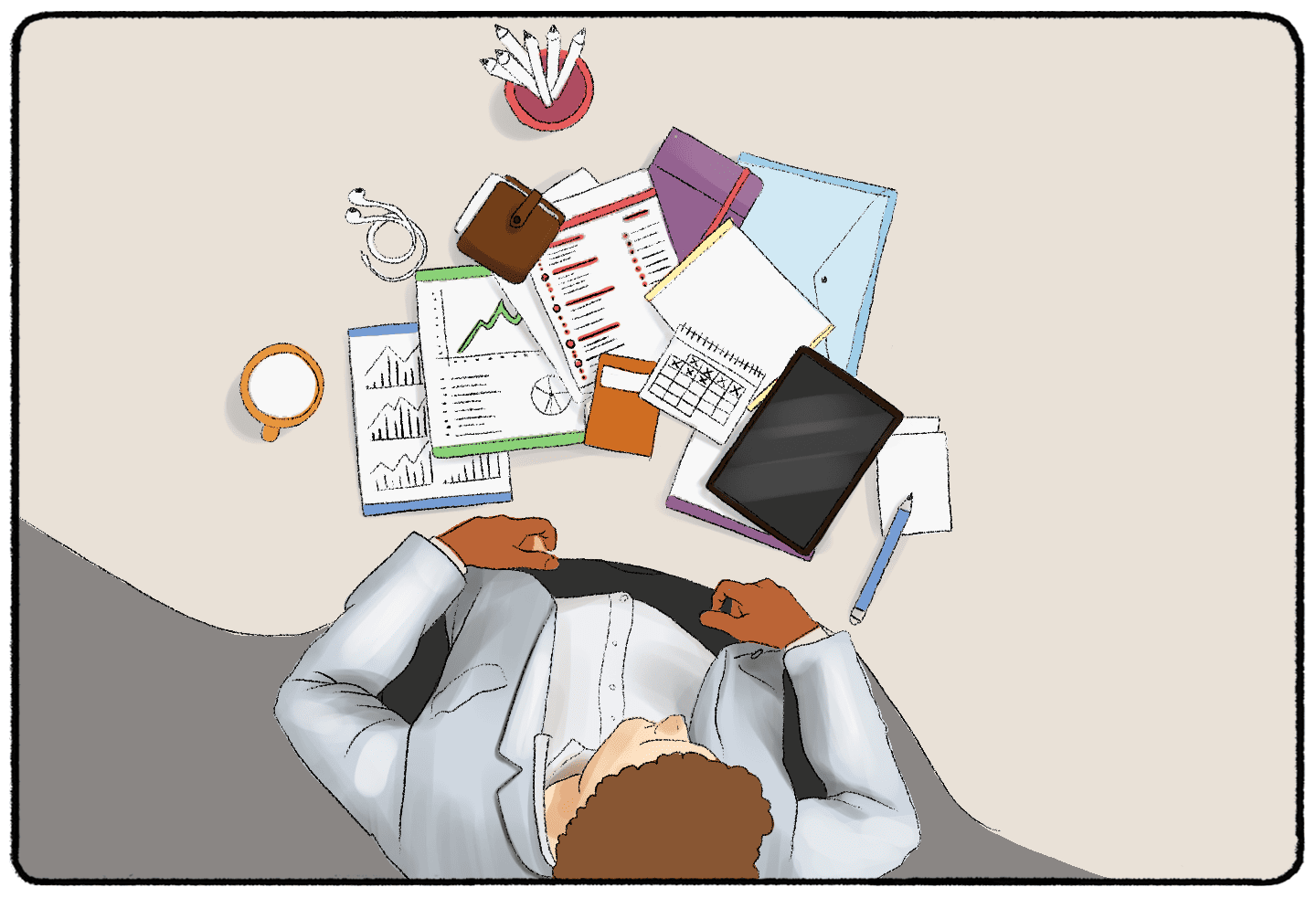
Psychologistswho have looked at multitaskingbelieve that only 2.5% of the population can successfully multitask. The rest should stick to focusing on one task at a time. Even then, they probably are “multi-focusing.”
Multitasking can create bad habits and hurt your ability to learn and process information. Think about theselective attention theory. When the brain receives stimuli, it has to decide whether or not it is going to focus on those stimuli. When you train your brain to hop between tasks with wildly different stimuli, you are making it harder for the brain to choose a focus for a long period confidently.
You also make it harder for your brain to learn (aka remember) the information that you are processing and to apply that knowledge to other situations.
In 2006, a psychologist namedRussell Poldrackat the University of Texas-Austin performed a study to assess our ability to learn while multitasking. While initial results appeared to show that both groups learned the information, brain scans showed otherwise. In the study, Poldrack says that “even if distraction does not decrease the overall level of learning, it can result in the acquisition of knowledge that can be applied less flexibly in new situations.”
This could mean you remember a fact about a president but may have a harder time recalling and putting it into context when discussing other elements of that president’s life.
Multitasking vs. Mindfulness
Science shows that multitasking can reduce your ability to store information long-term and apply it to different contexts. Further research shows that youcanundo the negative effects of multitasking withmindfulness.
Mindfulness is essentially the opposite of multitasking. Instead of trying to drive, eat, apply makeup, and text simultaneously, you remain very focused on what you are doing in the present moment. You quiet your thoughts to the point where you are not eventhinkingof doing another task. You are simply living in the present and bringing all of your awareness to the task (or exercise) at hand.
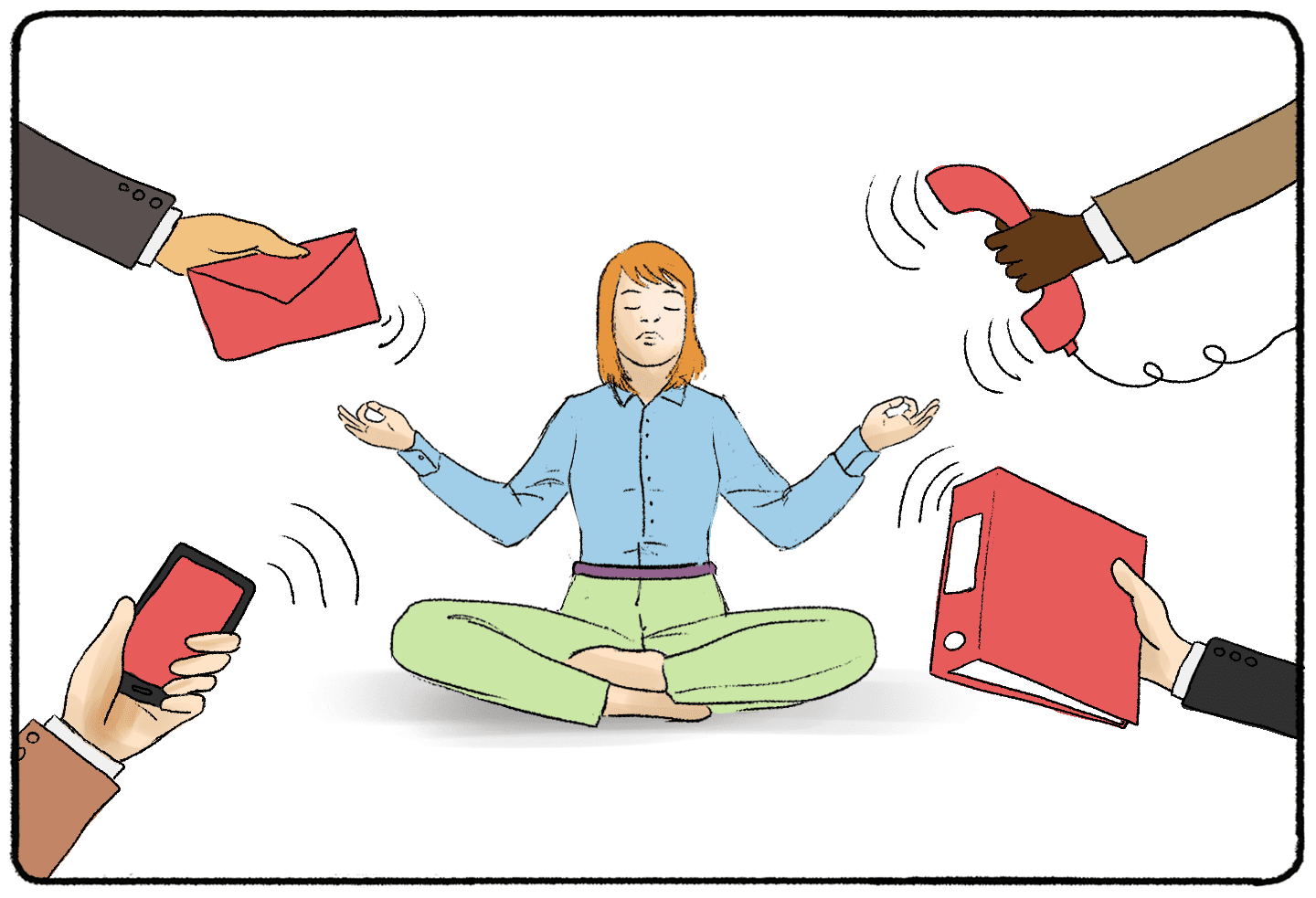
Recent studies on mindfulness seem to show that they have the opposite effect on the brain as multitasking. For example, a 2010studyon military members showed that meditation increased working memory capacity. A 2009 study revealed that “mindfulness meditation practice and self-reported mindfulness were correlated directly with cognitive flexibility andattentional functioning.” These studies pertain to the ability to learn and process information. Mindfulness practices can also reduce stress and assist people in living a happier life.
So let’s face it. Multitasking is extremely tempting, and in a world of smartphones and other technological devices, it’svery easy to do.But if you want to strengthen your brain and get tasks done faster, it’s time to focus. Build your schedule around completing one task at a time, not trying to get everything on your to-do list done at once.
Related posts:Attention (Psychology Theories)MBSR: Mindfulness Based Stress Reduction (Examples)203+ SWOT Threats Examples (Definition + Use-cases)Mindfulness MeditationHavighurst’s Developmental Task Theory
Related posts:
Reference this article:Practical Psychology. (2019, August).Multitasking: Switching Costs + MultiFocusing.Retrieved from https://practicalpie.com/multitasking-attention/.Practical Psychology. (2019, August). Multitasking: Switching Costs + MultiFocusing. Retrieved from https://practicalpie.com/multitasking-attention/.Copy
Reference this article:
Practical Psychology. (2019, August).Multitasking: Switching Costs + MultiFocusing.Retrieved from https://practicalpie.com/multitasking-attention/.Practical Psychology. (2019, August). Multitasking: Switching Costs + MultiFocusing. Retrieved from https://practicalpie.com/multitasking-attention/.Copy
Copy
