Why do we enjoy cooking shows? While most people don’t follow along and bake a souffle with the contestants on theGreat British Bake-Off,they still find satisfaction in watching the goodies made and eaten.
The answer could be in a group of brain cells that have recently been discovered. They’re the same group of brain cells that could also explain why we yawn when we see someone yawn. Or smile when we see someone smile. Or feel strong emotions after watching a movie or a story on the news.
These brain cells are called mirror neurons. While there is still a lot to learn about mirror neurons, they hold the potential to answer big questions about empathy, observational learning, and emotions.
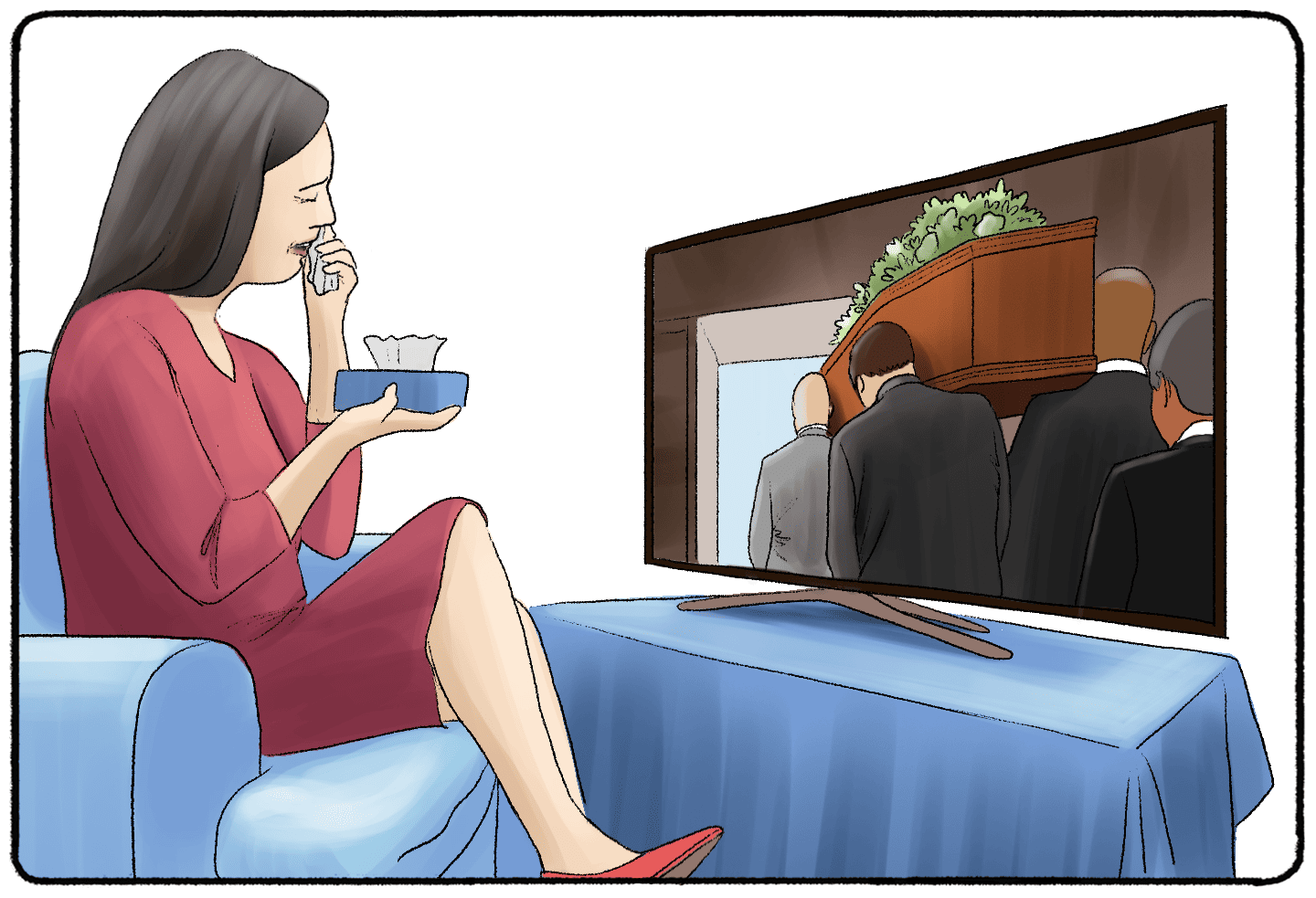
 a woman crying while watching a funeral
What are Mirror Neurons?How they were foundMirror Neurons in HumansFunctions of Mirror NeuronsThere Is Still Work to Be DoneRelated posts:
What are Mirror Neurons?
How they were found
Mirror Neurons in Humans
Functions of Mirror Neurons
There Is Still Work to Be Done
Related posts:
They are a group of brain cells that go off when performing or watching people do those tasks. While mirror neurons were directly observed in monkeys (I’ll talk more about that later), brain cells that mimic mirror neurons have been discovered in the front of the brain. These areas of the brain include:
When we see a behavior, these mirror neurons light up. Then, they send a message to the motor system, and we may display certain behaviors. This may be crying at a sad movie or feeling relief as we see someone licking an ice cream cone on a hot day.
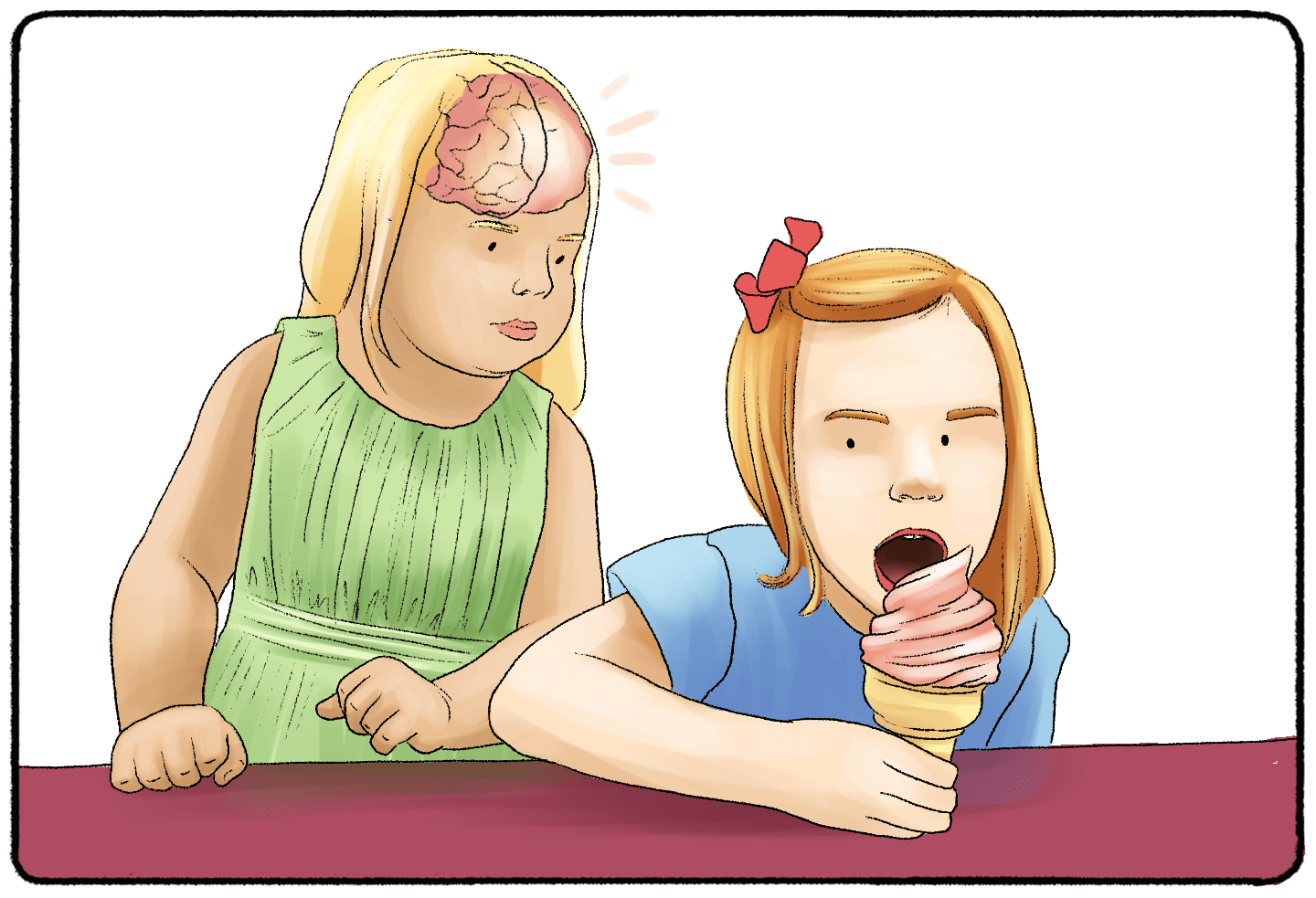
Mirror neurons are a relatively discovery. It took until the 1990s for an Italian scientist to discover them. And he discovered them after eating ice cream and watching a monkey.
It’s true!
The scientists placed caps on the monkeys so that they could observe their brains and the activation of certain brain cells in the monkeys. Then the feasting began.
The experiments with Macaque monkeys showed that the same neurons would fire when the monkey was eating and when the monkey observed someone eating. If the monkey watched the researcher grab a peanut, the neurons in their brain would fire as if they were grabbing it. If they saw another monkey peel and eat a banana, the same neurons would fire off as iftheywere eating a banana.
It gives a new meaning to the phrase, “Monkey see, monkey do,” doesn’t it?
Humans and primates are very closely related. So it didn’t take long for the scientists to shift their focus to humans. What they found in humans was similar, but not the same type of reaction as the monkeys.
Theywereclose. Both sets of neurons that fired were within millimeters of each other. Scientists now believe that while these mirror neurons may not be the same ones that fire while doing and observing, they’re neighbors.
Our mirror neurons, which fire when we observe someone, are a subset of the larger neurons that fire when we act. Those neurons are called “ ordinary motor command neurons.” Mirror neurons make up about 1 in 5 of the ordinary motor command neurons in our brain.
Let’s return to something I said at the beginning of this video. Some scientists have theorized that mirror neurons are responsible for “contagious yawns.” You might have known for a long time that yawns were contagious. But what did people say about those who yawn when they see others yawn?
That they’re empathetic.
Mirror neurons could answer some big questions about the science of empathy. Vilayanur Ramachandran is one of the leading scientists on mirror neurons. In hisTED talkfrom 2009, he sums up this connection quite nicely:
“Here is a neuron that fires when I reach and grab something, but it also fires when I watch Joe reaching and grabbing something. And this is truly astonishing. Because it’s as though this neuron is adopting the other person’s point of view. It’s almost as though it’s performing a virtual reality simulation of the other person’s action.”
With this virtual reality simulation, we can understand what another person feels when they act. And that is the basis of empathy.
When we see someone receive an award or a prize for their behavior, our reward pathways light up. This certainly explains the pride of watching someone score a touchdown or graduate from higher learning. But even children’s brains do this. And it explains a lot about observational learning.
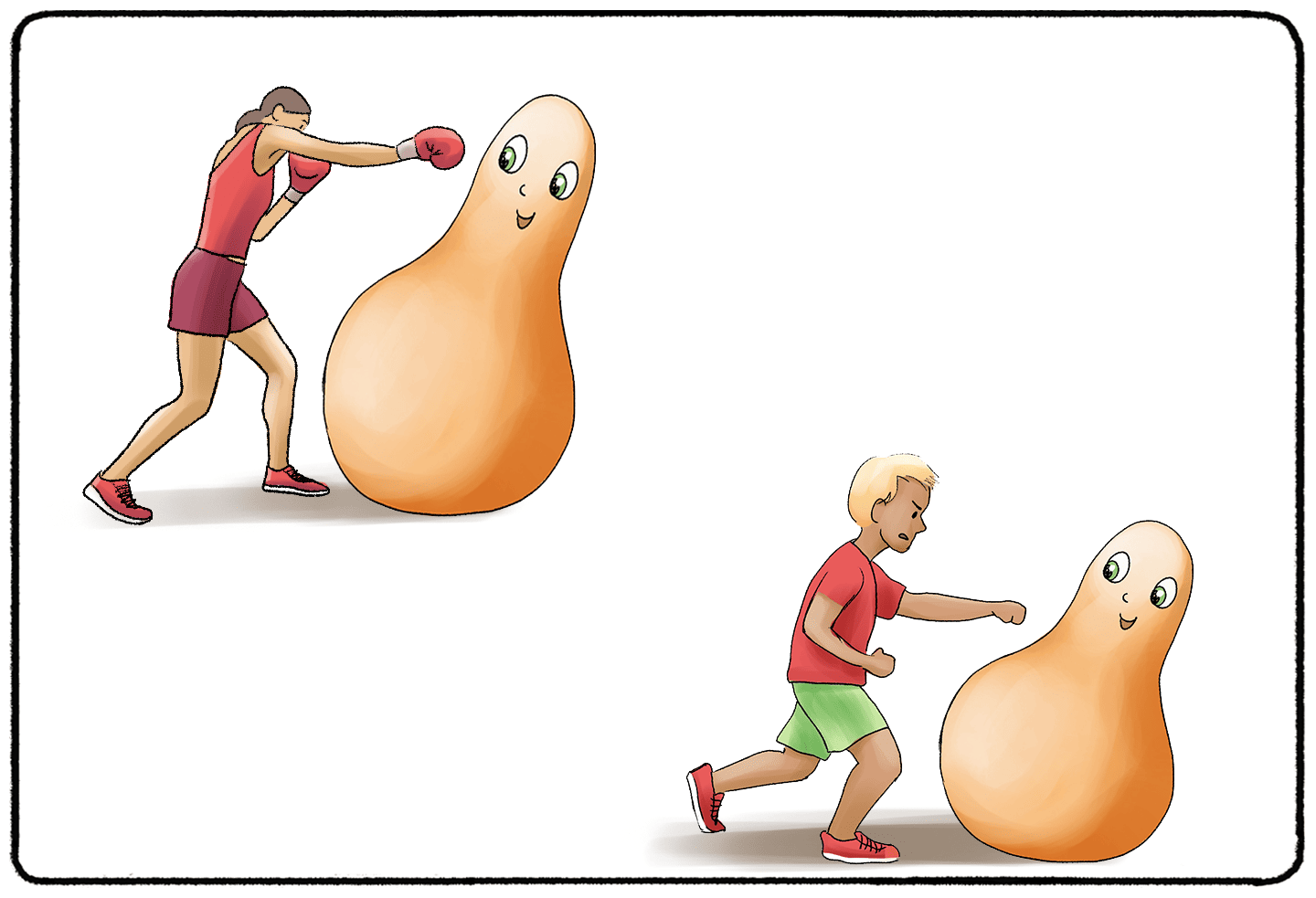
Even though the 90s were over three decades ago, there is still much to learn about mirror neurons, empathy, and observational learning. For instance, our neurons fire when someone performs a specific behavior. But how does this affect feeling the same feelings as another person?
How do our mirror neurons work with our senses?
And how do intentions and context play into what our brains tell us when those mirror neurons fire?
Related posts:How Many Brain Cells Does a Human Have?Harlow’s Monkey Experiment (Definition + Contribution to Psychology)Dreams Of Monkeys Meaning (12 Reasons + Interpretation)Synaptic Cleft (Definition + Function)Basal Forebrain (Location + Function)
Reference this article:Practical Psychology. (2019, September).Mirror Neurons.Retrieved from https://practicalpie.com/mirror-neurons/.Practical Psychology. (2019, September). Mirror Neurons. Retrieved from https://practicalpie.com/mirror-neurons/.Copy
Reference this article:
Practical Psychology. (2019, September).Mirror Neurons.Retrieved from https://practicalpie.com/mirror-neurons/.Practical Psychology. (2019, September). Mirror Neurons. Retrieved from https://practicalpie.com/mirror-neurons/.Copy
Copy
