When you think of meditation, what do you think of?
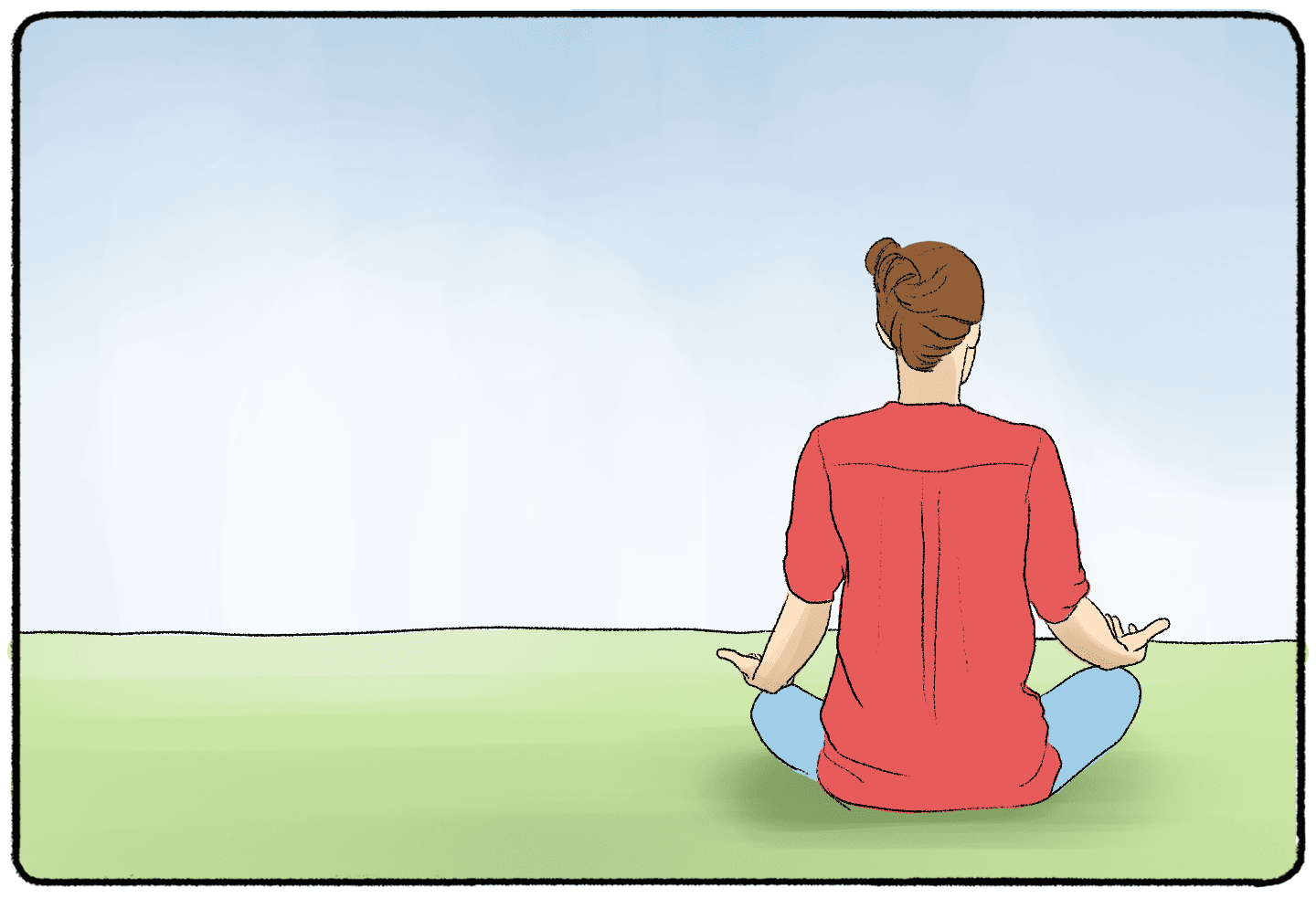
Maybe it’s monks sitting in a forest, levitating. Maybe it’s a bunch of people in a yoga studio, chanting. But what if I told you to picture a person just walking to work?

What is Meditation?What is mindfulness?Paying AttentionOn PurposeNot JudgingHow to practice mindfulness meditationMindfulness-Based Stress Reduction (MBSR) ProgramRelated posts:
What is Meditation?
What is mindfulness?
Paying Attention
On Purpose
Not Judging
How to practice mindfulness meditation
Mindfulness-Based Stress Reduction (MBSR) Program
Related posts:
Before we dive into the meditation that has gained traction in the West, let’s briefly talk about the history of meditation.
Discussions about meditation were happening all the way back in 1500 BCE. Mentions of meditation appeared in the Vedas, which are ancient Sanskrit texts. The Sanskrit name for meditation isDhyana. Dhyanais mentioned throughout all of the most important Hindu texts, including the Upanishads and the Yoga Sutras of Patanjali.
The Yoga Sutras of Patanjali outline the “eight limbs” of the Yoga practice that is still practiced throughout the world today. The third limb isasanas,which are the poses that you may commonly associate with Yoga.Pranayamais the fourth limb - that is breathing practices that are often used in mindfulness meditations. The seventh limb is Dhyana, or meditation.
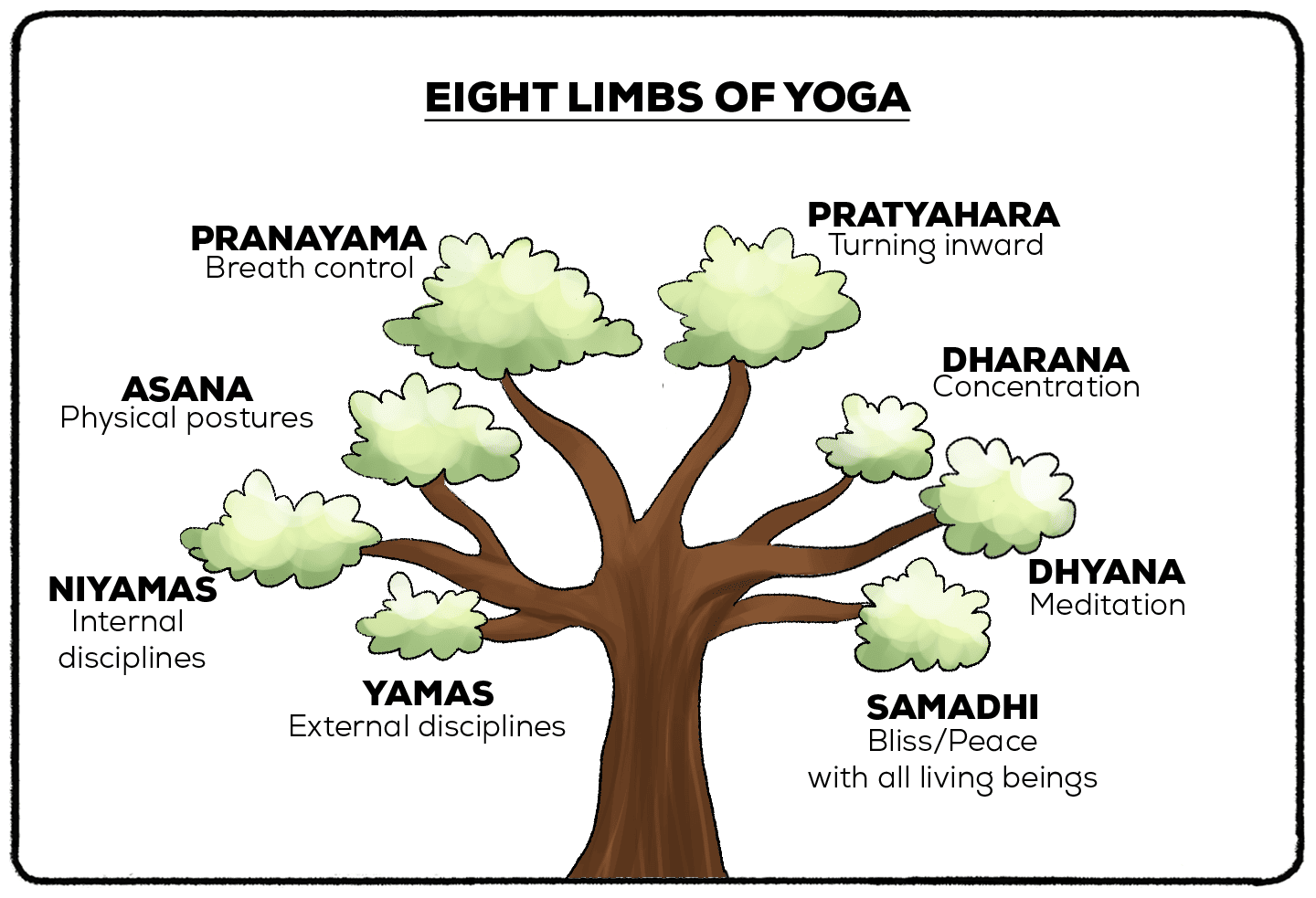
Dhyana takes a different form than mindfulness meditation or the meditations that popped up in other parts of the world. It is a meditation that focuses on a single object, area of the body, or energy source. The goal of Dhyana meditation is to find the absolute truth about what you are focusing on. It reflects the larger goals of Yoga and meditation: to cultivate self-knowledge and connect to the divine.
Dhyana is a spiritual element within Hinduism. Meanwhile, other parts of Asia were developing meditation practices that were more religious. Buddhists in India, China, and later Japan used meditation as a practice to achievenirvana. Nirvanais a state of desiring nothing.
There are two types of Buddhist meditation. Samatha meditation quiets the mind to a point of tranquility and fixed concentration. Vipassana meditation requires more focus into what is happening in the moment, using body scans and other techniques to focus on the sensations within the body. Nowadays, Vipassana meditations are notorious for being 10-day, completely silent meditations that strip away all activities and distractions. They’re a great way to get a crash course in meditation, but they certainly don’t provide an easy transition into the world of meditation.
That’s where mindfulness comes in.
The concept of mindfulness is quite similar to Vipassana. Jon Kabat Zinn, one of the “fathers” of mindfulness as we know it today, defines mindfulness as:
“The awareness that arises from paying attention, on purpose, in the present moment and non-judgmentally.”
There are three elements that are especially important to the of mindfulness:
Mindfulness is a state of being aware of what is going on around you. First, you feel the parts of your body making contact with your chair. Then, you feel the parts of your body making contact with your desk or computer. You feel a slight twinge of pain in your back and the cold air from the AC as it blows across your arm.
The last element is not judging. While you sit in a mindful meditation, you might notice that certain memories continue to come up or that you have a hard time focusing. As you mindfully move through life, you might notice that you are extra tired or feeling unhappy. It’s easy for many people to judge themselves or scold themselves for these slip-ups or moments where they aren’t feeling their best. (This is why meditation is so inaccessible for people in the first place.) But mindfulness is all about non-judgment. Did you think something negative about yourself? That’s okay. You acknowledge it - and move into the new present moment.
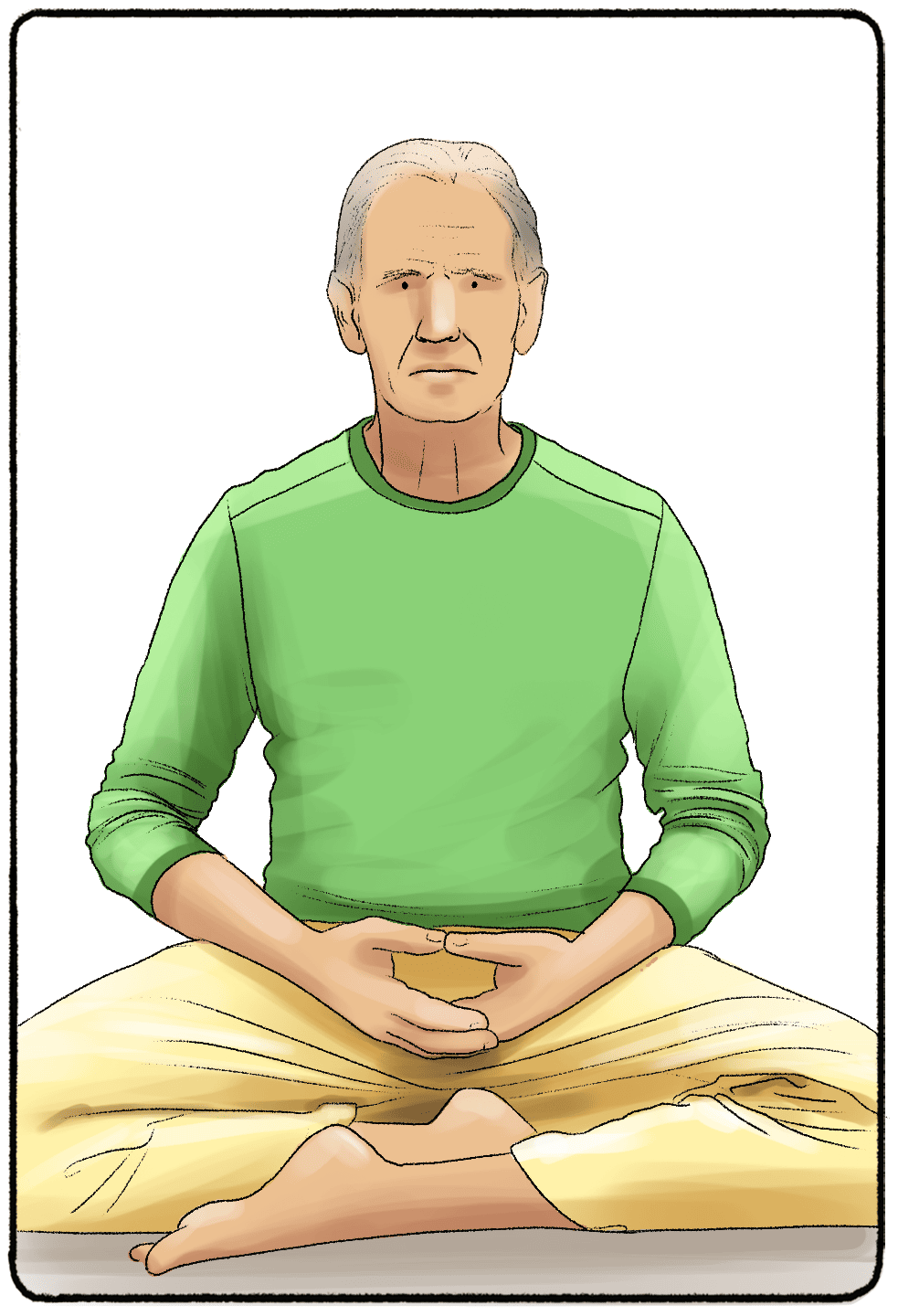
Apps like Headspace and Calm have made it easier than ever for people to get into mindful meditation. But you don’t need your phone to be mindful. You don’t need an app, a training program, or even a dime to practice mindful meditation. You just need to have the desire to practice.
In addition to the MBSR program, UMASS Medical School also Mindfulness-Based Cognitive Therapy as a way to manage depression symptoms. These two courses are still extremely popular today and have MBSR-trained teachers offering their MBSR courses online and around the world.
While many scientific studies have shown that regular meditation can have a positive impact on a wide variety of physical and mental conditions, many of these studies are small. The biggest and most trustworthy studies show the differences that mindfulness makes on patients with depression, anxiety, and chronic pain.
Despite whether or not you think you would be “good” at mindful meditation, I encourage you to give it a try. Even if you don’t fully reach nirvana, you will be able to learn more about yourself and cultivate a more positive relationship with your body and mind.
Related posts:MBSR: Mindfulness Based Stress Reduction (Examples)Benefits of Meditation on the BrainHow To Live In the Moment (Guide + Quotes)TherapyDiathesis-Stress Model (Definition + Examples)
Reference this article:Practical Psychology. (2019, September).Mindfulness Meditation.Retrieved from https://practicalpie.com/mindfulness-meditation/.Practical Psychology. (2019, September). Mindfulness Meditation. Retrieved from https://practicalpie.com/mindfulness-meditation/.Copy
Reference this article:
Practical Psychology. (2019, September).Mindfulness Meditation.Retrieved from https://practicalpie.com/mindfulness-meditation/.Practical Psychology. (2019, September). Mindfulness Meditation. Retrieved from https://practicalpie.com/mindfulness-meditation/.Copy
Copy
