Life expectancy has significantly risen since 1950, jumping from an average of 68 years to 79 years today. This increase has profound implications for our understanding of Erikson’s final stage of psychosocial development, “Integrity vs. Despair.” With over a decade added to our lives, individuals now have an extended period to reflect upon their past, experiencing either a sense of fulfillment or regret.
This elongation of life means seniors are spending more time navigating this phase. Recognizing this, it’s essential for caregivers and society to provide environments where seniors can express their experiences and still pursue aspirations. This prolonged stage emphasizes supporting seniors in their journey between integrity and despair.
What Is Ego Integrity vs. Despair?
Integrity vs. Despair Age
Setting Up for the Integrity vs. Despair Stage
The Evolution of Erikson’s Theory in the 21st Century
How Ego Integrity vs. Despair Compares to Other Stages
Can Integrity vs. Despair Kick in Before the Age of 65?
How to Support a Loved One In the Final Stages of Life
Erikson’s Stages of Development vs. Other Stages of Development
Comparing Erikson’s Views on Old Age with Other Developmental Theories
In the final stage of Erikson’s Stages of Psychosocial Development, people tend to reflect. They reflect on what they’ve done in their lives. The central question during this stage is, “Have I led a meaningful life?” If a person feels satisfied, they will develop a sense of integrity.
 stages of psychosocial development
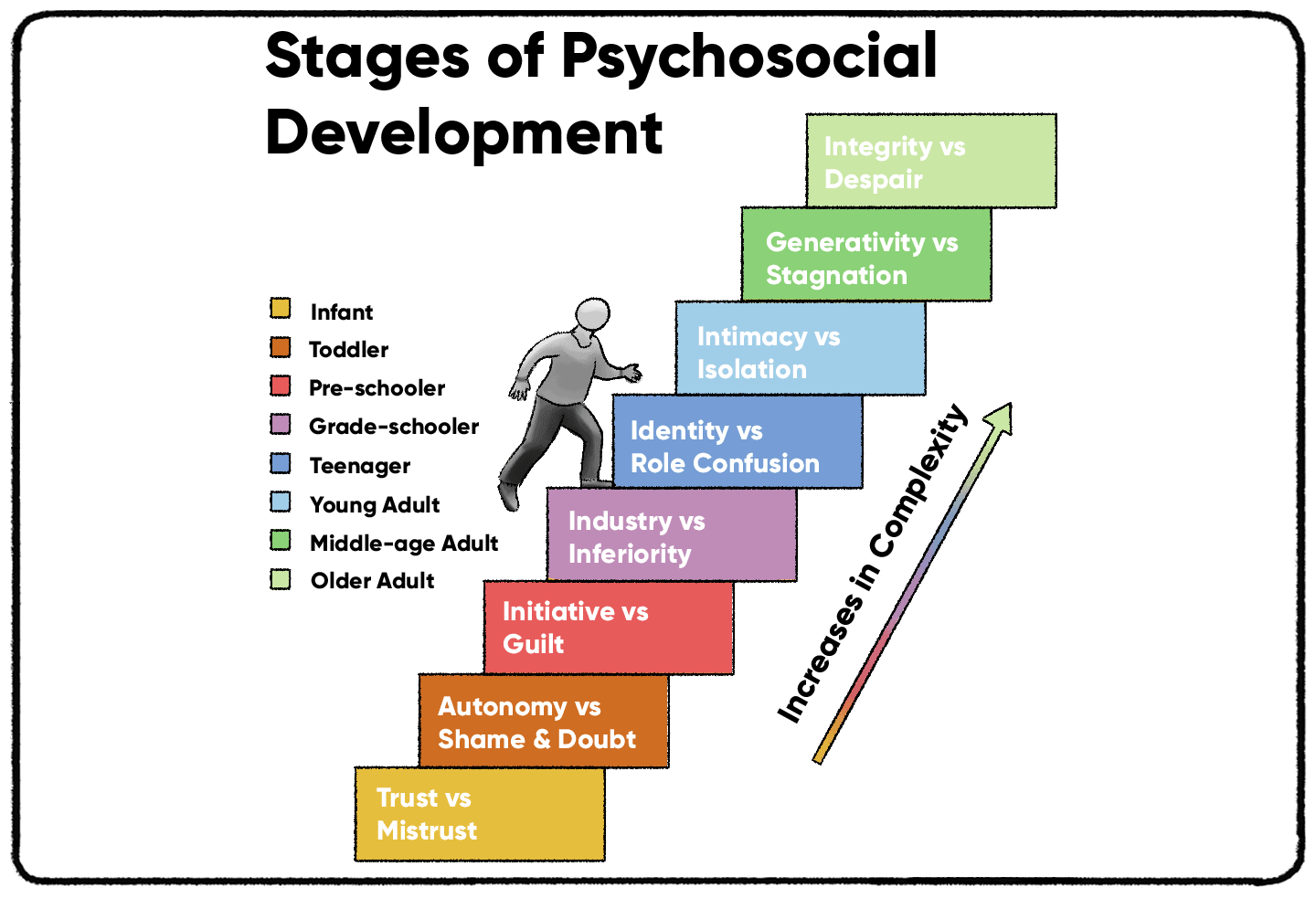
According to Erikson, a person enters this psychological crisis around 65. By this time, a personmayhave retired. (Theaverage retirement age, as of 2022, is 61.) As a person enters retirement and their schedule slows down, they have more time to reflect on their life and everything they had been through in the previous stages. Did they enjoy their career? Are the generations beneath them set up to have a better life? When you aren’t working 9-5, you have a lot more time on your hands to think about the answers to these questions!
Integrity vs. despair is the final of the eight stages of psychosocial development. The seventh stage isGenerativity vs. Stagnation,which occurs between the ages of 40 and 65. During this time, people explore whether they will leave a legacy and how their memory will outlive them. They have already had children and might be welcoming grandchildren into the world. They are usually well into their careers. A person who has moved through this stage successfully will confidently believe they have created a legacy they can pass down to others. In the final stage of life, they aim to impart their wisdom to the world.
Striving for Integrity
The basic virtue developed during this time is wisdom. The wise parents and grandparents who give you the best advice? They are probably handling this stage of their life pretty well. People reaching the age of 65 have spent much time experiencing the world and collecting wisdom to impart. For this reason, studies show that they are generally better at regulating their emotions and are happier than their younger counterparts. Sixty-five years is a lot of time to learn how to tap into your emotions and act in ways that lead to happiness!
Not every older person chooses happiness or believes they have lived a life of happiness. If a person is not so satisfied when they reflect on their life, they may feel despair. Despair is defined as “the complete loss or absence of hope.” At the age of 65 and up, despair is not a great feeling to have.
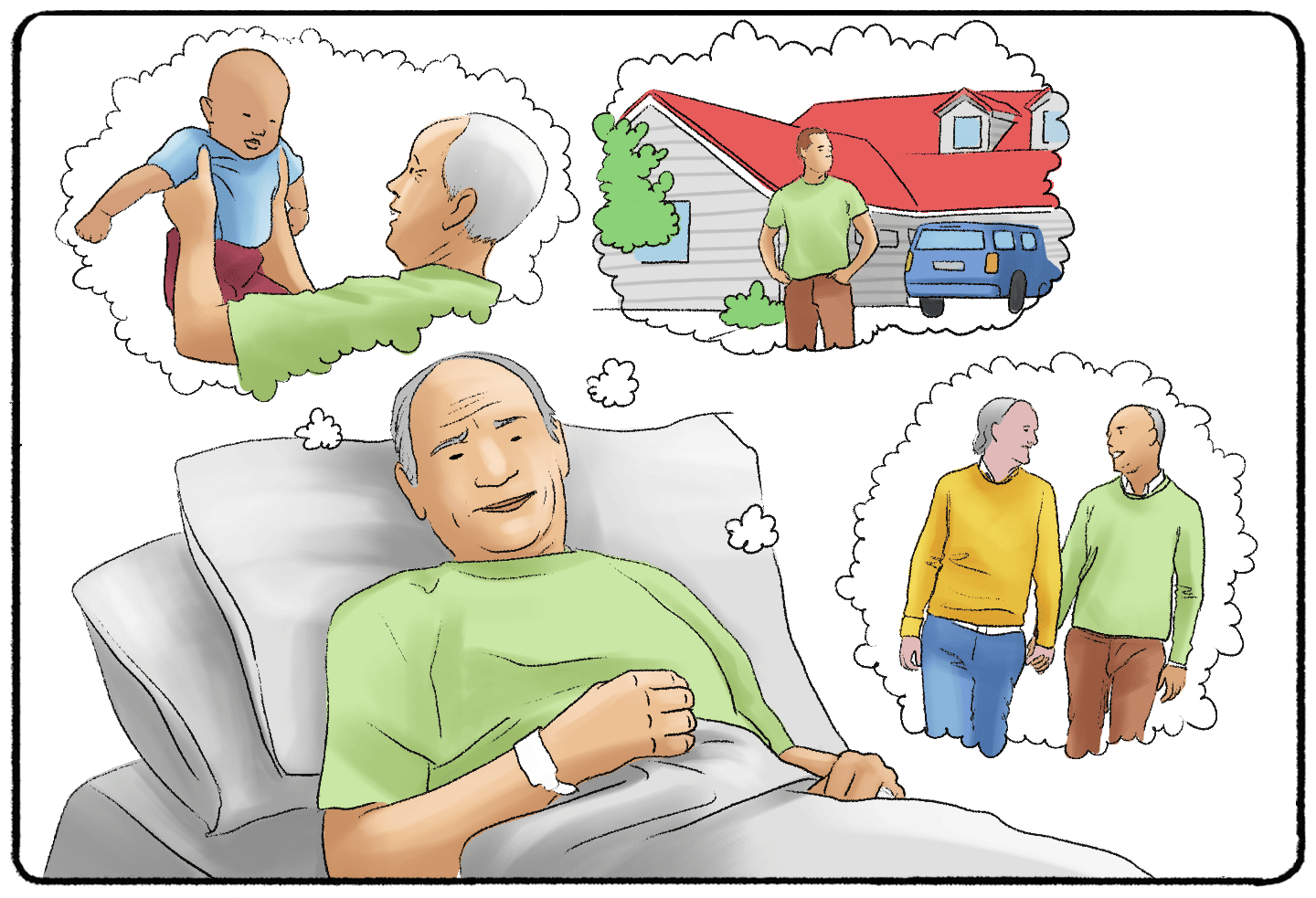
Acceptance
Satisfaction doesn’t have to come from a lot of money in the bank or a huge family. Anyone can successfully complete this stage and develop integrity. Erikson defined ego integrity as “accepting one’s one and only life cycle as something that had to be.” A person can feel wholly developed without a library named after them or a grand accomplishment. Conversely, someone who has made big charity donations served in the military with many awards, or built a big family may not feel whole.
While developed in the mid-20th century, Erikson’s psychosocial stages remain a cornerstone in understanding human development. However, the world has undergone drastic changes since then, with technological advances at the forefront of this evolution. How do these shifts impact the way we view Erikson’s stages today?
Practical Implications for Modern Society
Understanding these nuanced shifts in Erikson’s stages is vital for educators, caregivers, and policymakers:
While Erikson’s theory remains foundational, the rapid societal changes necessitate reinterpretation. By doing so, we can ensure a more holistic understanding of human development tailored to the challenges and opportunities of the modern world.
A Domino Effect
Not only does the seventh stage impact the eighth stage of psychosocial development, but all stages, in some way, make an impact. Even failing to successfully move through the first crisis of life, trust vs. mistrust, may eventually impact a person in the last years of their life. Think of these stages like a set of dominos. A child who does not develop trust due to neglect may not feel empowered to explore their autonomy. They might not feel confident to take the initiative to explore the things they want and, eventually, their identity. We know from other psychologists that attachment and trust can also impact adult relationships. Failing to form these relationships can lead to a life where a person cannot leave a legacy behind.
With this all being said, a person who might have experienced negative results from a crisis in their early years may still benefit from mental health counseling or work to move through that crisis with a more positive result.
The Identity Crisis in Old Age
Do you know who came up with the term “identity crisis?”
If you have studied the psychosocial stages of development in psychology, you know it wasErik Eriksonhimself. Erikson is a German-American psychologist who developed eight stages of psychosocial development. These stages don’t just involve how a person interacts with the world - the world’s perception of the person, and their place within the world, also come into account.
The identity crisis, Erikson says, happens around adolescence. This is an exciting time in a teenager’s life, but also very scary. A crisis will occur without a solid sense of who you are or what you will pursue. Rebellion, depression, or reckless behavior may occur.
Erikson developed his theory in the last half of the 20th century, and things have changed in the last few decades. A second round of identity crisis is becoming more common - but not among adolescents. Seniors and retired individuals often revisit these same questions that they asked as teenagers:
They often have more time and freedom to explore their interests and passions.
What about the seniors who have more time to do stuff other than sit and reflect? The seniors find themselves at 65, healthy, and free to do whatever they please. Are they in the Integrity vs. Despair stage?
Not necessarily. Just because a person hits 65 doesn’t mean they are in the final stage of psychosocial development. For many people, age 65 is still many years away from retirement. Major life events and other factors can adjust when a person enters different stages. For example, a 40-year-old man who was just diagnosed with Stage 4 cancer might find himself reflecting on his life sooner than he would have thought. Divorce, the death of a family member, or getting a new job may also impact whether someone stays in one stage of psychosocial development, jumps ahead, or even spirals back to previous questions about their life and place in the world.
I mention this because people in your life may be going through any of thelast three stages of Psychosocial Development. We are all developing our relationships with others and our place in the world. Maybe you are contemplating where you fit into the world, too.
These tips can help you come to a point of acceptance with this stage of social development and develop basic virtues like wisdom, care, and purpose.
Talk About It!
While some people wear their feelings on their sleeves, others prefer quiet. If you are struggling with these big questions, do not be afraid to ask your support system for help. This could be a family member, friend, sponsor, or therapist. Talking through your feelings can be enough to settle them.
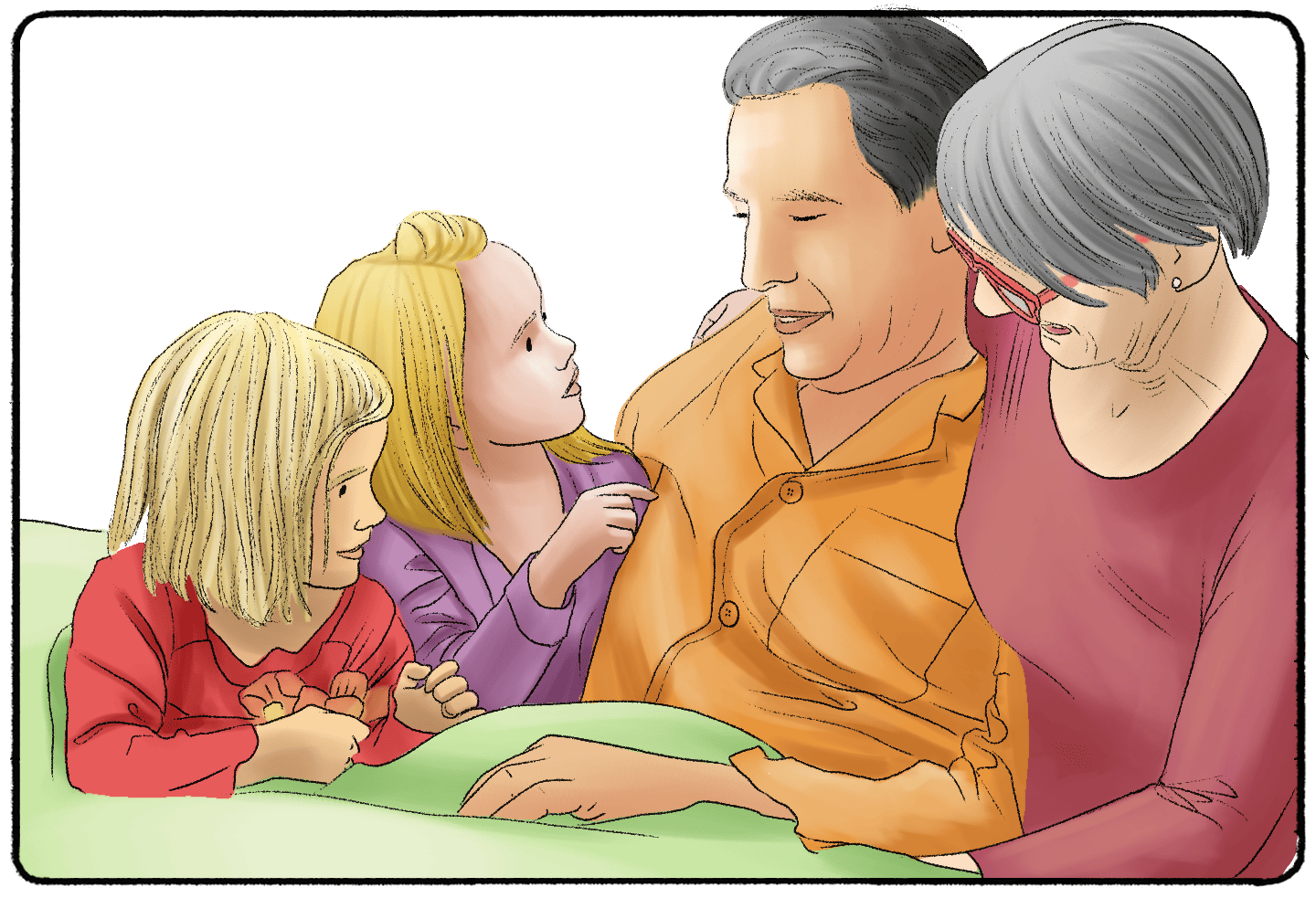
Offer Support.
Ask questions. Check-in with your support group. How are they doing? Offering support to others can help you feel better about your role in the world. Plus, you might realize that you are not alone in your questions and exploration. Another way to help others through difficult periods is to remind them that they have benefitted you. If your grandpa has taught you valuable life lessons, tell him! If a friend has gotten you through hard times, tell them you appreciate their support.
Try New Things!
Ask Questions.
Let your elders impart their wisdom to you. Ask them about their childhood and experiences in their career. What was it like building a family so many years ago? How might they have done things differently if they had the wisdom they have now? If you want this wisdom in a more formal form, consider setting them up with a writer or service that turns their life story into an actual book!
Share The Impact They Have Made On Your Life.
Be Candid About Their Feelings.
You may feel awkward asking a senior relative about their legacy or talking about their age, but these conversations need to be had. People know their age. They are more likely to be candid than you might imagine! Don’t be afraid to ask about your loved one’s feelings and whether they feel confident in the wisdom they impart or struggle with despair. If you do not feel equipped to handle these conversations, consider contacting a professional.
I hope you’ve had a good time exploring the different stages of psychosocial development! We all want to feel satisfied with our place in the world. Knowing the foundational virtues and feelings that get us there can be crucial to living (or redirecting) our lives in the most fulfilling way.
Erikson’s psychosocial theory, particularly his final stage of “Integrity vs. Despair,” is a foundational model for understanding the psychosocial aspects of aging. However, exploring how other psychologists perceive this life stage is beneficial for a comprehensive view of old age’s developmental complexities. Let’s delve into a comparative analysis:
Erikson’s theory provides a lens to understand the psychological conflicts faced during old age, but the broader landscape of gerontological theories offers multiple perspectives that enrich our understanding. Each theory brings out different facets, be it the societal, adaptive, reflective, or cultural aspects of aging. Therefore, a holistic grasp of old age lies in acknowledging the insights from all these developmental frameworks.
Related posts:Erik Erikson’s Biography (Psychologist)Erikson’s Stages of Psychosocial DevelopmentIndustry vs Inferiority (Psychosocial Stage 4)Autonomy vs. Shame: Psychosocial Stage 2Intimacy vs Isolation: Psychosocial Stage 6
Related posts:
Reference this article:Practical Psychology. (2020, March).Integrity vs Despair (Psychosocial Stage 8).Retrieved from https://practicalpie.com/integrity-vs-despair/.Practical Psychology. (2020, March). Integrity vs Despair (Psychosocial Stage 8). Retrieved from https://practicalpie.com/integrity-vs-despair/.Copy
Reference this article:
Practical Psychology. (2020, March).Integrity vs Despair (Psychosocial Stage 8).Retrieved from https://practicalpie.com/integrity-vs-despair/.Practical Psychology. (2020, March). Integrity vs Despair (Psychosocial Stage 8). Retrieved from https://practicalpie.com/integrity-vs-despair/.Copy
Copy
