Receiving an “I miss you” message from someone can stir up a range of emotions, depending on the nature of your relationship with that person. It could be from an old friend who has moved away, a family member who lives far away, or a romantic partner. Whatever the case may be, it’s important to know how to respond in a way that shows you care while also maintaining boundaries.
The way you should respond to an “I miss you” message depends on your relationship with the person and the context of the message. It’s important to be sincere in your response and to consider the nature of your relationship to avoid sending mixed signals.
 Asking a girl out over text
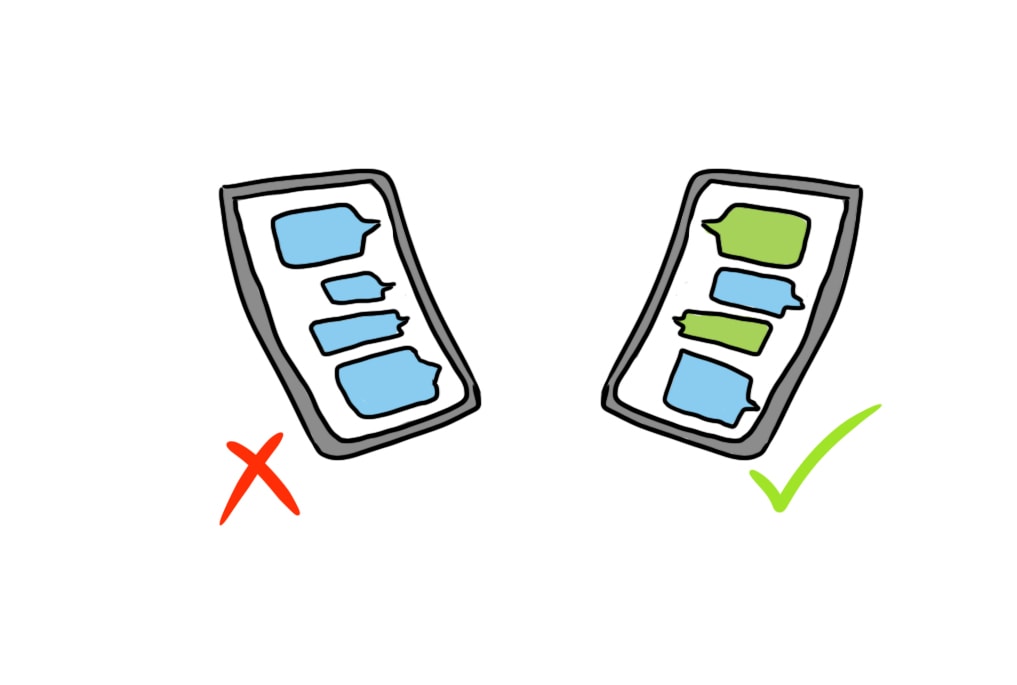
In this article, we’ll explore different ways to respond to an “I miss you” message. From heartfelt responses that express your affection to more casual replies that maintain some distance, we’ll cover a range of options to help you find the right words to say in any situation. Whether you want to rekindle an old relationship or just maintain a friendly connection, these responses will help you navigate the delicate balance between showing you care and avoiding sending the wrong signals.
So, whether you’re feeling nostalgic or simply want to keep things light, read on for tips on how to respond to “I miss you” messages.
Good ResponsesBad ResponsesAvoiding The Message ResponsesBe HonestAcknowledge Their FeelingsShare Your FeelingsUse HumorDon’t Be DefensiveUse Positive LanguageTake Time To Think About ItDon’t String Them Along
Good Responses
Bad Responses
Avoiding The Message Responses
Be Honest
Acknowledge Their Feelings
Share Your Feelings
Use Humor
Don’t Be Defensive
Use Positive Language
Take Time To Think About It
Don’t String Them Along
Being honest is key when responding to an “I miss you” message. Whether you miss the person in question or not, it’s important to respond in a way that reflects your true feelings. If you do miss them, expressing this can help strengthen your connection and show that you value their presence in your life. However, if you don’t miss them or have mixed feelings, being honest about this can help avoid leading them on or sending mixed signals.
Overall, being honest when responding to an “I miss you” message can help build stronger connections and avoid sending mixed signals. Whether you miss the person or not, taking the time to respond sincerely and thoughtfully can help navigate any situation with grace and clarity.
When someone tells you “I miss you,” it’s important to acknowledge their feelings, even if you don’t necessarily feel the same way. Acknowledging their message can help strengthen your relationship and show that you care about their emotions. It’s important to remember that even if you don’t miss them, it doesn’t mean their feelings aren’t valid.
Sharing your own feelings when responding to an “I miss you” message can help strengthen your connection with the other person. Whether you miss them or not, expressing your own emotions can help foster a deeper understanding of each other’s feelings and create a more authentic conversation. It’s important to be honest and sincere when sharing your own feelings, and to avoid leading the other person on if your feelings are mixed.
Using humor can be a great way to respond to an “I miss you” message, especially if you’re not sure how to respond or want to lighten the mood. A well-timed joke or playful response can show that you care while also keeping things lighthearted. However, it’s important to read the situation and the other person’s feelings before using humor as a response.
This response acknowledges their message while also bringing up a fun memory you shared together. However, if the other person seems genuinely upset or is reaching out for comfort, it may be best to avoid humor and respond in a more supportive way.
When someone tells you “I miss you,” it can be tempting to immediately get defensive and feel like you’re being put on the spot. However, reacting defensively can lead to misunderstandings and hurt feelings. Instead, try to approach the situation with an open mind and a willingness to listen.
One way to avoid defensiveness is to acknowledge the other person’s feelings. For example, you could say something like, “I understand that it can be tough when we don’t see each other as often as we used to.” This shows that you’re taking their emotions seriously and that you care about their feelings.
Another way to avoid defensiveness is to be honest about your own feelings. If you’re not feeling the same level of attachment or connection, it’s okay to say so. But be careful to do it in a way that doesn’t dismiss their feelings or make them feel invalidated.
For example, you could say something like, “I care about you too, but I’m just not feeling as connected right now. Can we talk about what we can do to work on that?” This shows that you’re willing to work on the relationship and that you value their feelings.
One way to use positive language is to focus on the things you enjoy about spending time with the other person. For example, you could say something like, “I miss spending time with you too, especially when we go hiking together.” This shows that you appreciate their company and are looking forward to future experiences together.
Another way to use positive language is to express gratitude for the other person’s presence in your life. For example, you could say something like, “I’m grateful for our friendship and the memories we’ve shared. Let’s make plans to catch up soon.” This shows that you value the relationship and are committed to maintaining it.
Finally, it’s important to use positive language when expressing your own emotions. Instead of saying something like, “I’m sorry I haven’t been able to see you more often,” you could say something like, “I’m looking forward to making more time for us to hang out.” This puts a positive spin on the situation and shows that you’re committed to the relationship.
Taking time to think about your response when someone says “I miss you” can help you to respond in a way that is thoughtful and authentic. Let the other person know that you need some time to think, write down your thoughts and feelings, and talk to a trusted friend or family member if needed.
By taking the time to think about your response, you can help to foster a healthy and positive connection with the people in your life.
When someone tells you that they miss you, it can be tempting to respond in a way that is vague or non-committal. However, it’s important not to string them along or give them false hope. Leading someone on can cause more hurt in the long run and can damage the relationship.
One way to avoid stringing someone along is to be honest about your feelings. If you’re not feeling the same level of attachment or connection, it’s okay to say so. It’s important to be kind but direct in your response. For example, you could say something like, “I appreciate your feelings, but I don’t feel the same way. I think it’s best if we focus on moving on and finding happiness elsewhere.”
Another way to avoid stringing someone along is to set clear boundaries. If you’re not interested in pursuing a relationship, it’s important to make that clear. This can be difficult, but it’s important to be upfront and honest. For example, you could say something like, “I’m flattered, but I’m not interested in pursuing a romantic relationship right now. I value our friendship and hope we can continue to be friends.”
In summary, it’s important not to string someone along when they tell you that they miss you. Be honest about your feelings, set clear boundaries, and be kind in your response. By doing so, you can help to foster healthy relationships based on honesty and respect.
Related posts:Stimulus Response Theory (Thorndike’s Research + Examples)Does He Like Me Test (Free Quiz- 100% Accuracy)ENM Meaning (Ethical Non-Monogamy Definition + 10 Guidelines)The Stress Response (General Adaptation Syndome)Does She Like Me Quiz (Free Quick Test - 100% Accuracy)
Related posts:
Reference this article:Practical Psychology. (2023, March).How To Respond To “I Miss You” (50+ Exact Reponses).Retrieved from https://practicalpie.com/how-to-respond-to-i-miss-you/.Practical Psychology. (2023, March). How To Respond To “I Miss You” (50+ Exact Reponses). Retrieved from https://practicalpie.com/how-to-respond-to-i-miss-you/.Copy
Reference this article:
Practical Psychology. (2023, March).How To Respond To “I Miss You” (50+ Exact Reponses).Retrieved from https://practicalpie.com/how-to-respond-to-i-miss-you/.Practical Psychology. (2023, March). How To Respond To “I Miss You” (50+ Exact Reponses). Retrieved from https://practicalpie.com/how-to-respond-to-i-miss-you/.Copy
Copy
