Psychoanalysts like Sigmund Freud believed that trauma, memories, and other vital experiences are stored down in our unconscious minds. Even though we are not fully aware of these experiences, they influence our behavior, decisions, and any fixations that we might have. By accessing these experiences and bringing them to the surface, we may be able to let go of them and have more control over our decisions and behavior.
But how do you access the unconscious?Sigmund Freudsaid it could be done through talk therapy. But another psychiatrist had other ideas in mind: holotropic breathwork.
What Is Holotropic Breathwork?Who Invented Holotropic Breathwork?How To Perform Holotropic BreathworkWhat Happens During Holotropic Breathwork: A ReviewIs Holotropic Breathwork Safe?
What Is Holotropic Breathwork?
Who Invented Holotropic Breathwork?
How To Perform Holotropic Breathwork
What Happens During Holotropic Breathwork: A Review
Is Holotropic Breathwork Safe?
Holotropic breathwork is a breathwork practice that uses deep, fast breathing, music, and the encouragement to let your inner feelings come to the surface. You can’t just do this breathwork in your living room, but you can still access retreats and groups practicing this breathwork today.
 holotropic breathwork

Stanislav Grof, along with his wife Christina Grof, developed Holotropic Breathwork in the 1970s. But Grof is just as well-known for his work experimenting with LSD.
Grof was trained as a psychoanalyst, but believed he could reach a person’s unconscious without Freud’s methods of talk therapy. He experimented with reaching the unconscious through experimental methods, including LSD. While Grof noted that LSD could induce an altered state of consciousness, this state of consciousness wasn’t too far off from a state one could achieve without drugs.
Grof experimented with using LSD therapeutically until the substance was banned in the US. Then, he turned his focus to breathwork. The aim was to bring about a non-ordinary state of consciousness, similar to the one experienced while using LSD. At this time, Grof believed that patients could access an “inner radar.” This radar points to the most important or relevant experience for the moment. That experience is only determined in the moment, and only accessed through the inner radar.
If you want to practice Holotropic Breathwork, you’ll most likely have to find a group with a certified facilitator. (Remember, Holotropic Breathwork is trademarked!) The facilitator will help guide the group throughout the practice, including any post-breathwork activities like mandala drawing ormindfulness meditation.
Keep in mind that practices last for 12 hours consisting of multiple three-hour sessions.
Sitters and Breathers
Not everyone in the group is practicing the actual breathwork. The group consists of pairs of “sitters” and “breathers.” The breathers, obviously, are practicing the breathwork. Sitters sit next to the breather and hold space for them throughout the practice. They may offer support if needed. While this might seem like the sitter is doing “nothing,” they have an important role. When else do you get to sit and be present with someone for such a long period of time?
After each three-hour session, the roles are reversed.
The sitter sits (obviously) as the breather lies down next to them. Each session begins with breathwork and grounding practices to arrive in the space. The music consists of drums that start to beat faster and you speed up your breathing. Breathers start to deepen, and increase the speed of, each breath. This is done for an extended period of time to allow maximum oxygen to enter the body and for the mind to enter the “non-ordinary state of consciousness.”
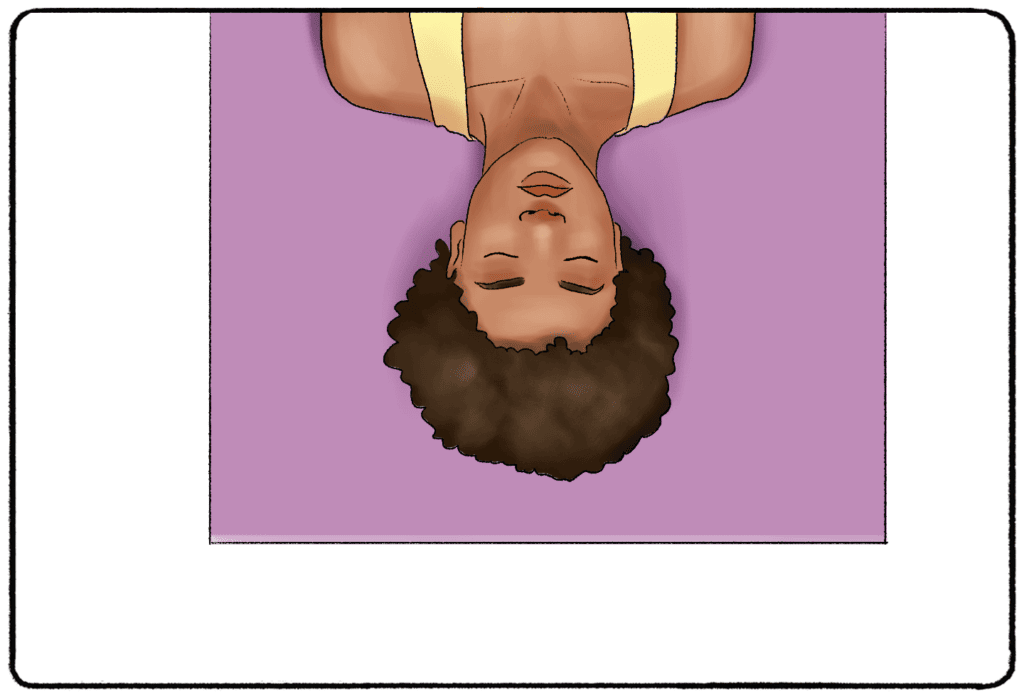
The experience that you have during the breathwork will depend on how you feel in the present moment and any experiences that your unconscious might be storing.
As the session starts to wind down, the breather will be encouraged to come back to a normal state ofconsciousness. After they open their eyes, they might be instructed to draw mandalas or reflect on their experience in another way. Then, the roles are reversed for the next session.
This is certainly not a practice that you would do every day. If you are interested in trying Holotropic Breathwork, you may want to look for retreats or other opportunities to engage in these sessions over the period of a weekend or week.
After Reddit user TraumaCanBeHealed performedholotropic breathwork, here is what they had to say:
“It seems like it enhances body awareness. I felt a lot of blockages in my body which I could resolve. I felt relaxed afterwards, like after a massage. I think the blockages were suppressed anger stored in the muscles. I also came to a point where I felt sadness and I was feeling like I had to puke it out. But I was too scared of that. I think I reached my sadness really deep in my core but I was too scared of getting overwhelmed and puking. I think you really need to be ready for that and have the stability for integration. I think this method pressures this too much. And I don’t really had any long lasting effects from it. So, I can’t recommend it to anyone. Maybe at the end of your healing journey. Freeze types should focus more on human relationships.”
Results from somestudieson Holotropic Breathwork suggest that it can reduce anxiety and increase self-awareness. However, other research suggests that there are risks tied to Holotropic Breathwork, including the increased risk of seizure of psychosis. Before signing up for a retreat with Holotropic Breathwork, do further research and be safe.

Related posts:The Psychology of Long Distance RelationshipsBeck’s Depression Inventory (BDI Test)Operant Conditioning (Examples + Research)Variable Interval Reinforcement Schedule (Examples)Concrete Operational Stage (3rd Cognitive Development)
Related posts:
Reference this article:Practical Psychology. (2020, May).Holotropic Breathwork – Definition + Purpose.Retrieved from https://practicalpie.com/holotropic-breathwork/.Practical Psychology. (2020, May). Holotropic Breathwork – Definition + Purpose. Retrieved from https://practicalpie.com/holotropic-breathwork/.Copy
Reference this article:
Practical Psychology. (2020, May).Holotropic Breathwork – Definition + Purpose.Retrieved from https://practicalpie.com/holotropic-breathwork/.Practical Psychology. (2020, May). Holotropic Breathwork – Definition + Purpose. Retrieved from https://practicalpie.com/holotropic-breathwork/.Copy
Copy
