Not all experiments in psychology involve humans; nevertheless, those utilizing animals often aim to shed light on human behavior. Harlow’s Monkey experiments had a significant impact on psychology, and despite being considered controversial, they remain influential to this day.
What Are Harlow’s Monkey Experiments?Psychology Before Harlow’s Monkey ExperimentsWhat Happened During Harlow’s Monkey Experiments?Attachment Theory and Harlow’s Monkey ExperimentsControversy and Other Studies on Attachment
What Are Harlow’s Monkey Experiments?
Psychology Before Harlow’s Monkey Experiments
What Happened During Harlow’s Monkey Experiments?
Attachment Theory and Harlow’s Monkey Experiments
Controversy and Other Studies on Attachment
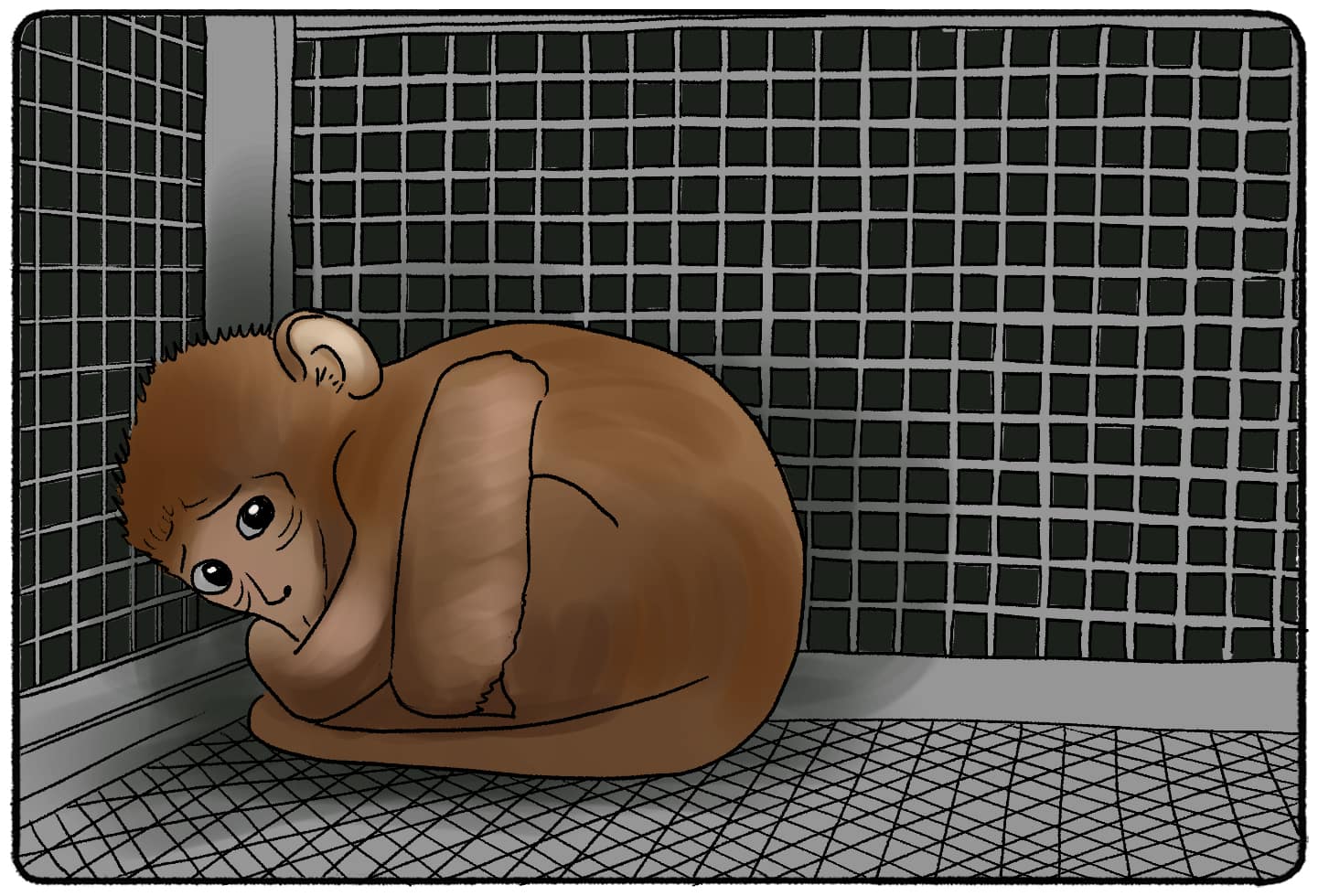
Harlow’s Monkey experiments looked at the influence of parental guidance and interaction during early development. Infant monkeys were placed in isolation, away from their mothers. In other experiments, he took infant monkeys away from their mothers but placed them in a cage with “surrogate” mothers.
In both sets of experiments, he found that the monkeys displayed a specific set of behaviors as a response to their unusual upbringing.
Harry Harlow, the man behind the monkey experiments, was a psychologist in the first half of the 20th century. At the time, some conflicting ideas were going around about parenting styles.
Earlybehavioristsdidn’t think parents should be so cuddly. Watson told parents that lots of physical affection would slow down their development.
For years, psychology students were taught that B.F. Skinner’s daughter was subject to the behaviorist’s experiments, and she went crazy after being isolated in a glass box for the first year of her life. Skinner said that she was raised just fine in isolation. (Skinner’s daughterrefutes some rumors in a Guardian article.)
As time went on, psychoanalysts likeFreudtheorized that a child’s development was stunted if the mother didn’t provide love and attention in the first year of the child’s life. If a child experienced trauma during this year, they would develop an oral fixation. After all, getting fed was the most important experience in the first year of a child’s life.
There were a lot of different ideas on how to raise a child. And it makes sense that most parents wanted to do the “right” thing.
So psychologists started to build experiments to test some of these theories. Harry Harlow was one of them. But rather than studying children, he studied rhesus monkeys. His experiments were very different from a lot of psychologists at the time. He wanted to focus on the impact of love and basic physiological needs.
The monkeys in isolation were separated from other monkeys for 3-12 months. During that time, some would display behaviors to possibly “self-soothe.” Others would self-mutilate. They would circle anxiously and appear to be distressed.
Harlow also studied what happened when these monkeys were placed back in the company of other monkeys. The results were slightly disturbing. They continued to self-mutilate. They couldn’t integrate themselves into society. These isolated monkeys were scared, aggressive, or dumbfounded. Some of the monkeys died after they stopped eating.
Harlow noted that the longer the monkeys stayed in isolation, the harder it was for them to integrate into society.
Monkeys With Wire or Cloth Mothers
To answer these questions, Harlow set up another experiment. He took the infant monkeys away from their mothers and placed them in a cage with two “surrogate” mothers. One of these surrogate mothers was made out of wire. The other was made out of cloth.
In some cages, the wire mother had food for the monkeys. The cloth mother did not. In other cases, the cloth mother had food for the monkeys. The wire mother did not.
Harlow observed that no matter which surrogate mother held the food, the infants would spend more time with the comforting cloth mother. If only the wire mother had food, the monkeys would only go to them when hungry. Otherwise, they would stay in the comfort of the cloth mother.
This doesn’t mean that the monkeys were fully developed socially. When these monkeys were placed back into cages with other monkeys, they didn’t integrate well. They were shy, didn’t stand up for themselves if bullied, and had trouble mating. The monkeys that did become mothers also had trouble raising their monkeys. Harlow believed these behaviors resulted from the events in their infancy.

Suppose you have ever read anything from relationship experts or counselors. In that case, you might hear this idea: our relationship with our parents influences the partners we pick and the way we go about relationships. Many psychologists have shared variations of this idea. Some of these variations are cringe-worthy, and some are quite helpful.
One variation of this idea isAttachment Theory. This theory describes four different types of attachments that we develop based on our relationship with our parents. We bring this attachment style (secure, anxious, etc.) into adult relationships.
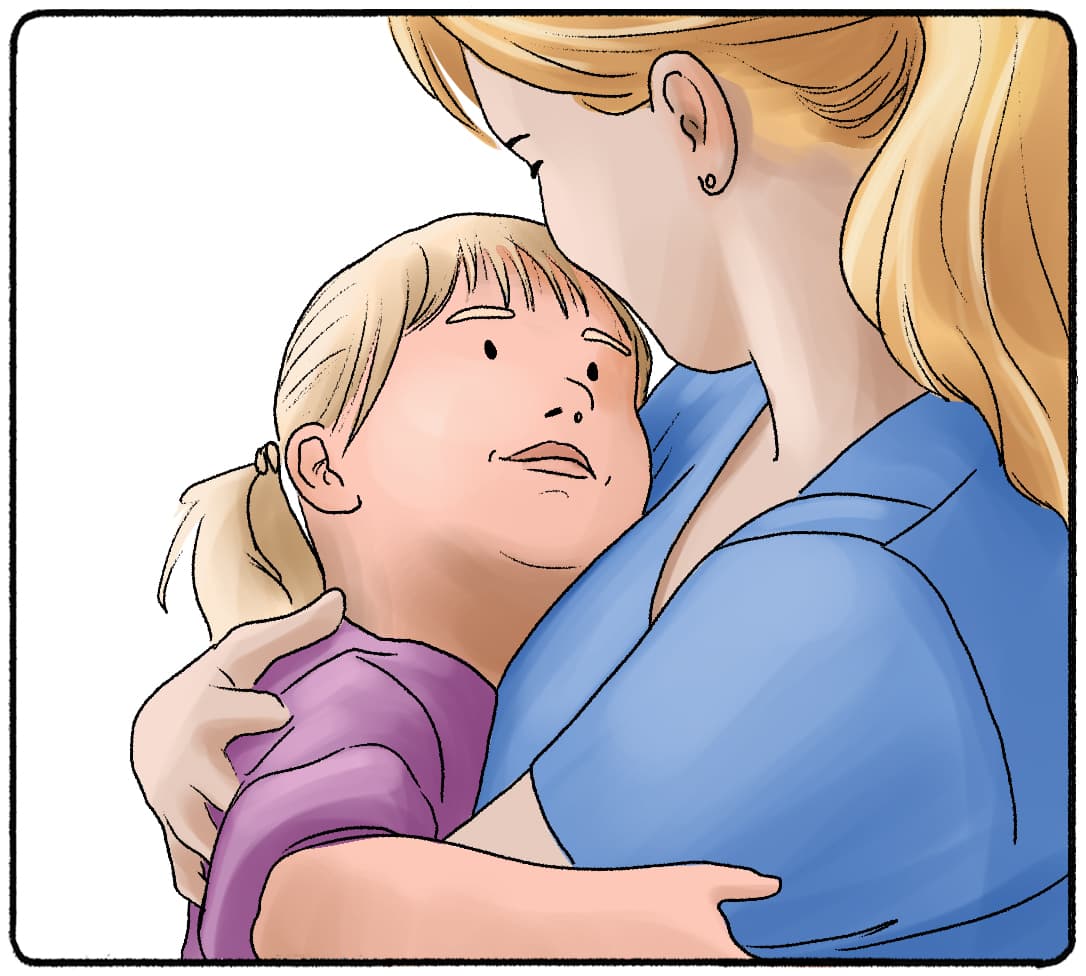
Despite the controversy surrounding his experiments, Harlow did positively impact the world of psychology and parenting. The risks he took for studying love and care, when those topics weren’t discussed in psychology, paid off. His work showed the importance of love and affection. Caregivers, parents, and guardians took note. If your parents or grandparents showed you love and affection as a child, you can thank the research of Harry Harlow and other psychologists who studied Attachment and development.
Related posts:
Reference this article:Practical Psychology. (2020, April).Harlow’s Monkey Experiment (Definition + Contribution to Psychology).Retrieved from https://practicalpie.com/harlow-monkey-experiment/.Practical Psychology. (2020, April). Harlow’s Monkey Experiment (Definition + Contribution to Psychology). Retrieved from https://practicalpie.com/harlow-monkey-experiment/.Copy
Reference this article:
Practical Psychology. (2020, April).Harlow’s Monkey Experiment (Definition + Contribution to Psychology).Retrieved from https://practicalpie.com/harlow-monkey-experiment/.Practical Psychology. (2020, April). Harlow’s Monkey Experiment (Definition + Contribution to Psychology). Retrieved from https://practicalpie.com/harlow-monkey-experiment/.Copy
Copy
