Who Is Genie?Severe Neglect and AbuseStudies on Language AcquisitionWhere Is Genie Now?Still Many Questions to Be Answered
Who Is Genie?
Severe Neglect and Abuse
Studies on Language Acquisition
Where Is Genie Now?
Still Many Questions to Be Answered
Genie was a child who was born healthy, but raised in an environment with severe neglect and abuse. Due to this, she was unable to learn how to speak and function in society. Genie is used as an example of feral child syndrome and has been studied in developmental psychology.

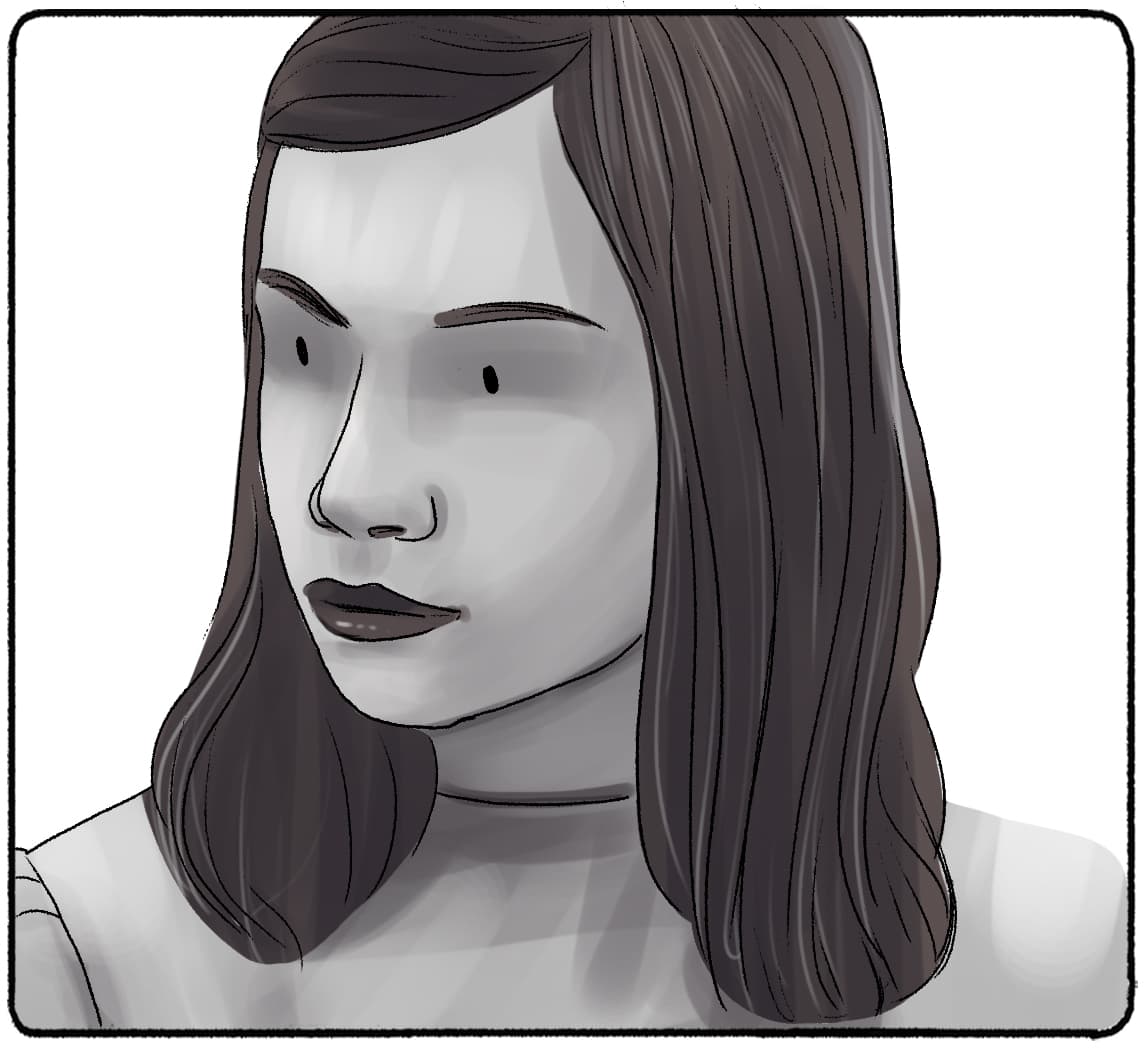
(Her childhood home is featured on thisReddit post.)
Clark ran his household like a cult, and was extremely paranoid. He continued to threaten his wife, and only allowed his son to leave the house to go to school. When his son came back to the house, he had to identify himself in various ways to be let in. Clark would sit in the living room with his shotgun on his lap, sometimes falling asleep in front of the front door with said shotgun.
When Genie’s brother was 18, he ran away from home. That year, Genie and her mother were allowed out of the house after a huge fight with Clark. Genie’s mother brought Genie into what she thought was a state office to apply for disabilities. Her near-blindness led her to the state social services office. Upon seeing Genie, who was severely malnourished and had a strange “bunny walk” (with her hands poised at her chest like a bunny,) employees thought that the girl was 6 or 7 - she was almost 14. Genie was taken into protective care and her parents were arrested.
Clark committed suicide before he could go to court and face his crimes. All charges against Genie’s mother were dropped after she cited that the abuse she suffered from Clark prevented her from being able to care for Genie. Her case made national headlines, and because she was a minor, her true name was never used in stories. Instead of Susan Wiley, the “Wild Child” became known as “Genie.”
One distinct feature of feral children is that they never develop a first language. Genie could only understand a handful of words when she first examined at the Children’s Hospital Los Angeles. Her ability to speak was limited further. Eerily, the two phrases linguists recorded her saying were “no more” and “stop it.”
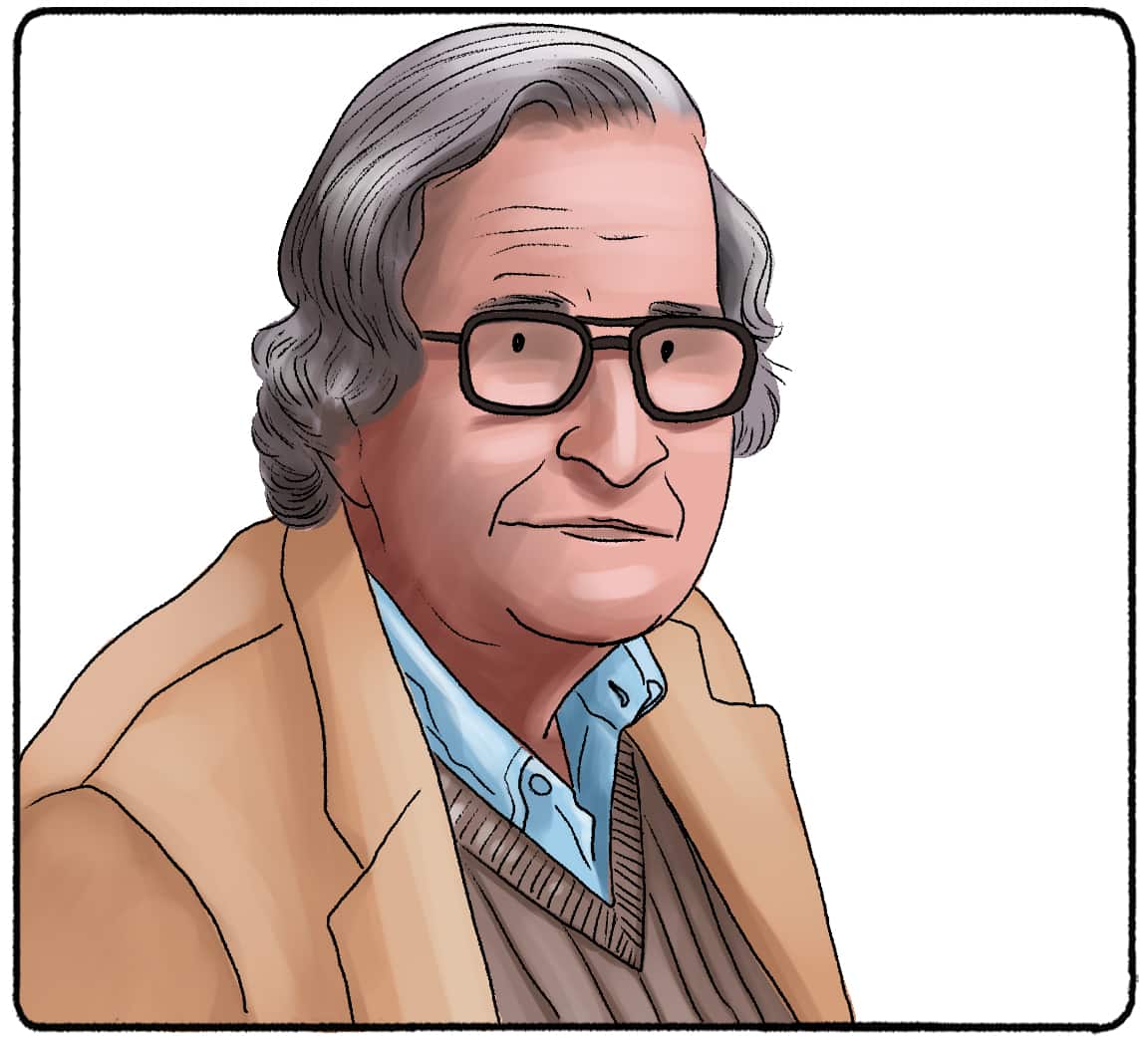
Genie became infamous not only because her case was one of the most horrific incidents of child abuse in modern history, but also because her situation was known to psychologists as a “forbidden experiment.” At the time that Genie was rescued from her parents,Noam Chomsky’s theory of innatenesswas popular in the linguistic psychology world. Chomsky believed that humans have an innate ability to acquire language. His theory of universal grammar appeared to support the idea that language is wired into our brains. Think nature, rather than nurture.
This is partially due to the custody battles and ethical questions that went on throughout Genie’s later teenage years. The first “foster home” that Genie had was the home of her special education teacher, Jean Butler. Butler butted heads with the scientists who were observing Genie throughout her teenage years. Some questioned Butler’s intentions, even recalling Butler saying that Genie could make Butler “the next Anne Sullivan.” (Anne Sullivan is known for being Helen Keller’s teacher. Their story has been told in countless movies.)
David Rigler, the chief psychologist at Children’s Hospital Los Angeles, took custody of her next. He observed her behavior and worked with her for many years. During this time, she was able to learn some sign language and communicate through drawings. But her foster care with David Rigler ended at the age of 18. Throughout her teens, Genie had been in contact with her mother. At 18, she moved back in with her mother. Genie’s father was dead, but living with her mother was not the happy ending that anyone would have hoped for. Within a year, Genie’s mother sued many of the researchers involved in Genie’s case. She claimed that the researchers had crossed boundaries, breached confidentiality agreements, and overworked Genie. The next year, her mother forbade any of the research team from interacting with or studying Genie. But she also relinquished care of Genie, leaving her to be bounced around from foster home to foster home. When the researchers did try to reach out or find Genie, they were often disappointed to hear that she was not making the progress that she had been making as a teenager.
Genie is only in her 60s now. She remains a ward of the state, and has not been in direct contact with the researchers that studied and took care of her after her rescue. Investigators who looked into her well-being reported back that she was happy, and although she didn’t use much verbal communication, she did take to sign language.
When Genie was rescued in the 1970s, researchers jumped at the opportunity to work with a “forbidden experiment.” Their passion for the research, and their eventual attachment and care for Genie, ultimately ended in unfinished work and estrangement from Genie. To this day, one researcher has repeatedly tried to make contact with her. Many researchers were drawn to Genie’s charisma, despite her being nonverbal and developmentally delayed due to severe childhood trauma.
What does Genie’s case say about innate language acquisition? It depends on who you ask. Some say that her case is evidence forinnate language acquisitions. Others argue that the case supports the critical-period hypothesis, which argues that we can “tap into” our innate ability to acquire language, but only during a specific period of development.
Nature vs. Nurture
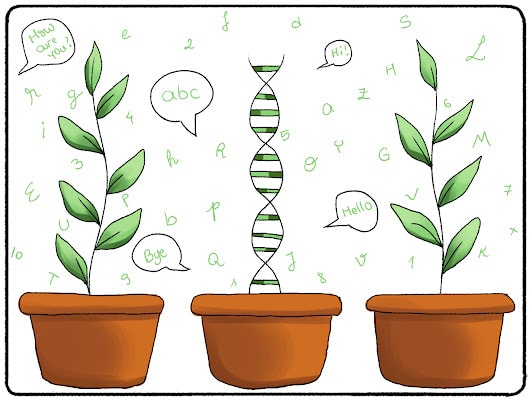
Genie is far from the only case of recent feral children, but is one of the most infamous. Her case also shows that issues of ethics and great debates in psychology are more blurry than they appear on paper.
Related posts:G. Stanley Hall Biography - Contributions To Psychology47+ Social Problem Examples (Issues In Society)Beth Thomas - Child Of RageTrust vs Mistrust (Psychosocial Stage 1 Examples)37+ Instructional Strategies (Examples + Quizzes)
Related posts:
Reference this article:Practical Psychology. (2020, November).Genie - The Feral Child.Retrieved from https://practicalpie.com/genie-the-feral-child/.Practical Psychology. (2020, November). Genie - The Feral Child. Retrieved from https://practicalpie.com/genie-the-feral-child/.Copy
Reference this article:
Practical Psychology. (2020, November).Genie - The Feral Child.Retrieved from https://practicalpie.com/genie-the-feral-child/.Practical Psychology. (2020, November). Genie - The Feral Child. Retrieved from https://practicalpie.com/genie-the-feral-child/.Copy
Copy
