“If you’re on this page, it’s probably because you’re researching a Generalized Other in psychology. Have no fear because we will cover everything you need to know about it!
What Is Mead’s Generalized Other?Who Are “Generalized Others?”When Was Mead’s Generalized Other Created?Development of Generalized OtherGeneralized Other and Sense of SelfExample of the Generalized OtherGeneralized Other vs. Superego vs. Impartial Spectator
What Is Mead’s Generalized Other?
Who Are “Generalized Others?”
When Was Mead’s Generalized Other Created?
Development of Generalized Other
Generalized Other and Sense of Self
Example of the Generalized Other
Generalized Other vs. Superego vs. Impartial Spectator
George Herbert Mead was a philosopher and sociologist who helped create the ideas of socialization, symbolic interactions, and “The Generalized Other.” The Generalized Other is an individual’s understanding of a society’s expectations. You may create a Generalized Other to understand how people who belong to certain groups may behave.

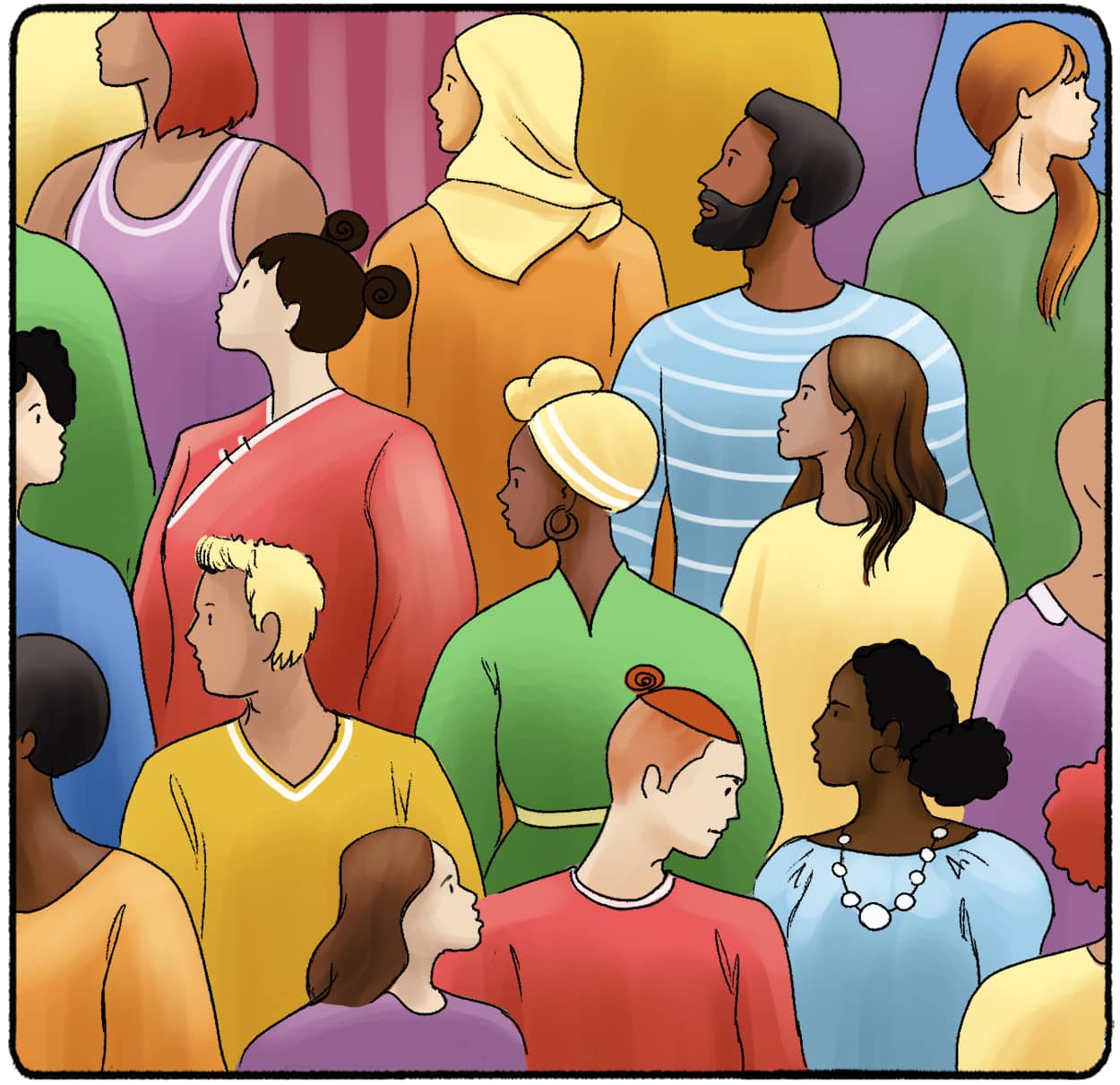
The Generalized Other may be applied to small or large societies. For example, your understanding of the “rules and expectations” laid out within your family is one example of a Generalized Other. Even if your family does not explicitly share these rules and expectations every time you interact, those rules will stick with you. When your mother’s voice tells you to take your hat off inside, or memories of your grandmother praying before a meal come back to you before dinner, you may be encouraged to act. This is the influence of the Generalized Other.
The rules and expectations within your family may be different than those within your neighborhood or people the same age as you. Maybe your friends at school don’t pray before meals. From these interactions, you grow to pray with your family but refrain when around friends or strangers who may not be as religious.
Even larger than families or neighborhoods are whole societies. Societies are formed through similar interests, locations, characteristics, or other properties thattie them together. An individual may take on the perspective of any amount of Generalized Others depending on what society they want to occupy and what situations they find themselves in. Americans may be viewed as a Generalized Other - if you were raised in an American household, you might feel inclined to take off your hat or put your hand over your heart during the playing of the National Anthem. This is all due to the influence of a Generalized Other.
Generalized Other and Symbolic Interactionism
While looking for the definition of both terms, you may be able to find answers through a (seemingly) unlikely source - Reddit!
u/jamesac1explained symbolic interactionism (as it relates to the Generalized Other) well!
“Now, to tie this into symbolic interactionism. Symbolic interactionism looks at how we construct meaning and interpret symbols at a personal level (i.e. our own constructions, not society’s). Through our continuous interaction with others, we construct an idea of what society expects of us. Society and the expectations it has for us constitute the generalized other.”
George Herbert Mead passed away in the 1930s, but his work about the Generalized Other was first published in1962. Although he was a notable professor of sociology and philosophy throughout his life, he never published any of his works. His ideas greatly influenced his students, who ultimately worked to publish his writings.
His work primarily focused on how the person forms the idea of the self. One way that we see ourselves is through the actions of others. The generalized other becomes a “reference” in which we make decisions, perform behaviors, and see ourselves in larger social communities.
This concept is crucial to our development. Children are not born with this concept, and the Generalized Other does not occupy much of a child’s mind. That’s why a child may find themselves breaking many rules at home, in the grocery store, at a church, etc. But as the child develops, the Generalized Other becomes more important.
Mead emphasizes the importance of play and games in childhood. Mead believed that these processes were crucial to forming a Generalized Other. At first, children simply imitate their parents or other adults. However, they can’t improvise or form responses based on the adult’s role. As they develop, they begin “role-taking.” With role-taking, the child has developed language and understanding to the point that they can “play” the adult and guess their responses to situations.
For example, a child may take on the role of a knight in shining armor, hoping to save a damsel in distress. As they play, they take on the role of the knight and understand the expectations placed on him. These expectations may include his strength, willingness to fight for a noble cause, or love for the damsel. Why? Because that’s what society believes a knight should be. Without this context taken from society’s expectations for a knight, it would be hard for the child to create a dialogue that fits the knight’s persona.
For this reason, “play” and “game” are crucial to development. Once children reached a point where they could form and understand a Generalized Other, Mead believed, they had reached the final stage in their development process.
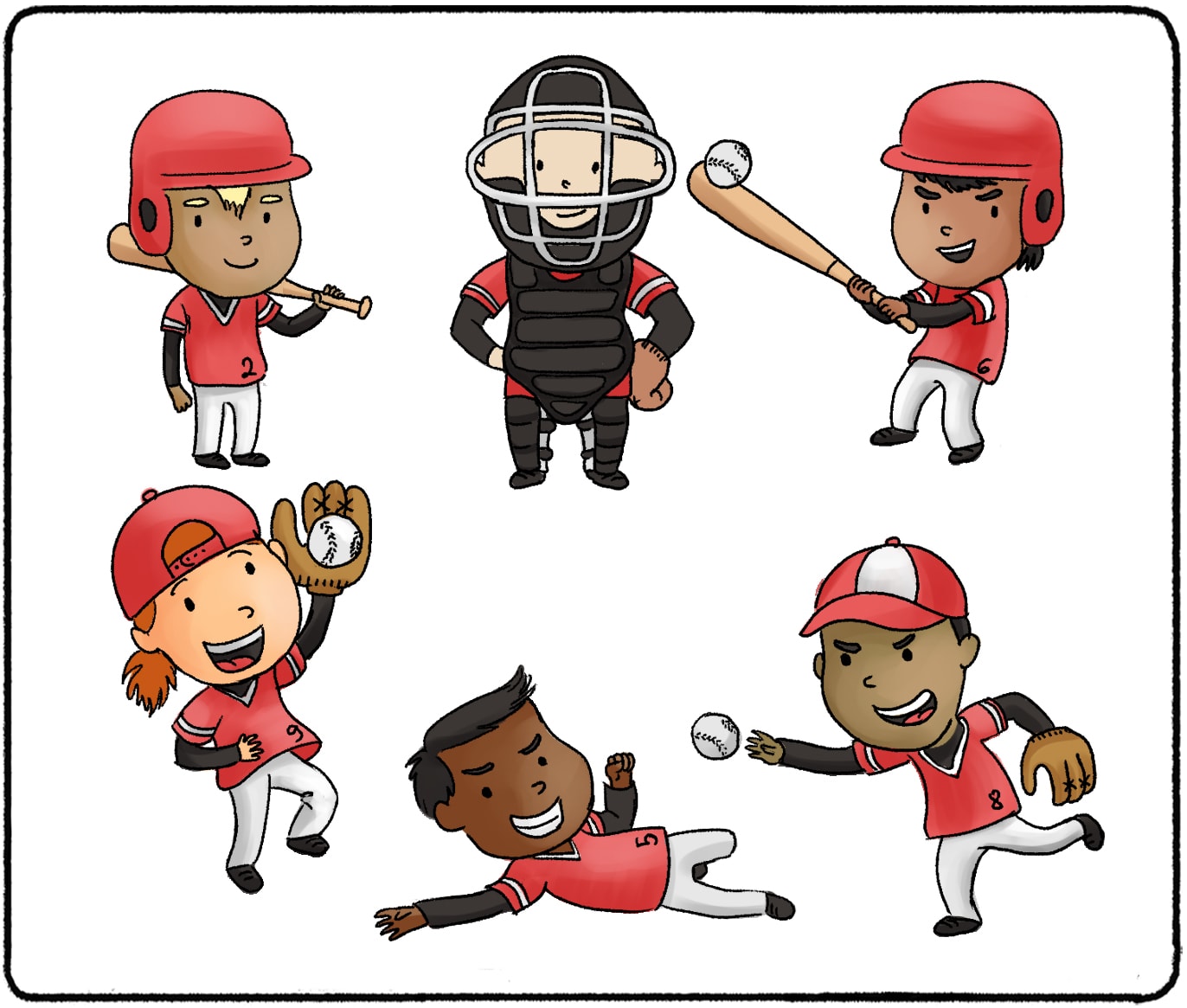
The Generalized Other also helps children develop a sense of self. Let’s say the “Generalized Other” is a baseball team. The baseball team has a common goal, values, and expectations for each member.
As a member of that baseball team, the individual begins to understand how they relate and how their values and goals compare to those of the baseball team. Not only do they see themselves as a baseball team member, but they can also begin to define who they are based on how the other members behave.
Let’s say, for example, you grow up in a rowdy, talkative, and boisterous family. As you observe their behaviors, you will likely see yourself in the same light, especially as you meet other families and see how yours differs.
So many people can act as a Generalized Other in your life:
Different people may influence your behavior differently, buteveryonecan affect how another person behaves.
Below are some examples of how the generalized other can influence your behavior:
Let’s say that you are invited to your best friend’s birthday party. All of your buddies are going to be there. You probably don’t think twice about how you will behave at the party, although you might have some expectations, right? You know if it’s cool to bring beer or if you can expect things to get rowdy.
Now let’s say you are invited to a party at a country club. The rules and expectations may differ greatly from those at your buddy’s birthday party. After all, your grandmother raised you to be polite among people in fancier settings. If you’re unfamiliar with the rules and etiquette at a country club, you might have to ask some questions. As you navigate this space, you draw from your knowledge of how to behave in this type of environment. Maybe you saw a movie about people at a country club. The actors in that movie become your “generalized other,” and you imitate how they behave.
Through interactions with others, an individual may create the “world” of the country club. This world influences how the individual behaves while interacting in that specific world.
Everyone undergoes a similar, although more subtle, process whenever we anticipate being in a space or interacting with a different community. The “rules” among your group of friends may vary from the “rules” that your parents’ group of friends have. The expectations you might have while walking down the street in New York may differ from those you might have while taking a stroll through a small town in Mississippi. Your language may change slightly, as well as your mannerisms or etiquette.
Last but not least, forming the Generalized Other is often compared to losing a child’s egocentrism. Child psychologistJean Piagetpopularized egocentrism. It is a stage in which children believe they are the same as everyone around them. As the child develops, they see that is not true. This affects a child’s language development and the formation of morals and values. Ultimately, egocentrism fades away as the child realizes others do not share their worldview.
No matter what this process is called or who wrote about it, one idea remains the same: how we view other people influences how we view ourselves.
Related posts:Social Institutions (Definition + 7 Examples)Nuclear Family (Definition + History)185+ Symbolic Interaction Examples (Definition + Trivia)53+ Deviance Examples in Sociology (Definition + Theories)Golden Child Syndrome (Definition + Examples)
Related posts:
Reference this article:Practical Psychology. (2020, April).Generalized Other (Psychology Definition + Example).Retrieved from https://practicalpie.com/generalized-other/.Practical Psychology. (2020, April). Generalized Other (Psychology Definition + Example). Retrieved from https://practicalpie.com/generalized-other/.Copy
Reference this article:
Practical Psychology. (2020, April).Generalized Other (Psychology Definition + Example).Retrieved from https://practicalpie.com/generalized-other/.Practical Psychology. (2020, April). Generalized Other (Psychology Definition + Example). Retrieved from https://practicalpie.com/generalized-other/.Copy
Copy
