Would you say that you think abstractly? Do you think about the “bigger picture?” I don’t mean thinking about your life 10 years in the future. I mean thinking about the purpose of existence and why humans have evolved as we have. We’re not tackling all of these questions today, but we will talk about how we came to ask them and how we answer them.
What Is the Formal Operational Stage?Age RangeEntering the Formal Operational StageExamplesWhat Characterizes the Formal Operational Stage?How to Support a Child in the Formal Operational StageFormal Operational Stage vs. Other Stages of DevelopmentPiaget’s Influence on Modern Educational Practices
What Is the Formal Operational Stage?
Age Range
Entering the Formal Operational Stage
Examples
What Characterizes the Formal Operational Stage?
How to Support a Child in the Formal Operational Stage
Formal Operational Stage vs. Other Stages of Development
Piaget’s Influence on Modern Educational Practices
Once children reach adolescence, they enter theFormal Operational Stage.This is the last stage in Piaget’s Theory of Cognitive Development. The Formal Operational Stage doesn’t end - there are ways that you can heighten your abstract problem-solving skills from age 12 to age 112!
The formal operational stage begins between around 11-12. Children are usually in grade school around this time. They can take on more responsibilities than they did in earlier stages of development, but they are still considered young children. Health organizations still categorize ages 11 and 12 as “middle childhood.”
Children ages 11 and 12 have just finished the concrete operational stage. This stage lasts from ages 6-11. By the time a child enters the formal operational stage, they should be able to:
Playing games and doing science experiments with children is much more fun at this age. They understand so much more!
During this stage, individuals develop the ability to think abstractly, reason logically, and solve problems in a systematic manner. Here are 14 examples of behaviors and thought processes that are characteristic of the formal operational stage:
Four specific skills are signs that a child is in the formal operational stage:
Deductive Reasoning
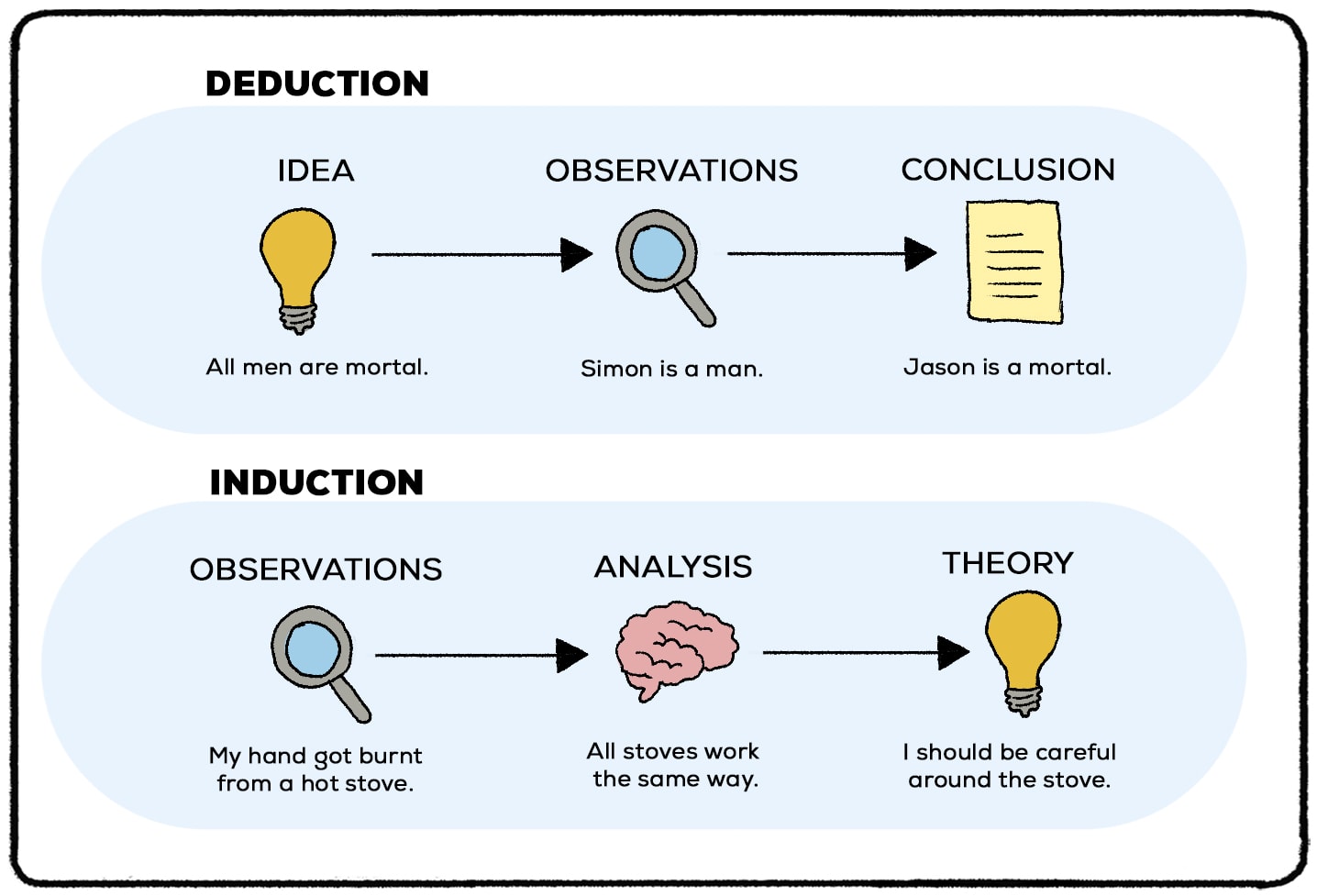
The child learns to apply logic to certain situations during theConcrete Operational Stage. But they are limited toinductivereasoning. In the Formal Operational Stage, they start to learn (and learn the limits of)deductivereasoning.
Inductive reasoning uses observations to make a conclusion. Say a student has six teachers throughout their life, all strict. They are likely to conclude that all teachers are strict. They may find that later in life, they will change their conclusion, but until they observe a teacher who is not strict, this is the conclusion they will come to.
Deductive reasoning works differently. It uses facts and lessons to create a conclusion. The child will be presented with two facts:
“All teachers are strict.”
“Mr. Johnson is a teacher.”
Using deductive reasoning, the child can conclude that Mr. Johnson is strict.
 deduction vs induction
Abstract Thought
Throughout the child’s development, they start to expand their world. In the sensorimotor stage, their world consists of only what is directly in front of them. If something is out of sight or earshot, it no longer exists.
As they develop object permanence, they understand that the world exists beyond what they can physically see, hear, or touch. In the concrete operational stage, children begin to apply the rules of logic to things and rules they know exist.
In this final stage, they begin to expand their worldview further. They begin to develop abstract thought. They can apply logic to situations that don’t follow the rules of the physical world.
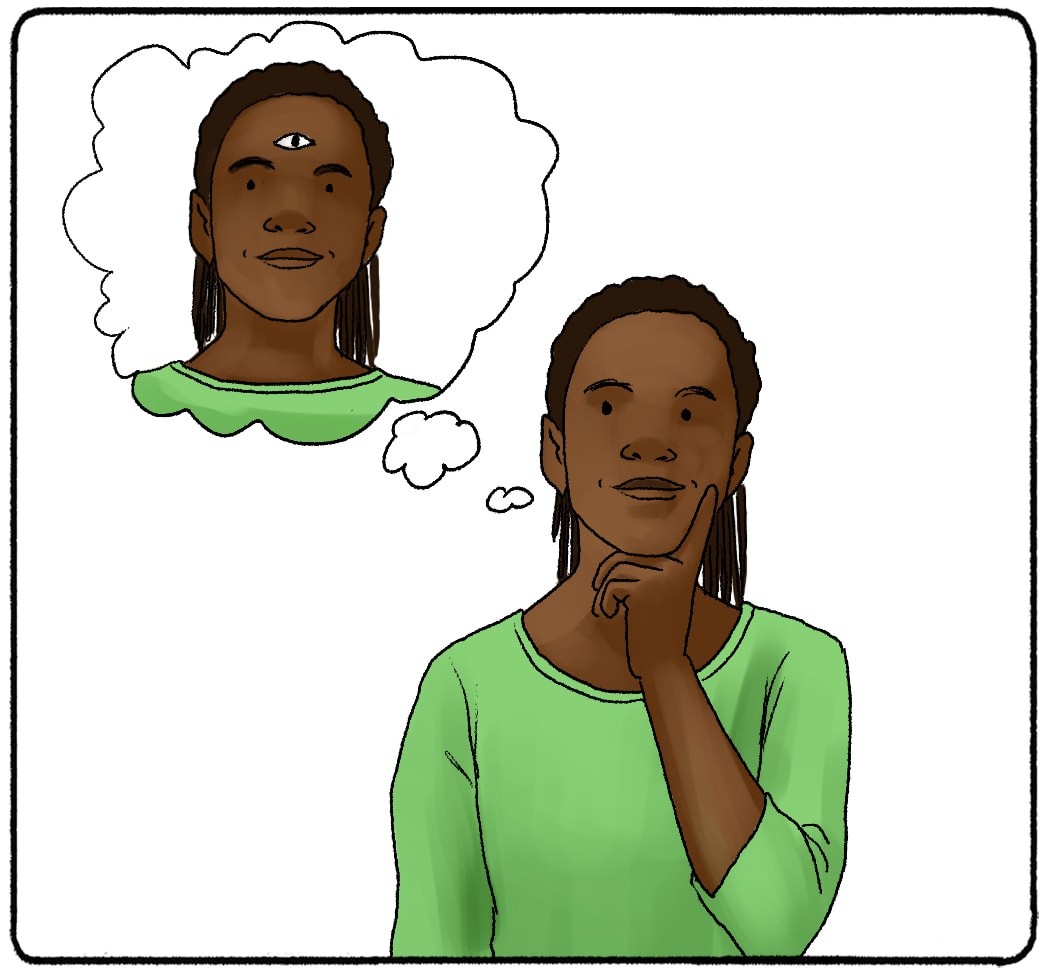
One of the ways that Piaget tested this skill was to ask the children questions. Here’s an example of a question that Piaget asked children:
“If you had a third eye, where would you put it?”
Children in the Concrete Operational Stage were limited to answering that they would put the eye on their forehead or face. They were typically only exposed to animals and humans with eyes on their faces. But children in the Formal Operational Stage were likelier to branch out and think of more useful and abstract answers. They considered putting the eye on their hand, back, or elsewhere where it would serve a greater purpose.
Problem-Solving
These skills make solving problems a whole lot easier. Children can only solve problems through trial and error in the Concrete Operational Stage and earlier stages. As they enter the Formal Operational Stage, they can look back at the problem, use past experience and reasoning to form a hypothesis, and test out what they believe will happen. This can save them a lot of time.
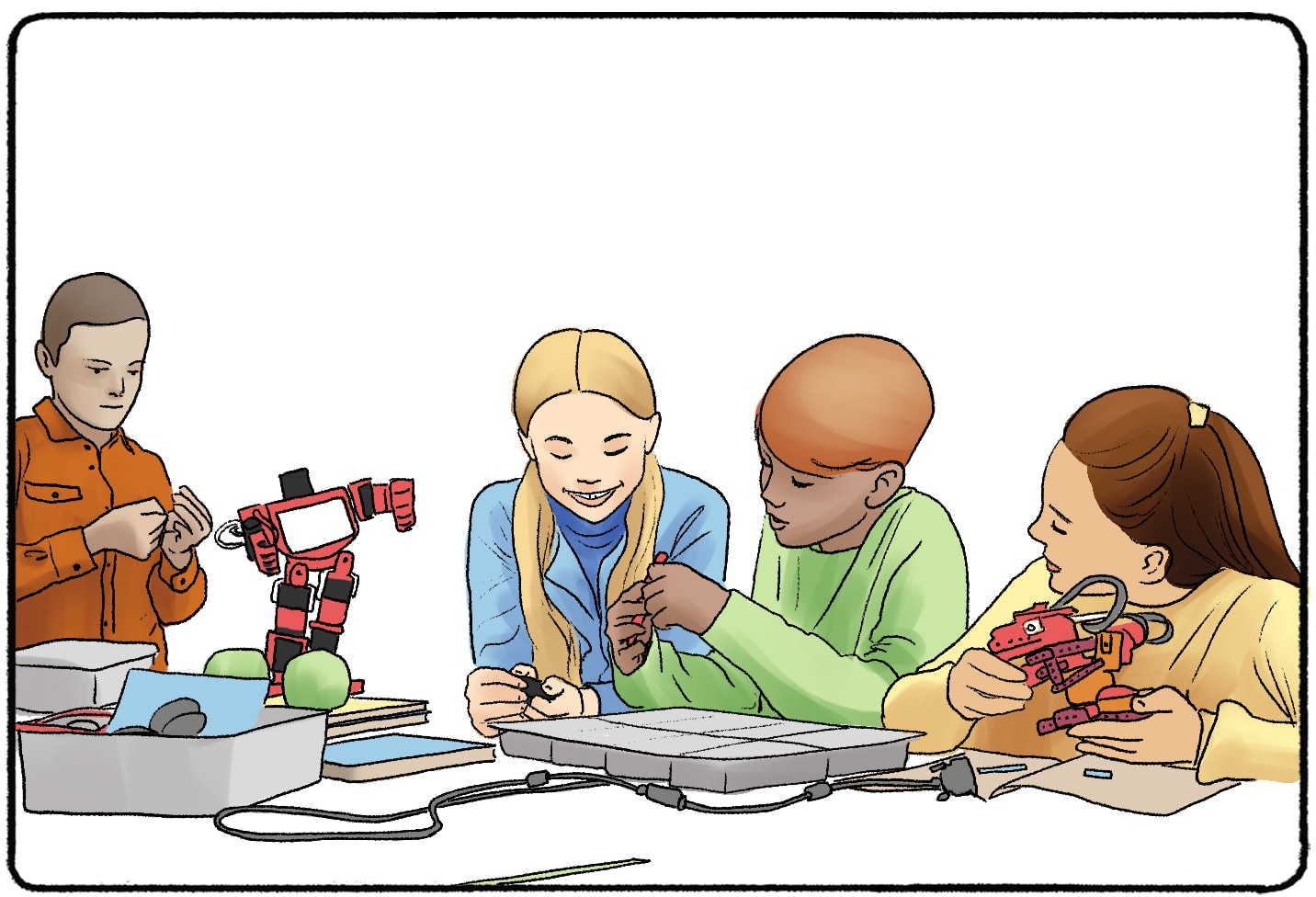
To determine when children had developed these skills, Piaget used another testing method. He gave them a scale with a set of weights and asked them to balance the scale with the weights. But simply putting the same amount of weight on each side wasn’t enough. The children had to determine that the distance between the weights and the scale’s center also impacted the balance.
Children under the age of 10 heavily struggled with the task because they could not understand the concept of balance (if they were in the Preoperational Stage) or could not grasp that the center of balance is also important. (These children were in the early stages of the Concrete Operational Stage.) At age 10, the childrencouldsolve the problem, but at a much slower pace due to their process of trial and error.
It wasn’t until age 11 or 12 that children could look at the problem from a distance and use logic to use both the distance and size of the weights to balance the scale.
MetaCognition
Not all of these thought processes are perfect the first time around. You know that I know that, and children in the Formal Operational Stage are just starting to discover that. By usingMetaCognition,they are more likely to assess their thinking and transform it into a more effective form of problem-solving.
MetaCognitionis simply “thinking about thinking.” It is the ability to run through your own thought process, figure out how you developed that process, and maybe unwind some things that aren’t logical or can be disproven. This can help you “rebuild” your thought process as if it were building blocks, creating a more solid structure for you to solve problems.
Piaget did not actually coin this term while developing his theory on the Formal Operational Stage. John Flavell, an American psychologist, actually proposed the theory on MetaCognition in the late 1970s.
We’ve seen throughout these videos that the Theory of Cognitive Development has continued to grow and change with additional input and studies. Our minds can also change their thought processes and begin to notice imperfections and flawed logic as they come up. But this often requires going back and asking yourselfhowyou built certain thought processes and where you could have made flawed conclusions.
Children in the formal operational stage (typically 12 years and older) begin thinking more abstractly and logically, engaging in hypothetical reasoning and considering multiple variables in problem-solving. To best support and nurture their cognitive development outside of school, consider these activity suggestions:
By actively engaging with children in these ways, parents and caregivers can provide invaluable support as they navigate the challenges and opportunities of the formal operational stage.
Jean Piaget is not the only psychologist to create stages of development. Other psychologists have offered their theories on how a child develops social skills and how their experiences during each stage impact their relationships and behavior. Some theories, like Erikson’s stages of psychosocial development, last for the span of the person’s life. Other theories, like Piaget’s, only cover childhood and early adolescence. When we compare Piaget’s theory to other theories, we see some overlap and other perspectives on what makes a child the person they grow up to be.
Erikson’s Stages of Psychosocial Development
At ages 11-12, a child exits the Industry vs. Inferiority stage and enters the Identity vs. Role Confusion stage. The child should be aware that they are responsible for their own decisions and how they affect others. They also start to see that they are different from other children. They will successfully exit these stages if they feel confident that they can advocate for themselves and live the way they want. Otherwise, they may develop insecurities. Erikson coined the term “identity crisis.” This crisis could take place in the identity vs. role confusion stage!
Freud’s Stages of Psychosexual Development
Which Theory is “Right?”
Thanks for checking out these pages on the Theory of Cognitive Development! I hope these will allow you to look at your own thinking and build a stronger foundation for solving problems and understanding the world around you - no matter how old you are!
Jean Piaget’s groundbreaking theories on cognitive development have left an indelible mark on the realm of education. Even today, educators worldwide employ strategies rooted in Piaget’s insights. Here’s how Piaget’s theories continue to shape contemporary educational practices:
While educational practices have evolved and integrated various theories, Piaget’s influence is unmistakably prevalent. His focus on the child as an active learner, the stages of cognitive development, and the significance of hands-on, relevant learning continues to shape how education is delivered in the 21st century.
Related posts:Concrete Operational Stage (3rd Cognitive Development)Piaget’s Theory of Moral Development (4 Stages + Examples)Jean Piaget’s Theory of Cognitive DevelopmentHavighurst’s Developmental Task TheoryThe Psychology of Long Distance Relationships
Related posts:
Reference this article:Practical Psychology. (2019, September).Formal Operational Stage - Piaget’s 4th Stage (Examples).Retrieved from https://practicalpie.com/formal-operational-stage/.Practical Psychology. (2019, September). Formal Operational Stage - Piaget’s 4th Stage (Examples). Retrieved from https://practicalpie.com/formal-operational-stage/.Copy
Reference this article:
Practical Psychology. (2019, September).Formal Operational Stage - Piaget’s 4th Stage (Examples).Retrieved from https://practicalpie.com/formal-operational-stage/.Practical Psychology. (2019, September). Formal Operational Stage - Piaget’s 4th Stage (Examples). Retrieved from https://practicalpie.com/formal-operational-stage/.Copy
Copy
