Interested in how to change your behavior? You can use fixed interval reinforcement! I’m going to explain what fixed interval reinforcement is, how it can be used to increase the likelihood of specific behaviors, and when it works best. If you are trying to learn a new habit, or just want your child to do their chores, understanding this and other reinforcement schedules can help you reach your goals.
What is Fixed Interval Reinforcement?Examples of Fixed Interval ReinforcementDoes Fixed Interval Reinforcement Work?
What is Fixed Interval Reinforcement?
Examples of Fixed Interval Reinforcement
Does Fixed Interval Reinforcement Work?
Fixed interval reinforcement is a specific type of partial reinforcement schedule. In this method, a response is rewarded only if it has been performed within a predetermined interval of time. A distinguishing characteristic of fixed interval reinforcement is that only the first response after the interval is rewarded. This contrasts with other reinforcement schedules, like fixed ratio, where reinforcement might be given after a set number of responses, irrespective of the time taken.
The subject can initiate the behavior as often as they wish within the interval, but they will only receive reinforcement for the first occurrence of that behavior. In simpler terms, it doesn’t matter how many times the behavior is repeated within the set interval; only the first instance is rewarded.
 chore chart
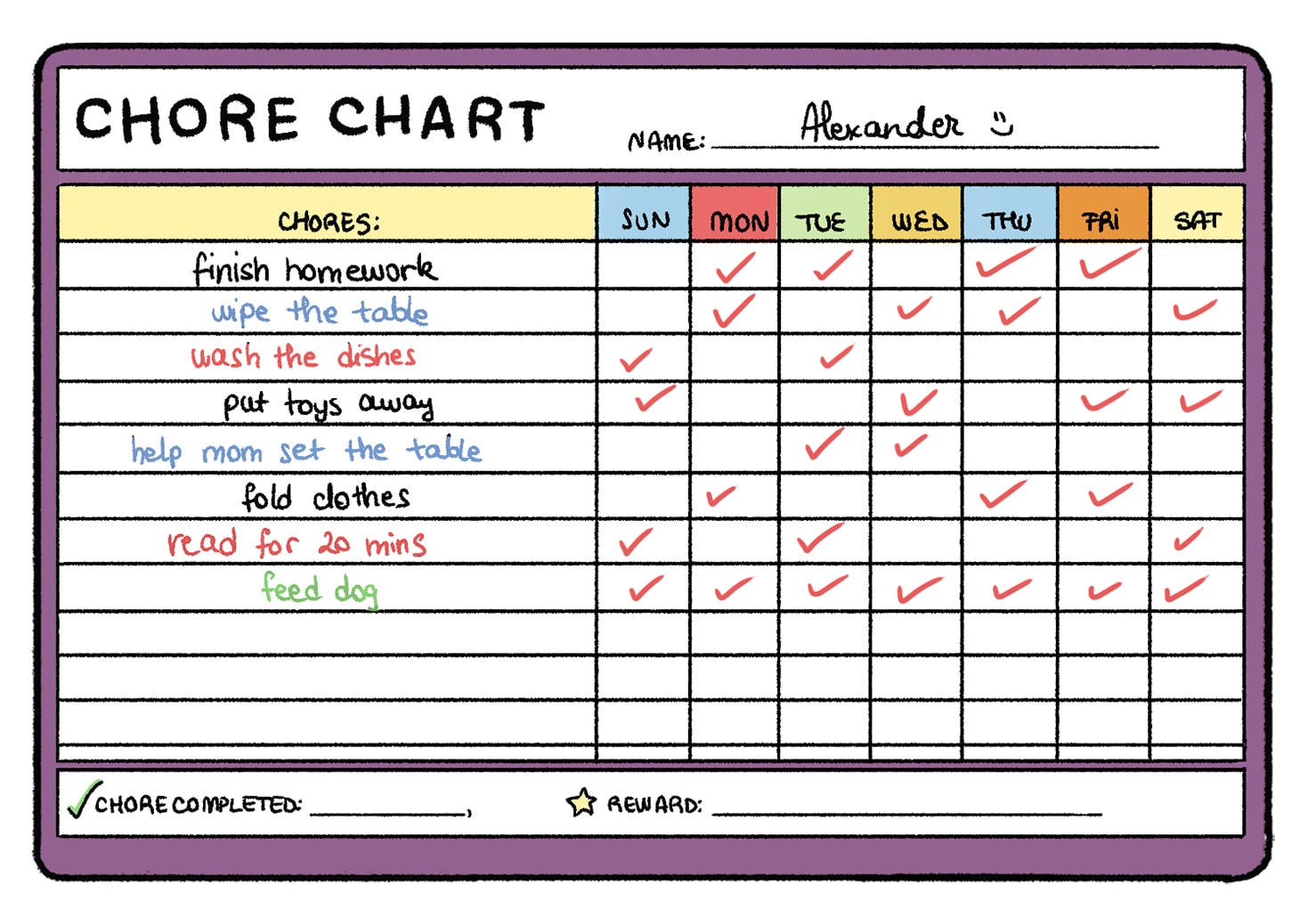
These tactics might seem basic, but even young children can grasp them. These methods help children make informed decisions about daily routines and responsibilities. Though straightforward, these strategies are rooted in operant conditioning principles. Specifically, they are real-world examples of fixed-interval reinforcement, shaping the child’s behavior over time.
What Is Fixed Interval Reinforcement in Psychology?
Before diving into certain examples, I want to clarify what “reinforcement” means in the world of psychology. Reinforcements aren’t just rewards - they are any type of stimulus that is added or removed to increase the likelihood of a behavior. Giving a child dessert to encourage them to make their bed is considered “reinforcement” - so is removing certain chore requirements if the child gets an A on their test. There are many ways to approach reinforcement or operant conditioning as a whole.
Other Reinforcement Schedules
I mentioned that fixed interval reinforcement is a partial reinforcement schedule - this means that the response isn’t reinforced every time it is performed. If you wanted to give out a reinforcement every time your child made their bed, you would put them on a continuous reinforcement schedule. Of course, this can be tiresome, so partial reinforcement schedules like fixed interval reinforcement make more sense.
But this is not the only option. Behaviorists have also identified:
For now, let’s focus on fixed-interval reinforcement.
As I mentioned earlier, both of the examples that I mentioned at the start of this video are examples of fixed-interval reinforcement schedules. Even if the child made their bed 10 times in the morning, they would only receive one candy bar. Here are a few other examples of fixed-interval reinforcement:
- Set Payday
Every 15th and 30th (or 31st) of the month is a special day for many employees: it’s payday! Salaried employees get a set paycheck every two weeks for showing up to work. In some jobs, this is the perfect example of a fixed-interval reinforcement schedule. Whether they showed up to work for eight hours, five days a week, or took their work home with them, they will get the same paycheck (this is assuming there is no overtime pay.) Whether they slacked off or were diligently focusing on their work, in some jobs, they will get the same paycheck every two weeks. They just need to put in those 40 hours of work and they are good to go.
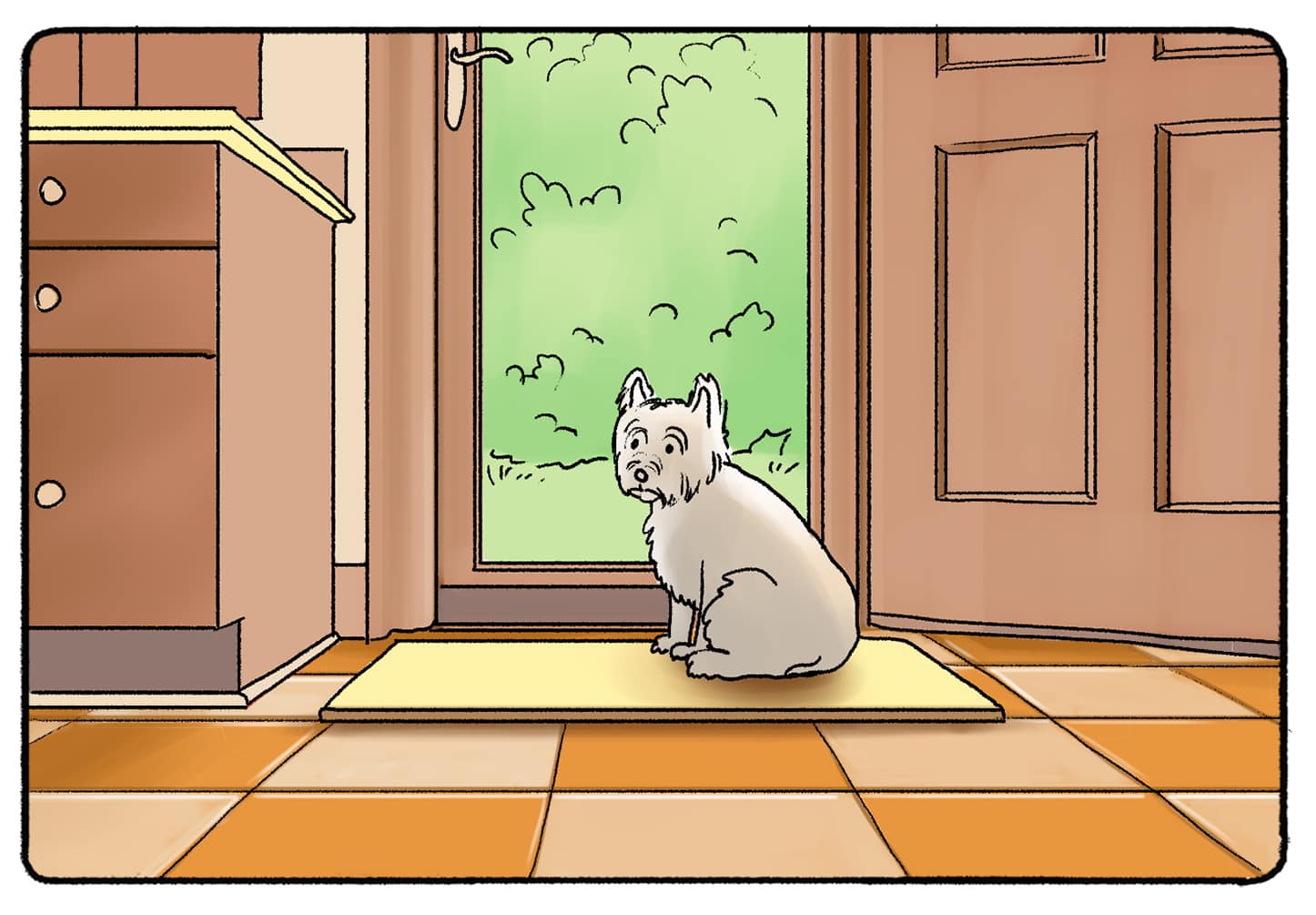
- Training a pet
Your dog could be sitting at the door all day long, but they will only get their treat at 5.
- Gaming
Multiple video games use fixed interval reinforcement (and other reinforcement schedules) to encourage you to keep playing. Check out these Reddit posts onr/League_of_Legendsandr/DestinyTheGameexplaining how these schedules are used!
How to Train Yourself Using Fixed Interval Reinforcement
Did you know that you can also use these techniques on yourself? Reinforcement is not a way to trick or manipulate someone or something into performing a behavior. You can be totally conscious of the rewards you are distributing and still find that your behavior changes. A fixed interval reinforcement schedule may be a great way for you to form a habit if you:
If you want to add new behaviors to your routine or just perform it more often, try this.
Examples of behaviors or habits that you can train yourself to perform using fixed interval reinforcement include:
On the other hand, you can give yourself a reward if youdon’tperform a behavior. Restraint is still a conscious process! Try this reinforcement schedule to refrain from:
What interval will you fix for yourself? Once a day? Once a week? Depending on the importance of the behavior, and how long it takes you to perform it, don’t space the intervals out too much. A once-a-day interval is good for daily habits like watering the plants or reading a chapter of a book. Weekly habits could include reaching out to friends or writing in a journal. If you’re paying bills orfertilizingthe plants, stick to once a month.
(Tip: Do you know about Parkinson’s Law? Basically, it suggests that we complete tasks in whatever deadline we give ourselves. If you give yourself one day to clean your room, your room will be clean after a day. If you give yourself one hour to clean your room, your room will be clean after an hour. Consider this when setting your alarm. Want to make your bed as soon as you get up? Don’t give yourself the whole day to reward yourself for doing so. Set your alarm for 15 minutes after you get up. If you haven’t made your bed in that time frame, no reward.)
If you do find that you want to perform your behavior more often, reduce the intervals from one month to one week, one week to one day, etc.
Rewards will vary just as much as behaviors do. Screen time, a sweet treat, or a sheet mask are great rewards! Dog treats are great rewards for dogs, but not for humans. Make sure that the reward is indulgent enough to encourage you to perform the behavior, but not destructive to undo the work that your behavior is trying to accomplish. (Want to refrain from smoking? Rewarding yourself with a cigarette won’t help.)
A habit and a routine, while often used interchangeably, are not the same. A habit is a behavior that we perform automatically, often without thinking, such as biting our nails or checking our phone first thing in the morning. On the other hand, a routine is a set of actions that we do regularly and deliberately, like brushing our teeth before bed or going for a morning run. Given this distinction, transforming a newly adopted behavior into a habit won’t happen instantly. It requires turning it into a routine first, and with time and repetition, this routine may become a habit.
If you find that you aren’t performing the desired behavior consistently, switch up your strategy. Consider rewarding yourself through fixed ratio or variable interval reinforcement. Monitor when you’re achieving your rewards and when you fall short. Does one reinforcement schedule work better for you? Is another less effective? Remember, this is your journey and your plan, so don’t be afraid to experiment and find what suits you best!
Although the fixed-interval reinforcement schedule can encourage a pet, child, or grown adult to perform a behavior, that behavior is most likely to be performed closest to the time that the reinforcement is distributed. Your dog may bark and run around all day, but when they know it’s time to get their treat at the door, they will calm down and wait for you. Similarly, a child may spend their whole morning messing up the house and neglecting their chores, but if they know you will be around at 7 a.m. to check their room for a made bed, they will make their bed around 6:55.
If you are training yourself, you might find that you have more or less success. Pets don’t always catch on to the “fixed” interval. Children can, and adults definitely will. Will a conscious knowledge of the interval reduce procrastination? It depends on your temperament and how much effort it takes to complete the behavior. Try it out and see!
What Is the Best Reinforcement Schedule?
Wrapping Up
Fixed interval reinforcement is a powerful tool in behavioral psychology. Through this partial reinforcement schedule, behavior is rewarded when performed within a set time frame, but only the first occurrence gets reinforced. Such an approach can be seen in everyday scenarios, like parents incentivizing chores or employers offering regular paychecks. While it might seem straightforward, effectively employing fixed interval reinforcement requires understanding its nuances and being patient. Remember, transitioning from a routine to an automatic habit takes time. But with persistence, self-awareness, and the right reinforcement strategy, desired behaviors can be cultivated and solidified. Whether training a pet, guiding a child, or instilling a personal habit, the principles of reinforcement remain pivotal in shaping behaviors.
Related posts:Variable Interval Reinforcement Schedule (Examples)Fixed Ratio Reinforcement Schedule (Examples)Schedules of Reinforcement (Examples)Operant Conditioning (Examples + Research)Positive Reinforcement (Definition + Examples)
Related posts:
Reference this article:Practical Psychology. (2021, May).Fixed Interval Reinforcement Schedule (Examples).Retrieved from https://practicalpie.com/fixed-interval-reinforcement/.Practical Psychology. (2021, May). Fixed Interval Reinforcement Schedule (Examples). Retrieved from https://practicalpie.com/fixed-interval-reinforcement/.Copy
Reference this article:
Practical Psychology. (2021, May).Fixed Interval Reinforcement Schedule (Examples).Retrieved from https://practicalpie.com/fixed-interval-reinforcement/.Practical Psychology. (2021, May). Fixed Interval Reinforcement Schedule (Examples). Retrieved from https://practicalpie.com/fixed-interval-reinforcement/.Copy
Copy
