How does a person end up experiencing homelessness? Is it because they ran into some tough situations…or because they’re lazy? Why does a person resort to crime? Is it because they feel that they have no other choice but to support their family…or because they’re a violent person? Why do certain people join cults? Is it because they happened to search for answers and run into manipulative people…or are they just stupid?
To understand why people might attribute some actions to a person’s situation and another to a person’s character, we have to look at different types of attribution. This video will look specifically at dispositional attribution, what it is, and how common biases can cloud our judgment when we are thinking about others’ behavior.
What Is Dispositional Attribution?What Is the Difference Between Dispositional Attribution and Situational Attribution?Fundamental Attribution ErrorWe Look to Confirm Our Attributions
What Is Dispositional Attribution?
What Is the Difference Between Dispositional Attribution and Situational Attribution?
Fundamental Attribution Error
We Look to Confirm Our Attributions
Dispositional attribution takes place when a person attributes someone’s behavior to their disposition or personality. This is also known as internal attribution, as it is rooted in what is going on internally. Situational attribution, or attributing behavior to external factors, is the opposite of dispositional attribution.
Psychologists study and identify the causes behind a person’s behavior, but they also study how people identify the causes behind a person’s behavior. This process, known as attribution, helps people make sense of and meaning of the world around them.

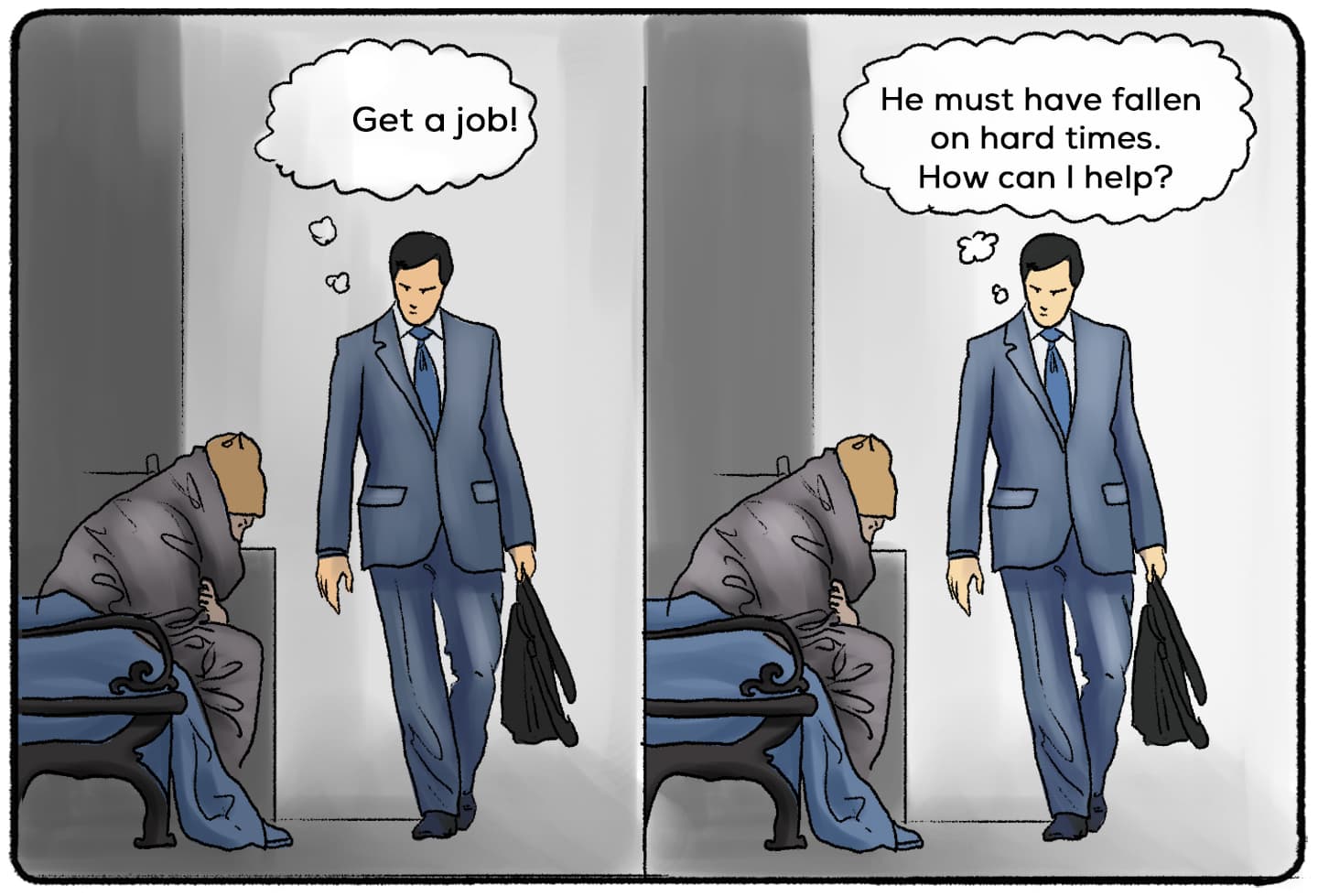
Examples of Dispositional Attribution
Let’s take a look at the examples I mentioned above. Using dispositional attribution, a person may look at someone asking for money on the street and tell themselves that the person is just lazy. They might look at a criminal as an inherently violent person or someone who is prone to breaking rules. They might look at a person who joined a cult and say that they are stupid or easy to manipulate.
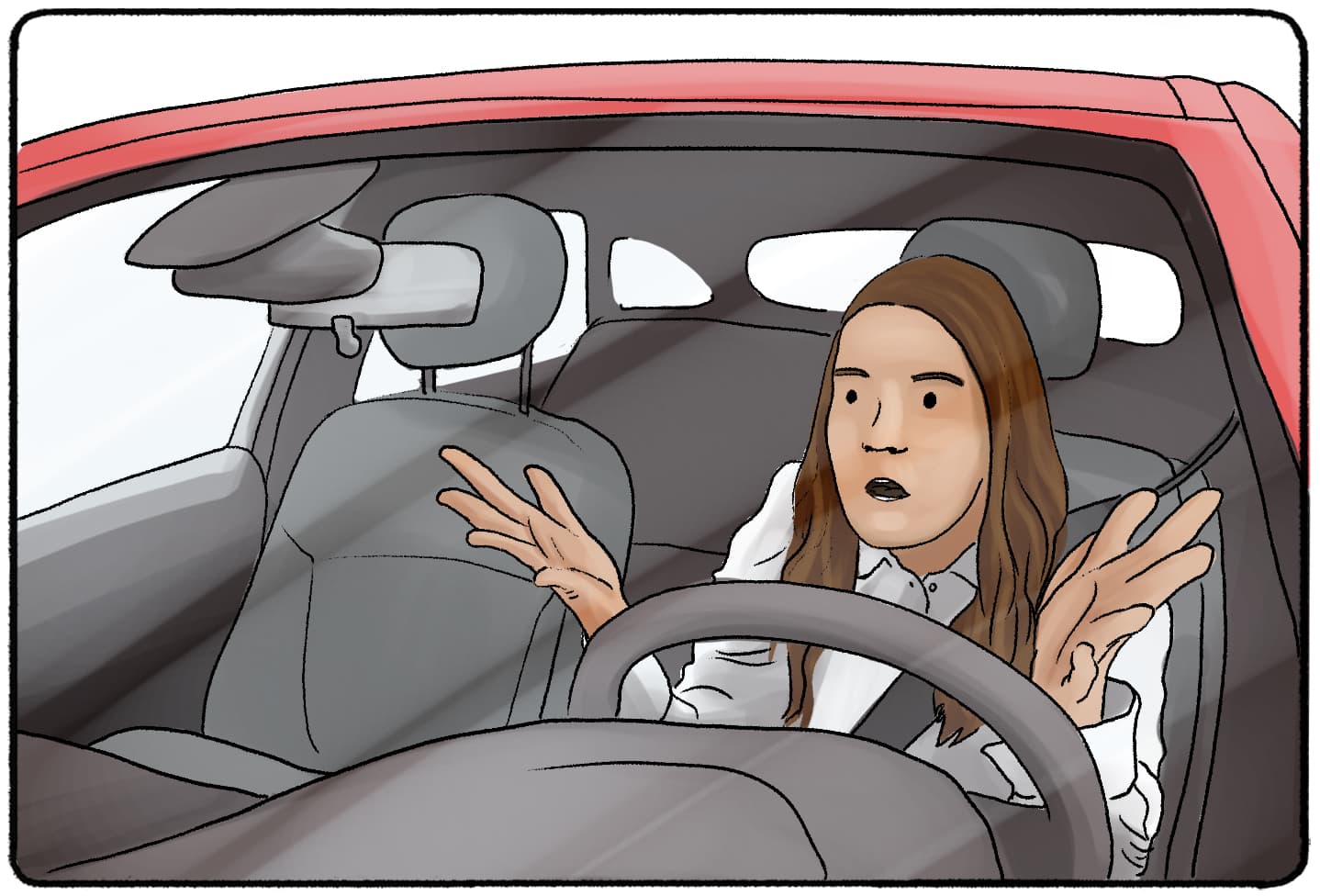
Here are other examples of dispositional attribution - and not all of them are so harsh:
Of course, all of these attributions could reflect the truth - or they couldn’t be further from the truth. That millionaire might just be donating to charity to get out of paying taxes, or your colleague could have earned the promotion because their father plays golf with your boss. What happens when we attribute behaviors and actions to outside sources?
We call thatsituational attribution! This takes place when we attribute behavior to external circumstances. The person didn’t miss the bus because they are habitually tardy - maybe they ran into construction or their kids were crying for their attention all morning. A medical student may have felt like they had no choice in the matter - they felt pressure from their parents to go to med school. The person who dealt drugs may have felt like they had no choice in the matter - even though they are not inherently criminal, they knew that their illegal activities could support their family’s medical bills faster than a minimum-wage job.
For every set of personality traits that could be identified as the cause of someone’s behavior, there are plenty more external factors that may also come into play. But we all know that our minds don’t always consider all the complexities of society when we pass judgment or make assumptions about a person. Psychologists know this, too.
In the 1960s, psychologists Edward E. Jones and Victor Harris introduced us to the idea of a “fundamental attribution error” that all humans make. They believed that people are more likely to attribute someone else’s behavior to that person’s character. Dispositional attribution, in other words, is our attribution of choice.
Psychologists have developed this idea further through multiple experiments and studies on attribution theory. They’ve fine-tuned the idea of a fundamental attribution error, stating that when we perform a behavior, we are more likely to attribute that behavior to our external circumstances. When a behavior is done to us or we are simply the witness of behavior, then we attribute the behavior to the actor’s character. Of course, this doesn’t happen every time - the colleague who got the promotion may attribute that promotion to their own hard work or their manager’s good sense of judgment. You may mindfully try to consider all causes of a person’s behavior before making a judgment. But in general, when we have to think fast and attribute behavior to something, we err on the side of disposition.
The Reason Behind Dispositional Attribution
Why do we make these judgments, even if we know we don’t know the whole story? On one hand, this makes things simple. It’s more simple to assume that all people who are homeless are lazy, rather than untangle a web of barriers, possibilities, and systemic issues that may have contributed to the person’s temporary situation. It’s more simple to assume the smiling person on the bus is generally happy than to think of the thousands of things that could make that person happy or smile at the moment. Our minds like simple things.
Culture may also play into this error. Many studies on fundamental attribution errors have been conducted in Western societies, where individualist ideals tend to trump collectivist ideas. If we believe that each individual should be responsible for their own actions, we are certainly going to attribute someone’s actions to their individual character!
How Dispositional Attribution Leads to Outgroup Bias and Prejudice
Research shows that ingroups commit “ultimate attribution error” when they attribute outgroup behavior seen as “negative” to dispositional causes. On the other hand, they attribute positive ingroup behavior to situational causes, like luck, a fluke, or an exception to the rule.
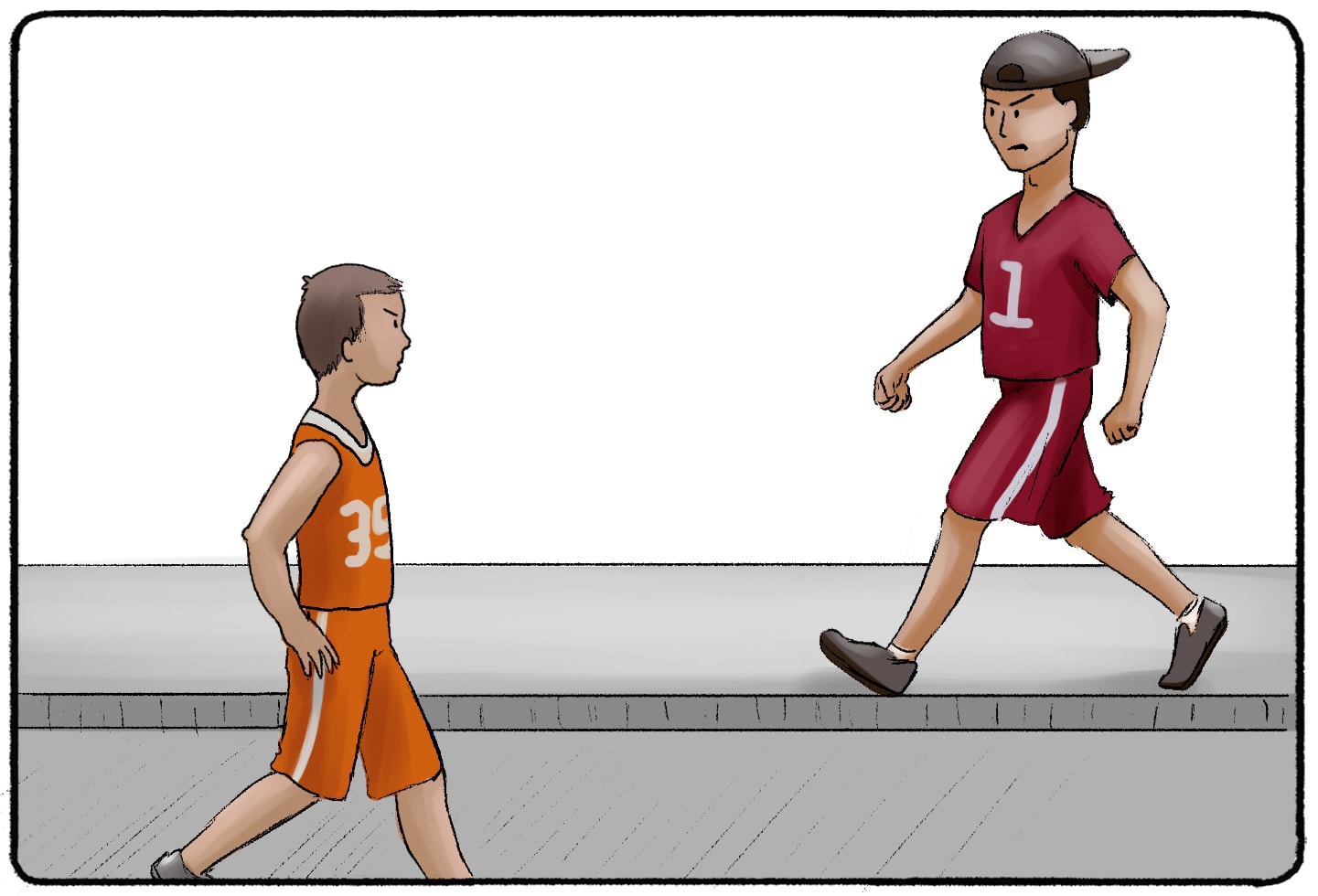
Not only do we attribute one-off behaviors to a person’s (or group’s) disposition, but we look to affirm those beliefs and avoid cognitive dissonance. Our minds do not like to hold conflicting opinions at the same time. If we see someone behaving well and believe that they have a positive personality, but then see them behaving poorly, our minds will have to make a choice. Are they a good person who made a mistake, or a bad person who happened to make a good choice or two along the way? Depending on how strong our beliefs were before we saw conflicting behavior and where this person fits into society relative to us, we are likely to make one of two choices.
This continues to strengthen any negative opinions we might have about an outgroup’s poor disposition. If we are not careful, we may subconsciously use news stories, stories from friends and family, and other sources to strengthen that belief.
How to Be Mindful Of Attribution
Being mindful of the behaviors you attribute to internal and external factors can make you a more empathetic and open-minded person. This isn’t an easy process, as our brains want to make things easy for us. These quick tips can help you take a step back and consider dispositional vs. situational attribution.
When you find yourself attributing someone’s behavior to their character, take a step back. Step into their shoes. What external factors could have brought them to this moment? How can you see someone’s behavior in a different light? What have they been through? What barriers have they faced? We all have different life experiences that influence our perspective and inform our judgment. We all see the world differently. Factors as simple as a bad day or chronic pain or a recent breakup can sharply influence our behavior. Could this be the case with the person you’re thinking about?
When we make judgments based on old biases, we limit ourselves from learning something new. Be curious. If you don’t understand why someone behaved a certain way, talk to them! Ask them what led them to that behavior. You may find that their intentions were good. Their character is solid, but they might be misinformed on how to display that character properly. In your questioning, you may uncover external factors that influenced their behavior.
Patterns make it easy for our minds to make quick judgments. The more mindful you are of your judgments, the easier it will be to see patterns in making judgments. When do you excuse certain behaviors as flukes or luck, and when do you use certain behaviors to strengthen your opinion about other people?
These are big questions to ask, but the answers may give you a different perspective on how you see the world and how others view it, too. You may find that people are more deserving of kindness than you might have thought. As the old saying goes, “Be kind, for everyone you meet is fighting a hard battle.”
Related posts:Situational Attribution (Definition + Examples)Attribution TheoryMisattribution of Arousal (Definition + Examples)Fundamental Attribution Error (Definition + Examples)Kelley’s Covariation Model (Definition + Examples)
Related posts:
Reference this article:Practical Psychology. (2021, May).Dispositional Attribution (Definition + Examples).Retrieved from https://practicalpie.com/dispositional-attribution-definition-examples/.Practical Psychology. (2021, May). Dispositional Attribution (Definition + Examples). Retrieved from https://practicalpie.com/dispositional-attribution-definition-examples/.Copy
Reference this article:
Practical Psychology. (2021, May).Dispositional Attribution (Definition + Examples).Retrieved from https://practicalpie.com/dispositional-attribution-definition-examples/.Practical Psychology. (2021, May). Dispositional Attribution (Definition + Examples). Retrieved from https://practicalpie.com/dispositional-attribution-definition-examples/.Copy
Copy
