At the center of many theories in social psychology is the nature/nurture debate. Do we develop a certain personality and make certain choices because it’s in our nature? Or do our experiences alone shape who we become and how we look at the world? I want to look at one particular model that considers both factors. It’s called the Diathesis Stress Model (the Stress-Vulnerability Model.) This takes genetics and personal experiences into account when assessing a person’s likelihood of developing mental disorders.

What Is the Diathesis-Stress Model?History of the Diathesis Stress ModelThe Diathesis-Stress Model Cup AnalogyProtective FactorsWhat Does This Mean?How to Reduce Stress and Protect Your Mental Health
What Is the Diathesis-Stress Model?
History of the Diathesis Stress Model
The Diathesis-Stress Model Cup Analogy
Protective Factors
What Does This Mean?
How to Reduce Stress and Protect Your Mental Health
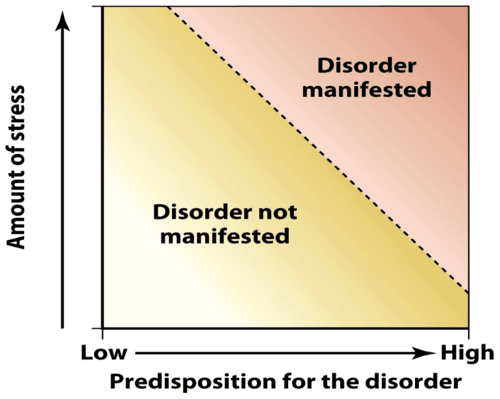
The diathesis-stress model is a theory about how stress and genetics play into the manifestation of different mental disorders and conditions. High stress and high predisposition significantly increase your risk of developing said disorders. But even high stress and low predisposition can increase your risk.
Mental disorders are not always easy to identify. It’s not easy to pinpoint a moment when a person becomes depressed. And the causes attributed to mental illnesses have caused some pretty dramatic treatments over time.
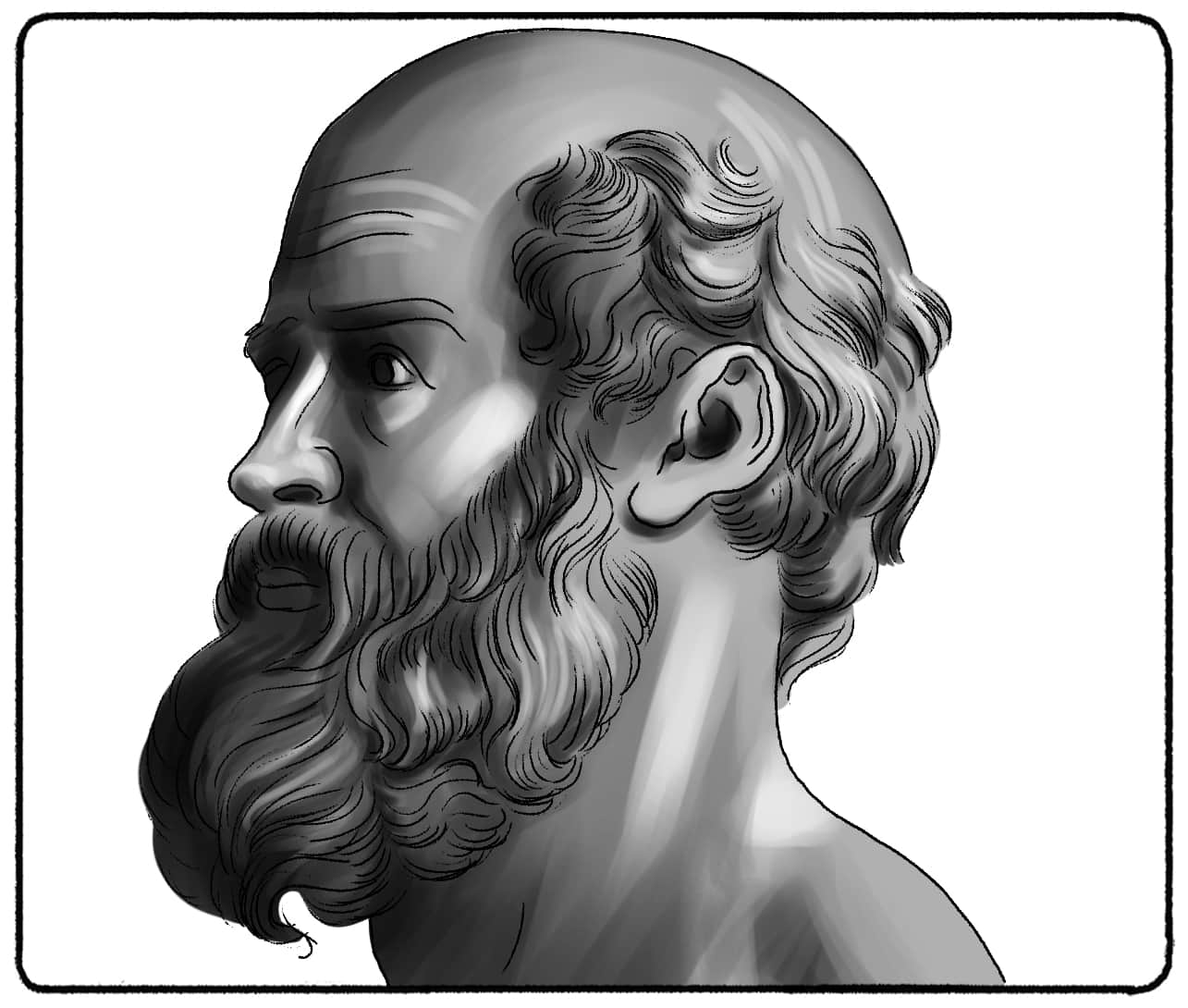
In Ancient Rome, for example, Hippocrates connected depression to an excess of “black bile” in the kidney or spleen. A physician named Asclepiades argued against these terms, saying that emotions of grief or hurt caused depression. Asclepiades was pretty close, but his theories soon were thrown out. For centuries after the Ancient Romans, mental disorderswere connected to interactions with the devil.Some patients with mental disorders were burned at the stake.
Fast-forward to 1977. At this point, psychologists and doctors believed that more natural factors played into the development of mental disorders. Could it be genes? Could it be emotions? Maybe trauma from childhood, as Freud theorized? What if a combination could explain a disorder like schizophrenia?
How Does the Diathesis-Stress Model Explain Schizophrenia?
Joseph Zubin, a Lithuanian-American psychologist who specialized in the study of schizophrenia, believed that relapses could be predicted using a model. On one axis was diathesis, or vulnerability. On the other axis was stress. The combination of low vulnerability and stress could keep a person from relapsing or showing symptoms.
Zubin’s model, the Diathesis-Stress model, has since been adapted and applied to a range of mental disorders and conditions, including addiction anddepression. Let’s go over what these factors mean and how they can help anyone to keep themselves in check.
Diathesis
The first part of this model is diathesis. Regarding the diathesis-stress model, “diathesis” is often used interchangeably with “vulnerability.” If someone is more vulnerable to a mental disorder, it might not take a lot of stress for symptoms to start appearing.
Think of this like a cup. In this analogy, diathesis is the marbles in the cup. Stress is water. A cup that is ¼ full of marbles will need quite a bit of water before it starts to spill over. If the cup is ¾ full of marbles, it won’t take that much water. This is how diathesis and stress work.
So what causes diathesis? A few factors may come into play here:
Not all of these things are “natural” because they are genetic. But these factors tend to stay very present in a person’s life. If a person could move from a low-income household into a more affluent situation, they may be less vulnerable to certain conditions. Moving these “marbles” out of a person’s cup takes a lot. It might be impossible.
Stress
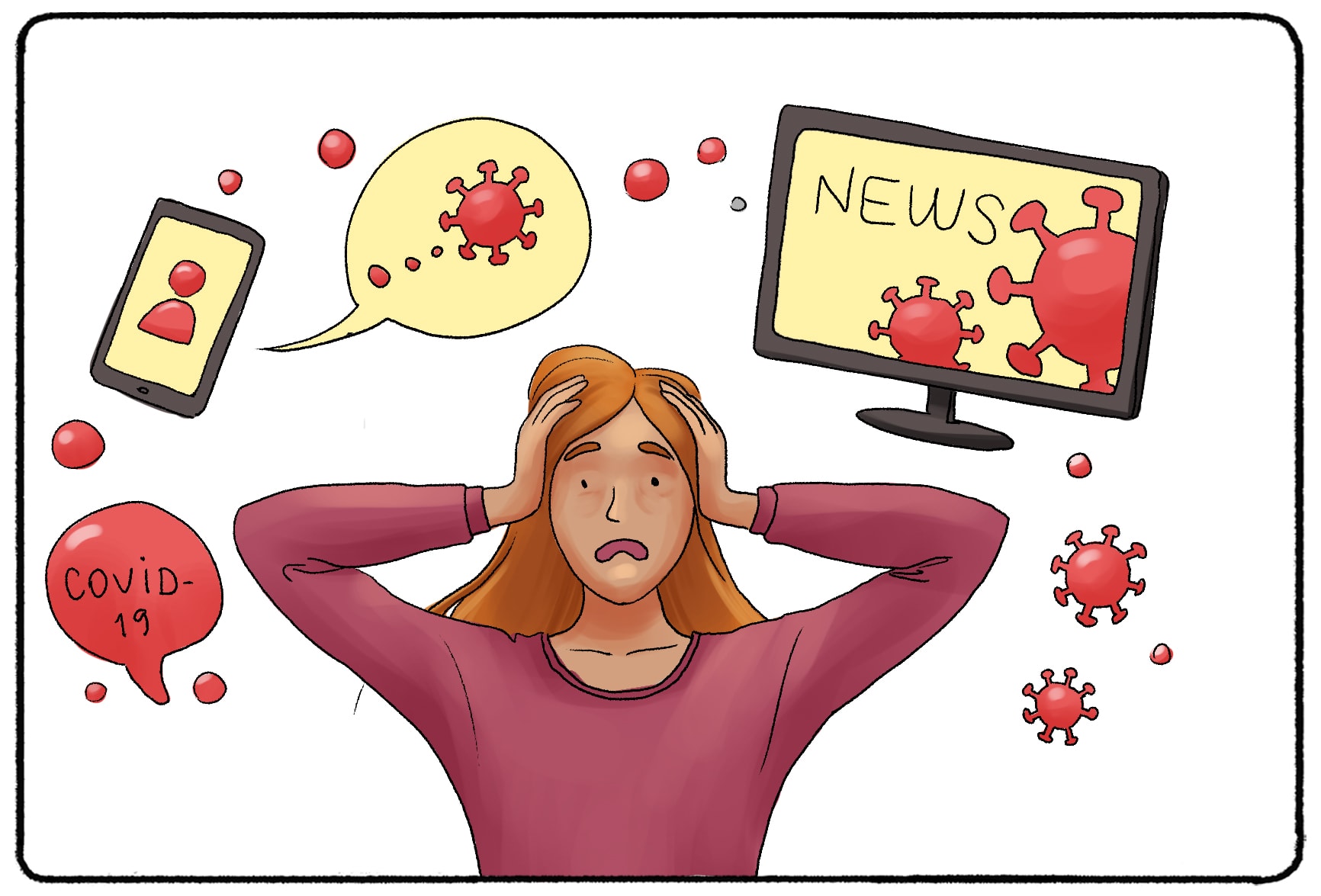
Now let’s talk about stress or the “water” in the analogy I used earlier. When stress is piled onto a person’s life, they are more likely to be “triggered” and display symptoms of a mental disorder. Stressors may be things that are generally considered stressful:
Chronic illnesses or ongoing stressors may not be a one-time event but may continue to “fill your cup.” Stressors don’t have to be traumatic or life-altering, either. The stress of graduating high school, studying for exams, or buying a home may also “fill your cup.”
At some point, too much stress can fill anyone’s cup. You do not have to be predisposed to a specific mental disorder to develop one. You do not have to have a family of addicts to become addicted to alcohol or drugs.
It’s important to note that diathesis can cause stress or vice versa. Growing up with the knowledge that a parent has bipolar disorder can be very stressful. That early stress may remain in the body, making a person more vulnerable. Without addressing the issue or seeking treatment, this process can continue to cause more and more stress and vulnerability.
But what about someone who is predisposed to a specific mental disorder, has a lot of stress, but still manages to go about life without showing any major symptoms?
These people are probably shielded from certain “protective factors.”
In the past 20 years, the diathesis-stress model has been adapted to include these protective factors. You may hear this version of the “stress-vulnerability-protective factors model.” Stressors and diathesis are still present in this model.
Protective factors make stressors easier to handle. These factors may include:
Example of the Diathesis-Stress Model
An addict, for example, may be predisposed to an addiction and face stress in their marriage and career. With the help of an AA or NA group, they may be able to face those stressors and overcome them without relapsing.
The Diathesis-Stress Model can be used to assess anyone’s risk. But if you take away one lesson about this model, it’s that stress is dangerous. Stress can be hard to avoid, like during a global pandemic or a tragedy out of your control. But if you notice that more stress is coming into your life, assessing what protective factors are present is especially important. Do you have positive relationships that can help you through a stressful time? Do your diet and daily routine contribute to stress or protect you from it? The more protective factors in your life, the more confident you can be in your health and minimize risks.
Stress can feel inevitable. In some ways, it is. Everyone goes through tough times or worries about the future. But you do not have to let that stress control your life. Take action to reduce your stress and create a healthier environment for you and the people around you.
Where Does Stress Come From?
The feeling of being stressed - sweaty palms, a tight chest, etc. - is often the result of hormones entering your bloodstream. When the brain encounters something stressful, it tells the body to release cortisol, adrenaline, and other “stress” hormones. Hormones are chemical messengers. Hormones like cortisol or adrenaline send a specific message throughout the body: we are in danger.
Your brain doesn’t have to be in danger to release these hormones. You might be in front of a grizzly bear or think about your crush rejecting you. The response from the brain is the same. Knowing this, you can manage stress in one of two ways: prevent situations from feeling as dire as being in front of a grizzly bear or calm your body down when the hormones start to flow through the bloodstream.
Preventing Stress
Diet and exercise significantly influence the production and release of stress hormones. Consider this: 95% of serotonin, a key neurotransmitter, is produced in the gut. Serotonin plays a crucial role in regulating mood, anxiety, and happiness. It also impacts other functions like sleep, appetite, and digestion.This fact underscores how closely our physical and mental health are connected. By taking care of your body through proper nutrition and physical activity, you also support your mental well-being, creating a beneficial cycle where treating your body rightfully positively affects your mind and vice versa.
Diet and exercise significantly influence the production and release of stress hormones. Consider this: 95% of serotonin, a key neurotransmitter, is produced in the gut. Serotonin plays a crucial role in regulating mood, anxiety, and happiness. It also impacts other functions like sleep, appetite, and digestion.
This fact underscores how closely our physical and mental health are connected. By taking care of your body through proper nutrition and physical activity, you also support your mental well-being, creating a beneficial cycle where treating your body rightfully positively affects your mind and vice versa.
Getting eight hours of sleep won’t just help you grow big and strong. Sleep is part of the body’s circadian rhythm. This 24-hour cycle helps the body wake up and fall asleep through the release of - you guessed it - hormones. The body releases cortisol in the morning as you get up. Improper sleep schedules mess with the body’s intended cortisol production. This can lead to a myriad ofhealth issues, including increased appetite and high blood pressure. Getting proper sleep is one of the best things you can do for your physical and mental health.
Stress often comes from feelingoverwhelmed. There are only 24 hours in a day. (And hopefully, you are spending around eight hours sleeping.) It is okay to say “no” to responsibilities, obligations, projects, or even vacations that feel like “too much.” The easiest way to handle a stressful schedule is to lighten it!
Handling Stress
Take some time to write down how you are feeling. Journaling allows you to process your emotions using different parts of your brain. You might gain a new perspective on your situation and what solutions you can implement as you write. You do not have to spend a lot of time journaling each day. Sit down for five minutes, write about your day, and see where your words take you.
Belonging is listed as one of Maslow’s Hierarchy of Needs. Humans feel the desire to be part of a group that supports them. Humans also want to support other humans! Contact friends if you feel stressed, overwhelmed, or out of control. Reach out to your family. Reach out to a support group of people going through similar things. Meetups for people going through grief, who have family members who are struggling with addiction, or who are addicts themselves can help you. Don’t let your stress turn into something more severe. Get help and take care of yourself.
Related posts:Hypophyseal Portal SystemSleep Stages (Light, Deep, REM)The 10 Personality Disorders (Clusters A, B, C)Hypothalamic Pituitary Adrenal Axis (HPA)What Endocrine Functions take place in the Brain?
Related posts:
Reference this article:Practical Psychology. (2020, April).Diathesis-Stress Model (Definition + Examples).Retrieved from https://practicalpie.com/diathesis-stress-model/.Practical Psychology. (2020, April). Diathesis-Stress Model (Definition + Examples). Retrieved from https://practicalpie.com/diathesis-stress-model/.Copy
Reference this article:
Practical Psychology. (2020, April).Diathesis-Stress Model (Definition + Examples).Retrieved from https://practicalpie.com/diathesis-stress-model/.Practical Psychology. (2020, April). Diathesis-Stress Model (Definition + Examples). Retrieved from https://practicalpie.com/diathesis-stress-model/.Copy
Copy
