Find an Online Psychology Program for You
Featured Online Psychology & Counseling Programs
If you find yourself daydreaming about becoming a licensed therapist specializing in children and childhood issues, it is important to keep an open mind regarding the dynamics of the field. Practicing an attitude of “teachability” which surpasses the norm will enable you to acquire and assimilate valuable knowledge and wisdom from every day experiences and other academic pursuits you encounter along the way to your degrees and licensure.
1. Develop Reversible Thinking
Jeanette Raymond is a licensed psychologist in the state of California who earned a Doctorate in Clinical Psychology from the California Graduate Institute as well as a Master’s Degree in Child and Adolescent Psychology from the University of Wales, Great Britain. She also completed a 4 year M.Ed. in Educational/Child Psychology which involved teaching all ages and learning about family dysfunction. With regards to the importance of looking at the family dynamics when working with children, Dr. Raymond shares;
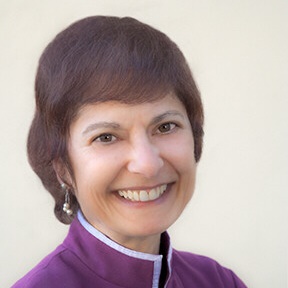
As a Child Psychologist I got really interested in the ways children could be the signal of family problems – from children who were bedwetting to girls who were anorexic. I came to realize that no matter how much I helped the kids, it was the parents that really needed the help so that their children weren’t suffering the consequences. When I came to California I switched to working with adults and adult families, where I help parents not put on their kids what they had put on them.
2. Develop Creativity
Undoubtedly the children you encounter will be of different ages and have achieved various levels of cognitive development. In order to effectively communicate with your young clients, it will be necessary to have your creative skills and abilities honed and immediately available. While basic play and toys may be effective with younger children, you may need to have invested the time and effort in learning other creative ways of eliciting responses from your clientele. Dr. Raymond shares her experience;
I learned how to use visual imaging, hypnosis, art and play therapy to help children relieve themselves of having to be the scapegoat for their family troubles. I discovered that I was interested in the psychodynamic approach to treating people with relationship and other mental health problems, and that meant another leap into a deeper learning experience.
Although you will need to receive professional instruction in this area, it is not too early to participate in creative childhood activities and learn what it means to be a child in this generation.
3. Develop an Approachable Presence
According to The United States Department of Labor, those who work with children in a therapeutic environment are most successful when they are compassionate, have well-developed interpersonal skills, are good listeners and have superior speaking skills. Along these lines, the following characteristics are important areas to develop:

I would say to them, truly, do not become a therapist unless you are actually someone who is already a therapist and you just need to get the title. If you are not at your core essence a healer, then you are probably just in it to heal yourself. You will do that to some degree, but it’s an incredible responsibility to work with people who are coming to you to help them heal. If you haven’t done your own healing work on the front-end and do not have a deep sense of self, as well as know exactly how to take care of yourself on every level, then you are underestimating the awesome responsibility that comes with helping other people take care of themselves. Before helping others you have to have expertise that has come from you having learned first how to love yourself, take care of yourself and to get rid of your ego. You have to heal yourself first.
In Conclusion…
It is interesting to note that some of the most important skills to learn before becoming a children’s therapist are not academically-based. In other words, much of what will make you successful therapist with children are things you can begin to work on today, before you are licensed.
Interestingly, while the academics involved in becoming a child therapist can be challenging and complicated; the finishing touches are really quite simple and within reach. Begin today to develop the skills which will make you a well-rounded and valuable therapist; one who has taken the time to strive for greatness and excellence.
Related ArticlesEmployment Outlook & Career Guidance for Transpersonal TherapistsType of Therapy - Exposure TherapyTina Gilbertson, Expert Therapist Discusses Her Book & SpecialtyEmployment Outlook & Career Guidance for Life CoachesWhat Is Psychotherapy and How Exactly Does It Help?MFT Comparison: Students Loans vs. Potential Salary after GraduationHow Therapists Keep From “Therapizing” Their Family & FriendsEmployment Outlook & Career Guidance for Existential TherapistsExpert Therapist Saba Harouni Discusses Art TherapyExpert Therapist Megan Bearce, LMFT Discusses Her Super Commuter Life and Her Book9 Common Elements of Good TherapyExpert Therapist Megan Bearce, LMFT, Discusses Career BurnoutType of Therapy - Anger Management TherapyMode of Therapy - Home Based Therapy12 Things I Wish I Knew Before I Became a TherapistType of Therapy - PsychoanalysisWhat is Non-Violent Communication (NVC) Therapy?Type of Therapy - Cognitive Behavioral TherapyMode of Therapy - Sex TherapyEmployment Outlook & Career Guidance for Musical TherapistsCoping Strategies & Tips for People with ADHDWhere People with MFT Degrees WorkEmployment Outlook & Career Guidance for Marriage Family TherapistsMaking Sure the MFT Specialty is Right for YouA Life Coach Discusses Education, Mistakes & TimingMode of Therapy - Group TherapyHow Much Do MFT’s Really Make?
Related Articles
Related Careers