When a family rescues a dog or cat from a shelter, they might find that their dog has been conditioned to some unfavorable behaviors. Maybe the cat freaks out every time they are taken to the vet, or the dog barks really loud when the mailman arrives at the door. Many psychologists and animal trainers believe that these behaviors are learned. So the big question for many families and pet owners is…can they be unlearned?
What Is Counter Conditioning?Does Counter Conditioning Work?Counter Conditioning in Animals vs. HumansCounter Conditioning and Therapy
What Is Counter Conditioning?
Does Counter Conditioning Work?
Counter Conditioning in Animals vs. Humans
Counter Conditioning and Therapy
Counter conditioning is the process of replacing an unwanted response to stimuli into a wanted response. Take a cat who is scared of the vet. Counter conditioning won’t help the cat get over the fear, but it will change the cat’s behavior leading up to their trip to the vet.
Maybe the cat associates their crate or a car ride with the horrifying experience of going to the vet. Every time you bring out the crate or attempt to bring them into the car, they freak out. The cat starts to hiss at you.

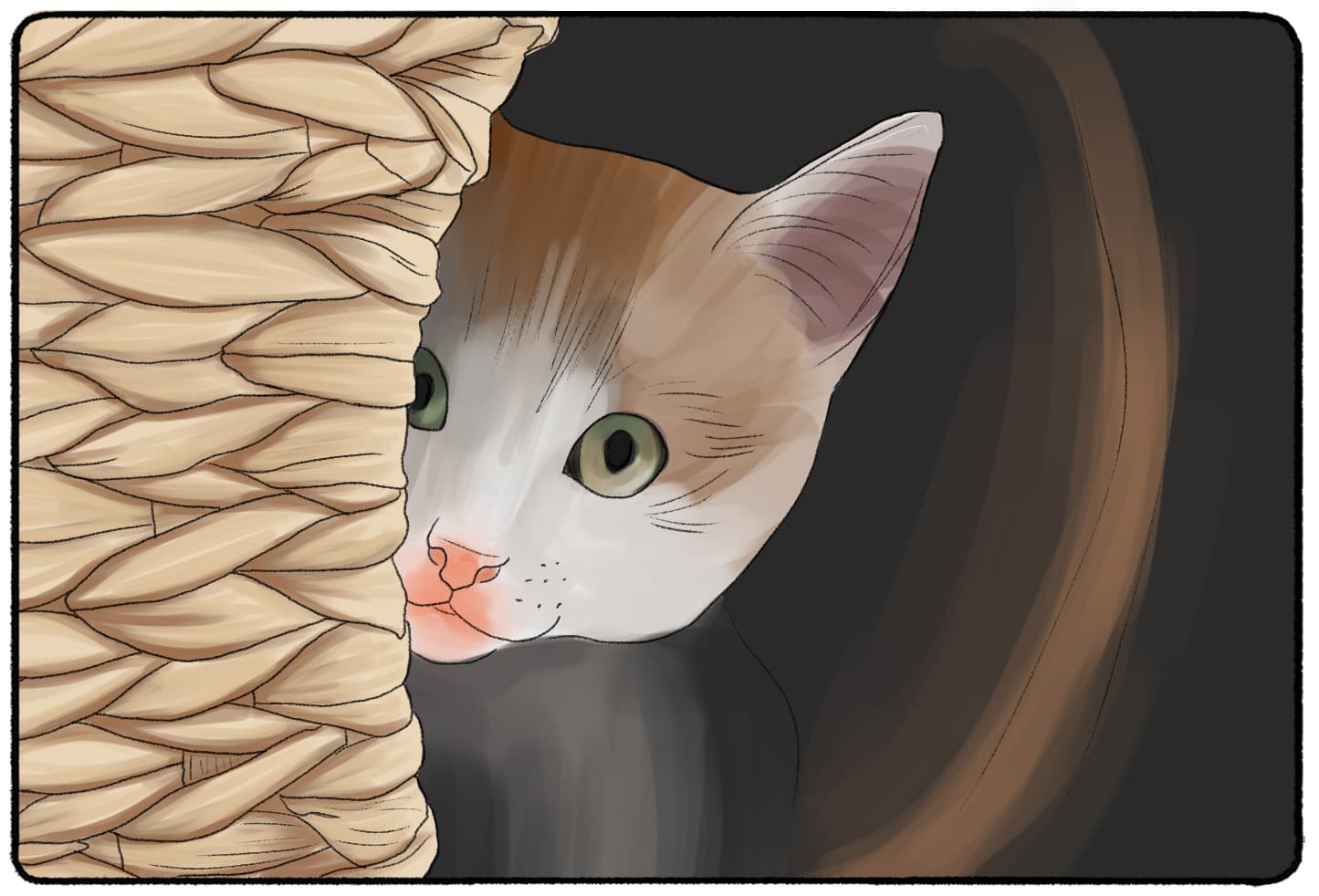
The stimulus in this situation is the crate or the car. The unwanted behavior or response is the hissing and freaking out. In order to stop your cat from hissing or freaking out every time they see their crate or the car, you may want to use some counter conditioning.
What Is Classical Conditioning?
Before we go into the process of counter conditioning, it’s important to understand howclassical conditioningworks. The discovery of classical conditioning is actually the result of one of psychology’s most famous animal experiments.Ivan Pavlovconducted multiple experiments on dogs to see if they could be conditioned to elicit a response to a certain stimulus. The response was not already in place - he just wanted to know if he could create that connection.
What he did is now what we call classical conditioning. Pavlov rang a bell for the dogs every time they were fed. The sight of food that was paired with the bell (the stimulus) made the dogs drool (the response). Keep in mind that this was an unconscious response. The dogs didn’t choose to drool - they were drooling just because they received food at the same time as the sound of the bell.
Over time, the pairing between the sound of the bell and the drooling was strengthened. The dogs began to drool every time they heard the bell simply because they were conditioned to do so. Even when they did not receive food, they drooled. As Pavlov and other behavioral psychologists continued this work, they realized that they could condition animals and even humans to elicit responses to certain stimuli.
How Counter Conditioning Works
Examples of Counter Conditioning
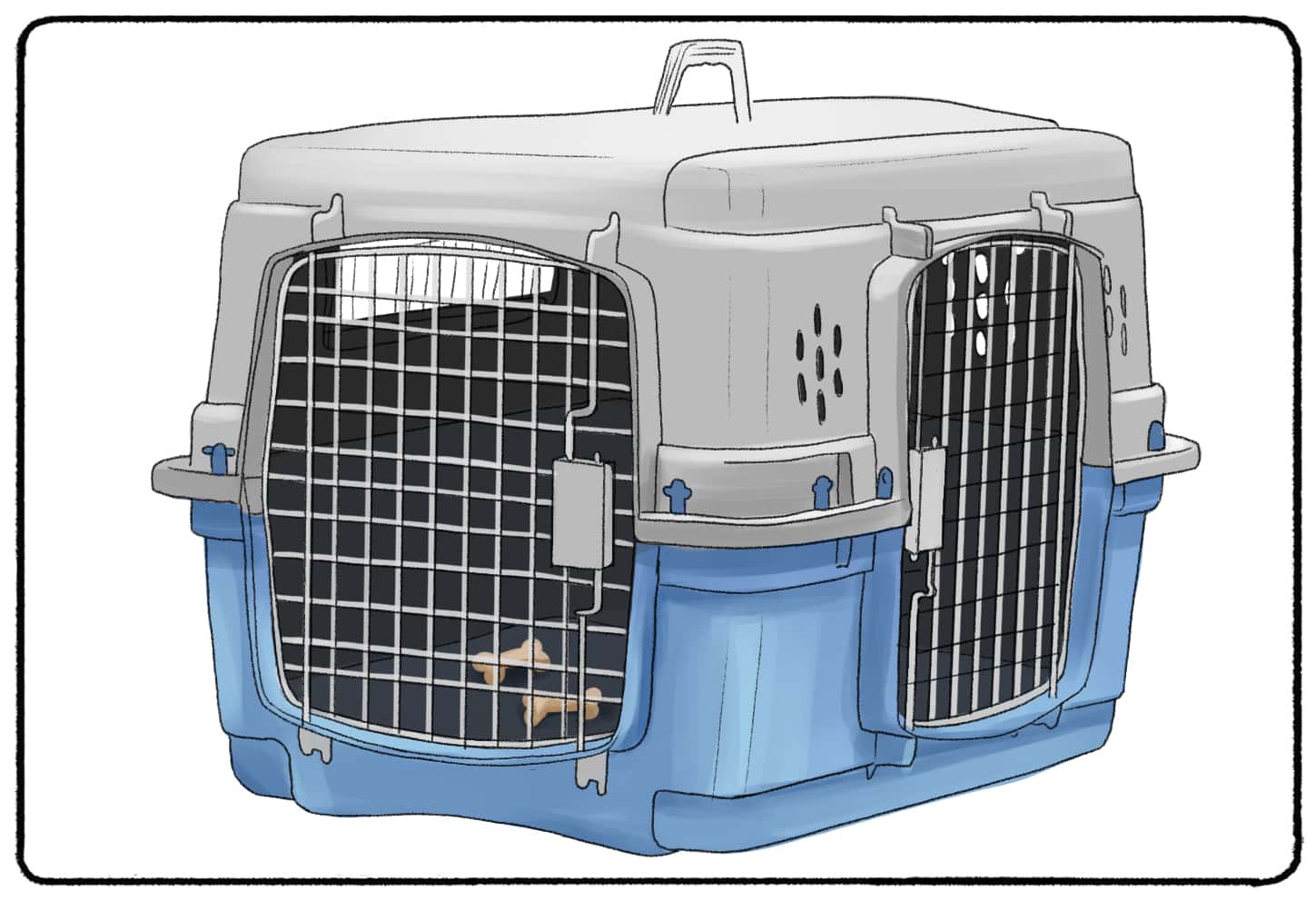
Here’s how counter conditioning might work in the example I have been using about the crate. At the beginning of the process, the cat associates the crate with the unpleasant experience of the vet. Instead, you pair the crate with a positive experience. Maybe you give the cat a treat every time you bring the crate out, or you give them a new catnip toy every time they go into the crate. You try this a few times before your next vet appointment. If the positive experience is repeated enough times and brings the cat enough good feelings, they will start to happily walk into their crate.
Again, the response is not going to happen and stick overnight. Years of associating the crate with the vet cannot be replaced with one treat or catnip toy. As a pet owner trying to counter condition their pet, you have to be consistent, patient, and kind.
Another example of counter conditioning comes from thisReddit post. An owner is hoping to reduce their dog’s anxiety surrounding grooming, and users offer their insight on how this can be achieved through counter conditioning.
(There are quite a few Reddit posts about counter conditioning and grooming. If you are having trouble grooming your dog, you’re not alone!)
We really need to groom him everyday to prevent matting, but at the same time I know we will need to condition him all over again to the comb. However, conditioning a dog takes quite a while and we will not be able to groom him properly during this period. But if we cannot groom him properly, then his fur will matt up again and we will have to go through the same painful process to remove the matting, and he will again associate the brush with pain and continue growling.
We thought that maybe we could condition him throughout the day and then do a proper brush-through at night, but I worry that the proper brush-through at night will undo all of the conditioning we do in the day and we will keep ending up in the same spot where he hates grooming. We also want to prevent matting as much as possible because we know that matting has very adverse effects on a dog…
Can anyone advise what to do? Is there a fast way to condition a puppy to grooming? I understand the process behind positive reinforcement and counter conditioning and the information on this sub has helped me to train my dogs to overcome resource guarding, so I really hope that someone here can offer some advice. Thank you!“A user replied with some helpful advice:“You have two separate issues here, actually - you need to countercondition the sight of that brush, but you also need to countercondition the feeling of something moving through his fur and slightly tugging on it. Have you tried separating the two out? Practising finger-combing his fur with just your hands, no brush in sight, and giving him treats for every single stroke so that he learns to love the feeling of his fur and skin getting manipulated more and it’s not as scary as the combination of both brush and tugging together from the start?Also in the general section of the husbandry article, specifically check out the “bucket game” and “start buttons” links - I suspect that you might be continuing to brush him without pause for a bit too long, and doing much shorter individual sessions thathelearns to trigger when he’s comfortable will make him relax about it much faster.”
Can anyone advise what to do? Is there a fast way to condition a puppy to grooming? I understand the process behind positive reinforcement and counter conditioning and the information on this sub has helped me to train my dogs to overcome resource guarding, so I really hope that someone here can offer some advice. Thank you!”
“You have two separate issues here, actually - you need to countercondition the sight of that brush, but you also need to countercondition the feeling of something moving through his fur and slightly tugging on it. Have you tried separating the two out? Practising finger-combing his fur with just your hands, no brush in sight, and giving him treats for every single stroke so that he learns to love the feeling of his fur and skin getting manipulated more and it’s not as scary as the combination of both brush and tugging together from the start?
Also in the general section of the husbandry article, specifically check out the “bucket game” and “start buttons” links - I suspect that you might be continuing to brush him without pause for a bit too long, and doing much shorter individual sessions thathelearns to trigger when he’s comfortable will make him relax about it much faster.”
How Long Does Counter Conditioning Take to Work?
Expecting fast results or throwing the pet into a stimulus that provokes intense reactions is not going to create a strong connection between the wanted behavior and the stimulus. For example, you may want to give your cat a treat every time you bring out the crate before you try to get the cat to walk inside the crate. This might take a few weeks of consistently bringing out the crate, offering your cat a treat, and then putting the crate away. Throwing your cat into the crate and giving them a treat once is not what counter conditioning is about.
Most of the research on counter conditioning and classical conditioning has been done on animals rather than humans. Why? We are not looking for the animal to consciously choose a response to a behavior. Counter conditioning unravels what has been unlearned consciously and unconsciously through an animal’s life. Animals can learn to perform conscious behaviors through operant conditioning, which can also be unlearned through counter conditioning. But often, these animals are not trained to consciously elicit unwanted responses.
Humans often have unwanted responses to certain stimuli, but these behaviors can be unlearned through practices and techniques outside of counter conditioning. That doesn’t mean that humans have not been the subject of counter conditioning experiments. These experiments work the same way - although researchers may use something “stronger” than just a treat or affection to unravel the learned response.
Counter conditioning is one way to approach training or retraining a pet, but it’s not the only way. Animal experts also recommend that “desensitization” could be a way to reduce an animal’s fear of a certain stimulus.
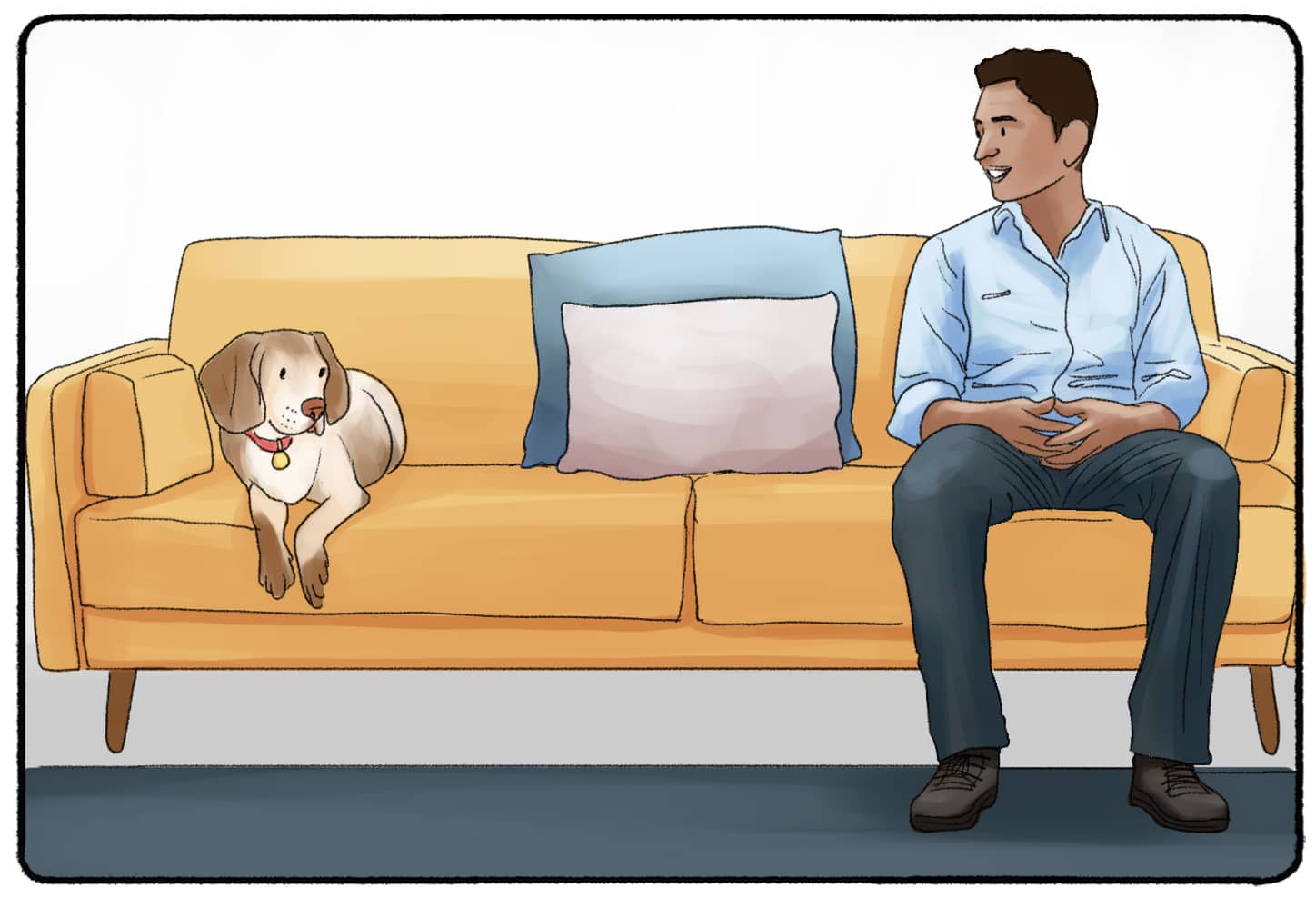
This process is similar to exposure therapy, which may be used on humans who have certain phobias. Like counter conditioning, this process cannot be completed overnight. Exposing the dog (or human) to their phobia too fast will not help them overcome their phobia - if anything, it might make the phobia stronger and reduce trust between the person administering the “training” and the subject.
Related posts:Classical Conditioning (Memory Guide + Examples)Discrimination StimulusOperant Conditioning (Examples + Research)Stimulus Response Theory (Thorndike’s Research + Examples)Conditioned Reinforcer (Definition + Examples)
Related posts:
Reference this article:Practical Psychology. (2021, May).Counter Conditioning (Definition + Examples).Retrieved from https://practicalpie.com/counter-conditioning/.Practical Psychology. (2021, May). Counter Conditioning (Definition + Examples). Retrieved from https://practicalpie.com/counter-conditioning/.Copy
Reference this article:
Practical Psychology. (2021, May).Counter Conditioning (Definition + Examples).Retrieved from https://practicalpie.com/counter-conditioning/.Practical Psychology. (2021, May). Counter Conditioning (Definition + Examples). Retrieved from https://practicalpie.com/counter-conditioning/.Copy
Copy
