Cognitive development is when children develop problem-solving abilities, thinking logically, and making decisions. As they grow and develop, they understand more about the world around them and how it works - and they enter the Concrete Operational Stage.
What is the Concrete Operational Stage?Impact of the Concrete Operational Stage on Daily Life, Learning, and Interactions
What is the Concrete Operational Stage?
Impact of the Concrete Operational Stage on Daily Life, Learning, and Interactions
By age 6 or 7, the child has entered the Concrete Operational Stage. This is the third stage in Jean Piaget’s Theory of Cognitive Development. During this stage, the child is beginning to grasp logical reasoning. The most important developments in this stage include that of Conservation, Classific
Concrete Operational Stage Age
The concrete operational stage starts around age 6 or 7 and ends at 11 or 12. For many students, this is when they enter their first “formal” years of grade school. A good way to remember this timeframe is to think thatelementary schoolscould be made ofconcrete.
The CDC refers to the years between the ages of 6 and 11 as “middle childhood.”
Preparing For the Concrete Operational Stage
The concrete operational stage of cognitive development builds upon the foundational abilities acquired during the earlier stages, particularly the preoperational stage.
As children move from the preoperational to the concrete operational stage, their cognitive abilities undergo significant refinement. Here’s what a child exiting the preoperational stage typically can do:
Furthermore, their cognitive processing becomes more nuanced. Though abstract thinking is still emerging, they can think more logically about concrete events. This stage fascinates parents as they witness their child’s burgeoning ability to reason, problem-solve, and let their imaginations soar.
What Skills Does a Child Gain and Build During the Concrete Operational Stage?
These four processes may begin in the earlier stages of development but really accelerate during the concrete operational stage. It is important to know that classification requires many skills in itself! Moving past animism, seriation, and transitivity are all part of the classification process.
Conservation
One of the defining elements of thePreoperational Stageis that children have difficulty understanding Conservation. Not ecological conservation. Children between the ages of 2-7 have difficulty understanding that a quantity is the same despite a physical appearance or container change.
 illusions of conservation
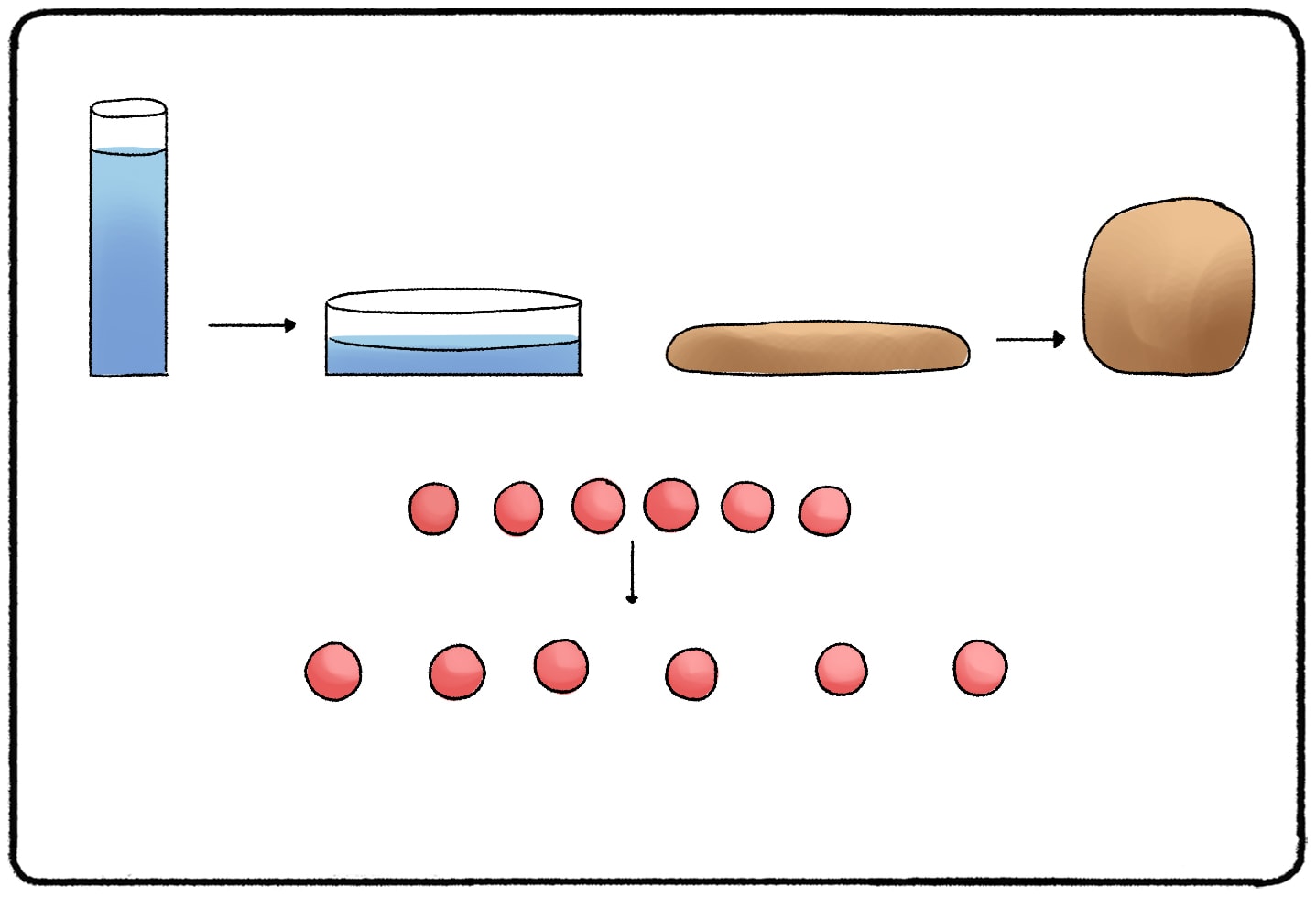
A child in the Preoperational Stage will not be able to see that 10mL of liquid in a short, wide glass is the same as 10mL of liquid in a tall, skinny glass. As the child enters the Concrete Operational Stage, they begin to grasp this concept. They can use other “clues” about an object to assess its quantity. Sure, the ball of clay has been smashed flat. But it’s still the same amount of clay. Yes, the green tennis ball is now blue. But it will still bounce the way a normal tennis ball would.
Why do children start to grasp the concept of conservation at this point in their development? Piaget claims that it’s due to a process calleddecenteringordecentration.This process allows the child to see many aspects of one problem.
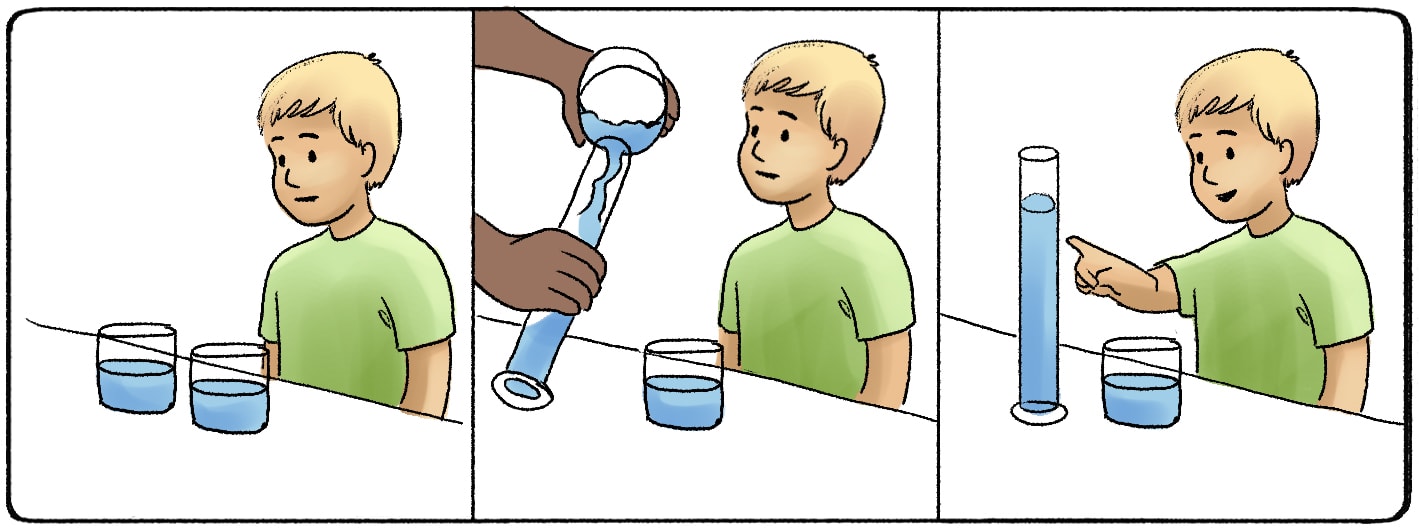
They can see that one glass is taller than the other, but also that one is wider and that both glasses read 10mL. Children in earlier stages can only focus on one of these elements, and that one element solely influences their thinking or their answer.
Classification
Children can observe an item that looks and feels like a plant and classify it as a plant. But they can also see how a green plant fits in with other green items. They can separate green and red plants but still see them as “plants.” They can see how plants differ from animals and how animals differ from other household items.
At the Concrete Operational Stage, the child has moved past animism. Animism is the idea that all things and all creatures have a soul. Once the child reaches the Concrete Operational Stage, they can begin to separate and classify objects that are animate vs. inanimate.
Reversibility
Reversibility is another major development in the Concrete Operational Stage. It simply means that children realize that actions can be reversed. This allows them to think backward to solve a problem. Sure, they know that 2 + 2 = 4. With reversibility, they can use that information to figure out that 4-2=2.
This understanding also helps the child to understand Conservation at a deeper level. Yes, the ball of clay has been flattened. As the child develops the idea of reversibility, they begin to see that they can mold the flattened clay back into a ball, all while keeping the same quantity of clay.
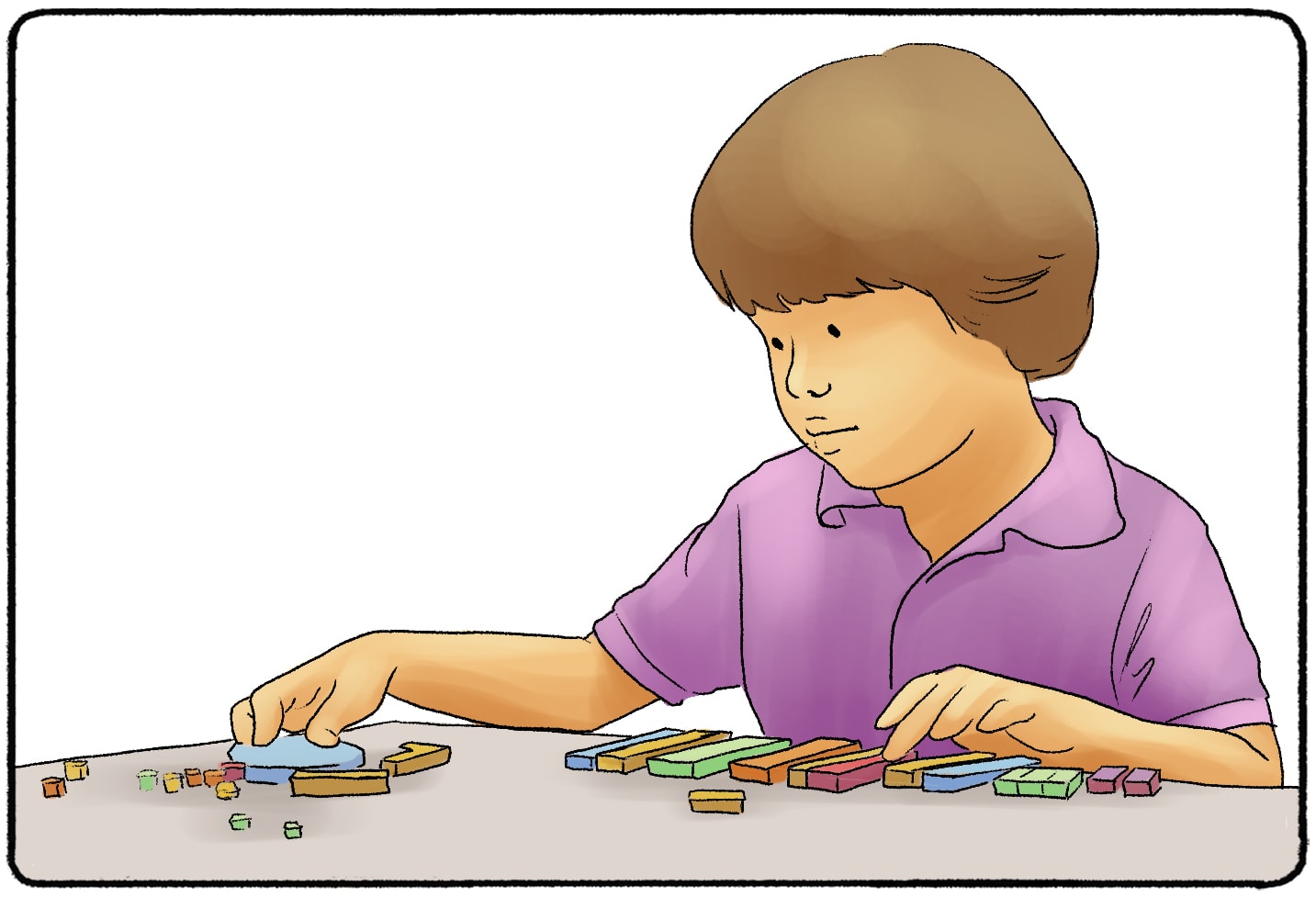
Other Skills Developed During the Concrete Operational Stage
The average 8-year-old childlearns up to 20 wordsper day! This is certainly an exciting time for any parent or teacher watching a child start to understand their world more.
The transition from the preoperational to the concrete operational stage signifies cognitive changes and deeply influences a child’s daily life, learning experiences, and interpersonal interactions.
Daily Life:As children start to think more logically and grasp the concept of conservation, they become more aware of their surroundings and the permanence of objects. For instance, they begin to understand that even if they can’t see their toy under the bed, it’s still there. This concrete thinking enables them to solve problems in their daily routines, such as searching for a misplaced item or planning ahead for a school project.
Learning Abilities:The classroom experience changes significantly for children in the concrete operational stage. Their enhanced logical reasoning and categorization skills allow them to grasp mathematical concepts like basic arithmetic operations and understand scientific principles, such as the water cycle, more profoundly. They can now sequence historical events, classify objects based on multiple criteria, and start understanding more abstract concepts in subjects like mathematics. This is the age where foundational concepts in math and science, which require logical thinking and categorization, are solidified.
Social Interactions:Regarding interpersonal interactions, diminishing egocentrism means children become more considerate and understanding of others' viewpoints. This paves the way for deeper friendships and better conflict resolution. Children now have a greater capacity for empathy and understanding of the feelings and perspectives of their peers. This can lead to more meaningful friendships and a better ability to work in teams or groups. They can also understand rules and their importance in games or societal contexts, leading to a more structured and rule-following behavior.
Moreover, with the onset of decentration, children become more skilled in understanding complex social situations. They can now comprehend that a person can have multiple roles (e.g., a woman can be a mother, a daughter, and a teacher simultaneously) and navigate their relationships with such individuals accordingly.
The concrete operational stage is crucial in a child’s cognitive development. The skills acquired during this stage lay the foundation for more abstract thinking in the subsequent formal operational stage. By recognizing and understanding these developmental milestones, parents and educators can provide more targeted support and resources to help children thrive during this phase.
How to Support a Child in the Concrete Operational Stage
Parents can do muchmore with their kids as they grow and enter the concrete operational stage. They can also communicate to the child why they are engaging in these activities and how they can use these skills at school or playwith friends.
Ask them about bullies and friends at school.Children will form many positive relationships during this time. Negative relationships, unfortunately, will also form. Bullying is not unique to the concrete operational stage - bullies can be aggressive toward other children as early as age 3. But bullying can be attributed to the child’s egocentrism during this time. Children should be developing empathy during this age. Fortunately, children can also express their feelings better thanat earlier stages. Give your child the space to tell you about bullies or how other kids at school might make them feel.
Set up a routine.As children explore their autonomy, suggest a routine to give them more power and control over their day. Once their chores are done, they can be rewarded. Getting into the habit of having a routine early will teach children how to organize all the tasks they can do and make the most of their time.
Set ground rules.Similarly, you can set limits for your child as theytake on different interests. Children will seek out screen time and phones around this age. Communicate with them that you need to limit this time and why. The earlier these ground rules are implemented, the more normal they will be for the child.
Write stories with your child.Moving past egocentrism allows a child in this stage to put themselves in the shoes of others. Share a conflicta character in a story might have, then ask your child what they would do. How do they think Little Red Riding Hood feels when she seesher grandma is a wolf? How do they think the Beast feels when they have transformed from a Prince to the Beast and back again?
Let them help you bake.Manyskills developed during the concrete operational stage can be applied while baking a cake or cookies. Show them that one cup of flour in the measuring cup is still the same amount when poured into the bowl. Point out that all of these ingredients can be made into one cake and that a cake comprises all these ingredients. Ask them who might like to eat cookies: Mom after a long work day? Grandma, who has been feeling sick? Kids might make a mess during this time, but they will build on manycognitive skills while doing it!
What Comes After the Concrete Operational Stage?
Many exciting developments take place in the Concrete Operational Stage, but there is still one step to go in Piaget’s Theory of Cognitive Development. During the Concrete Operational Stage, children can only apply logic to things they have seen or currently exist. In the Formal Operational Stage, they can take things one step further and apply logic to things that pretend or will exist in the future.
While children gain the ability to conduct inductive reasoning, they still struggle withdeductive reasoning.
Learn more about the child’s final stage of cognitive developmenthere!
Related posts:Formal Operational Stage - Piaget’s 4th Stage (Examples)Piaget’s Theory of Moral Development (4 Stages + Examples)The Psychology of Long Distance RelationshipsOperant Conditioning (Examples + Research)Beck’s Depression Inventory (BDI Test)
Related posts:
Reference this article:Practical Psychology. (2019, September).Concrete Operational Stage (3rd Cognitive Development).Retrieved from https://practicalpie.com/concrete-operational-stage/.Practical Psychology. (2019, September). Concrete Operational Stage (3rd Cognitive Development). Retrieved from https://practicalpie.com/concrete-operational-stage/.Copy
Reference this article:
Practical Psychology. (2019, September).Concrete Operational Stage (3rd Cognitive Development).Retrieved from https://practicalpie.com/concrete-operational-stage/.Practical Psychology. (2019, September). Concrete Operational Stage (3rd Cognitive Development). Retrieved from https://practicalpie.com/concrete-operational-stage/.Copy
Copy
