You may be a psychology student or someone seeking therapy and wondering what exactly Client Centered Therapy is. In this article, we are going to cover the history of it, along with the benefits and drawbacks of this specific type of therapy.
What is Client Centered Therapy?Who Does Client-Centered Therapy Work For?Three components of Client Centered TherapyExtra Tips for Client Centered Therapy
What is Client Centered Therapy?
Who Does Client-Centered Therapy Work For?
Three components of Client Centered Therapy
Extra Tips for Client Centered Therapy
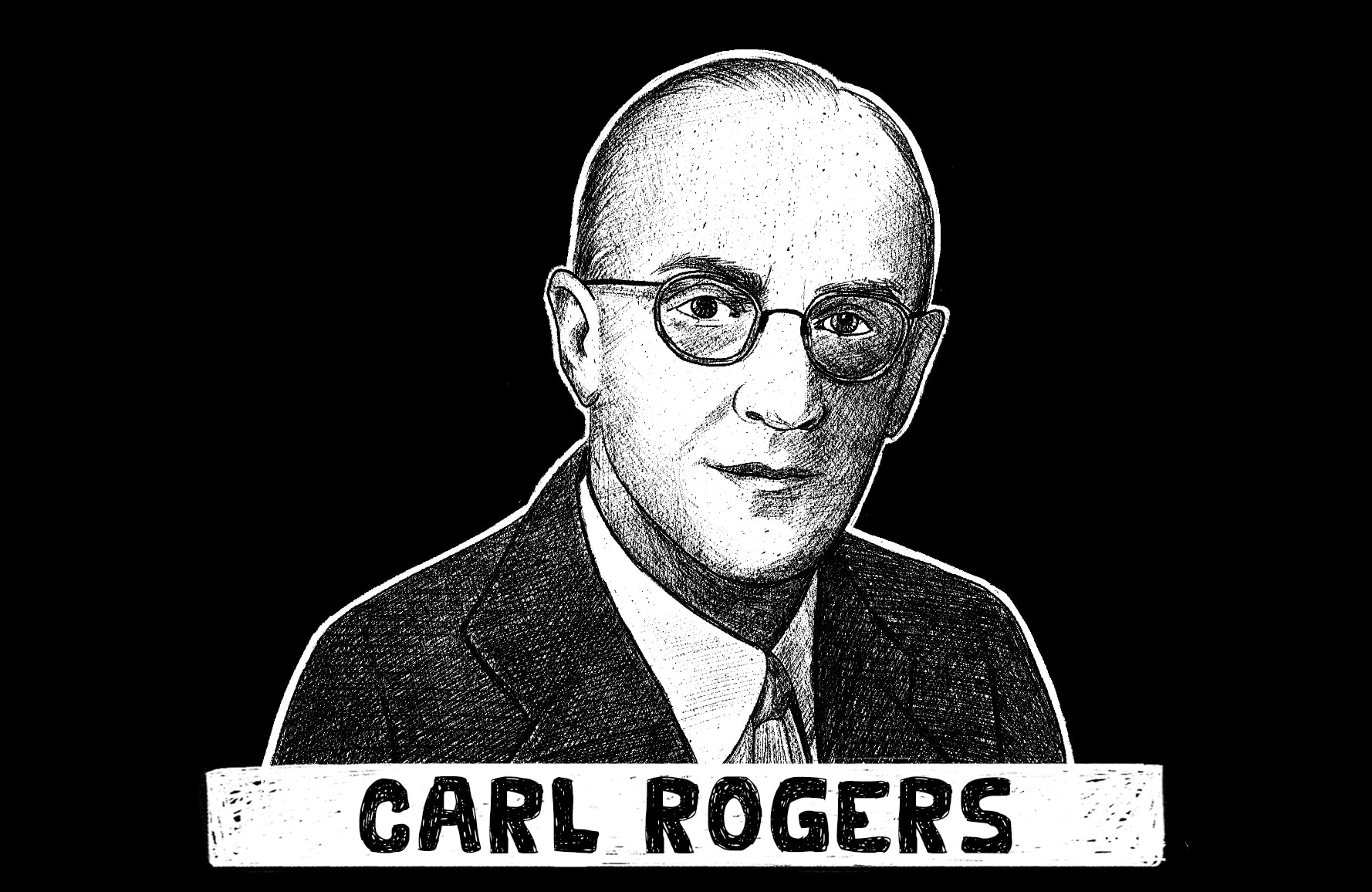
 Carl Rogers
Client-centered therapy is classified as a humanistic approach to therapy. The Characteristics of client centered therapy are:
At the time that Rogers proposed the Client Centered Approach, it was not vastly popular because psychodynamic and behavioral approaches were being used. It was not even called client centered therapy at the time it was developed, it was named non-directive therapy.
The thinking that led Rogers to Client Centered Therapy was his belief that the clients themselves are the best therapist; that they themselves are the key to their own self-understanding. He also called this “Self Directed Behavior”.
Benefits of Client-Centered Therapy
Carl Rogerswas very adamant about not calling clients “patients” because patients implies that someone is sick and needing care, rather than someone who is in control of their own destiny and was only seeking help in overcoming their trials. This benefits patients as itempowers them.
The center of the theory is changing the client’s self-perception into something more positive. The way this is achieved is through open-ended questions, letting the client speak on what comes to their mind and then the facilitator will ask questions that enable them to expand on their own thought processes. Outside of the therapist’s office, the patient can continue this process on their own.
Example of Client Centered Therapy
Amanda is looking around for a therapist, she suffers from a lack of confidence about the way she looks, her intelligence, and her overall self-worth. This makes Amanda get into relationships with toxic men who don’t treat her well, as well as career advancement troubles that make it hard for her to elevate in her workplace.
Kay then asks her if she feels like his absence made it easier when he walked out. Amanda keeps talking about that part of her life, which eventually leads into her discussions about the types of men that she chooses and how she feels that she chose those men because they remind her of her father.
The session ends with Amanda having spent most of the time talking, and Kay just listening and trying to understand Amanda’s life. After a couple of sessions that just go like that Amanda starts making discoveries about how she accepts little of herself and the people she lets into her life because she feels that she wasn’t good enough for someone she thought was supposed to be there for her.
This is the basis of Client Centered Therapy. Amanda did most of the talking and found her own road to self-discovery and Kay was just facilitating and being a mediator through Amanda’s emotions. There was no judgment, just questions that led Amanda to think deeper about her own feelings.

Although this approach can be a great way to reduce stress or anxiety, it may not be ideal for more serious mental conditions.u/feelthinkerhad this to say about client-centered therapy on the psychologystudents subreddit:
“In most disorders, other therapies such as CBT have stronger evidence base than client centered therapy. For a list of treatments with best evidence for any mental health disorder, you should either look up meta-analytic reviews or the reports of evidence-based care regulatory body. "
The first component isgenuinity. The therapist needs to have a genuine interest in the clients problems and needs. They also need to be as open as they are asking their clients to be, as that will encourage the client to open up as well.
The second component isUnconditional Positive Regard. While the therapist needs to be open and encourage the client to be open, they also need to be accepting and supportive. Being accepting of whatever and whoever the person is in that moment is a big proponent of this style of therapy.

The third and final component of Client Centered Therapy isEmpathetic Understanding. Empathetic understanding is taking on the emotions of the client as your own. This makes the client feel safer to further open up and makes the client understand and see their emotions better.
These 3 keys components promotes the client’s self awareness and understanding of their own thoughts and feelings. It has proven to be very successful and today is the most widely used form of therapy.
Related posts:Insight Therapy (Definition + Examples)Carl Rogers Biography - Contributions To PsychologyBrainspotting TherapySkinner’s Box Experiment (Behaviorism Study)Flooding Therapy (Psychology Definition + Explanation)
Related posts:
Reference this article:Practical Psychology. (2020, May).Client Centered Therapy (Benefits + Explanation).Retrieved from https://practicalpie.com/client-centered-therapy/.Practical Psychology. (2020, May). Client Centered Therapy (Benefits + Explanation). Retrieved from https://practicalpie.com/client-centered-therapy/.Copy
Reference this article:
Practical Psychology. (2020, May).Client Centered Therapy (Benefits + Explanation).Retrieved from https://practicalpie.com/client-centered-therapy/.Practical Psychology. (2020, May). Client Centered Therapy (Benefits + Explanation). Retrieved from https://practicalpie.com/client-centered-therapy/.Copy
Copy
