How much influence do you have over your own destiny? How much influence doother peoplehave over your destiny?
I ask some big questions on this site. I’ve discussed at length about how changing your beliefs can alter the course of your life. I’ve discussed theories from psychologists aboutfree will, determinism, and compatibilism. Now, I want to talk about a very specific way to approach the way we make choices. Using Choice Theory, you can maintain the sense of freedom and control overyourown actions while accepting that you cannot control the people around you.
What Is Choice Theory?When Was Choice Theory Developed?Example of Choice TheoryMain Axioms of Choice TheorySeven Caring Habits (And Seven Deadly Habits)Interested? Read More.
What Is Choice Theory?
When Was Choice Theory Developed?
Example of Choice Theory
Main Axioms of Choice Theory
Seven Caring Habits (And Seven Deadly Habits)
Interested? Read More.
Choice Theory gives us a lot of responsibility when it comes to our actions and thoughts. There are also elements of realism in Choice Theory, including the reality check that you can’t control the actions of others. The 10 main axioms of Choice Theory help guide the choices we make.
 choice theory by william glassner
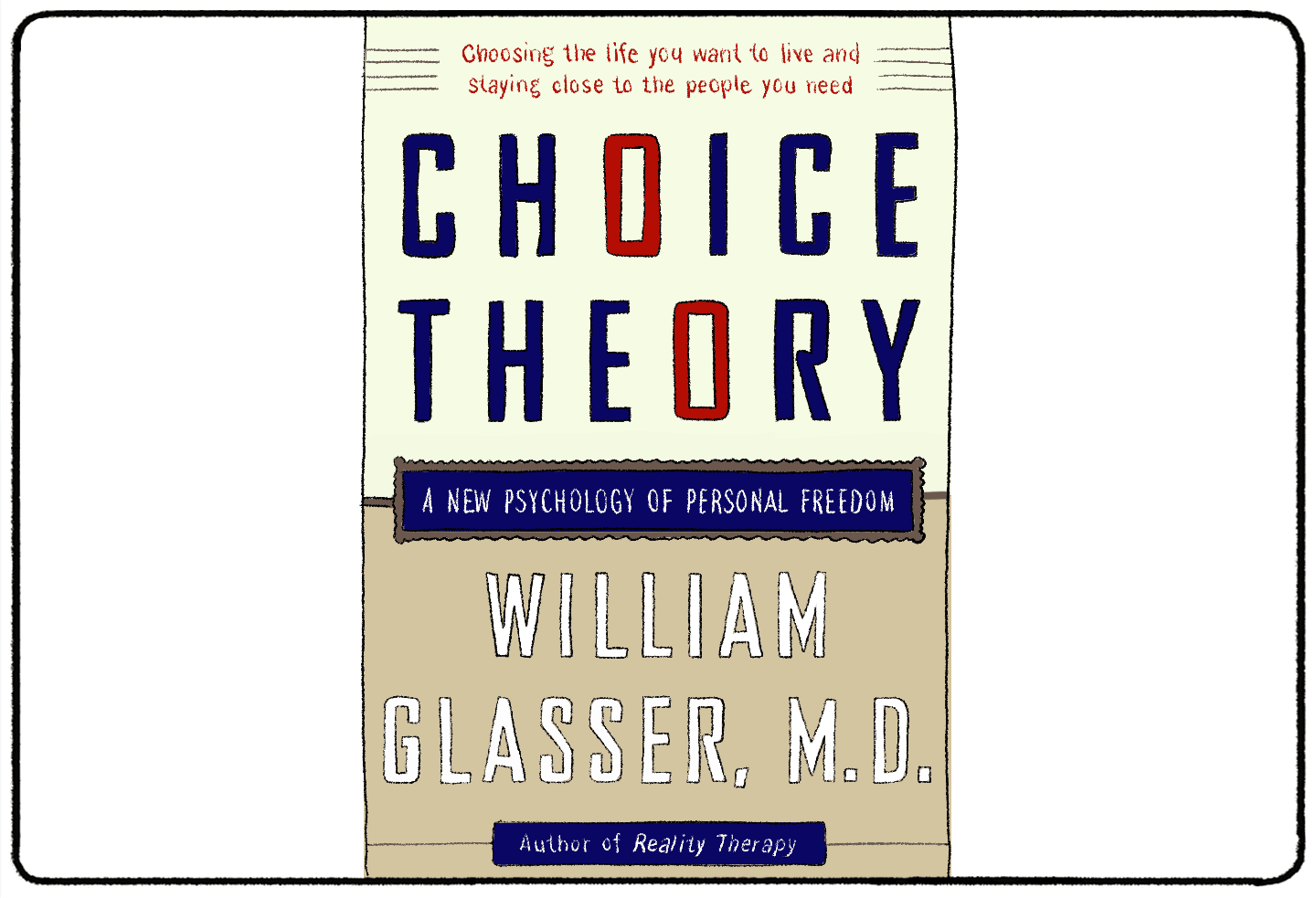
William Glasserwas an American psychiatrist whose progressive approach to relationships won him dozens of high honors and awards. He began to develop the idea of Choice Theory back in 1980, but before that, he was the founder of Reality Therapy.

Reality Therapy is a type of cognitive behavioral therapy (CBT) that focuses on relationships and making choices to benefit those relationships. There are many similarities between Reality Therapy and Choice Theory. Let’s just look at the “three R’s” of Reality Therapy: realism, responsibility, and right-and-wrong.
Reality Therapy shares many traits with CBT. One is the problem-solution focus. Patients learn to recognize problems and find solutions to alleviate anxiety and stress. Therapists also focus on present relationships, while still acknowledging that the past can influence the choices made in the present. Reality Therapy and Choice Therapy both share this emphasis on the present moment and present relationships.
In 1999, Glassner publishedChoice Theory: A New Psychology of Personal Freedom.While Glassner is most well-known for this publication, all of his publications have sold 1.7 million copies throughout the globe.
InChoice Theory,Glassner outlines key Choice Theory concepts and helps readers understand ways to make better choices and strengthen all of their relationships.
What are the main ideas ofChoice Theory?Here are Glassner’s top 10:
While some of these ideas are easy to grasp, others require a little explanation.
Quality World Definition
Axiom 7 mentions aQuality World.This is another important term. The Quality World is an ideal world that we’ve built in our minds. In our Quality World, we are truly living our best life. When our current world matches up with our Quality World, we feel good. Things are going great and our needs are satisfied.
When our current world fallsshortof our Quality World, things aren’t so great and we may feel that we are lacking something. We have the ability to bring our current world closer to the Quality World, but it can only be done through our actions alone. The actions of other people are completely out of our control.
Revisiting a Painful Past
We have all experienced a situation when someone else appeared to have an impact on our lives. You cannot avoid having relationships or interacting with other people. But what is important to remember about Choice Theory is Glassner focuses on the present. Negative things might have happened in the past. Maybe you didn’t get into the college you wanted or you had a big fight with your parents. For the answer to this, we look to Axiom #5: “Revisiting this painful past can contribute little or nothing to what we need to do now: improve an important, present relationship.”
The seven caring habits are:
The sevendeadlyhabits are:
Relationships will always be present in our lives. But we control the way that we act and think in those relationships. Through our actions, which are entirely up to us, we can strengthen our relationships and create a world that is closer to our Quality World. The seven caring habits that dictate how we can begin to strengthen our relationships. By engaging in these habits, and eliminating his sevendeadlyhabits, we can vastly improve our lives and relationships.
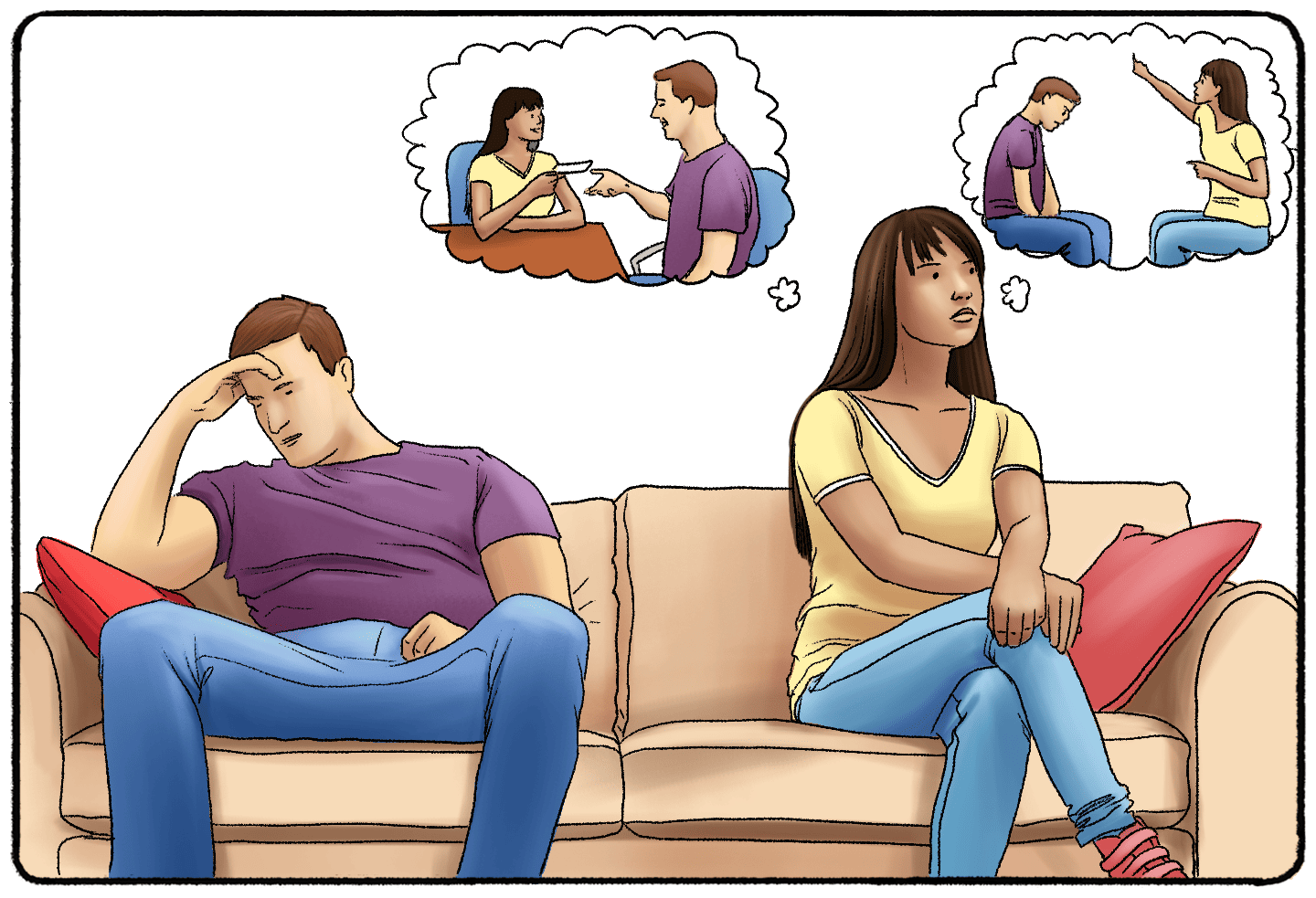
I could go on and on about Choice Theory and how it can improve your relationships. But the best way for you to get this information is to read it for yourself! These ideas can be extremely appealing to people who are struggling in relationships or want to make meaning out of the ways that other people affect our lives. Give it a read and see how you can start to improve your relationships through your actions, thoughts, and choices.
Related posts:William Glasser Biography - Contributions To Psychology47+ Social Injustice Examples (History + Solutions)19+ Experimental Design Examples (Methods + Types)40+ Famous Psychologists (Images + Biographies)41+ White Collar Job Examples (Salary + Path)
Related posts:
Reference this article:Practical Psychology. (2020, March).Choice Theory (Definition + Examples).Retrieved from https://practicalpie.com/choice-theory-definition-examples/.Practical Psychology. (2020, March). Choice Theory (Definition + Examples). Retrieved from https://practicalpie.com/choice-theory-definition-examples/.Copy
Reference this article:
Practical Psychology. (2020, March).Choice Theory (Definition + Examples).Retrieved from https://practicalpie.com/choice-theory-definition-examples/.Practical Psychology. (2020, March). Choice Theory (Definition + Examples). Retrieved from https://practicalpie.com/choice-theory-definition-examples/.Copy
Copy
