This article is all about psychologists' generalizations about childbirth order. They’re not set in stone, but they’re something to consider as you reflect on your personality versus your siblings, step-siblings, or friends!
Is Birth Order Important?Only Child CharacteristicsOldest Child CharacteristicsMiddle Child CharacteristicsYoungest Child CharacteristicsCan Personality Traits Change?
Is Birth Order Important?
Only Child Characteristics
Oldest Child Characteristics
Middle Child Characteristics
Youngest Child Characteristics
Can Personality Traits Change?
How a child is raised significantly impacts the person they grow up to be later on. A child’s birth order can impact how a parent raises them or how much attention they receive. These are generalizations based on the work of many psychologists.
Birth order and its impact on personality have long been a subject of psychological exploration. Alfred Adler, one of the early pioneers in birth order research, emphasized the influence of position in the family on one’s personality and character. Kevin Leman’sThe Birth Order Bookfurther elaborates on how being the firstborn, middle child, last-born, or only child affects one’s behavior.
The way a child is raised can have lasting effects. Notably,a studypublished in the Journal of Research in Personality found that firstborns tend to score higher in conscientiousness and neuroticism. On the other hand, later-borns were found to be more open to new experiences. Another important study from theProceedings of the National Academy of Sciencesshowed that while firstborns had higher IQs, they also had a higher inclination towards conforming, which may explain their tendency to achieve academically.
These findings, among others, align with many psychologists' observations about birth order’s general influence on personality, albeit there are also numerous other factors at play.
Psychologists have explored data to determine how birth order may affect a person’s traits and ultimate adulthood behavior.Many findings show strong correlations between good grades and being the oldest child.Alternatively, they may observe that middle children often receive significantly less attention than their older or younger siblings.These answers aren’t set in stone, especially because a lot plays into a person’s personality:upbringing,gender, culture, life events, etc.! Some believe thatgenerational differencesmay also change how childbirth order affects personality. Although you may find some relatable traits in this article, know that birth order ultimately does not determine who you are.
Discussing birth order would be incomplete without delving into the unique position of being an only child. There’s a common stereotype that only children might be spoiled or self-centered, primarily due to the undivided attention they receive from parents. This perception, however, is just one facet of the multi-dimensional experience of growing up without siblings.
 indifferent only child
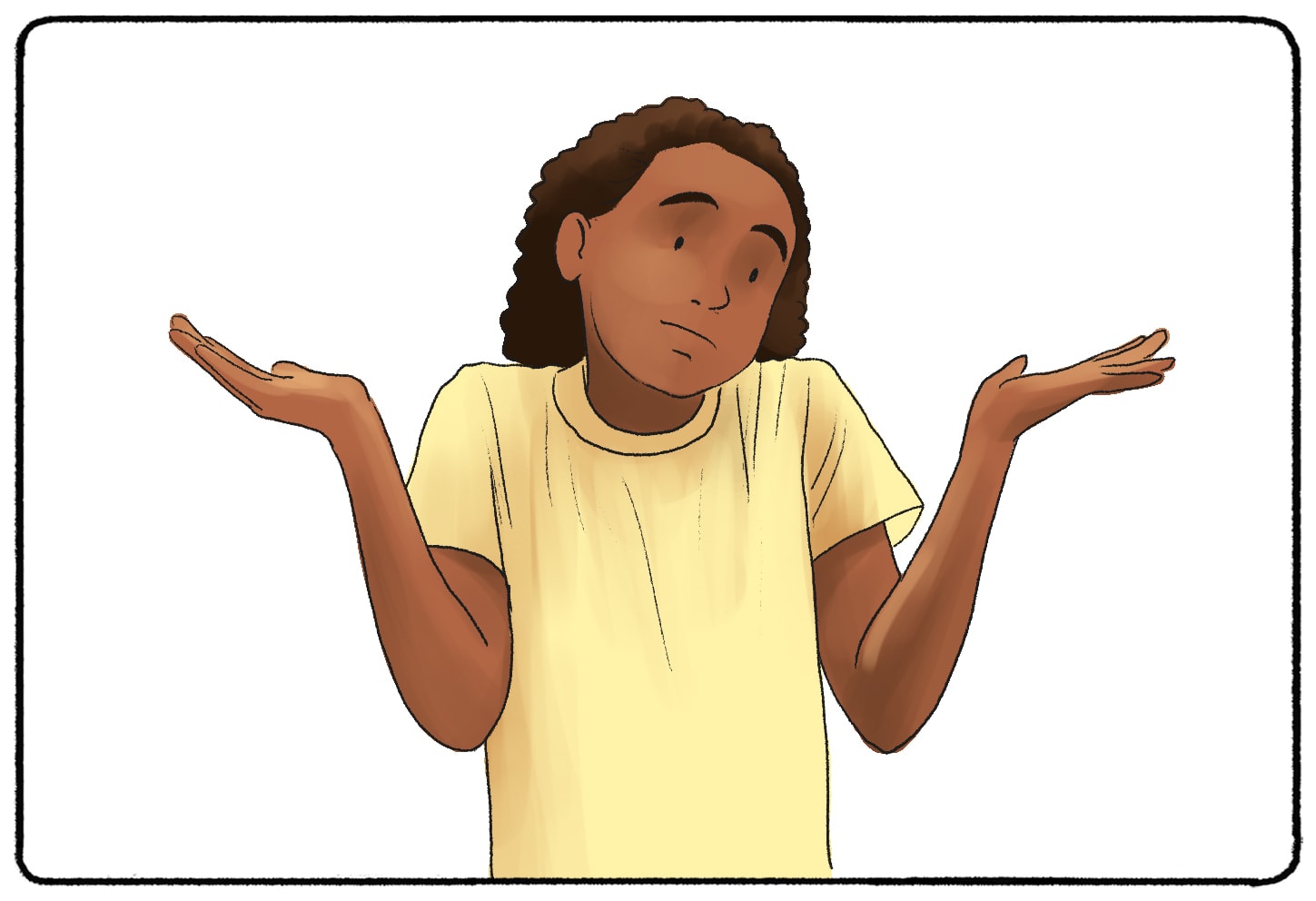
Indeed, without siblings to vie for attention, only children might receive a concentrated amount of parental focus. Yet, it’s a misconception that such children are isolated from peer interactions. Many psychologists have observed that only children often form profound and enduring friendships outside the family. They might actively seek out peer interactions in school, extracurricular activities, and neighborhood play, compensating for the lack of sibling companionship.
Further, being the sole child in family outings or vacations doesn’t necessarily equate to isolation. It can foster a deeper parent-child bond and lead to only children being more attuned to adult conversations and behaviors. This exposure often results in only children appearing more mature for their age, being more conscientious, and having well-developed verbal skills.
While these traits can be advantageous, such as developing leadership qualities or being more self-reliant, there can be challenges too. Some children might feel a heightened sense of pressure to meet parental expectations, given that there are no siblings to share the burden. Others might occasionally feel a sense of loneliness, especially in environments where peer interactions are limited.
In the academic setting, it’s not uncommon for children to exhibit a strong sense of responsibility and drive. However, it’s also essential to note that individual experiences vary. As some children might feel out of place in group activities, many thrive, taking initiative and actively participating.
The oldest child is an only child for a short period, so there is a possibility that they take on some of these traits. Often, their world changes significantly when another child is added to the picture.
This can result in a variety of traits. The oldest child may become a people-pleaser and a perfectionist. They strive for attention and validation, something they might have felt neglected when their sibling arrived. Perfectionism may also come from a parent’s style when raising the oldest child. Parents are generally more cautious when they have their first child. They don’t want to screw them up, after all! That level of caution may rub off on the child.
Perfectionism and high expectations may also make the oldest child a natural leader. They are often tasked with “leading” their siblings or caring for them as they grow up. These tasks come naturally, especially as a child, when age seriously impacts someone’s authority. Oldest children are also likely to be organized, responsible, and likely to obey the rules. Again, not all traits are necessarily “good.” The oldest child will likely be more “bossy” and less flexible than their younger siblings.
Middle children, often caught between the accomplished older siblings and the pampered younger ones, have a unique place in family dynamics. Dr. Catherine Salmon and Dr. Katrin Schumann’s bookThe Secret Power of Middle Childrensheds light on how middles are adept negotiators with a keen sense of justice and fairness.
But that all changes once a third sibling comes into the picture, suddenly the youngest child becomes the middle child. What is the middle child’s role?
This question can often shape the middle child’s personality. They are fighting for attention. Their older sibling can do more than them, and the youngest sibling requires more care. So the middle child needs to act as a people-pleaser or a peacemaker to earn validation and attention from their parents. This role often follows them throughout their life.
Striving for their parent’s attention may also cause a middle child to act out and be rebellious.
Note here that there are many ways to be a middle child. As a family has 4, 5, or 6 children, the middle child’s “role” may change.
Having extra privileges can be a good thing or a bad thing. Youngest children can be very charming and likable. They take risks and don’t mind letting loose when it comes to rules, and whowouldn’tlike to be spoiled if they are used to it growing up?
Another characteristic of the youngest child is that they can be competitive. Even though they are getting a lot of attention from their parents, they can’tdoas much as their older siblings. This may lead the youngest children to work extra hard, be competitive, or seek attention in other ways.
Some of this information may feel relatable. You might have heard things that don’t match how you or your siblings behave. That’s okay! It doesn’t mean your family is strange or the research is untrue.
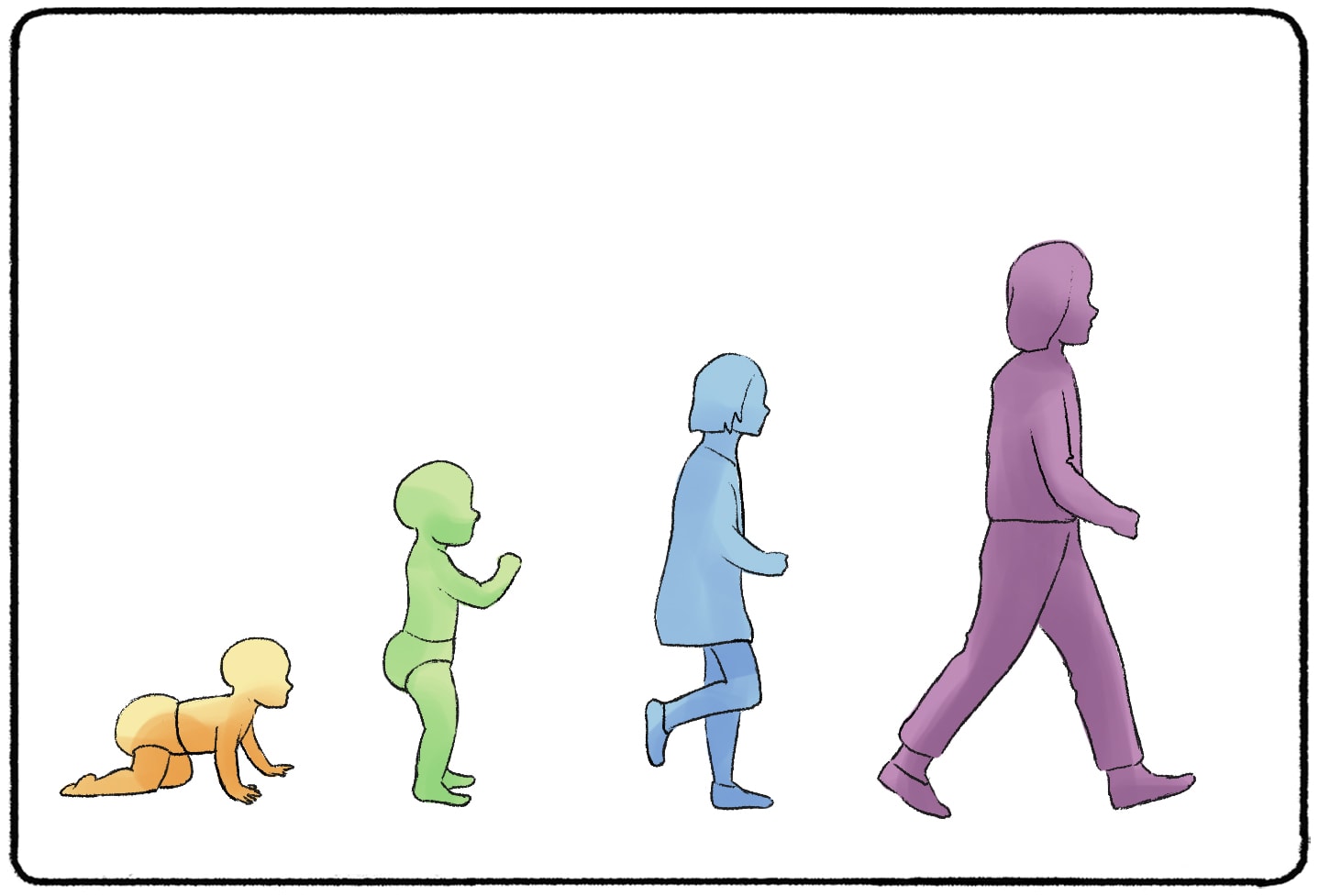
Not even psychologists can agree on what birth order means for someone’s personality. While some studies show that an only child is likely to be self-centered and spoiled, others focus on an only child’s ability to be a leader and a perfectionist. Both things can exist, but the “most likely to be true” traits may vary from study to study or psychologist to psychologist.
All of these studies show a correlation, not causation. These studies don’t always account for other factors. Families with only two children (no “middle” child) may also look different than psychologists generally understand. So do “blended” families that are made up of half or step-siblings.
Other factors that influence personality include:
The list goes on and on. Don’t take these assessments too personally if you don’t think they apply to you. Live the life you want to live and strive to be the person that you want to be!
While birth order provides some insights into potential personality traits, it’s essential to understand the nuances and factors at play.The 2015 studypublished in theJournal of Marriage and Familyfound that while birth order affects personality and IQ, the differences are so small that they are practically negligible.
However, other researchers, such as Dr. Frank Sulloway in his bookBorn to Rebel, argue that birth order can significantly shape revolutionary thinkers.
Multiple factors beyond birth order can shape personality, from cultural upbringing and socioeconomic factors to individual life experiences. In her bookThe Nurture Assumption, psychologist Judith Rich Harris suggests that peer influence may be more potent than family dynamics in determining personality.
Regardless of where you stand in your family’s birth order, it’s essential to recognize the broad spectrum of influences that make you uniquely you.
Related posts:Golden Child Syndrome (Definition + Examples)Nuclear Family (Definition + History)Alfred Adler Biography - Contributions To Psychology17+ Cardinal Traits (Definition + Examples)What is Personality Psychology?
Related posts:
Reference this article:Practical Psychology. (2020, February).Child Birth Order (in Psychology).Retrieved from https://practicalpie.com/child-birth-order/.Practical Psychology. (2020, February). Child Birth Order (in Psychology). Retrieved from https://practicalpie.com/child-birth-order/.Copy
Reference this article:
Practical Psychology. (2020, February).Child Birth Order (in Psychology).Retrieved from https://practicalpie.com/child-birth-order/.Practical Psychology. (2020, February). Child Birth Order (in Psychology). Retrieved from https://practicalpie.com/child-birth-order/.Copy
Copy
