If you’ve majored in psychology and are wondering what your options are, the following list ofpotential careers in psychologymight help. There are many careers in psychology; this isn’t an exhaustive list, though, as new specialisms keep popping up. We’ll also be briefly looking at careers in related fields that might make use of your psychology degree, as well as other sectors where your degree might be valuable.
There are two ways you can use this resource.
First, you can read every career option on our list. This might be useful if you have no clue what you want to do and need some inspiration about your future career in psychology, but it might take a while.
Second: you can use the links below to jump straight to a career that catches your eye. This will save time if you already have a rough idea of what psychology job you might want to do. We’ve helpfully put the links alphabetically so you can find the one you’re looking for quickly and easily.
What Do Psychologists Do?Why Pursue a Career in Psychology?Psychologist Roles and ResponsibilitiesPsychiatrists and Related CareersUsing Psychology in Non-Psychologically Related CareersThings to think about when choosing a career in psychology
What Do Psychologists Do?
Why Pursue a Career in Psychology?
Psychologist Roles and Responsibilities
Psychiatrists and Related Careers
Using Psychology in Non-Psychologically Related Careers
Things to think about when choosing a career in psychology
Individuals who delve into a career in psychology are often multifaceted in their roles. Whether operating from a lab, guiding students in a school, or directing their private practice, a unifying thread ties them all: a profound engagement with research. Psychologists are deeply committed to unraveling the intricacies of human behaviors and responses. Their quest is to decode the myriad factors—both internal and external—that shape our thoughts, emotions, and actions. Through rigorous research and exploration, psychologists seek to understand the foundational reasons underpinning our diverse human experiences and reactions.
If you want to answer these questions yourself, you might want to consider a career in psychology! Fortunately, there are many roads that you can take with a psychology degree and many ways that you can contribute as a psychologist—interested in working with children, adults, or animals? Curious about how we think, make decisions, or interact with each other? There is a psychology career available to you!
That being said, responsibilities vary. Psychologists may be hired to:
As you can see, there isn’t just one way to be a psychologist.
Where Can You Get Hired as a Psychologist?
Many different organizations may hire a psychologist to take on these responsibilities, including:
Psychologists also have another option: opening their practice. Depending on the type of psychology you have studied. How you want to serve your clients, your private practice may offer services to individuals who want to improve their mental health or corporations looking to improve how they treat their staff and motivate their leaders.
Art Therapist
Art therapistsencourage people to express themselves and their feelings through creative arts. You will need to be trained in a combination of psychotherapy and art and can work individually or as part of a group using a wide range of materials. Typical clients include:
Aviation Psychologist
Aviation psychologists work for airlines, airports, and government agencies. Drawing on human behavior, typical duties might include:
Adolescent Psychologist
Adolescent psychologiststypically work with young people between 12 – 18, although some work with younger children or young adults. This work requires an in-depth understanding of sociocultural and developmental factors specific to each age group. Work can be complex, challenging, and hopefully – rewarding - and may include:
Advertising Psychologist
Advertising psychologistswork with businesses and organizations. The role involves researching and analyzing consumer preferences and behavior and then advising the business to make its advertising efforts to promote a brand, service, or product as effectively as possible. Activities in this job might involve:
Analytical Psychologist
Analytical psychologists are interested in how our conscious and non-conscious beliefs and perceptions impact how we think and behave. The role involves aspects of psychoanalysis, and clients may need help with:
Behavioral Psychologist
Behavior psychologistsfall into 4 main categories: cognitive therapy, behavioral therapy, cognitive-behavioral therapy (CBT), and applied behavioral analysis (ABA).
Each therapeutic approach addresses any harmful thought processes, attitudes, and behaviors that prevent a person from having a happy, fulfilling life. The purpose of any behavioral psychologist, irrespective of approach, is to help people understand their thinking and behavior, offer tools and strategies to manage these and turn them into positive and helpful ways of thinking and behaving.
Behavioral Disorder Counselor
A Behavioral Disorder counselor works with people with behavioral disorders or issues that might negatively affect their relationships, work, and day-to-day functioning. You might be working with individuals who have:
Biological Psychologist
Biological psychologistsfocus on the relationship between genetics, biological and physiological factors on human behavior and thought processes. Often this involves investigating and analyzing the differences between other species and human beings, so you are more likely to be carrying out animal studies in this field. If that makes you uncomfortable, this might not be your career.
Child Life Specialist
A child life specialist usually works within the pediatric department of a hospital. This role is about helping children under 18 - and their families - manage the experience of being hospitalized or having a chronic health condition. You can be involved at any stage or all of them. This means you could be helping a child and their family cope before, during, or after any treatment. This role is a mix of providing educational and emotional support, so you’ll need to know about medical terminology and what’s involved in hospital procedures, as well as having basic counseling and great communication skills.
Child Psychologist
Child psychologistsare interested in the primary issues children and adolescents face, such as developmental milestones, educational and behavioral problems, social skills, and emotional issues. No day will likely be the same with such a broad spectrum of issues. Typical activities will vary depending on your area of expertise and whether you are in private practice or not, but may include:
Child Therapist
Child therapists usually work with children with complex needs who may have experienced abuse and trauma. This is an emotionally demanding role and may involve:
Clinical Psychologist
Clinical psychologistsassess, diagnose, and treat clients suffering from various psychological, emotional, social, and behavioral problems. Clinical psychologists can do everything except prescribe medication; they are not classed as medical doctors. In this role, you may work in hospital settings, mental health clinics, or private practice. Most clinical psychologists will be educated to master level, with most having a Ph.D. You may work with people who have:
Criminal Psychologist
See Forensic Psychologist.
Cognitive Psychologist
Cognitive psychologistsfocus on understanding how the mind works, particularly concerning perception, memory, language development, attention, learning, and sensory processes. This role mainly involves research and teaching, although there is some opportunity to work in clinical settings helping people with cognitive problems related to age, brain injury, or developmental deficits. Becoming a cognitive psychologist is one of the most fascinating careers in psychology because you will learn how people think.
Community Psychologist
Community psychologists are part of a relatively new discipline that combines public health, sociology, social work, psychology, and ecology. This role focuses on understanding how people relate and interact as a community, emphasizing trying to develop strategies to combat community-level problems, such as teen pregnancy. You’ll likely be involved in carrying out research and working with local community leaders and members rather than providing help and support on an individual basis.
Consumer Psychologist
Consumer psychologists study the wants and needs of people to understand what influences them to purchase goods and services. They also analyze how family, friends, culture, and media messages affect consumer behavior. In this role, you might typically be involved in the following:
Cyberpsychologist
Cyberpsychology is another relatively new field investigating how online affects human behavior. In this role, you might research virtual reality, artificial intelligence, social media, online behavior, human-machine interaction, and technology addiction. As a Cyberpsychologist, your role will likely be more about research and analysis than interacting with individuals or groups of people.
Developmental Psychologist
Developmental psychologistsspecialize in human development and change. While you can be a generalist, it’s more likely that you’ll specialize and work with a specific age group, pediatric, adolescent, young adult, or the elderly. This is because each life stage poses different developmental milestones and issues. You could be working either in research or clinical or educational settings. Areas of particular interest include:
Ecological Psychologist
Ecological psychologists are interested in understanding human behavior within the context of their environment. Largely a research-based role, you might be investigating microenvironments (such as the effect of immediate family) or macroenvironments (such as the effect of community and culture on behavior).
Educational Psychologist
Education psychologistsfocus on the various aspects of education, such as teaching strategies, learning processes and styles, language development, testing and assessments, and even behavioral issues. In this role, you’re most likely to work within an education setting to help students of any age fulfill their academic potential. However, you could end up in a more research role if this appeals to you. Typical responsibilities might include:
Engineering Psychologist
Engineering psychologists use their understanding of human behavior to help design and improve technology, consumer products, work settings, and living environments. You will likely be working within an academic setting or for a private organization. If you’re working for a business or organization, you could be working with or as part of one of these teams:
Evolutionary Psychologist


Evolutionary psychologyis mostly a research role, investigating and analyzing how the brain and its cognitive processes have developed over time. You’ll need to be interested in biology, anthropology, and history. This is a specialized field with few jobs available, with most jobs being in academia.
Experimental Psychologist
Experimental psychologistscarry out research. This can be across a huge range of subjects and specialisms. You may work in a research center, college, governmental agency, or private organization. This role typically involves the following activities:
Forensic Psychologist
See also Criminal Psychologist.
Forensic psychologistsfocus on working within the judicial, family, and criminal law and the correctional system. While you might immediately think of being a psychological profiler – this is rarer than you think. This role has a lot in common with criminal psychology, as you could be working within the legal and judicial system, assessing criminal behavior, and providing court reports on the psychological functioning of criminals. You might also be involved in victim rights, child abuse cases, family conflict, and child custody cases.
Some forensic psychologists specialize in working inside correctional facilities, assessing, treating, and reporting on the psychological problems of inmates – not for the squeamish!
Geriatric Psychologist/ Geropsychologist
A Geriatric psychologist or Geropsychologist specializes in assessing and treating the elderly. This role can involve:
Health Psychologist
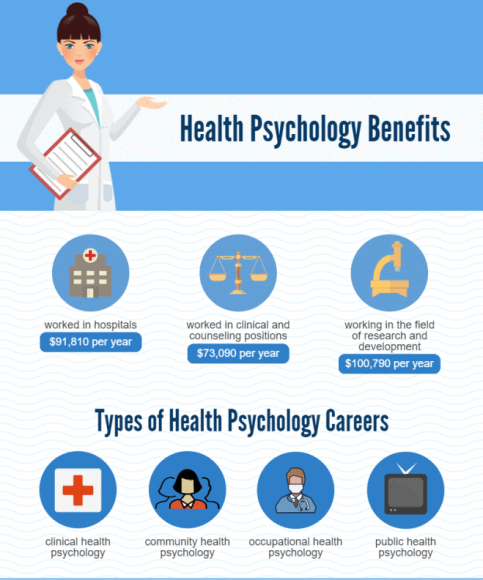
Health psychologistshave a distinct focus on health and well-being. Unlike most other psychologists, the emphasis is not on psychological-related assessment or treatment. Instead, you will focus on how to help prevent illness and promote healthy behaviors, such as regular exercise, eating a balanced diet, and so on. In this role, you might work with governmental health agencies in hospitals, healthcare centers, and schools. Most of your work will involve educating people so that you might carry out activities such as:
Human Factors Psychologist
Human Factors psychologists focus on human thought and behavior but also on weaknesses and strengths – both psychological and physical. Work in this field generally involves assessing and understanding how these human factors affect how we use and interact with our environment, tools, and workplace. Human factors psychology aims to ensure that products and services are designed to be safe, effective, and user-friendly.
Industrial/Organizational Psychologist
Industrial and organizational psychologistsare interested in the physical workplace and workplace behavior, such as employer/employee interactions. This job is one of the highest-paid jobs in psychology due to its economic advantages to businesses. Organizational psychology has evolved from simply evaluating employees (and job applicants) to determine suitability to include a much wider range of tasks, including:
Legal Psychologist
See also Forensic Psychologist.
Legal psychologist roles have some overlap with Forensic psychology. This is because both specialisms are involved in the judicial and criminal systems. In this role, you might work with a law firm or the district attorney’s office. Most importantly, your responsibility will be that of a jury consultant and helping construct and vet jurors. Other responsibilities might be more administrative and involve working with city officials to develop policy and documentation on various societal issues, such as drunk driving.
Mathematical Psychologist
Mathematical psychologists may also be referred to as mathematical scientists. This is because this field focuses much more on the science of math to research quantifiable and measurable evidence about human behavior than a pure interest in psychology. This is a great choice if you love statistical analysis and numbers. As an exclusively research-based role, there is no chance of interacting or acting in a helping capacity with actual people.
Marriage Counselor
Marriage counselorswork with couples (who don’t necessarily have to be married) experiencing relationship problems or where one partner has concerns about the other. You guide and advise couples who come to you for help. Typical work can involve:
Media Psychologist
Military Psychologist
See also Clinical Psychologist.
Military psychologists are most likely qualified clinical psychologists, and their role is largely the same, albeit when working with military personnel. Unlike many other career careers, as a military psychologist, you are more likely to be deployed anywhere in the world – including war zones or hostile environments.
Neuropsychologist
Neuropsychologistsare specifically interested in the human brain, including cognition, traumatic brain injury (TBI), neurological conditions (Parkinson’s, Dementia, etc.), and mental health. Due to the broad nature of this work, neuropsychologists often specialize in a specific field, which can fall into either research or applied work. Typical work can therefore vary dramatically, but in an applied setting, tasks might include:
Occupational Health Psychologist
Occupational health psychologists focus on the impact of physical and mental well-being in the workplace. Although there’s a big emphasis on stress, occupational health can look at other things, such as specialist chairs for back problems, built-in breaks from computer screens, etc. This role is about reducing staff illness and time off work. Typical activities might include:
Operational Psychologist
Operational psychologists usually work within governmental agencies and the military to help senior officials take accurate and appropriate combat and other operational actions. Activities may involve:
Psychiatric Social Worker
Psychiatric social workers have a supportive role working with individuals and their families where there is a concern about the impact mental health problems have on the social and economic aspects of their lives, such as parenting capability, work, and personal relationships. The role is very similar to a traditional social worker, except they work exclusively with people diagnosed with mental illness. Often psychiatric social workers are the first line of defense and work much more closely with people and their families than most other psychologists. If you’re looking for a fulfilling career in psychology, this may be one of the best.
Rehabilitation Psychologist
Rehabilitation psychologists focus on assessing, diagnosing, and treating individuals who need support. This could be because they have a chronic illness, long-term disability, physical injury, and even victims of domestic violence. This role involves working directly with people to determine their needs, creating a personalized treatment plan, and supporting them throughout. Typical activities in this role can include:
Social Psychologist

Sports Psychologist
Sports psychologistsfocus on sports and athletics from a psychological perspective. An interest in sports is essential as you will specialize in understanding the factors that impact motivation and performance and how to reduce the psychological impact of injury on a sportsperson. As a sports psychologist, you can work in various settings, such as colleges, hospitals, and athletic centers, and even with state or national sports teams. Going down a research path is also possible if that appeals to you. Many high-schoolers look into this field to study if they are in sports and wish to follow their love into a well-paying psychology career.
Theoretical Psychologist
Theoretical psychologists can also be considered research psychologists. This role is about understanding the connection between psychology, philosophy, and theory. Most theoretical psychologists are employed in academic settings (which usually means you’ll also be teaching) and are involved in experiments to prove or disprove a given theory. Common topics of interest include:
Traffic Psychologist
Traffic psychology is a newer area of psychology.Traffic psychologistsapply theoretical principles to identify why drivers behave as they do. In this role, you might be involved in:
Vocational Psychologist
Vocational psychologists are similar to career counselors. This could be your job if you’re interested in helping others discover what they want to do. Typical tasks might include:
You might be wondering why psychiatrists are missing from our list. There’s a really good reason for this - psychiatrists differ from psychologists as they are medical doctors and can prescribe medication. Having a psychology degree won’t necessarily help you become a psychiatrist. You’ll need a medical degree above anything else.
Other sectors where psychology graduates can work:
Psychology, the study of human behavior and the mind isn’t just for those in clinical or counseling roles. Its principles are universal and can be applied across a myriad of professions. Let’s explore how psychology might be leveraged in careers that aren’t primarily focused on psychology:
In essence, the knowledge of psychology is versatile. Regardless of the primary focus of a profession, understanding human behavior, emotions, and cognition can enhance efficiency, effectiveness, and overall success in that field.
Hopefully, you’re now feeling reassured that there’s a great career in psychology for you. But before you rush headlong into a decision, it might be a good idea to take a few minutes to think about the following:
Related posts:40+ Famous Psychologists (Images + Biographies)Health Psychologist Career (Salary + Duties + Interviews)41+ White Collar Job Examples (Salary + Path)47+ Blue Collar Job Examples (Salary + Path)Social Institutions (Definition + 7 Examples)
Related posts:
Reference this article:Practical Psychology. (2020, March).Careers in Psychology.Retrieved from https://practicalpie.com/careers-in-psychology/.Practical Psychology. (2020, March). Careers in Psychology. Retrieved from https://practicalpie.com/careers-in-psychology/.Copy
Reference this article:
Practical Psychology. (2020, March).Careers in Psychology.Retrieved from https://practicalpie.com/careers-in-psychology/.Practical Psychology. (2020, March). Careers in Psychology. Retrieved from https://practicalpie.com/careers-in-psychology/.Copy
Copy
